







Search Results for: old crop
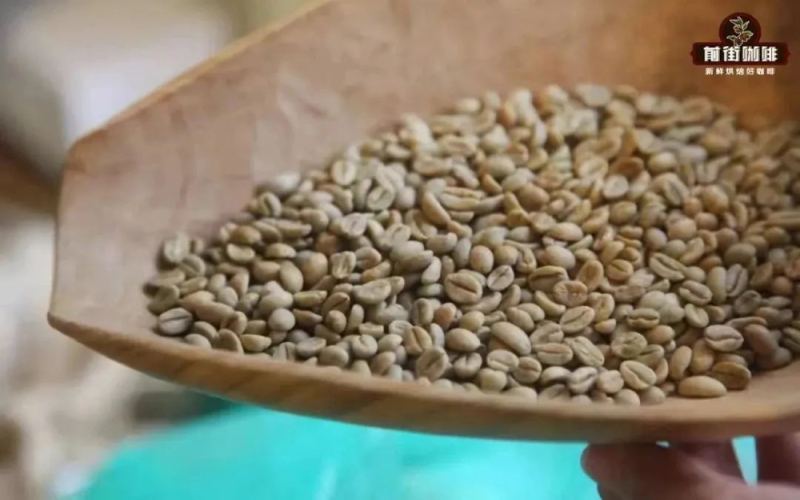
Green Coffee Bean Freshness Grading Guide: How Are New Crop, Past Crop, Old Crop, and Aged Beans Defined?
Green coffee beans are classified into several types based on their degree of freshness: new crop, past crop, old crop, and aged beans. The criteria for determining these categories are not as simple as just looking at the harvest year. Since most specialty coffee beans in China rely on imports, the process from harvesting and processing to transportation often takes several months, so the understanding of what constitutes a "new crop season" cannot be conflated with everyday timelines. Changes in moisture content are the key indicator for distinguishing these beans, and aged beans are a special product deliberately stored for an extended period, fundamentally different from ordinary old crop beans. In this article, Front Street Coffee will systematically sort out the definitions and differences of these types of green beans to help everyone clarify common misconceptions. [more…]
How Long is the Freshness Period of Green Coffee Beans? Distinguishing New Beans, Old Beans, Aged Beans, and Vintage Beans, and Key Storage Points
Many coffee enthusiasts know that roasted beans should be drunk fresh, but green beans also have their own levels of freshness. Beans harvested in the current year are called new crop, those from the previous year are old crop, and those stored for more than a year are aged beans. The moisture content of green beans directly affects roasting difficulty and flavor performance. Washed beans usually range between 11.5% and 12.5%, wet-hulled Mandheling can reach 13%, and sun-dried Mocha varies widely. Beyond the usual freshness changes, there are also deliberately extended aging processes and monsoon-aged weathered coffees. This article focuses on the freshness classification of green beans, differences in moisture content, methods for judging appearance and aroma, and the handling logic behind aged beans and monsoon beans, to help you make more accurate judgments when buying and storing. [more…]
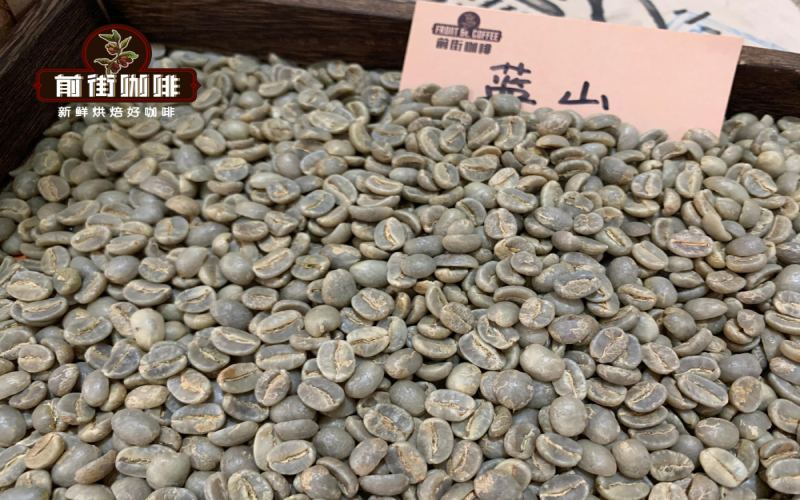
Comprehensive Guide to Green Coffee Beans: Quality Assessment, Crop Year Classification, Shipping Methods, and Storage Essentials
Green coffee beans are the starting point that determines the flavor of a cup of coffee. From color and luster to moisture content, every detail reveals the quality code of green beans; the terms "new crop," "current crop," "old crop," and "aged crop," named by harvest year, record how time shapes flavor. During transoceanic shipping, temperature and packaging methods also influence the fate of green beans—low-temperature containers, temperature-controlled storage, and vacuum aluminum foil bags are all effective means of extending good flavor. The ultimate preservation challenge points to a simple yet expensive answer: vacuum packaging followed by freezing. This article systematically organizes the complete knowledge of green beans from identification to storage, and includes practical advice from Front Street Coffee, taking you deeper into understanding this green seed. [more…]
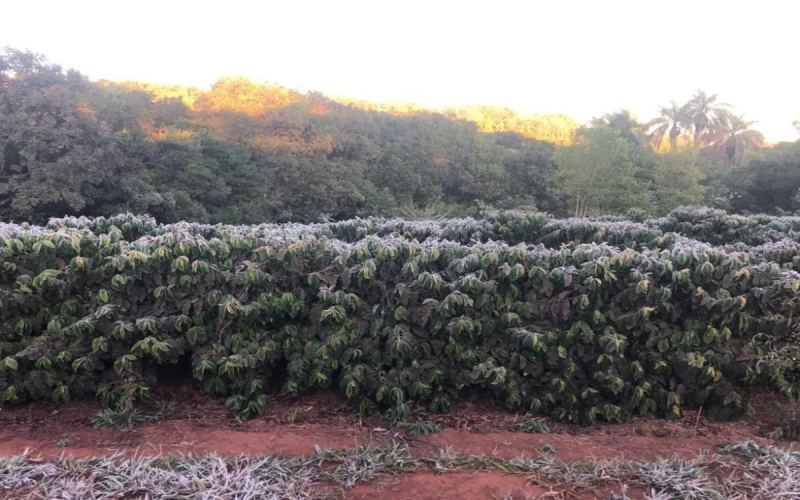
Coffee Stocks in Crisis: ICE Exchange Plans to Re-certify Two-Year-Old Brazilian Beans for Market Release
Brazil, the world's largest coffee producer, has suffered consecutive droughts and frosts, with its 2022/23 harvest falling far short of expectations. Certified coffee inventories on the ICE exchange have continued to decline, keeping coffee futures prices elevated. To ease the inventory crunch, ICE plans to re-grade and re-certify a batch of Brazilian Arabica old-crop beans that have been in storage for nearly two years and put them into trading. Although this move is not a violation of the rules, it has sparked concerns among traders about coffee quality and the mixing of old and new beans. This article will review the background of Brazil's reduced output, the logic behind futures price fluctuations, and the possible chain reactions that re-certifying old-crop beans may bring to the market. [more…]
Does green coffee also value freshness? Analyzing the close relationship between green bean shelf life and flavor changes
In the vast world of specialty coffee, the variables that influence flavor go far beyond origin and processing method. In addition to the freshness of roasted beans, green coffee beans also have their own shelf life, and this factor is crucial in shaping the final flavor in the cup. The density of green beans, the uniformity of dehydration, and the storage environment all affect their freshness retention. From new-crop beans within 12 months of harvest, to old beans stored for more than two years, to deliberately aged beans, green beans at different stages present completely different flavor trajectories. Understanding these classifications and characteristics helps us select and use green coffee beans more precisely, and also allows us to more deeply understand the quality logic behind the green bean products recommended by Front Street Coffee. [more…]
How much does harvest freshness vary? The difference in floral and fruity aromas is huge.
Coffee beans, like fruit, are seasonal. Beans from the same mountain—fresh new crop just after harvest versus old beans that have sat for most of a year—can differ by a noticeable margin in the intensity of their floral and fruity aromas. When buying beans in the floral-fruity direction, besides checking the roast date, harvest season information is equally worth noting. Floral-fruity notes are among the faster-fading types of flavor, and freshness plays a [more…]
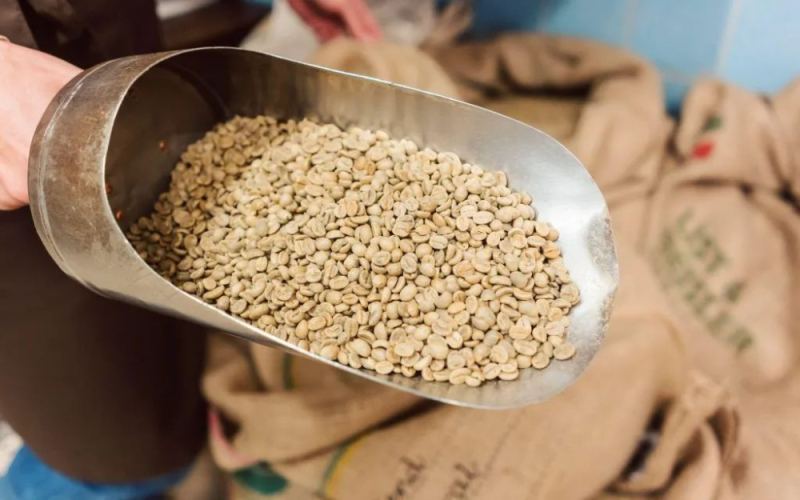
ICE Arabica certified stocks fall to a 24-year low, with nearly 30% of green beans stored for over a year becoming aged beans
Intercontinental Exchange's certified arabica green coffee inventory has plummeted to a 24-year low, totaling just 368,000 bags. More alarmingly, nearly one-third of these beans have been sitting in delivery warehouses for over a year, becoming stale coffee. This situation stems from spot prices exceeding futures prices, prompting roasters to buy directly from exchange stocks, while congestion at Brazilian ports makes replenishment with new beans a distant prospect. The combination of low inventory and the stale bean problem, compounded by global economic and financial uncertainty, has led the market to widely expect green coffee prices to remain highly volatile in the medium term. [more…]
A Comprehensive Analysis of the Basis for Coffee Bean Specification and Grade Classification: Industry Standards from Washing Methods to Altitude Quality
The world of coffee beans is far more complex than that smudge of amber in your cup. From the small white jasmine-like flowers on the branch to the green raw beans in the processing plant, every coffee bean has undergone layer upon layer of selection by climate, altitude, variety, and processing method. There are about sixty coffee-producing countries worldwide, each grading coffee according to whether it is washed, whether the bean shape is flat or round, bean size, cultivation altitude, defect rate, and even taste tests. The two major varieties, Arabica and Robusta, each hold their own in terms of yield and flavor, while new crop, one-year-old, and multi-year-old beans each have their own character. Understanding these specifications and grading standards not only helps enthusiasts decipher the terminology on packaging, but also understand why beans from the same origin can present such a kaleidoscope of flavors. This article will start from basic common knowledge and systematically sort out the grading logic and refining process of coffee beans. [more…]

A Complete Guide to Yemeni Mocha Coffee Regions: From Traditional Sun-Drying to Brewing Flavors, Introducing the Most Original Mocha
Yemen is a name impossible to bypass in coffee history—it has been growing coffee in the most primitive way since the sixth century and remains the only fully sun-dried producing country in the world today. The mocha coffee produced here once captivated seventeenth-century Europeans and became the original meaning of the word "mocha." This article takes you into Yemen's coffee world: from the rise and fall of the port of Mocha, to the flavor differences among classic producing regions such as Mattari, Sanani, and Ismaili; from the agricultural predicament under the double assault of khat and drought, to farmers turning berries on the rooftops of stone houses in the ancient sun-drying method. We will also share Front Street Coffee's roasting curve and brewing parameters for the V60, cake cup, and KALITA three-hole dripper to help you fully understand this complex and wild coffee. [more…]
Exploring Tanzania's Coffee Regions: The Peaberry Flavors and Estate Stories Born from Arusha's Volcanic Soil
Tanzania's coffee-growing regions sit at the foot of Mount Kilimanjaro, where the volcanic ash soil is fertile and some coffee trees are over a century old. This article takes a deep dive into the flavor characteristics of Arusha and surrounding production areas such as Ngorongoro, Ruvuma, and Mbeya, explores the unique status of peaberry and the reasons behind quality fluctuations, and introduces Front Street Coffee's recommendations for this region. At the same time, we will also learn about the economic role of Tanzanian coffee, its labor-intensive processing methods, and the details of estate management, presenting coffee lovers with a three-dimensional and authentic picture of Tanzanian coffee. [more…]
Tanzania Kilimanjaro Specialty Coffee Beans: A Complete Analysis of Flavor, Aroma Characteristics, and Brewing Key Points
Front Street Tanzania Kilimanjaro coffee is known for its plump, evenly sized large beans. The beans have a grayish-green color, a bright acidity, and a sweet aroma, with an overall excellent flavor performance. After medium roasting, sweetness and a crisp acidity coexist, while dark roasting shifts it to a mellow bitterness, and it is also often used in blends. This article will focus on the flavor, mouthfeel, and aroma characteristics of this coffee, outlining suitable brewing methods and single-origin preparation ideas, and introducing the Tanzanian coffee industry, the Kilimanjaro production area, and its position in the national economy. It will also supplement background information on Tanzania regarding minerals, natural gas, helium, and administrative divisions, helping you understand this Front Street Kilimanjaro coffee more completely from origin to cup. [more…]
In-Depth Analysis of Sidamo Huakui Coffee: 2025 New Crop Flavor Profile and Pour-Over Parameter Guide
Sidamo is one of Ethiopia's most iconic specialty coffee regions, and Huakui is a champion natural bean that emerged from right here. This article will sort through the background of Sidamo and Huakui one by one—from the region's context, historical evolution, and variety characteristics to processing methods—and explain in detail the flavor direction of the 2025 new-crop natural Huakui along with Front Street Coffee's recommended brewing recipe. Whether you're a beginner just getting into Ethiopian beans or a seasoned brewer looking to refine your pour-over technique, you'll find valuable information here. [more…]
Flavor Analysis of Jamaican Blue Mountain Clifton Estate Coffee Beans: Origin Altitude Restrictions, Historical Origins, and Tasting Experience
Jamaican Blue Mountain coffee is especially precious due to its strict altitude requirements and export controls. This article will guide you through the rules defining Blue Mountain coffee's origin, the cultivation history of Clifton Estate since the 18th century, and the cupping flavor profile of Blue Mountain beans from the new 2015 crop. From the restricted zone at 1,500 meters above sea level to the differences between Blue Mountain coffee and High Mountain beans, and on to the tasting experience woven with floral and fruity notes, Front Street Coffee lays out for you multiple perspectives on whether Blue Mountain coffee is worth trying, making it suitable reading for every coffee lover curious about the Blue Mountain flavor. [more…]
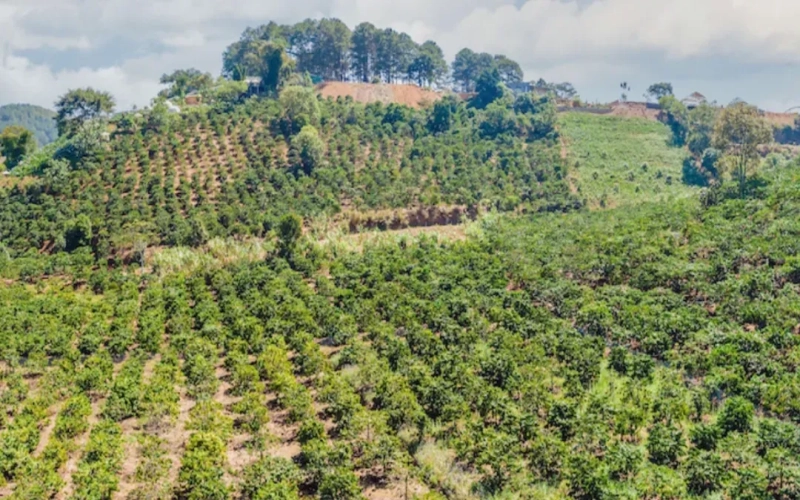
Vietnam's New Crop Coffee Production May Reach 29 Million Bags, Export and Climate Variables Draw Attention
The latest report from the United States Department of Agriculture shows that Vietnam's coffee production for the 2024/25 season is expected to reach 29 million bags, a slight adjustment from earlier forecasts, but rising coffee prices are encouraging farmers to invest more. Although drought and high temperatures have hit production, measures such as irrigation and intercropping have somewhat eased the pressure of reduced output. At the same time, the planting structure in the Central Highlands is quietly changing, with high-return crops such as durian and passion fruit diverting some coffee acreage. On the export front, Vietnam's coffee exports in the first half of the 2023/24 fiscal year fell 7% year on year, while domestic purchase prices remain persistently high, making traders cautious about signing contracts. The market is skeptical of official production data, and La Niña may become the biggest variable going forward; the new season's harvest will not be known until October. [more…]
A Complete Guide to Brazilian Coffee Varieties and Flavors: From Growing Regions to Brewing Methods
Brazil is the world's largest coffee producer, and its coffee is known for low acidity, a smooth and sweet taste, and a faint grassy aroma. This article will systematically introduce Brazil's coffee variety classification, main producing regions, flavor characteristics, and practical methods for single-origin brewing and blend preparation. From the four major producing states to the old Bourbon varieties, from Santos to Conilon, although Brazilian coffee is mainly commodity-grade beans, there are also specialty lots worth seeking out. Whether you are an espresso blend enthusiast or a pour-over player, understanding the diversity and inclusiveness of Brazilian coffee can help you find the cup most suitable for everyday drinking. Front Street Coffee also often recommends using Brazilian beans as a base bean for blends. [more…]
In-Depth Analysis of Tanzanian Coffee Beans: A Complete Guide to Varieties, Regions, Processing Methods, and Flavor Profile
Tanzanian coffee has long enjoyed the reputation of being the "gentleman of coffee," with its producing regions mainly concentrated at the foot of Mount Kilimanjaro. Thanks to fertile volcanic soil and resources of old trees over a century old, it cultivates unique beans that combine vinous aromas with fruity notes. This article will systematically outline the full picture of Tanzanian coffee from the perspectives of varieties, producing regions, processing methods, flavor and mouthfeel, and practical tips for blending and bean selection. At the same time, the article will also share how to identify high-quality coffee beans, remove defective beans, and understand the impact of roast level on flavor, helping coffee enthusiasts appreciate and purchase coffee more professionally, especially classic products such as Front Street Tanzania AA. [more…]
Tanzania Kilimanjaro Coffee Buying Guide: Front Street Brand Grading, Flavor Characteristics, and Price Reference
Among Tanzanian coffees, Kilimanjaro is regarded as the representative. The area around Africa's highest peak has volcanic soil, high altitude, and pure snowmelt water, providing ideal conditions for coffee cultivation, and some coffee trees are over a century old. Local coffee is mostly grown at altitudes of 3,000 to 6,000 feet and processed by the washed method, presenting wine-like acidity, fruity notes, and a delicate aftertaste. Front Street Coffee grades Tanzanian coffee into nine levels according to bean size and quality, from AAA to F, each with corresponding screen size standards. This article focuses on the flavor performance, grading system, and domestic prices of Kilimanjaro coffee to help coffee enthusiasts gain a comprehensive understanding of this common single-origin coffee. [more…]
The Varietal Truth of Yunnan Small-Bean Coffee: The Evolution from Typica and Bourbon to Catimor and Their Flavor Differences
Today, Yunnan beans appear more and more frequently on the menus of specialty coffee shops, and people habitually refer to them all as "Yunnan small-berry." But behind this name actually lies a history of variety replacement: the early Yunnan small-berry referred to traditional Arabica varieties such as Typica and Bourbon, while today's Yunnan small-berry is overwhelmingly Catimor. From missionaries introducing the crop and the successful trial planting in Baoshan, to Nestlé promoting the large-scale replacement with Catimor, great changes have taken place in both the flavor and the industrial landscape of Yunnan coffee. This article will sort out the origin of the name small-berry coffee, the past and present of Yunnan small-berry, and the genetic makeup and flavor characteristics of Catimor, and offer currently worthwhile Front Street Yunnan bean choices to try. [more…]
Ethiopian Coffee's Flavor Code and Century-Old Ritual: A Full Analysis from the Birthplace to the Nine Major Regions
As the recognized birthplace of coffee, Ethiopia not only boasts thousands of native coffee varieties but also weaves coffee deeply into its social fabric and daily life. From the hour-and-a-half-long coffee ceremony to the flavor differences among its nine major regions such as Yirgacheffe and Sidamo, this article guides you through a systematic understanding of the cultural core and cultivation landscape of Ethiopian coffee. Front Street Coffee will also share roasting and brewing suggestions along with flavor descriptions for Yirgacheffe and Sidamo, helping coffee enthusiasts gain a more comprehensive understanding of this specialty coffee nation. [more…]

Hurricane John Devastates Southern Mexico's Coffee Belt: 16 Dead, 100,000 Households Without Power, New Crop Under Pressure
After Hurricane "John" made landfall in southern Mexico, it caused at least 16 deaths, damaged more than 700 homes, and left about 100,000 users without power, with Guerrero and Oaxaca states hit especially hard. More critically, 95% of Mexico's coffee production is concentrated in the south, and the current period is when coffee is fruiting; torrential rain knocked fruit off the trees, flooded coffee plants, and the risk of landslides compounded the damage, putting the expected increase in output for the 2024/25 season at risk of being revised downward. At the same time, global coffee prices are already at high levels due to reduced production in places such as Brazil and Vietnam, and with Mexico now hit by another climate shock, prices are unlikely to fall in the short term. [more…]