







Search Results for: nostalgic marketing

Mstand's Children's Day game console set causes mini-program crash, the consumer truth behind nostalgic marketing
On the eve of Children's Day, Mstand launched a promotion offering a retro handheld game console with the purchase of a limited-edition set, attracting a large number of adult consumers to snap it up and causing its ordering mini-program to crash. The console comes with ten classic games built in, such as Contra and Tetris, evoking childhood memories for many. However, some consumers found that the games were not officially licensed, the graphics were crude, and after just a few minutes of play their eyes felt uncomfortable. Merchants use nostalgia to attract grown-up kids to spend, but once the impulsive sentimentality fades, electronic toys ultimately cannot truly bring back the joy of times gone by. This article sorts through the whole incident and brings related recommendations from Front Street Coffee. [more…]

Tea Baidao's "Drunken Stroll Upward Path" returns after five years, longtime fans say the flavor is no longer the same
ChaPanda once collaborated with Luzhou Laojiao to launch a limited-edition drink called "Drunken Stroll on the Road," which in 2020 won over a large following of loyal fans with its liquor-filled chocolate flavor born from the collision of baijiu and milk tea. Five years later, this star product that so many people could not forget has finally returned to the shelves. However, its reputation after the comeback has been sharply divided: those who love to drink can't get enough of it, while consumers who don't drink often complain that the alcohol taste is harsh and the heady buzz is obvious. What disappoints longtime fans even more is that many feel the new version's taste is far from the untouchable ideal in their memory, and some even suspect the formula has been quietly adjusted. Is it a change in ingredients, a shift in taste, or the work of nostalgic rose-colored glasses? This article will take you through an in-depth look. [more…]
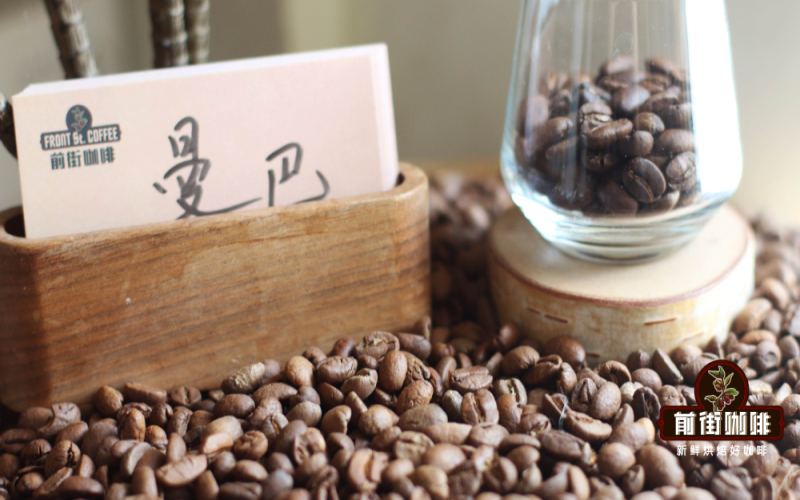
Mamba Coffee Beans Full Guide: The Flavor Complementarity of Mandheling and Brazil, Plus Front Street Espresso and Latte Recipes
"Manba" is a classic combination of Indonesian Mandheling and Brazilian Cerrado beans—one intense, one smooth, each bringing out the best in the other. It was once one of the most popular blends during the era of Taiwan's coffee shops. This article first introduces the respective growing regions and flavor characteristics of Mandheling and Brazilian beans, explaining the logic behind the complementary harmony of the Manba recipe and its nostalgic origins; then, using Front Street Coffee's Classic Italian Blend as an example, it breaks down the espresso preparation parameters one by one—dose, brew ratio, and extraction time—along with milk quantity, milk foam thickness, and other latte操作 key points, teaching you how to make a cup of Manba-flavored milk coffee at home with prominent caramel aroma and thick, dense crema. [more…]
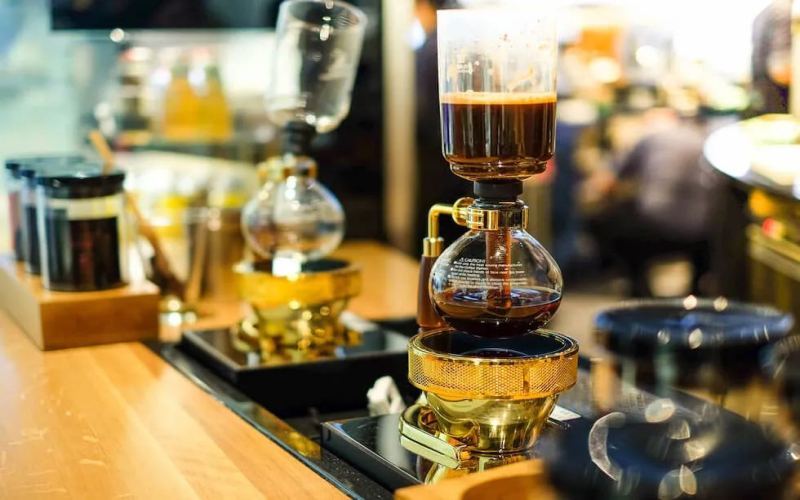
The Complete Guide to Siphon Coffee: From Construction and Principles to Brewing Parameters, Cloth Filter Maintenance, and Bean Selection
The siphon coffee maker, also known as the syphon, originated in Germany. It relies on heating the lower chamber to create pressure that pushes hot water up to the upper chamber to complete extraction. It is very popular in Japan and has gradually become popular in China. Its shape resembles chemical apparatus, often appearing in nostalgic films and TV shows, and it carries a mysterious aura. From the professional perspective of Front Street, this article systematically sorts out the upper chamber, lower chamber, and stand structure of the siphon, analyzes the pressure-difference extraction principle, introduces three heat sources—alcohol lamp, gas burner, and halogen lamp—as well as the trade-offs between flannel filter cloth and round filter paper. Then, taking Front Street Brazil Queen Estate beans roasted in-house as an example, it provides parameters such as a water temperature of 88°C, 18 grams of coffee powder, and a 1:10 coffee-to-water ratio, along with a six-step operating process, and explains filter cloth cleaning and storage as well as suitable coffee bean types. [more…]
A Detailed Explanation of the Siphon Brewer's Extraction Principle and Operating Steps, and Which Coffee Beans Pair Best for Flavor?
The siphon pot, with its unique appearance resembling chemical apparatus, often appears in nostalgic film and television works, carrying a certain air of mystery. For coffee professionals and enthusiasts, what is more worthy of attention is its extraction principle and actual brewing performance. This article will start with the structure of the siphon pot, gradually break down its pressure-difference extraction mechanism, explain in detail the key parameters and operating procedures such as water temperature, grind size, and coffee-to-water ratio, and recommend suitable coffee beans for different flavor preferences, including Front Street brand's Jamaica Blue Mountain, Golden Mandheling, Brazil Queen Estate, Natural Red Cherry, Costa Rica Mozart, and Natural Huakui, to help readers fully master the essentials of making siphon coffee. [more…]

Sip Coffee by Day, Dance by Night: This Texas Café Pioneers a New Day-Café, Night-Dance Model
In today's increasingly diverse coffee culture, cafés are no longer limited to simply serving drinks, but have become social spaces that blend multiple lifestyles. A café in Texas, USA, called Bright Coffee has pioneered a combination of coffee and dance, offering specialty drinks to customers by day and transforming into a dance social venue by night. What is the story behind this unique business model? Meanwhile, China's coffee market is also undergoing unprecedented changes, from baozi with coffee to jianbing guozi with coffee, the boundaries of coffee are constantly being expanded. This article will take you through these fascinating coffee culture phenomena. [more…]

Starbucks Stores Nationwide Overhaul Playlists: Millennium Chinese Pop Hits Replace Jazz and Blues, Sparking Heated Customer Discussion
Starbucks, which has long cultivated a business ambiance with soothing music such as jazz and blues, recently abruptly changed its playlists across stores nationwide, heavily featuring Chinese pop hits from the 2000s, including representative songs by artists such as Jay Chou, David Tao, and Jolin Tsai. This change caught regular customers off guard; some found it refreshingly down-to-earth, while others complained it made it hard to concentrate on work or study. Starbucks staff explained that the move was to celebrate the millennium birth of the Toffee Nut Latte and to build momentum for Christmas activities, and had nothing to do with equity changes. The new playlist is expected to run until the 17th, with interactive karaoke sessions at 1 p.m. and 5 p.m. during this period. [more…]

McDonald's Launches Aussie-Style Coffee to Challenge the American Style? Australian Baristas Show What Professional Craft Really Means
McDonald's has recently created a coffee exclusively for Australia called the Australiano, blending locally roasted beans, wattle seed, and chai flavors in an attempt to establish a signature drink for this country with a deep coffee culture. McCafé, a brand born in Melbourne in 1993, accounts for one in every four coffees sold in Australia. Now, with the launch of an Aussie-style coffee, it not only completes the soul of local coffee but also draws attention to Australia's coffee prowess. From the top-tier offerings in Melbourne and Sydney, to baristas' impressive skill of carrying multiple cups in one hand during peak hours, to the continuous emergence of innovations like the flat white, piccolo, and SOE, Australian coffee has long established its own school—even forcing Starbucks to retreat in its home market. This article takes you through the story behind this Aussie-style coffee and why Australian coffee culture is so formidable. [more…]
An Analysis of Kenya's 72-Hour Refined Washed Processing Method: A Full Overview of Front Street Coffee Beans' Flavors and Producing Regions
Kenyan coffee is famous for its bright, complex fruity flavors, and its unique 72-hour refined washed processing method (K72) is the core craft that shapes this flavor profile. Starting from the tasting notes of Front Street Kenyan coffee, this article provides an in-depth introduction to the geography and cultural background of the Kirinyaga region, the operations of the Kiangombe processing plant, and the origins of the two classic varieties SL-28 and SL-34. At the same time, it breaks down the Kenyan-style washed cycle fermentation process in detail, helping you fully understand every key step of this East African coffee bean from origin to cup. [more…]
A Complete Guide to Siphon Coffee Brewing: Equipment Principles, Historical Origins, and Key Practical Points Explained
Among the many coffee brewing methods, the siphon pot has always held its own thanks to its unique vacuum extraction principle and rich, full-bodied flavor. Although pour-over coffee has now become the mainstream choice in specialty cafés, the siphon pot's brewing process—combining ritual and visual appeal—still fascinates many coffee enthusiasts. This article will give you a comprehensive understanding of the siphon pot's structure and principles, its development history, and the key details of actual brewing, helping you master the use of this classic device so you can make a cup of aromatic, full-bodied siphon coffee at home. [more…]
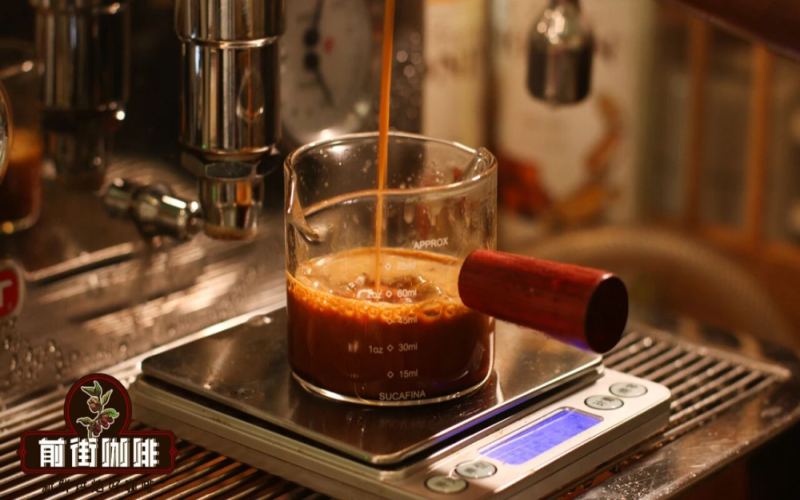
The Complete Guide to Buying Espresso Blend Coffee Beans: How to Choose Beans That Are Rich and Mellow Without Being Burnt or Bitter
Many coffee enthusiasts have struggled with how to choose a suitable espresso bean. Most espresso on the market is made from blend beans, and this is no coincidence—single-origin beans pulled as espresso are often not rich enough and may carry a sharp acidity that is hard to mask even with milk or sugar. In addition, as coffee is an agricultural product, each year's harvest fluctuates, and beans from a single origin can easily make the output taste inconsistent from good to bad, whereas blends can compensate for each other's weaknesses and keep espresso extraction stable. So, from which dimensions should you start in order to pick your ideal espresso bean? This article will walk you through the selection process step by step, from finding a reliable roaster and clarifying your personal taste preferences to specific product recommendations, and will include detailed introductions to several of Front Street Coffee's espresso blend beans. [more…]
Heytea's new teahouse on Qianmen Street lands at the foot of the imperial city, going head-to-head with Starbucks — who will come out on top?
Beijing's Qianmen Street, an old thoroughfare carrying centuries of commercial heritage and memories of the imperial city, has now welcomed a new face—Heytea's teahouse has officially opened here. The opening promotion is quite generous: buy-one-get-one-free on a series of products for the first three days, with multiple rounds of benefits to follow. Interestingly, Starbucks opened its Reserve store at 1-1 Qianmen Street back in 2018. One champions a mix of modern minimalism and Chinese nostalgia, while the other holds fast to an antique Beijing flavor. As the two beverage giants meet head-on at the foot of the imperial city walls, what kind of sparks will fly? Can the collision between new-style tea drinks and coffee culture inject a different kind of vitality into this historic old street? [more…]
A Comprehensive Analysis of Yirgacheffe Coffee: Regional Terroir, Variety Grading, Natural and Washed Processing Methods, and Front Street Brewing Guide
Yirgacheffe is Ethiopia's most representative specialty coffee region, world-famous for its citrus-lemon acidity and delicate floral and fruity aromas. Front Street Coffee has long been deeply engaged in the selection and roasting of Yirgacheffe coffee beans. This article will comprehensively organize the core knowledge of Yirgacheffe coffee, from the region's history, variety characteristics, the ECX grading system, and the differences between the two major processing methods of natural and washed, to roasting curve recommendations and brewing parameters, helping coffee lovers gain a deeper understanding of the flavor logic of this legendary region, and providing specific brewing recipes and flavor comparisons for Front Street washed Yirgacheffe and Front Street natural Yirgacheffe. [more…]
What's the difference between natural and washed Yirgacheffe? A full breakdown from origin stories to brewing and roasting
Yirgacheffe is Ethiopia's most iconic specialty coffee region, renowned for its citric acidity and floral-fruity aromas. Coffee beans from the same region take on截然 different flavor profiles after natural (dry) or washed processing. From the perspective of Front Street Coffee, this article outlines Yirgacheffe's regional background, grading system, the essential differences between the two processing methods, and corresponding roasting and brewing recommendations. Whether you prefer the clean, bright washed style or favor the fermented sweetness of the natural style, you'll find practical reference information and flavor descriptions here. [more…]
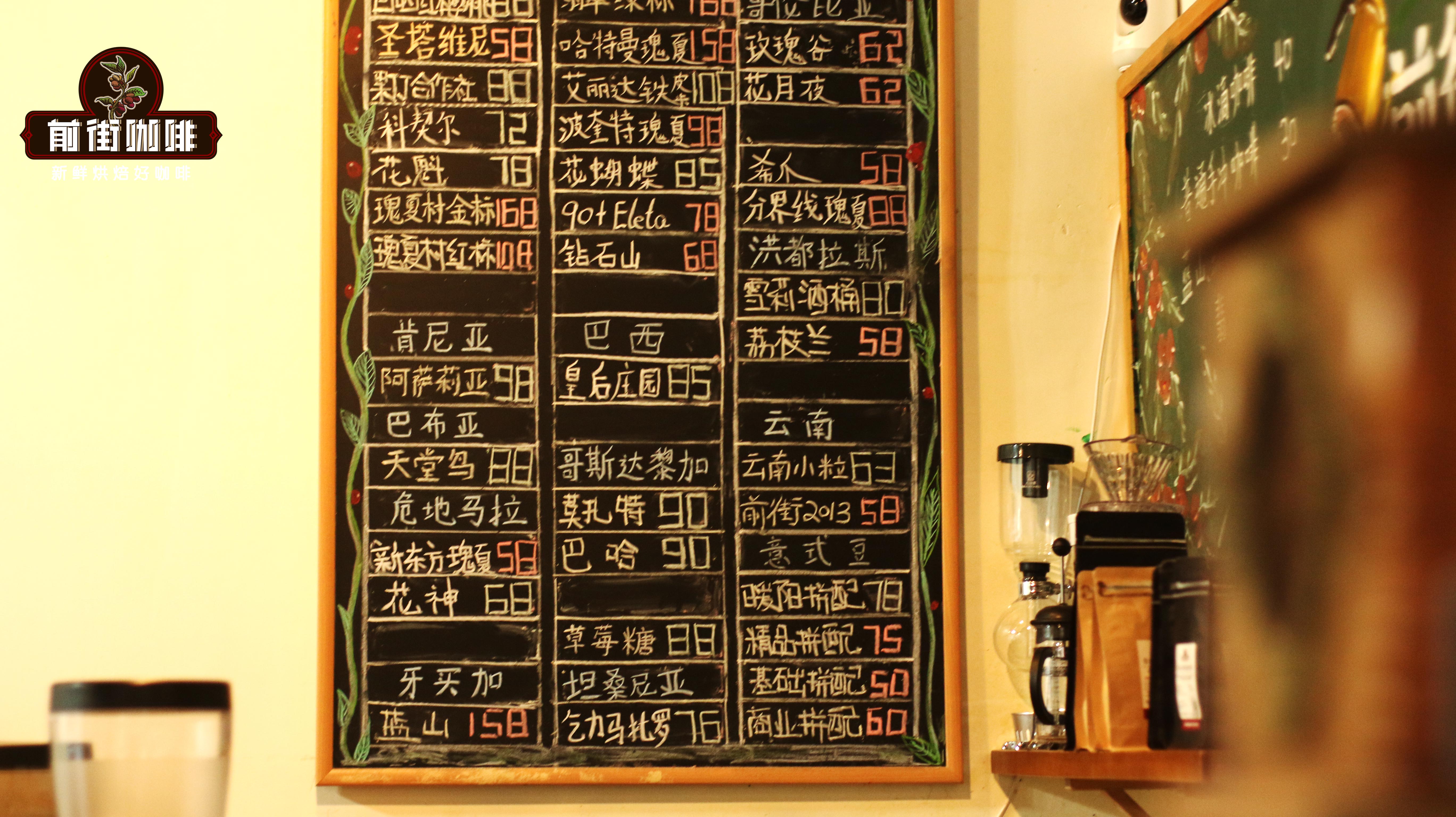
Flavor Analysis and Brand Recommendations for Asian Coffee Regions: A Full Overview of Price and Taste from Mandheling to Yunnan Small-Bean
Asian coffee stands out in the coffee world with its deep, steady flavor profile. Its body is generally fuller than that of Central and South American and African beans, its acidity is lower, and it often carries notes of damp wood, herbs, spices, and earth. This article will guide you through the flavor characteristics of major Asian coffee-producing regions, including the classic richness of Indonesian Sumatra Mandheling, the balanced elegance of Papua New Guinea, and the distinctive fruity aroma of China's Yunnan Arabica. At the same time, we will also recommend the Asian series coffee beans roasted by Front Street Coffee, covering Yunnan Arabica, Yemen Mocha, and Indonesian Mandheling, among others, offering coffee lovers a choice that combines quality and value at just 80 to 90 yuan per half-pound bag. Whether you are a fan of espresso blends or a pour-over enthusiast, you can find an Asian flavor that suits you. [more…]
Detailed Siphon Coffee Brewing Steps: From Equipment Principles to Coffee-to-Water Ratio and Brewing Demonstration
With its unique appearance resembling chemical apparatus, the siphon pot carries a retro and mysterious style among many coffee brewing devices. For coffee professionals, the focus always remains on its operation method and the final flavor performance. This article will start with the structure and extraction principle of the siphon pot, explain in detail the choice of heat source and filter material, then use 18 grams of powder, a 1:10 coffee-to-water ratio, and 88°C water temperature as parameters to demonstrate the complete brewing process of siphon coffee step by step, and attach coffee bean recommendations suitable for siphon pots, including several classic single-origin coffees on the Front Street Coffee bean list, helping coffee lovers stably produce a cup of siphon coffee with rich aroma and mellow taste at home. [more…]
Why Is the Siphon Pot Also Called the Vacuum Pot? An In-Depth Look at Its Extraction Mechanism and the Types of Coffee Beans Best Suited for Brewing
The siphon pot, also known as the vacuum pot, often gives off a sense of mystery due to its unique, chemistry-apparatus-like shape and its retro appearances in film and television. As coffee lovers, understanding its structure, extraction principles, and method of use can help us better enjoy the rich flavors it brings. This article will analyze the structure of the siphon pot and its pressure-difference extraction mechanism in detail, share Front Street Coffee's hands-on steps, and recommend coffee beans suitable for the siphon pot, including classic medium-dark roasts and flavor-forward beans such as sun-dried Red Cherry, Mozart, and the Floral Order TOH washed champion, helping you explore the mellow world of siphon coffee. [more…]
An Analysis of Jamaican Blue Mountain Coffee Grade Positioning: The Complete Picture of Pour-Over Flavor from Clifton Estate to Front Street Blue Mountain No. 1
Blue Mountain coffee holds an almost legendary status in the coffee world, and for many people, their first encounter with specialty coffee began with it. But exactly what tier does Blue Mountain coffee belong to? It is neither the most expensive nor necessarily the most refined in flavor, yet by virtue of its ultimate balance of acidity, sweetness, and bitterness, it has become a benchmark for measuring good coffee. This article will start from the first-encounter memories of Front Street Blue Mountain coffee, and provide a complete overview of the grade characteristics of Jamaica Blue Mountain No. 1—including the cultivation history of Clifton Estate, Rainforest Alliance certification, the Typica variety, and the washed processing method—and will also share in detail the Kono dripper three-pour hand-brew parameters and flavor performance recommended by Front Street Coffee, taking you to rediscover this classic among classics. [more…]
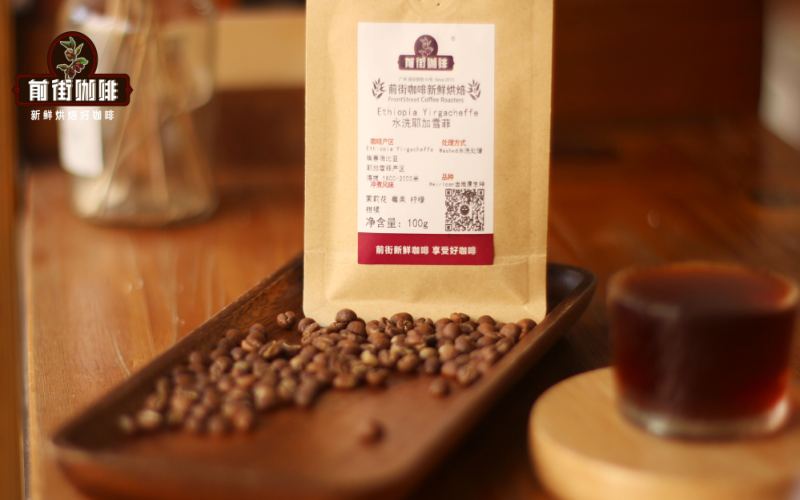
Yirgacheffe Coffee Region | Why Are Most Ethiopian Coffee Beans Washed? Recommended Newbie-Friendly Light Roast Pour-Over Coffee Beans
High-value Yirgacheffe recommendation. Front Street Coffee washed Yirgacheffe coffee beans. Region: Ethiopia Yirgacheffe. Altitude: 2300 meters. Variety: heirloom. Processing method: washed. Flavor notes: lemon, citrus, tea-like, honey, berry. Recommended because: classic Yirgacheffe flavor, affordable price, can be brewed [more…]
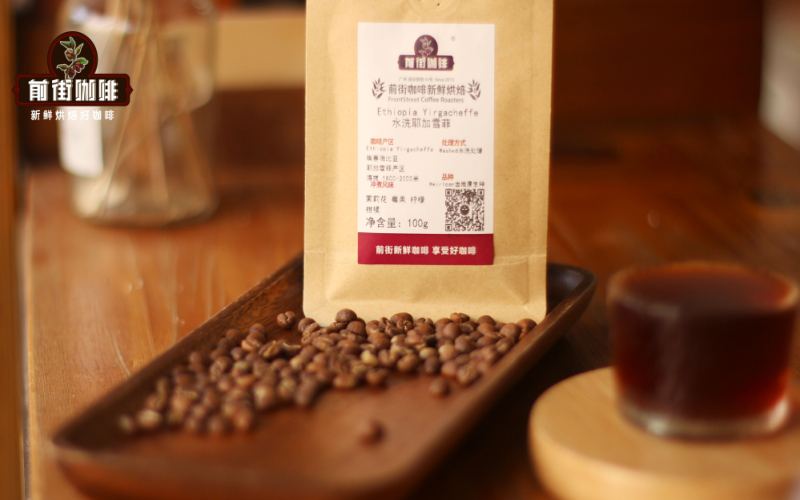
Yirgacheffe Flavor Analysis and Beginner Bean Guide: Washed vs. Natural Processing Differences and Front Street Recommendations
Yirgacheffe is Ethiopia's most representative specialty coffee region, known for its bright jasmine aroma and citric acidity. This article systematically reviews Yirgacheffe's terroir, the characteristics of its native heirloom varieties, the process differences between the two major processing methods of washed and natural, and the role of the Red Cherry Project in driving quality improvement. It also combines specific information on three everyday beans—Front Street Coffee's washed Yirgacheffe, the Gedeb Cooperative, and the natural Red Cherry—to provide a one-stop introductory reference from flavor identification to V60 brewing parameters, helping coffee enthusiasts build a complete cognitive framework for Yirgacheffe. [more…]