







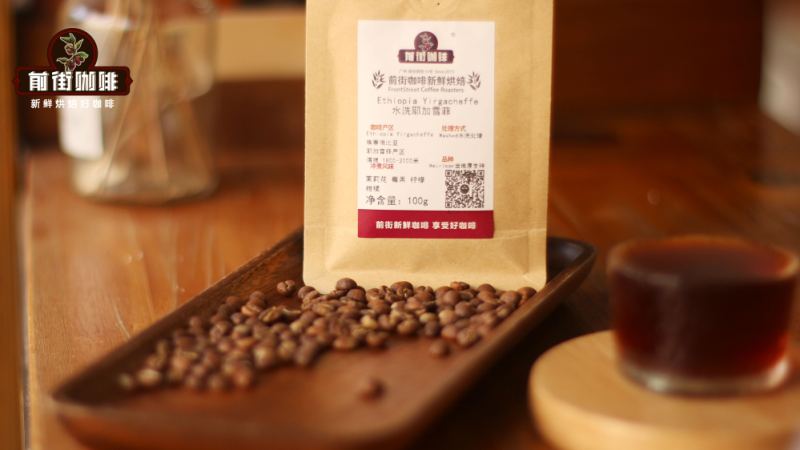
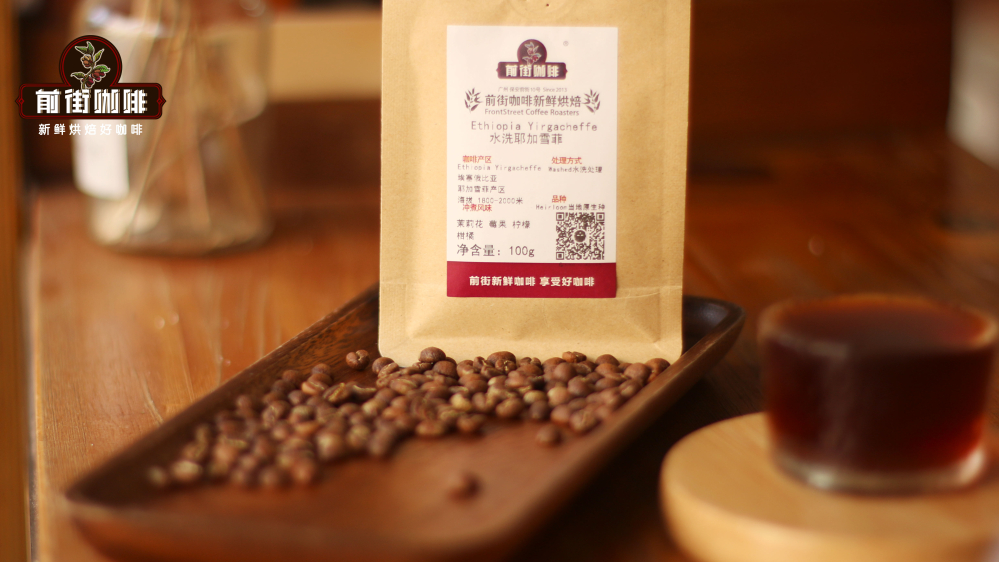
Highly cost-effective Yirgacheffe recommendation. Front Street washed Yirgacheffe coffee beans
Region: Ethiopia Yirgacheffe
Altitude: 2300 meters
Variety: Heirloom
Processing method: Washed
Flavor notes: Lemon, citrus, tea-like, honey, berries
Reason for recommendation: Classic Yirgacheffe flavor, affordable price, can serve as a daily staple
Yirgacheffeis one of Ethiopia's most famous specialty coffee regions, and its washed Yirgacheffe coffee is the gateway bean for many people entering the world of specialty coffee. Of course, if you askwhat Yirgacheffe coffee tastes like, you'll certainly think of that bright, fresh jasmine aroma and citric acidity that linger endlessly. For those who love floral and fruity tea-like flavors, Front Street's staple washed Yirgacheffe has always been a favorite!
Yirgacheffe Coffee Region
Ethiopia is the birthplace of coffee, and the flavors across its coffee regions are distinct, making it a treasure trove of coffee that invites endless exploration.Yirgacheffecoffee region's flavors are so captivating, and this has a lot to do with its climate.Yirgacheffeis a small town in Ethiopia, part of the Sidama region, but due to its excellent quality, it has been subdivided into its own micro-production area. At an altitude of 1700-2100 meters, it is one of the highest coffee-growing regions in the world and synonymous with Ethiopian specialty coffee. Lake Turkana, Lake Abaya, and Lake Chamo bring abundant moisture to the area. In the Great Rift Valley, represented by the Misty Valley, fog lingers year-round, spring prevails in all seasons, gentle breezes blow, and the climate is cool and humid. Thousands of coffee varieties thrive here, and Front Street believes it is precisely this environment that gives birth toYirgacheffe's uniquely elusive flavor, where floral and fruity notes intertwine ambiguously and transform unpredictably.

Yirgacheffe coffeeis considered one of the best coffees in the world. Nearly every household locally grows coffee beans. There are relatively few large plantations here; farmers typically grow coffee mixed with other crops in their gardens or yards, ensuring stable year-round income—truly garden coffee. Since each household's coffee output is small, harvested coffee cherries are packed and sent to the town's cooperative for centralized processing, and subsequently sold under the cooperative's name. The Yirgacheffe region established theYirgacheffe CoffeeFarmers' Cooperative Union (YCFCU) in June 2002, with 28 member cooperatives. A cooperative is roughly the size of a village, and farmers can deliver their harvested coffee cherries to the nearest cooperative for green bean processing. After the harvest season, coffee cherries are sold to the cooperative for processing, so the coffee origin information generally refers to the name of the processing cooperative.

Yirgacheffehas three small sub-regions nearby—Wenago, Kochere, and Gelena Abaya—whose coffee flavors are similar to Yirgacheffe, so Kochere is also classified underYirgacheffein the regional classification.
YirgacheffeRed Cherry Project
What is the Red Cherry Project? In order to improve the income of local Ethiopian farmers and coffee quality, Dutch trading company Trabocca BV launched the "Operation Cherry Red Project" in 2007, mainly targeting high-altitude regions such as Ethiopia's Yirgacheffe to improve washed, semi-washed, and natural processing techniques, with professional cuppers joining in. During harvest season, different coffee harvest volumes are designated for different micro-climate zones, and only 100% ripe red coffee cherries may be harvested, with yields of approximately 1500-3000 KG. Trabocca's financial loan support, new hardware equipment, and production knowledge and technology have greatly improved the coffee bean quality of the Yirgacheffe region and even the entire country of Ethiopia. Correspondingly, the coffee commands a higher price, thereby increasing farmers' income. For example, Front Street Coffee's natural Yirgacheffe Red Cherry coffee is very popular!
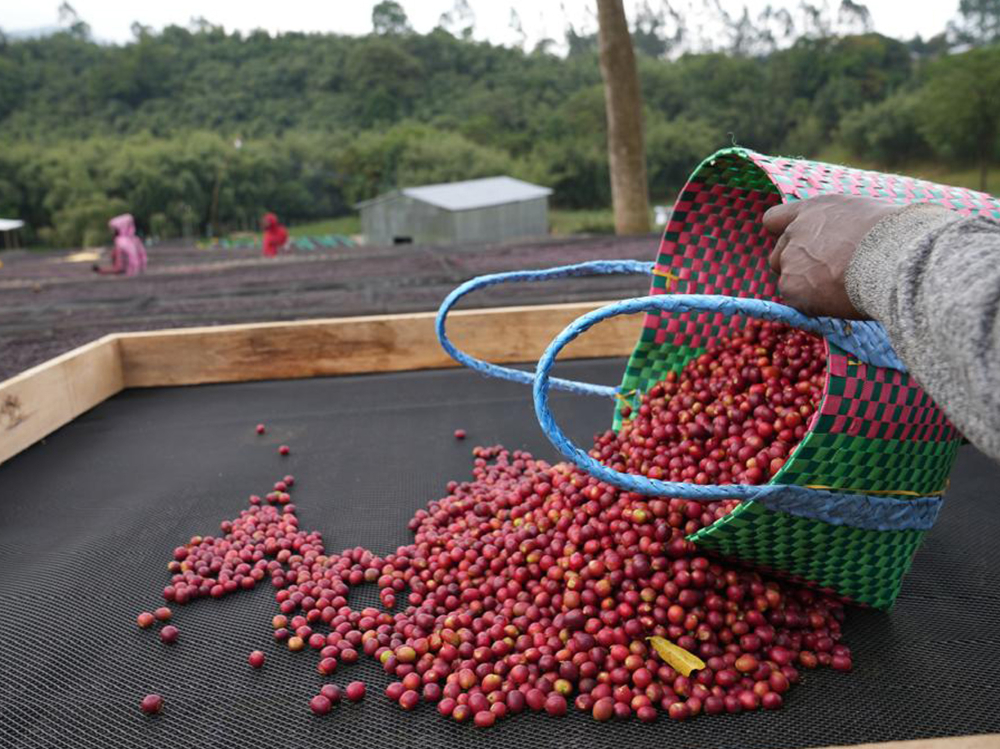
Yirgacheffe Coffee Varieties
Observant friends will notice thatYirgacheffe coffee beansare small in size yet elegant and sweet. As the homeland of coffee, Ethiopia's millennia of cultivation history and processing tradition have produced exceptional washed Arabica beans. Ethiopia is the birthplace of coffee, with a vast number of coffee varieties—to date, nearly 2000 varieties have been recorded in Ethiopia (of which 1927 are native varieties and 128 are introduced varieties). On one hand, identification and classification are difficult; on the other hand, the Ethiopian government, for preservation reasons, is unwilling to disclose information about these varieties. Therefore, the varieties of Ethiopian coffee beans commonly found on the market are all called Heirloom, meaning "local native varieties."

Yirgacheffe Coffee BeansProcessing Methods
Generally speaking, Yirgacheffe coffee can be broadly divided into two types: washed and natural. In 1972, Ethiopia introduced washing techniques from Central and South America to improve coffee quality, and Yirgacheffe, being Ethiopia's most water-rich region, made this processing method render Yirgacheffe's jasmine and citrus notes even clearer and more translucent. It is precisely because of this that Yirgacheffe vaulted to become a representative of the world's specialty coffee. After the 1970s, this region was dominated by washed processing, becoming Ethiopia's most vibrant washed bean producing area.

However, by the 21st century, natural processing techniques gradually improved, frequently producing stunning natural beans. This is thanks to Yirgacheffe coffee trader Bagersh, who, nostalgic for traditional natural bean flavors and unwilling to see natural techniques gradually replaced by washing, improved the natural processing method to enhance flavor and reduce defect rates.

Washed Yirgacheffe — Recommended coffee beans: Front Street Gudingding Cooperative

Front Street Gudingding Cooperative Coffee Beans
Region: Yirgacheffe growing region
Altitude: 1900-2000m
Processing method: Washed
Variety: Heirloom
Flavor: Jasmine Citrus Berries Tea-like
1. First, the coffee farmers pour all harvested coffee cherries into water. Defective coffee beans will float to the surface, while those that sink to the bottom are quality coffee cherries. This operation also greatly reduces the time wasted on picking beans one by one.
2. The selected coffee cherries are placed into a depulper to remove the skin and pulp. After removal, a layer of mucilage remains attached to the surface of the coffee cherries, so a large amount of clean water is used to wash the sticky residue off the surface of the coffee cherries.
3. Next, fermentation is used to completely remove the mucilage. This process takes about 18 hours. However, after fermentation is complete, fermentation bacteria remain attached to the surface of the coffee cherries, so another round of washing with a large amount of clean water is needed. For this step, producing 1 kilogram of coffee beans requires 40 to 50 kilograms of clean water. Front Street considers this a very large number, which is precisely why arid countries cannot adopt washed processing.
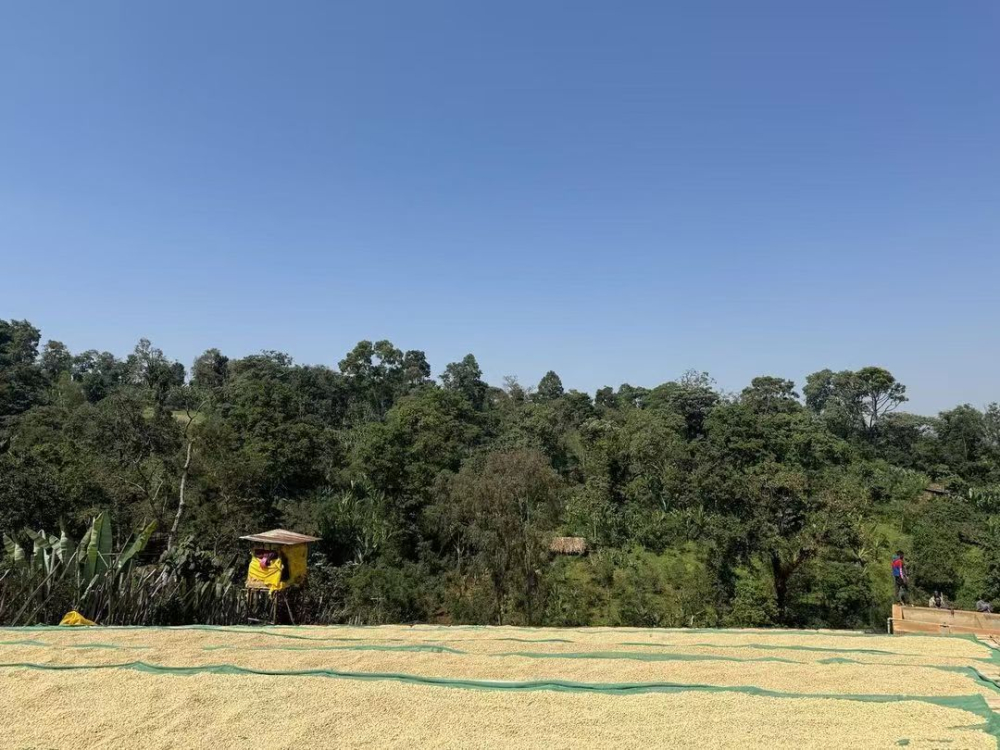
4. The cleaned coffee beans can then be dried. Some regions dry them directly outdoors in the sun, while more developed producing areas send them to processing plants for machine drying, reducing the coffee's moisture content to about 11%.
5. Finally, the dried coffee beans are stored and packaged for sale and export.
Natural Processing Yirgacheffe — Recommended coffee beans: Front Street Natural Red Cherry

Front Street Red Cherry Coffee Beans
Region: Yirgacheffe Aricha Processing Station
Altitude: 2300m
Variety: Ethiopian Heirloom
Processing method: Natural
Flavor: Citrus, berries, fruity fermentation, honey, creamy mouthfeel
After the Red Cherry Project was launched, Trabocca invested in new natural drying racks and shade nets for Yirgacheffe and other regions in 2008-2009. Combined with harvesting only fully ripe, plump cherries and manually turning them in shifts throughout the day, the goal is to dry the coffee cherries evenly until the green beans reach a moisture content of 11-12%, at which point they are hulled, packaged, and stored.
1. The first step is to harvest ripe coffee cherries, then manually sort through them to pick out defective, overripe, or insect-damaged coffee cherries, keeping only the good beans. This is largely why the coffee beans at Front Street have a relatively uniform and attractive appearance.
2. The manually sorted good cherries are sent to drying facilities for drying. Of course, different coffee regions use different drying racks—some use tarps, raised beds, or concrete floors. The drying time averages 27-30 days, until the coffee's moisture content drops to 11% to complete the drying process.
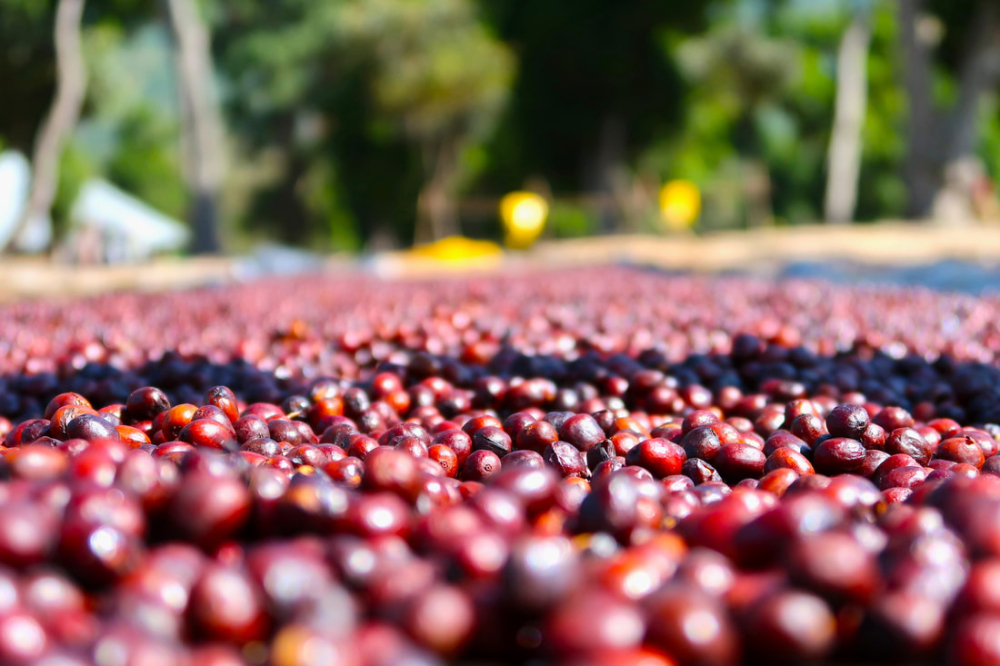
3. This step is also quite critical. After drying is complete, the coffee cherries are sent to a specialized processing plant for depulping and hulling, and may even be polished, so that the pulp and other parts of the coffee cherry are removed, yielding what we truly recognize as common coffee beans.
4. After hulling, the green coffee beans undergo another round of sorting to remove beans with poor appearance. This is because over-dried coffee beans are more fragile and get shattered during hulling, while under-dried coffee beans contain too much moisture—if moisture is too active, it can cause bacteria to grow and mold to develop. Therefore, they must be sorted again before being sent to the warehouse for storage and packaged for export.
Regarding Yirgacheffe coffee bean processing methods, the most fundamental difference between washed and natural is that washed processing presents the most basic flavor of the coffee, most directly reflecting the region's distinctive flavors, while natural processing adds sweet aromatics and fermented notes on top of that base flavor.

Front Street chose: V60 dripper, utilizing the V60's even flow rate characteristic to better highlight the layers of coffee flavor. Water temperature 91-93°C, using a higher water temperature to extract the coffee's aromatic compounds. Water-to-coffee ratio 1:15, coffee dose 15g, grind size (80% passing through China standard No. 20 sieve).

Using staged extraction, bloom with 2 times the coffee dose in water—that is, 30 grams of water for a 30-second bloom. The reason for the blooming process is to allow the coffee grounds to release internal carbon dioxide gas, making the subsequent extraction more stable. Pour in a slow circular motion until 125 grams, then pause, continue pouring until 225 grams and stop. After the water in the dripper has fully drained, remove the dripper. Timing from the start of pouring, the extraction time is 2'00". Next, pick up the entire cup of coffee and swirl to mix evenly, then pour into a cup for tasting.

Front StreetWashedYirgacheffe Gudingding Coffee Flavor: Rich fruity flavor, fresh jasmine aroma, berries, citric acidity, pineapple, apple, smooth mouthfeel, clean, with a long finish.
Front Street NaturalYirgacheffeRed Cherry CoffeeFlavor: Berries, lemon, strawberry, abundant fermented wine aroma, rich sweetness with fermented notes.
The above content is compiled by CoffeeHunters, a coffee news website.


