







Search Results for: netizens complain
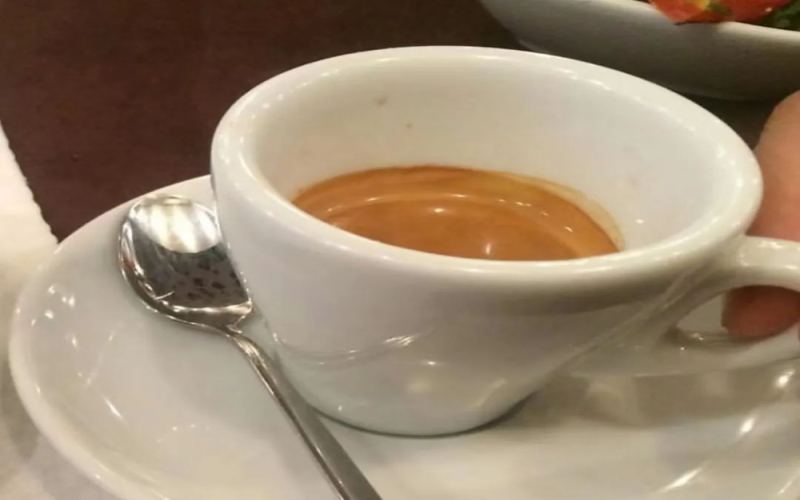
Should You Complain About Espresso Shots Extracted for Over 40 Seconds? Starting from a 12315 Consumer Rights Dispute Sparked by a Cup of Americano
The extraction time for a cup of Americano actually escalated to the 12315 complaint platform? Recently, a netizen ordered an Americano at a coffee shop in Shenzhen and believed that the barista's extraction time exceeded 90 seconds, far beyond the 40-second standard in their understanding, so they demanded a refund and complained to 12315, also requesting that the merchant remove the product from sale. This incident sparked heated discussion in the coffee community: Is there any hard-and-fast rule for the extraction time of espresso? Is it reasonable for consumers to complain about a shop based on their personal standards? This article will recount the incident, sort out the industry reference range for espresso extraction time, and explore the boundary between consumer rights protection and product standards. [more…]
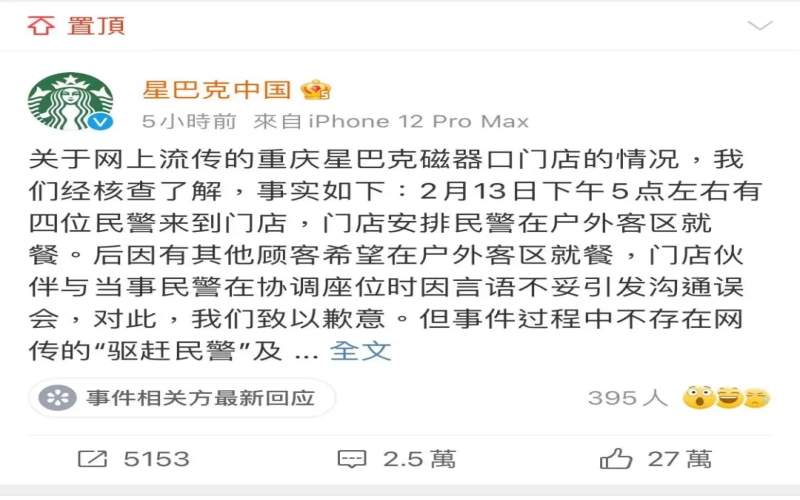
Starbucks apologizes over police dining controversy, says it was a communication misunderstanding and no one was driven away or complained about; netizens still skeptical.
Recently, news that police officers in Chongqing's Ciqikou Ancient Town were asked to leave while eating at the entrance of a Starbucks spread rapidly on social media, sparking widespread attention and trending on Weibo. Starbucks China later responded that the incident was a misunderstanding caused by inappropriate remarks during seat coordination, denying that it had asked the officers to leave or filed a complaint against them. However, this apology did not quell netizens' doubts, and related discussions continued to intensify. Meanwhile, reports said Starbucks customer service stated that if the incident was verified, the employees involved would be disciplined, and the local management committee had also intervened in the investigation. The incident also reminded people of a similar case involving Starbucks in the United States in 2019. As coffee lovers, we cannot help but wonder: how should cafes and community law enforcement officers coexist harmoniously? Front Street Coffee has always advocated the concept of community friendliness, paying attention to the warmth behind every cup of coffee. [more…]
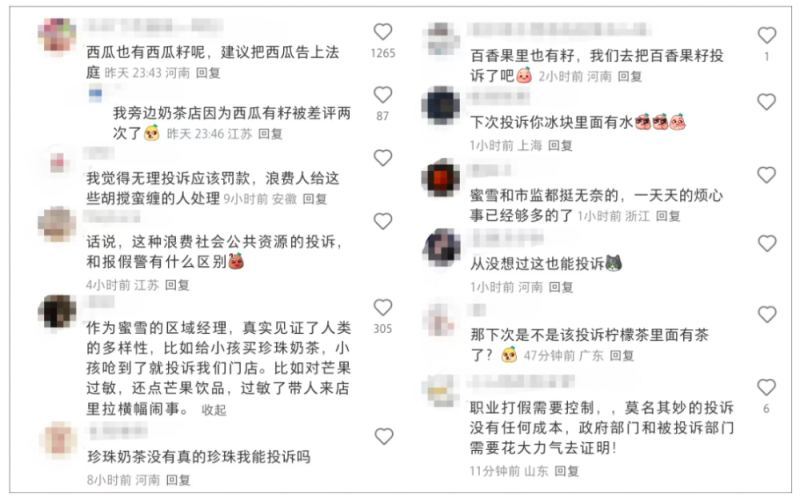
Mixue Ice Cream & Tea was complained about its lemonade containing seeds; after market regulators visited and investigated, they responded: it does not involve food safety.
A single lemon seed in a cup of iced fresh lemonade actually prompted a market regulation inspection? Recently, a netizen in Hefei, Anhui, captured footage of a Mixue Ice Cream & Tea store being inspected by market regulation staff, triggered by a consumer complaint that the drink tasted bitter and had lemon seeds left in the cup. The incident sparked widespread discussion online, with some finding the complaint absurd and others believing a consumer would not make such a fuss over a mere lemon seed. The Mixue store responded that freshly cut lemon slices containing seeds is normal and that their presence in the drink was not due to employee misconduct. Market regulation staff confirmed they had inspected the store and made clear that the lemon seed issue does not involve food safety. This seemingly trivial customer complaint reflects the various bizarre complaints the tea beverage industry faces daily and has also sparked discussion about standardized procedures for freshly cut fruit drinks. [more…]

Caffeine content of Bawang Chaji's new "Qingshan Qigu" drink tested; netizens complain they couldn't sleep all night after drinking it.
CHAGEE recently launched its winter new product "Qingshan Qigu" across its nationwide stores, featuring Wanxi yellow large-leaf tea paired with brown rice buckwheat and milk. The official description highlights its rich aroma of scorched rice and roasted rice. However, after this new product hit the market, consumer feedback has been sharply polarized—aside from disputes over the flavor, a large number of netizens have complained on social media about being unable to sleep all night after drinking it, with the number of insomnia posts even far exceeding taste reviews. According to the brand's published nutritional information, the product contains approximately 24.9mg/100ml of caffeine, which translates to about 144.4mg of caffeine in a large 580ml cup. Is it the caffeine at work or individual differences? This article takes you to find out. [more…]
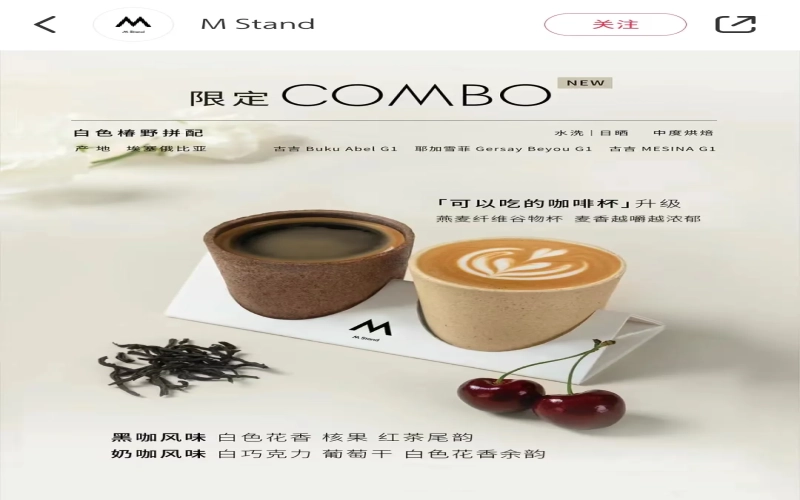
M Stand launches an edible cup Combo set: the one-bean-two-ways concept is full of creativity, yet netizens complain the cup itself is hard to gnaw through
M Stand once went viral online with an oat cookie latte that you can eat together with the cup. Now the brand has innovated further on this basis, launching a limited-edition Combo paired with a medium-roast Ethiopian blend bean, achieving two drinks from one bean. The black-and-white edible cups respectively hold a hot americano and a hot latte. The cup bodies are made from oat fiber grain, with the white cup being original flavor and the black cup cocoa flavor. However, this new product, which must be enjoyed on-site and cannot be delivered, has sparked polarized reviews on social platforms—beyond the coffee's taste drawing attention, the texture of the oat cup itself has become a hot topic of discussion. Many netizens complain that it is dry and hard like paper, difficult to swallow, and some even had their mouths cut. [more…]

Luckin baristas collectively complain: behind the Xiaohongshu ordering guides are ice counts, no-sugar-no-milk requests, and bizarre notes
Recently, Luckin's iced drinks have been under continuous scrutiny due to issues of too much ice and shrinking portions after removing ice. Many consumers have started sharing "high cost-performance ordering strategies" on platforms like Xiaohongshu, from specifying the amount of ice to requesting less milk and less sugar, no sugar and no milk, and even asking for cilantro in their lattes. These seemingly meticulous notes have left café baristas complaining bitterly: counting ice cubes slows down service, removing flavored syrups ruins the taste, and requests to remove ice from frappuccinos are even more absurd. This article compiles genuine complaints from frontline baristas and also reminds consumers that seemingly troublesome requests aimed at brands often end up pressuring frontline workers. [more…]
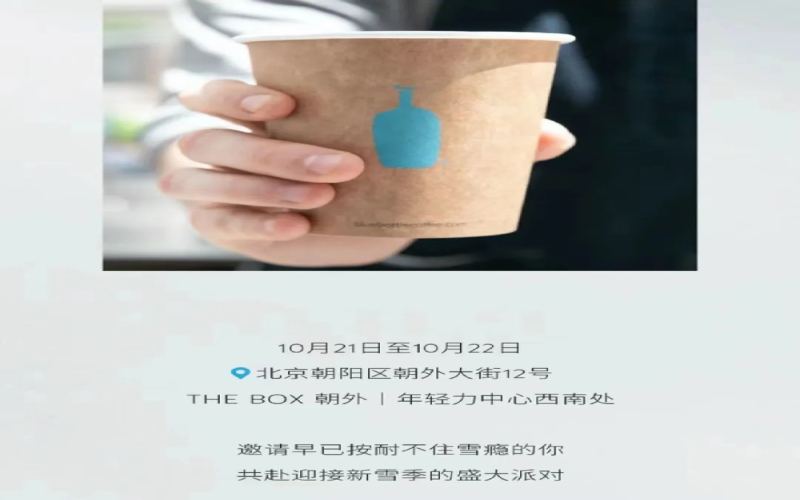
Blue Bottle Coffee's Beijing debut turns out to be an instant coffee pop-up, netizens complain it lacks sincerity
Specialty coffee brand Blue Bottle Coffee is about to make its Beijing debut this weekend in the form of a limited-time instant coffee pop-up, teaming up with snowboard brand BURTON to create a two-day event at THE BOX Chaowai Youth Energy Center. However, this foray into Beijing is not a freshly ground coffee store, but rather a push centered on instant products, prompting a collective backlash from Beijing netizens who say it lacks sincerity. Since its founding in 2002, Blue Bottle Coffee has expanded slowly in mainland China, currently operating only 5 stores in Shanghai, and although it has registered a company for a formal Beijing store, it has yet to actually open one. This article will review Blue Bottle Coffee's Beijing move, netizens' reactions, and the brand's development history in China. [more…]
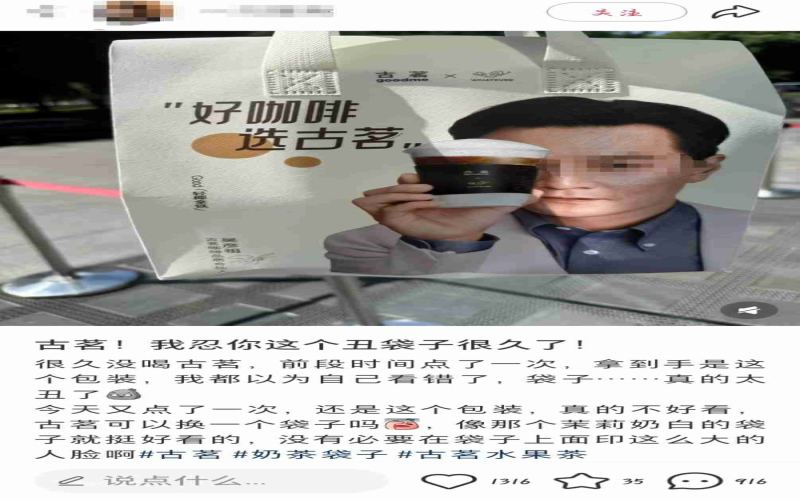
Guming's Wu Yanzu co-branded packaging bag sparks controversy: Consumers complain the design looks like health supplement packaging, brand responds feedback has been noted
After collaborating with actor Daniel Wu to promote coffee products in late June, Guming Tea recently rolled out packaging bags featuring his image at stores nationwide, which unexpectedly sparked widespread dissatisfaction among consumers. Many customers complained on social media that the bag design was "not aesthetically pleasing" and that the celebrity's portrait was too large, saying carrying it felt like "health supplements for middle-aged and elderly people" or "soaking goji berries," and some even said they wanted to throw it away as soon as they received it. Some netizens argued that although Daniel Wu has high national recognition, he is no longer young and does not fit the positioning of a youthful tea beverage brand; others pointed out that the brand should consider scenarios for secondary use of the packaging. On September 23, Guming staff responded that they had not received related complaints, but would record opinions on the design and spokesperson and pass them on for evaluation. The incident reflects the tension between co-branded packaging and the aesthetics of young consumers. [more…]
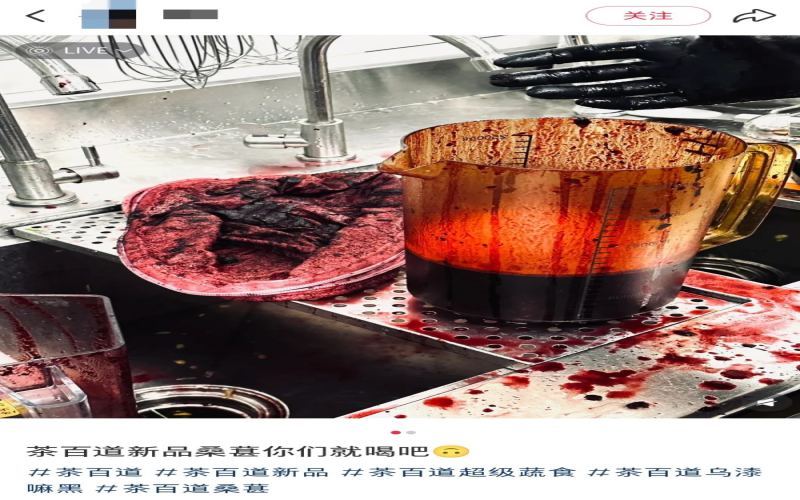
A video of mulberry juicing in the back kitchen of ChaPanda has sparked heated discussion, with employees complaining that the fresh fruit preparation process is like a horror movie scene.
The daily work life of milk tea shop employees has always been a hot topic on social media, but recently a post by a ChaPanda employee unexpectedly went viral because the kitchen scenes were too "creepy." Dark red mulberry juice covered the counter, blender, and filter bags, and combined with the scene of black gloves squeezing the juice, many netizens said it looked like a horror movie. It is understood that these scenes come from ChaPanda's daily operation of freshly squeezing mulberry juice when preparing ingredients for products such as "Wu Qi Ma Hei" and "Triple Berry Goodnight Cup." Because mulberries are high in anthocyanins and have a deep color, the juicing process is not only time-consuming and labor-intensive, but also very likely to stain clothes and the work area. Employees have complained one after another on social media, and even turned these scenes into jokes such as the "ChaPanda Mulberry Man-Eating Incident" to share, triggering a lot of resonance. [more…]
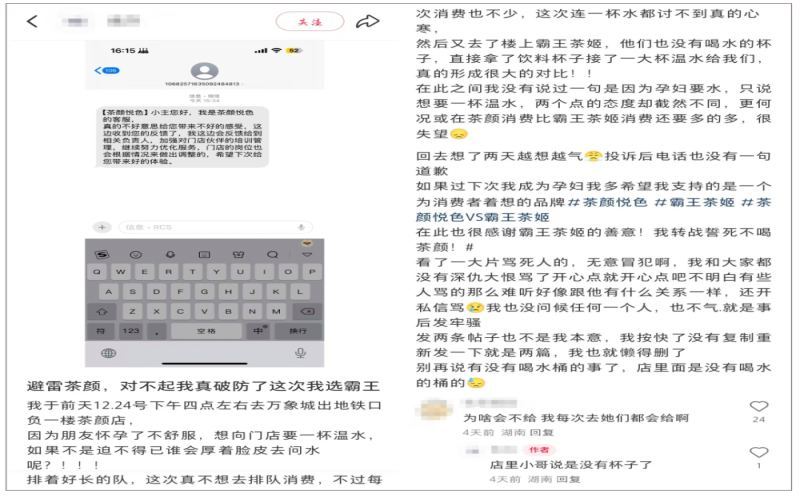
Tea Yan Yue Se Complained by Customer for Not Providing Hot Water, Netizens Hotly Debate the Boundaries of Additional Services at Tea Beverage Shops
Recently, a customer's complaint about Cha Yan Yue Se on social media sparked widespread discussion. The customer, because a pregnant friend was feeling unwell, went to a Cha Yan Yue Se store in a Changsha mall to ask for a cup of warm water, but was told that the store had no cups available and could not provide it. She then went upstairs to CHAGEE, where the staff immediately gave her a large cup of hot water. In this comparison, the poster's feelings about the service of the two brands were completely different. After the post was published, netizens' opinions split into two sides: some believed CHAGEE's service was more humane, while some local Hunan consumers defended Cha Yan Yue Se, pointing out that Cha Yan Yue Se stores keep free drinking water and customer cups available year-round for passersby to take on a self-service basis, and this time it may simply have been that the cups happened to run out. Cha Yan Yue Se employees also came forward to explain that the store has strict rules on the use of paper cups, and using takeaway cups to hold free hot water requires paying out of pocket. In this controversy, who is actually right and who is wrong? Has the additional service of tea beverage shops been taken for granted? Let us look at the full picture of the incident together. [more…]
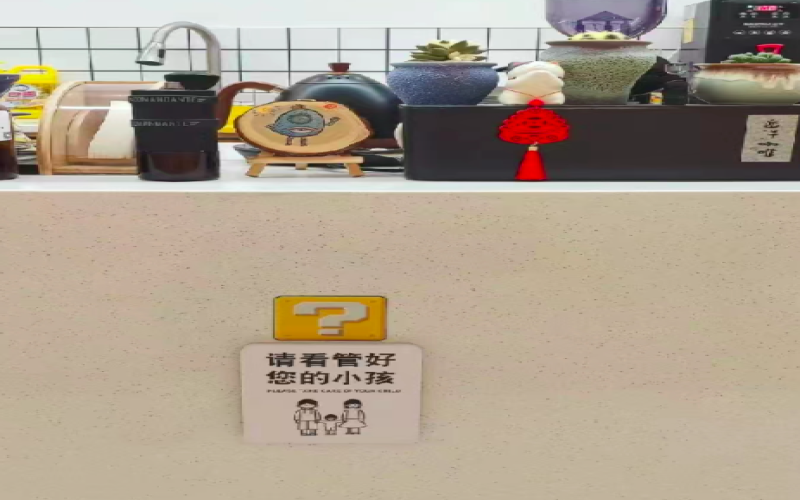
Who should manage noisy children in a café? The owner's silent observation sparks controversy, and a customer who was forced to step in and intervene ended up being complained about.
Coffee shops have always attracted customers with a quiet and comfortable atmosphere, yet when children who come to the shop with their parents make a loud racket inside, how the operator should respond becomes a difficult problem. Recently, a shop owner, not daring to speak up to stop them, let a regular customer step in to intervene on their behalf, and as a result was complained about by the parent, sparking heated discussion online. Many people believe that maintaining the shop environment is the owner's duty to begin with, and that having a customer act as a "mouthpiece" is not appropriate. Is it the parent's failure to discipline, or the owner standing by and doing nothing, that is more dissatisfying? This discussion about order and responsibility in coffee shops is worth deep thought by every industry practitioner and enthusiast. [more…]
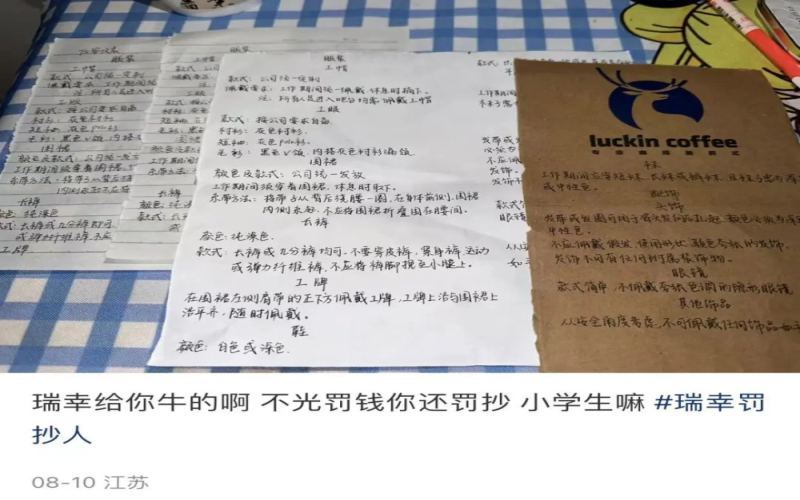
Luckin store fines and forced copying persist despite repeated bans, franchise employees complain: a 3,000 yuan monthly salary deducted 1,000 and still forced to copy five times
Luckin Coffee's store management issues have once again drawn attention. Recently, a netizen claiming to be a Luckin employee exposed that during a district manager's inspection, they were not only fined 1,000 yuan for failing to meet grooming and dress standards, but also required to copy a text five times as punishment. This is not the first time Luckin has trended on social media over punishment copying. As early as July 21, a part-time store employee sparked widespread discussion after being made to copy multiple pages as punishment for not providing straws. Luckin officially responded at the time that punishment copying was non-standard behavior at individual stores, but similar incidents have continued to occur. Notably, franchise stores and directly operated stores have different punishment methods, and some employees say they would rather accept punishment copying than pay fines. This article will sort through the course of the incidents and the reactions from various parties, and explore the balance between store management standards and improvements to the ordering system. [more…]
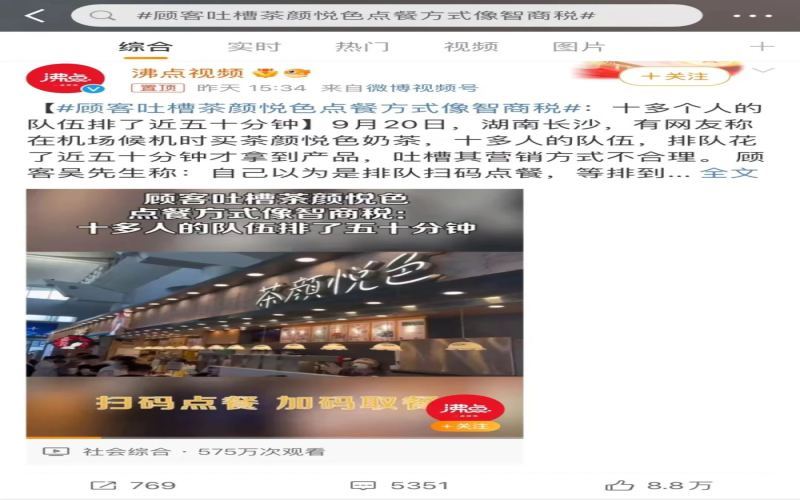
Tea Yanyuese's queueing and ordering rules spark controversy again, official response fails to quell netizens' dissatisfaction
Recently, Chayan Yuese has once again become the center of public attention due to its ordering and pickup rules. Some customers at the Changsha airport store waited nearly fifty minutes before getting their drinks, questioning its cumbersome ordering process and unreasonable marketing methods, which struck a chord with many. In fact, Chayan Yuese has adjusted its ordering rules multiple times, and consumers have kept complaining. Although the company responded officially that the new rules are meant to ensure the texture of the milk foam, netizens were not convinced. This article reviews the course of the incident, the views of various parties, and the brand's response, and explores the logic and controversy behind the queuing phenomenon in the milk tea industry. [more…]

Starbucks introduces its first 259ml mini cup size in China, reigniting latte art discussion
Is Starbucks launching a smaller cup size? Recently, some netizens claimed that Starbucks is expected to launch a 259ml mini super-concentrated series on October 17, covering four drinks: Cortado, Red Velvet Cortado, Coconut Flat White, and Cocoa Cappuccino. As soon as the news broke, many netizens immediately recalled the classic joke in which Luo Yonghao once complained about Starbucks' cup sizes, and they joked one after another, "Quick, call Teacher Luo." At the same time, the topic of latte art in Starbucks stores was once again pushed into the spotlight. Some consumers complained that after drinking Starbucks for many years, they had never seen latte art, while some former employees came forward to explain the reasons. Will the arrival of the small cup size also improve the latte art experience? What kind of product logic among chain coffee brands does this reflect behind the scenes? This article will sort it out for you one by one. [more…]
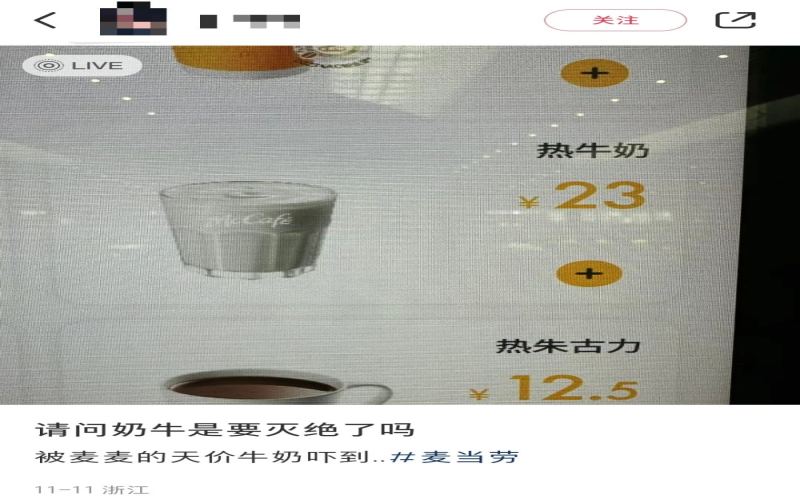
McDonald's hot milk priced at 23 yuan sparks heated discussion, with pricing at high-speed rail station outlets and differences in milk sources becoming the focus
Recently, the topic of a cup of hot milk costing 23 yuan at McDonald's trended on Weibo, jokingly dubbed by netizens as a "milk assassin." The incident originated from a complaint by a netizen on social media on November 11, which subsequently sparked widespread discussion. Some netizens shared experiences of witnessing staff opening low-priced pure milk and heating it for sale in stores, while others believed that pricing in special commercial districts like high-speed rail stations is inherently higher. Upon inquiry, McDonald's official mini-program shows that this milk comes in large, medium, and small cups, priced at 23 yuan, 19 yuan, and 15 yuan respectively, and the milk sources used in stores across different cities also vary. As coffee enthusiasts, we might as well use this incident as a starting point to discuss the pricing logic and milk source choices of chain restaurants. [more…]
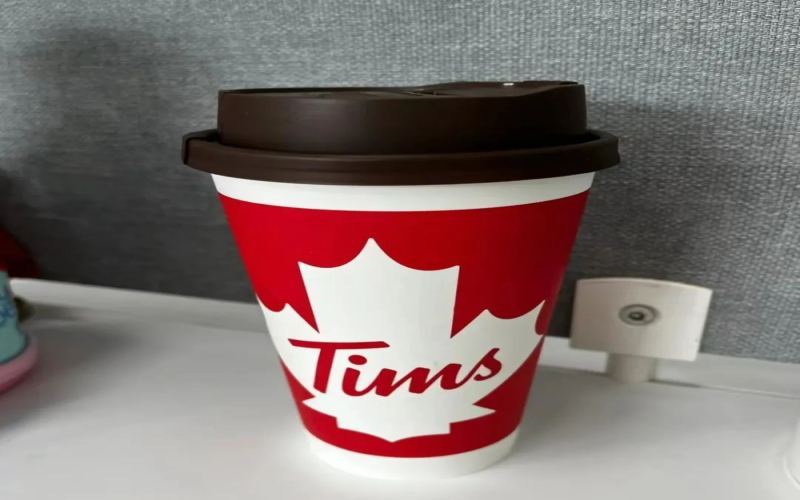
Tims Fresh Brew Coffee hit by customer complaints of excessive coffee grounds at the bottom of the cup; customer service says sediment is normal, sparking heated discussion.
Chain coffee brands each have their own memorable selling points, and Tims China (Tims天好咖啡) has gained popularity with its bagels and Fresh Brew coffee. Fresh Brew coffee is similar to drip pour-over, with less oil and a refreshing taste, favored by many enthusiasts. But recently, some netizens reported that the Fresh Brew coffee they bought at Tims had a large amount of coffee grounds left at the bottom of the cup when they finished drinking it, and customer service responded that "sediment is a normal phenomenon," sparking controversy. Similar complaints are not the first of their kind; as early as last November, consumers had already posted photos complaining about it. A small amount of fine powder sediment in coffee is common, but the amount of grounds visible to the naked eye has already affected the drinking experience. Is it a staff operational error or an equipment malfunction? Will Tims take measures to standardize its products? This article takes you through the whole story. [more…]
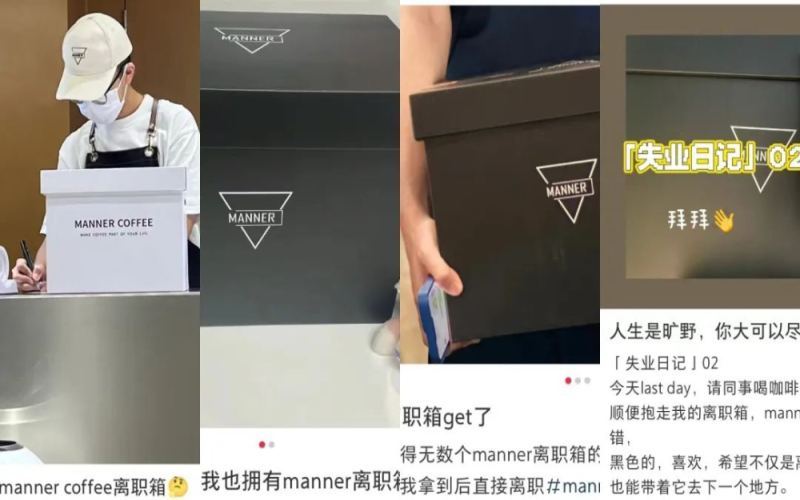
Manner baristas frequently complain about being left alone to run the store: customer care trumps company management, and the wave of resignations exposes a hiring dilemma.
Recently on social media, complaints from Manner baristas have been steadily rising. Many current or former employees have posted that even during promotional rushes, stores are only staffed by one person, making it difficult for baristas to even eat or use the restroom, and some ultimately choose to leave. What is striking is that multiple baristas say the concern from regular customers feels warmer than the company’s rules. At the same time, consumers also frequently encounter the awkward situation of arriving at a store with no staff present and being unable to refund or modify orders. From high-value specialty coffee to rapid, capital-driven expansion, Manner’s staffing gap is gradually coming to the surface. This article compiles complaints from multiple sources to present the dual perspectives of baristas and customers. [more…]
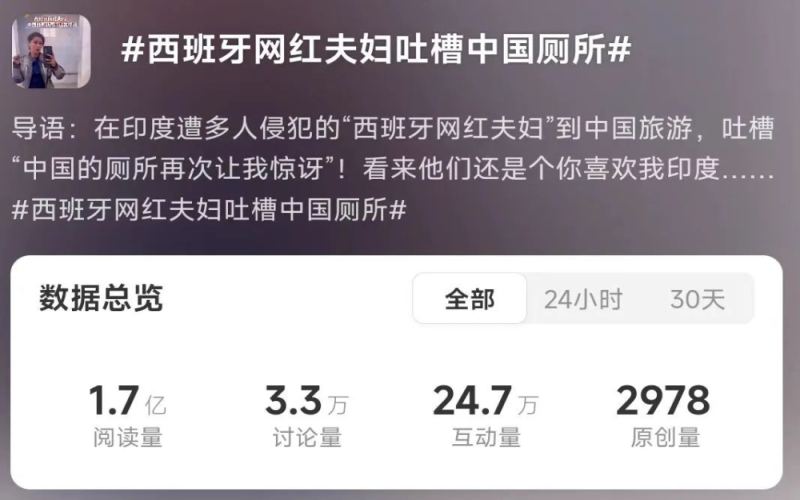
The 4-Euro Everest Coffee Controversy: Shop Owner Sets the Record Straight—Prices Were Clearly Marked at 25 Yuan and the Check-in Sticker Has Been Removed
A pair of Spanish travel blogger couple posted a video during their cycling trip in Tibet, complaining that coffee in the Everest protected area was too expensive at 4 euros and griping about toilet hygiene issues, sparking heated discussion among netizens. Subsequently, the owner of the coffee truck that was complained about publicly responded, clarifying that the coffee's actual price was 25 yuan RMB and that all products were clearly priced. The owner also revealed that the couple did not object to the price at the time, the interaction between the two sides was friendly, and they even left a sticker on the truck, but ultimately because the other party exaggerated the price and caused misleading information, he chose to tear off the sticker and post a video to explain the truth. [more…]
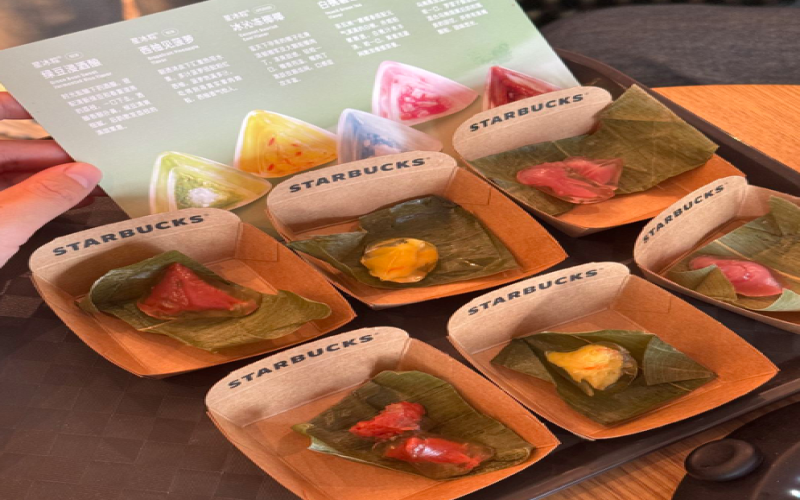
Starbucks Employees Strongly Push Star Zongzi, Causing Displeasure: Why Are Both Customers and Staff Complaining?
As the Dragon Boat Festival approaches, Starbucks' Frappuccino Dumplings have made their return to stores, bringing with them forced sales tasks for employees. Some customers report that even after clearly declining, they are still repeatedly pestered by staff recommendations, which is extremely annoying. On the other hand, Starbucks employees are also full of grievances; facing mandatory sales targets from the company, they have no choice but to use various channels to clear inventory, even paying out of their own pockets. This buying-and-selling game surrounding Frappuccino Dumplings reflects the deep contradiction between brand performance pressure and consumer experience. [more…]
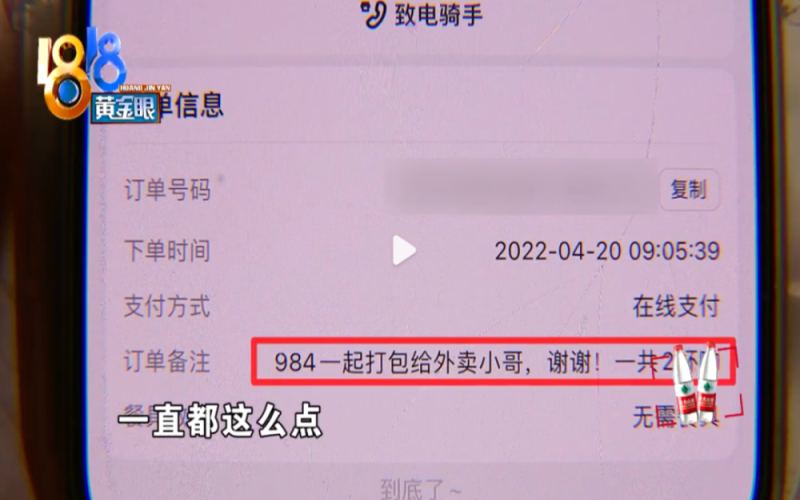
Luckin customers who order from the same store long-term get complained about by staff: Don't always target one store when milking the rewards?
Recently, a consumer in Hangzhou, Ms. Yang, reported to the media that her long-standing habit of ordering from Luckin Coffee had unexpectedly upset an employee at one of its stores, who even publicly complained, "You can't keep milking the same cow for freebies." This seemingly ordinary consumer friction involves multiple issues, including coupon usage, stores' willingness to accept orders, and the allocation of responsibility for delivery. After being reported by 1818 Golden Eye, the incident quickly sparked heated discussion among netizens. Some understood the pressure on employees, while others believed there was nothing wrong with consumers using coupons normally. This article will recount the incident, sort through the views of all parties, and at the same time provide coffee enthusiasts with a professional channel for discussion. [more…]