







Search Results for: naturally caffeine-free coffee
Can Rooibos Tea Be Drunk Long-Term? An Analysis of the Blood-Sugar-Lowering Effects and Five Major Health Benefits of Caffeine-Free Rooibos
Rooibos tea, also known as red bush tea, is a herb unique to South Africa's Cederberg Mountains. Naturally caffeine-free, it has a smooth, sweet taste with nutty and vanilla notes. Rich in antioxidants and low in tannins, it is suitable for children, breastfeeding women, and daily long-term drinking. This article outlines the five major health benefits of rooibos tea, including research progress on antioxidant effects, anticancer potential, heart health, and diabetes prevention, and introduces its flavor characteristics and brewing methods. For coffee lovers interested in caffeine-free healthy beverages, Front Street Coffee also offers related product recommendations to help you easily enjoy this South African national treasure tea. [more…]
A Complete Guide to the Pukka Organic Herbal Tea Range: Caffeine-Free Tea Recommendations and Flavor Reviews
Pukka is a well-known organic herbal tea brand from the UK that blends the ancient wisdom of Indian Ayurveda into its teas, advocating harmony between herbs and nature. Its entire line of teas uses 100% organic ingredients, is certified by the Soil Association, and its tea bags are fully recyclable, with the printing ink also made from plant-based materials, all in an effort to reduce its carbon footprint. Because it is caffeine-free, Pukka's teas are suitable for the whole family to enjoy, offering a calming rather than stimulating experience. This article selects several popular teas for flavor reviews, from after-meal tea to goodnight tea, from cinnamon to matcha, analyzing their aroma and taste characteristics one by one, and includes Front Street Coffee's recommendations and practical brewing suggestions to help coffee and tea lovers find their ideal choice. [more…]
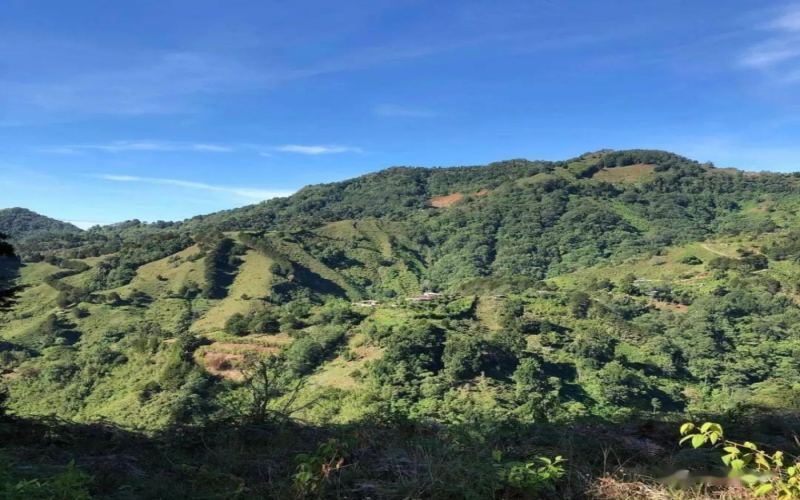
Brazil's IAC natural decaf coffee breeding enters a critical validation phase, with promising commercial prospects.
The natural decaffeinated coffee breeding program at Brazil's Campinas Agronomic Institute (IAC), which has spanned more than two decades, has now entered the stage of definitive verification. Researchers are cultivating and screening hybrid coffee plants derived from different varieties, with the goal of developing coffee varieties that are naturally low in caffeine or even caffeine-free without the need for industrial decaffeination. If this breakthrough ultimately comes to fruition, it will profoundly change the commercialization landscape of decaffeinated coffee in major markets such as the United States and Europe. According to forecasts by market research institutions, the global decaffeinated coffee market will reach US$28.86 billion by 2030, with young health-conscious consumers as the main driving force. Front Street Coffee will also continue to follow the subsequent progress of this transformative research. [more…]
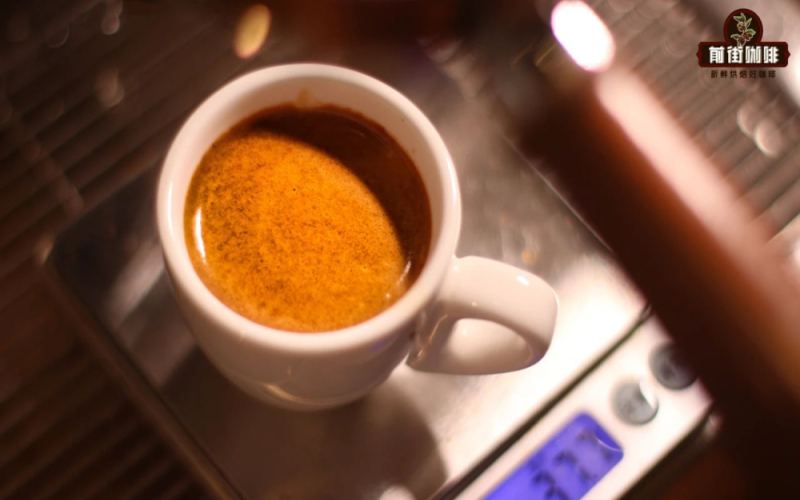
Characteristics of Decaf Coffee Beans | Where Does Decaf Coffee Come From? What's the Difference Between Decaf Coffee and Regular Coffee? How Is Caffeine-Free Coffee Made?
As people pursue health, many drinks marketed as sugar-free and low-fat have appeared in everyone's life. Coffee, as one of the world's three major beverages, is naturally no exception, and low-caffeine coffee has also been introduced, namely the decaf coffee commonly seen in coffee shops today. So what are the characteristics of decaf coffee? Then [more…]
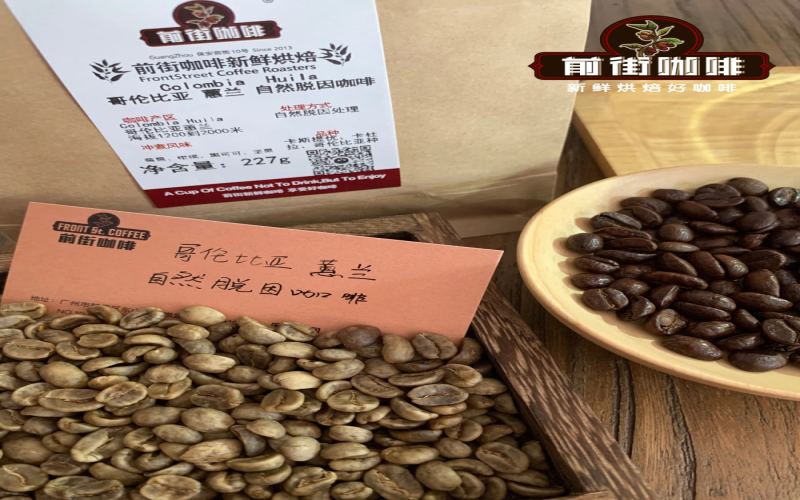
Decaf Coffee Recommendations | How Is Decaf Coffee Processed? Is Low-Caffeine Coffee Caffeine-Free? Does Colombian Decaf Coffee Taste Good?
For more specialty coffee knowledge, please follow our WeChat public account: Front Street Coffee (FrontStreet Coffee). In modern society, coffee is not only used to stay awake, but more of a lifestyle. Decaf coffee has begun to appear on the market to satisfy those who have trouble sleeping due to caffeine intake or [more…]
Does decaf coffee actually contain caffeine? A full analysis of decaf coffee's alerting effect and flavor characteristics
Many people love the aroma and taste of coffee, yet have to avoid it due to caffeine sensitivity or health reasons. Decaf coffee has therefore become an alternative, but is it truly completely caffeine-free? Can low-caffeine coffee still perk you up? And is its taste and flavor worth a try? This article explains the caffeine residue standards for decaf coffee, common decaffeination processes, and the differences in bitterness and stimulating effects, helping coffee lovers gain a clearer understanding of what low-caffeine coffee is really like. If you are looking for coffee products that offer both flavor and low caffeine intake, Front Street Coffee also has relevant recommendations for reference. [more…]
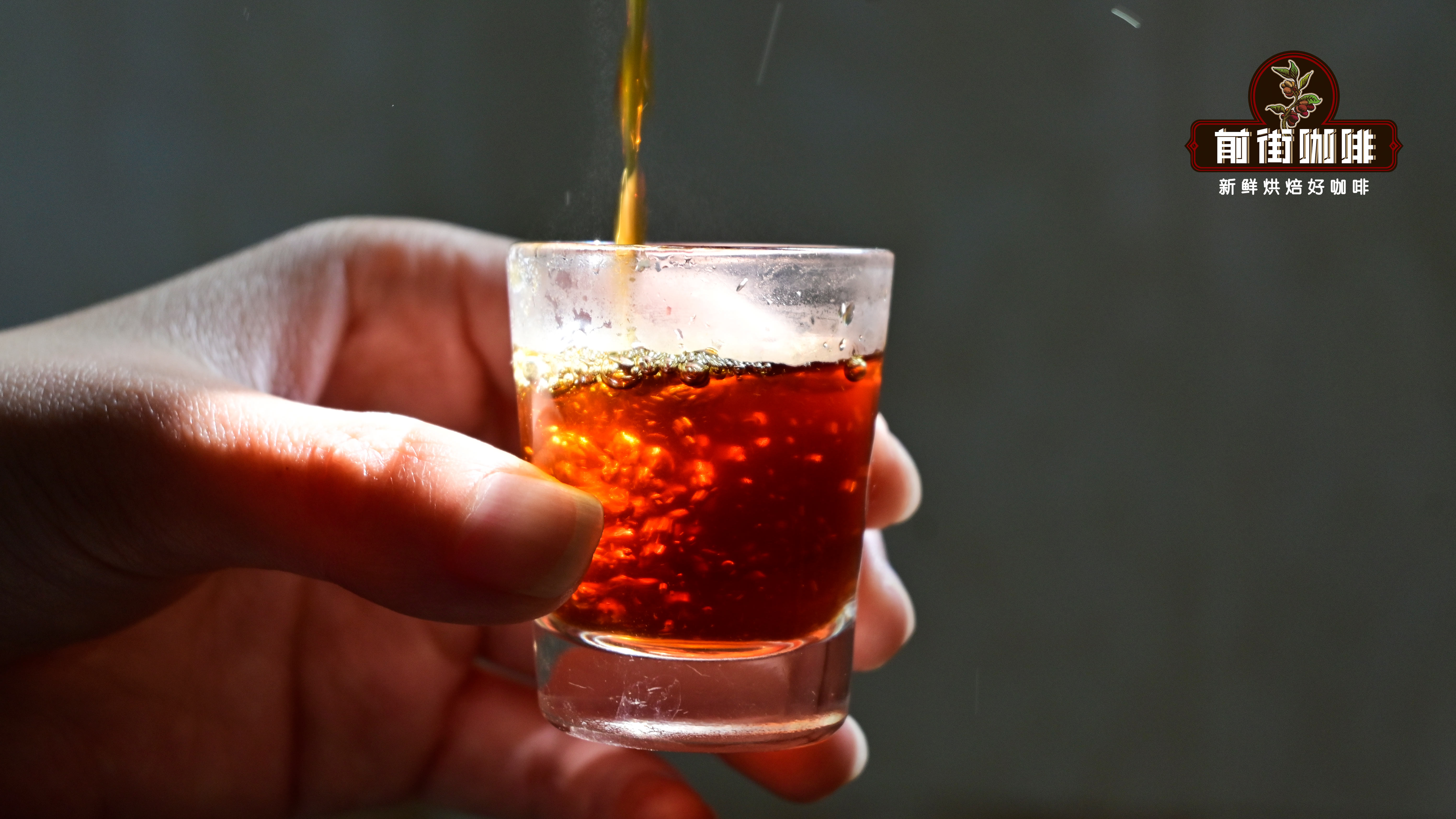
The Origin Story of Decaf Coffee Beans, Caffeine Removal Processes, and an Analysis of Starbucks Decaf Content
Decaf coffee is not completely caffeine-free; rather, at least 97% of its caffeine content has been removed. This article begins with the historical origins involving Goethe and Runge, traces how decaf coffee went from the laboratory to mass production, and provides a detailed introduction to the principles and characteristics of three mainstream decaffeination processes: the Swiss Water Process, the solvent-based process, and the carbon dioxide process. It also addresses the question of whether decaf coffee tastes bad and analyzes its antioxidant components and nutritional value, helping coffee enthusiasts gain a comprehensive understanding of the truth about decaf coffee. [more…]
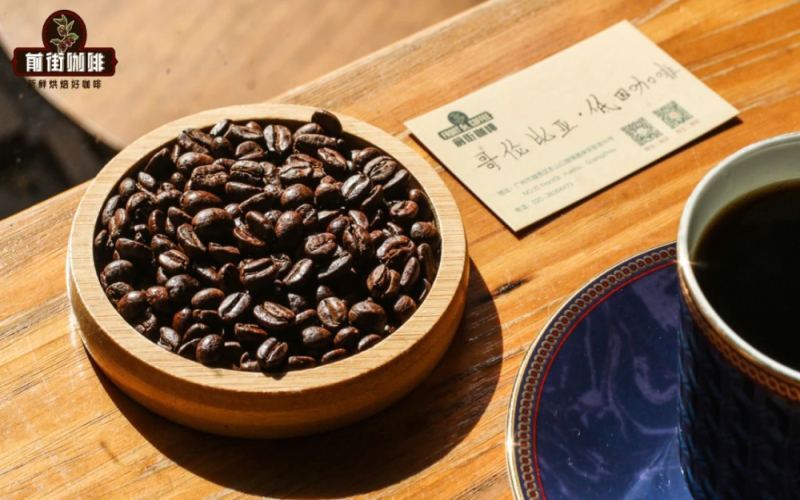
How to Choose Decaf Coffee? From the Goethe Legend and Decaffeination Methods to a Brewing Guide for Front Street Coffee Colombia Huila Decaf Beans
Do you love coffee but worry about not being able to sleep? Decaf coffee was made for exactly this reason. This article begins with an anecdote about Goethe and his friend Longhi, traces the origins and mass-production history of decaf coffee, explains that "decaf" does not mean completely caffeine-free, and introduces one by one the principles and pros and cons of three mainstream decaffeination processes: the direct/indirect solvent method, the supercritical carbon dioxide method, and the Swiss Water Process. It also discusses the real reasons why decaf coffee's flavor is easily damaged, as well as the importance of bean selection. Finally, using a decaf coffee from Colombia's Huila region as an example, it provides adjusted brewing parameters and a three-stage pouring procedure for coffee enthusiasts' reference. [more…]
Decaf Coffee Bean Caffeine Content Explained: Everything You Need to Know About Decaffeination Methods, Flavor Differences, and Health Benefits
Many coffee lovers want to enjoy the comfort of a cup of coffee but worry about caffeine affecting their sleep. So which coffee beans actually have the least caffeine? How does decaf coffee taste different from regular coffee? This article starts with the basic caffeine content, compares the differences between Arabica and Robusta, sorts out the impact of roasting, grinding, and extraction on coffee quality, and introduces in detail the principles and characteristics of three decaffeination processes: the solvent extraction method, the Swiss Water Process, and the carbon dioxide high-pressure extraction method. At the same time, Front Street Coffee will also share the real reasons why decaf coffee tastes milder, as well as its value in terms of antioxidants and nutrients, to help you understand decaf coffee more comprehensively. [more…]
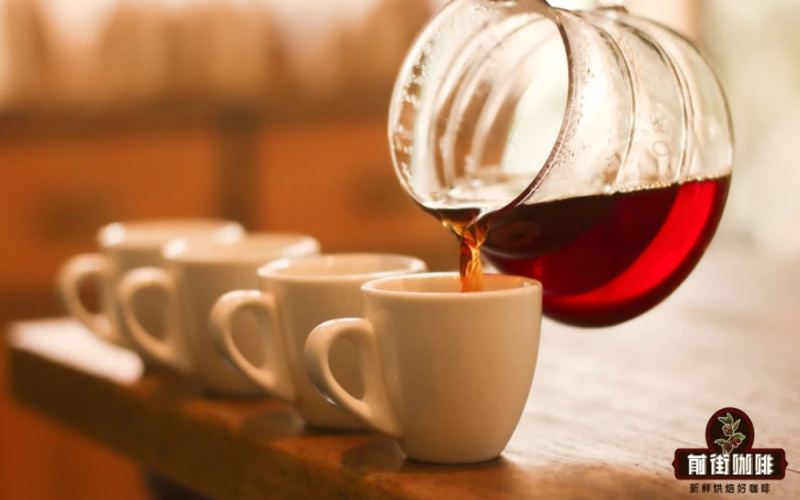
How to Brew Colombian Decaf Coffee? A Full Breakdown of Pour-Over Parameters, Price, and the Swiss Water Process
Decaf coffee is not completely caffeine-free; rather, it is coffee that has had its caffeine content significantly reduced through special processes. Starting with the Colombian Huila Swiss Water Process decaf coffee beans sold by Front Street Coffee, this article systematically goes over the definition of decaf coffee, the four major decaffeination methods, the terroir characteristics of Colombia's Huila region, the traits of varieties such as Typica and Caturra, and the actual roasting curve and cupping and brewing recommendations from Front Street's roaster. If you care about whether decaf coffee tastes good, how to set pour-over parameters, and roughly how much a cup costs, this article will provide a complete reference. [more…]
A Comprehensive Analysis of Decaf Coffee Beans: Decaffeination Processes, Flavor Truth, and a Comparison with Starbucks Decaf
Decaf coffee is not completely caffeine-free; rather, the vast majority of caffeine is removed through special processes. Since German merchant Ludwig Roselius invented the steam decaffeination method in 1903, decaffeination technology has developed along multiple paths, including the natural solvent method, the Swiss Water Process, and the carbon dioxide method. Many people worry that decaf coffee will suffer a major loss of flavor, but the fact is that the amount of caffeine does not directly determine the taste—what truly affects flavor is variety, origin, processing method, and roast level. This article will systematically review the history of decaf coffee, the three mainstream decaffeination methods, and flavor performance, while also comparing the differences between Starbucks decaf coffee and regular coffee, and providing reference for everyday purchasing. [more…]
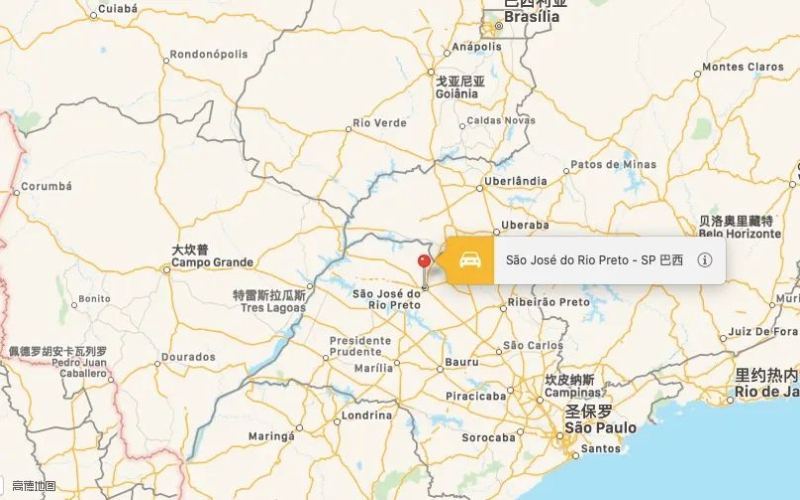
São Paulo State Plans to Transfer IAC Coffee Experimental Station and Germplasm Bank, Sparking Industry Concerns
The São Paulo state government in Brazil plans to sell a 7-hectare plot of land located in the state, which belongs to the Santa Elisa farm of the Campinas Agronomic Institute (IAC). This move has been strongly opposed by the IAC and the São Paulo State Association of Scientific Researchers. The farm hosts one of the world's largest coffee germplasm banks, preserving about 5,000 germplasm accessions, including the world's oldest Arabica coffee population. As one of the oldest agricultural research institutions in the world, the IAC's research achievements underpin 70% of the world's commercial coffee varieties. If the farm is sold, multiple coffee and crop research projects will be forced to halt, with far-reaching impacts on Brazil and the global coffee industry. [more…]
Analysis of Flavor Differences Between Decaf and Regular Coffee: Pros and Cons of Starbucks Decaf Americano and Its Impact on Sleep
While caffeine boosts alertness, it can also cause issues like insomnia and palpitations, which is why decaf coffee has gradually entered the public eye. In this article, Front Street Coffee (FrontStreet Coffee) will discuss the origins of decaf coffee, standards across different countries, mainstream decaffeination processes, and flavor performance, as well as specifically analyze the pros and cons of Starbucks decaf Americano and whether it affects sleep. At the same time, Front Street Coffee will also share the cupping flavors and pour-over parameters of a Colombian decaf coffee, helping coffee lovers gain a more comprehensive understanding of decaf coffee. [more…]
The Benefits and Drawbacks of Decaf Coffee, Its Health Effects, and Front Street Coffee's Recommended Low-Caffeine Hand-Brewed Beans
Decaf coffee is a coffee beverage in which the vast majority of caffeine is removed through special processes, reducing the caffeine content to less than 3% of the original. Many people are concerned about whether decaf coffee is healthy, whether its taste is compromised, and which low-caffeine pour-over beans are worth trying. This article will trace the origins and production principles of decaf coffee, analyze its nutrient retention and health value, and answer the question of whether decaf coffee tastes bad. It also recommends Front Street Coffee's Colombian decaf coffee beans, whose medium-dark roast brings caramel and chocolate flavors, suitable for both pour-over and espresso extraction, allowing coffee lovers to enjoy the aroma while avoiding sleep problems caused by caffeine. [more…]
In-Depth Analysis of Decaf Coffee: Decaffeination Principles, Mainstream Processing Methods, and Pros and Cons of Naturally Low-Caffeine Varieties
For those who want to savor coffee yet worry about caffeine affecting their sleep, decaf coffee is undoubtedly a thoughtful choice. But how exactly is coffee decaffeinated? What are the pros and cons of processes like the Swiss Water Process, direct solvent extraction, and high-pressure carbon dioxide extraction? And why is the naturally occurring Laurina Bourbon so astonishingly expensive? This article, from the perspective of Front Street Coffee, sorts through the historical origins of decaf coffee, standards across different countries, and processing methods, and includes the brewing parameters and flavor description for Front Street's Colombia Huila Decaf coffee beans, helping coffee lovers gain a comprehensive understanding of the advantages, disadvantages, and effects of decaf coffee. [more…]
Colombian Decaf Coffee Beans: A Complete Guide to Flavor Characteristics and Decaffeination Processes, from Origin to Brewing
Coffee is wonderful, but excessive consumption can cause nervous excitement or even poisoning, which is why decaf has become a compromise choice for many enthusiasts. Starting from the Colombia Huila decaf beans offered by Front Street Coffee, this article traces the historical origins of decaf, the principles of decaffeination and the pros and cons of four mainstream processing methods, and explains that decaf does not mean zero caffeine. The article also covers the characteristics of the Typica, Caturra and Castillo varieties, as well as the Front Street Coffee roaster's medium-roast approach and three-stage brewing parameters, presenting the complete flavor expression of this decaf bean from green bean to cup. [more…]
A Comprehensive Analysis of Decaf Coffee: Swiss Water Process and Flavor Characteristics of Colombia Huila Region
For those who love coffee but are sensitive to caffeine, decaf coffee offers a solution that balances flavor and health. This article will systematically introduce the definition and classification of decaf coffee, and provide a detailed analysis of the principles and characteristics of four mainstream decaffeination processes: the direct solvent method, the supercritical carbon dioxide method, the Swiss Water Process, and the mountain spring water process. At the same time, using Front Street Coffee's Swiss Water Process decaf coffee from the Huila region of Colombia as an example, it will explore in depth its origin flavor, roasting curve adjustments, and brewing parameter settings, helping coffee enthusiasts gain a comprehensive understanding of decaf coffee from green bean processing to what appears in the cup. [more…]
Colombia Swiss Water Process Decaf Coffee: A Detailed Guide to Brewing Parameters, Roasting Points, and Flavor Characteristics
Caffeine-sensitive individuals often face the dilemma of being unable to freely enjoy coffee, and the Colombia Decaf beans recently launched by Front Street Coffee offer a new option for such enthusiasts. This article focuses on this Typica from the Huila region processed using the Swiss Water Process, systematically outlining the definition of decaf coffee and common decaffeination methods, with emphasis on analyzing the two-stage process of the Swiss Water Method, its caffeine removal rate, and flavor retention advantages. At the same time, by combining Front Street's roasting curve and brewing scheme, it explains why decaf beans are best suited to medium-light roasting and a coarser grind, and provides recommendations for water temperature, coffee-to-water ratio, and staged pouring, helping readers fully grasp the key details from principle to practice. [more…]
Pros and Cons of Decaf Coffee Beans | Is Decaf Coffee Healthy? Where Does Decaf Coffee Come From? One Recommended Delicious Low-Caffeine Single-Origin Pour-Over Coffee Bean
As people pursue health, many drinks marketed as sugar-free and low-fat have appeared in everyone's life. Coffee, as one of the world's three major beverages, is naturally no exception, and decaffeinated coffee has also been introduced—that is, the decaf coffee commonly seen in coffee shops today. So what are the characteristics of decaf coffee? Then [more…]
Swiss Water Decaf Process | What flavor and mouthfeel does Colombian decaf coffee have when brewed as pour-over black coffee? Low-caffeine specialty pour-over coffee bean recommendations
For more specialty coffee knowledge, please follow our WeChat official account: Front Street Coffee (FrontStreet Coffee). In modern society, coffee is not only used to stay alert, but more so as a way of life. Decaf coffee has begun to appear on the market to satisfy those who have trouble sleeping due to caffeine intake or [more…]