







While caffeine boosts alertness, it can also cause issues like insomnia and palpitations, which is why decaf coffee has gradually entered the public eye. In this article, Front Street Coffee will discuss the origins of decaf coffee, standards across different countries, mainstream decaffeination processes, and flavor performance, and specifically analyze the pros and cons of Starbucks Decaf Americano as well as whether it affects sleep. At the same time, Front Street Coffee will also share the cupping flavors and pour-over parameters of a Colombian decaf coffee to help coffee lovers gain a more comprehensive understanding of decaf coffee.
The alertness-boosting effect of caffeine has gradually made coffee the top choice among many people's daily beverages. However, coffee contains a considerable amount of caffeine, and drinking too much may cause discomfort such as insomnia and palpitations. So, is there such a thing as caffeine-free coffee? In this article, Front Street Coffee will talk with everyone about decaf coffee, which is very suitable for enthusiasts who need to control their caffeine intake but still love the flavor of coffee.
The Origins of Decaf
The first person in history to isolate caffeine from coffee was Runge, but he did not continue to explore it in depth or bring it to commercial application; the person who truly brought decaf coffee to commercialization was the German Ludwig Roselius, who developed a decaffeination method with his colleagues in 1903 and obtained a patent in 1906. However, because this process used benzene as a solvent, it has now basically been phased out.
What Is Decaf Coffee?
Decaf coffee refers to coffee with extremely low caffeine content. A cup of decaf coffee usually contains no more than 5 mg of caffeine (while a typical 236 ml cup of coffee contains about 50 mg to 200 mg of caffeine). Decaf coffee is not completely caffeine-free, and the standards for defining decaf coffee also vary from country to country. According to Front Street Coffee, the U.S. Food and Drug Administration FDA requires a caffeine removal rate of no less than 97% for decaf coffee; the EU standard requires a removal rate of 99.9%.
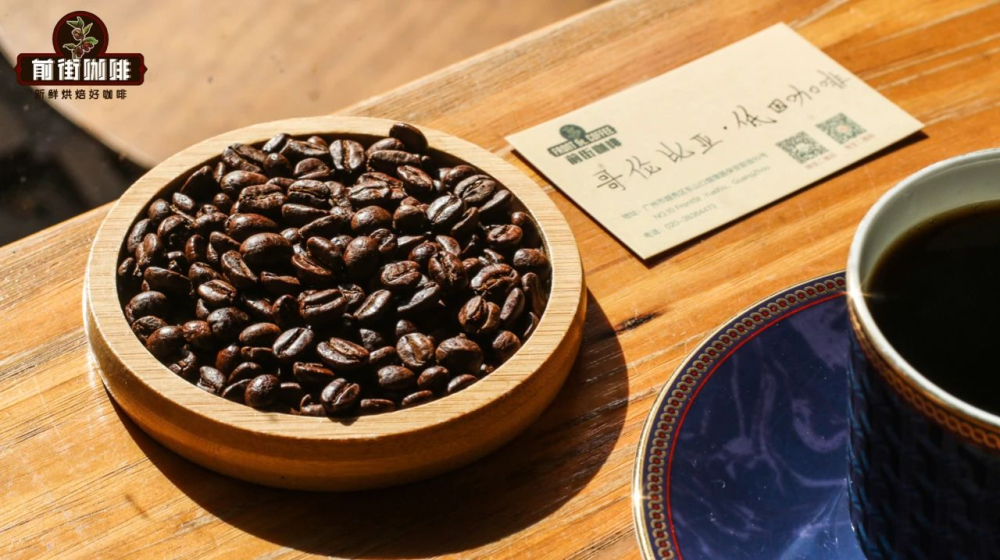
Naturally low-caffeine coffee varieties are very rare. According to Front Street Coffee, the currently known natural low-caffeine variety is Coffea Laurina, whose caffeine content is about half that of ordinary Arabica (0.6%). Unlike coffee that has undergone artificial decaffeination, Coffea Laurina has lower caffeine content than ordinary Arabica coffee trees due to genetic degeneration, and its flavor performance is even better. However, Coffea Laurina has extremely limited production and is difficult to meet market demand, so many products on the market are made by processing normal coffee beans into decaf beans through chemical techniques.
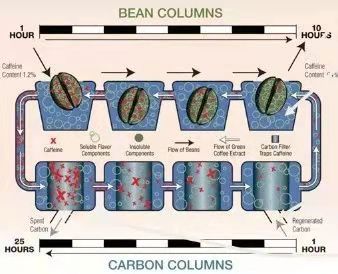
In recent years, the most common method of caffeine extraction has been The Swiss Water-Only Process, a commercially developed and highly efficient processing method. Its procedure is as follows:
Soak green coffee beans in hot water. In The Swiss Water-Only Process, this hot water is called "Flavor-charged Water." This water has already been saturated with all the flavor factors that should be present in the green coffee beans, except that it contains no caffeine. This special water is the most critical medium in the subsequent decaffeination process. After the flavor-charged water is formed, the coffee beans are filtered out, and then an activated carbon filter is used to filter the caffeine out of the flavor-charged water. What remains is hot water full of pure flavor factors. The filtered coffee beans are then soaked again in this hot water so that the beans reabsorb the coffee flavor.
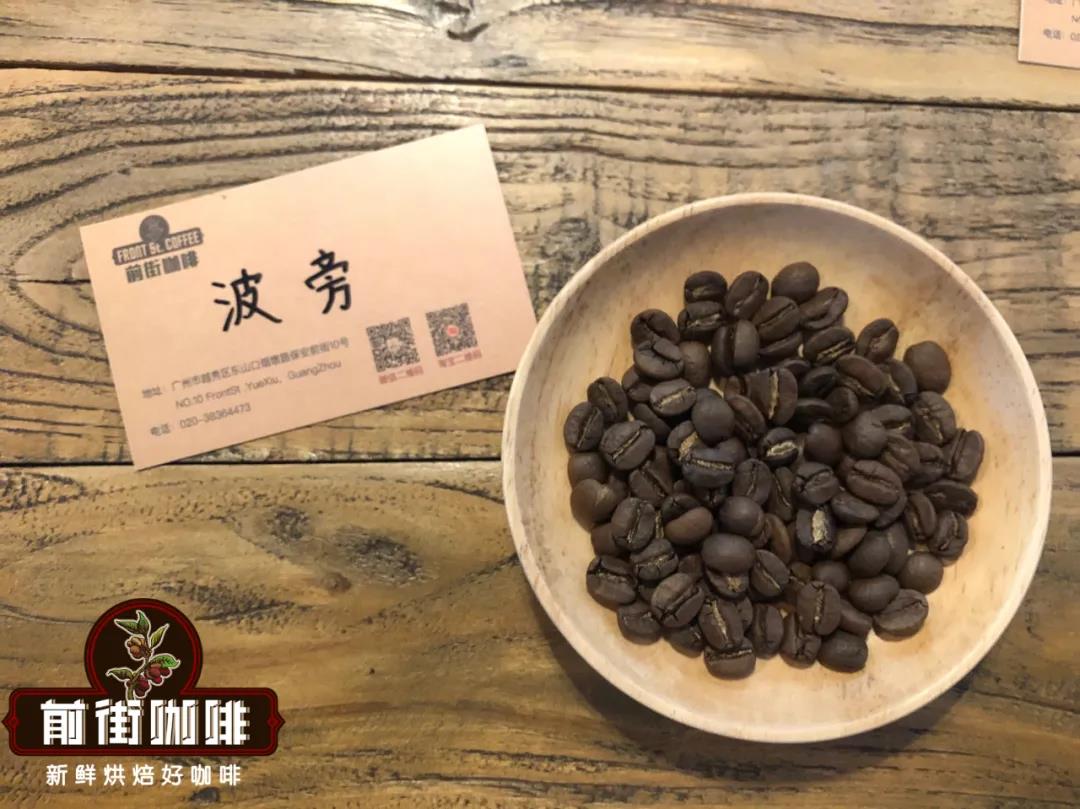
One of the questions everyone cares about most may be the taste of decaf coffee. According to Front Street Coffee, Starbucks also offers decaf coffee. Starbucks coffee beans are divided into two types: one is regular coffee beans, and the other is decaf coffee beans. When a Starbucks employee hears you say, "I want this cup made with decaf beans," they will mark an "X" in the "Decaf" box on the empty cup. Next time you go to Starbucks, you might want to give it a try.
The Pros and Cons of Caffeine
The emergence of decaf coffee has provided a new choice for people who need to control their caffeine intake. On the other hand, decaf coffee usually contains antioxidants similar to those in regular coffee. Therefore, decaf coffee can both exert antioxidant effects and avoid interfering with sleep. This is an advantage that ordinary coffee does not have, and it is also why decaf coffee has become an alternative option for many people.
There are also many people who have drunk decaf coffee and find it unpalatable. In fact, Front Street also sells decaf coffee beans. By observing the habits of nearby customers, we have found that people often think decaf coffee tastes bad because many decaf coffees use cheap commercial-grade coffee beans at the raw material stage.
For example, many companies that produce decaf coffee tend to choose bean varieties with higher caffeine content when selecting raw materials (such as Robusta beans). These beans themselves do not have good flavor even before decaffeination. Like coffee beans sold by other coffee shops, if decaf coffee beans use high-quality Arabica coffee beans from the green bean stage, then even after decaffeination, decaf coffee can still perform quite well.
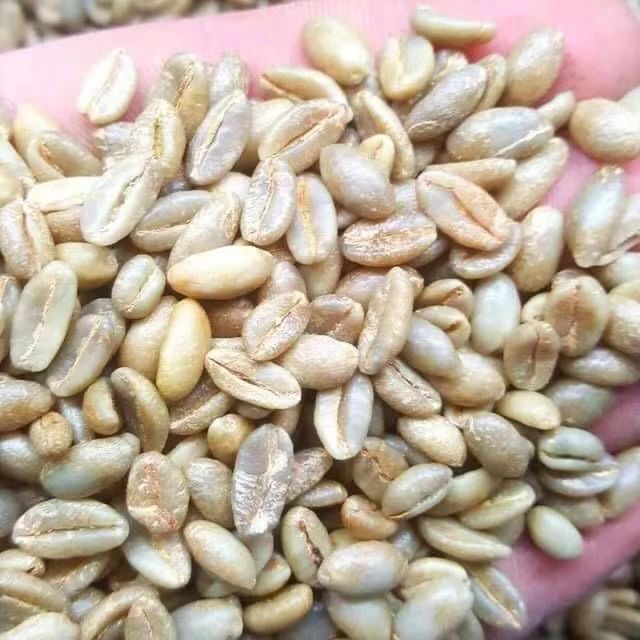
If you want to try the taste of decaf coffee, you can come to Front Street Coffee to taste it. Front Street Coffee has a Colombian decaf coffee. When this decaf coffee was launched, the roasting curve was adjusted many times and cupping was conducted. The Front Street Coffee barista used a 200 ml standard cupping bowl, with 11.3 g of coffee grounds and a water temperature of 94°C, first grinding to smell the dry aroma. The dry aroma of this Colombian decaf coffee bean gives off black chocolate notes, then water is poured to fill the bowl to confirm the wet aroma. After 4 minutes, the crust is broken and skimmed for flavor evaluation. The wet aroma gives off caramel-like sweetness. Its overall flavor is: berries, citrus, cocoa, nuts. The following is the brewing method for this decaf coffee:
Front Street Pour-over Parameters: Dose: 15 g Ratio: 1:15 Water temperature: 88°C Grind size: coarse sugar (75% passing a No. 20 standard sieve) Dripper: Kono dripper
The brewing technique uses the three-stage extraction method commonly used by Front Street Coffee:
1. Add the coffee grounds and pour in 30 ml of water to bloom for 30 seconds.
2. Then proceed to the second pour, gently pouring 150 ml of hot water in a circular motion, pushing the coffee bed upward so that a golden foam surface forms on top.
3. Wait for the water level of the coffee bed to drop slightly, then pour in the final 45 ml. After all the coffee liquid has flowed into the server, remove the dripper and end the extraction. The extraction time is 2 minutes 10 seconds.
The above content is compiled by CoffeeHunters, a coffee news website.


