







Search Results for: mouthfeel experience
Coffee Tasting Time | How soon after brewing is it best to finish a pour-over coffee? What changes in the coffee flavor of a pour-over coffee the longer it sits?
The peak flavor period refers to the optimal window for tasting coffee beans after roasting is completed. During this time, because there is not too much carbon dioxide interference, and the coffee's flavor compounds have not yet been lost in large amounts, we can brew coffee with the richest aroma and obtain the most complete flavor experience. But did you know, [more…]
How Does Filter Paper Fit Affect Coffee Extraction? A Comparative Experiment Between V60 and KONO Reveals Flavor Differences
Wetting the filter paper before brewing coffee is almost a standard step for all pour-over enthusiasts, with the usual goals of making the filter paper fit snugly, removing paper dust, and, if hot water is used, warming the cup along the way. However, most tutorials rarely discuss in depth how much the degree of fit between the filter paper and the dripper actually affects the final taste. Front Street conducted two sets of controlled experiments, using V60 and KONO drippers respectively, paired with filter papers in different states of fit for brewing, and tasted and compared them one by one. The experiment used the floral-fruity Front Street · Gedin Gedin and the nutty-sweet Front Street · Brazil Red Bourbon, and the results showed that a poorly fitting filter paper significantly changes the flow rate, which in turn affects the extraction yield and concentration, producing noticeable differences in mouthfeel. [more…]
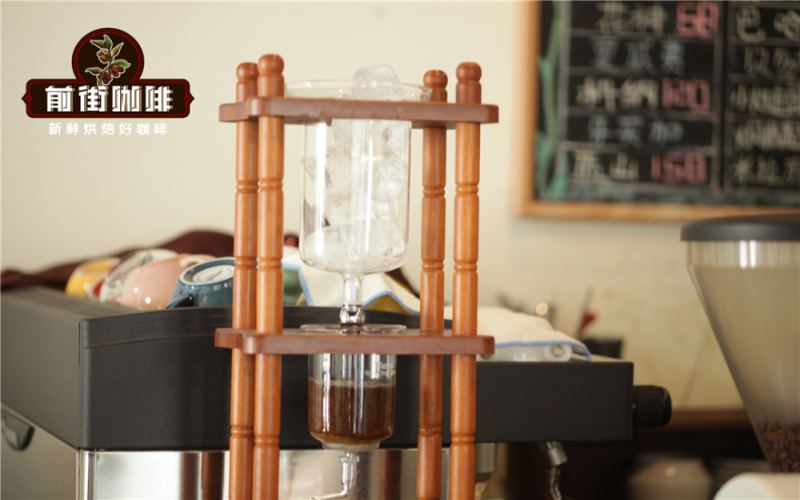
How Does Roast Level Affect Coffee Flavor? A Comparative Experiment Between Cold Brew and Pour-Over Extraction Methods
The flavor expression of coffee depends not only on the quality of the green beans, but is also closely related to the degree of roasting and the extraction method. In this experiment, coffee beans at three different roast levels—light, medium, and dark—were selected and extracted using two methods, cold drip and pour-over, to compare their specific differences in aroma, acidity, mouthfeel, and aftertaste. Light roast in cold drip presents fresh notes of citrus, jasmine, and honey, while pour-over shows bright acidity and a clean mouthfeel; medium roast in cold drip brings the sweetness of rose, grape, and blueberry, while pour-over presents the richness of chocolate and caramel; dark roast in cold drip has a pronounced oily body and a smooth mouthfeel, while pour-over is intense with a slight burnt bitterness. The article also recommends representative Front Street Coffee beans for each roast level, providing a reference for coffee lovers when purchasing and brewing. [more…]
The Ideal Temperature for Americano | How Big Is the Difference in Flavor and Mouthfeel Between Hot and Iced Americano? An Introduction to the Standard Recipe for Hot Americano: Coffee-to-Water Ratio and Water Temperature
Because American soldiers during World War II were not used to the extremely strong small cups of coffee local to Europe, they asked the shops to add hot water to dilute it, imitating the taste and flavor of American drip coffee. And because this cup of coffee was widely popular among American soldiers, it was named Americano "America [more…]
An Introduction to Pour-Over Coffee Tasting: From Aroma to Mouthfeel, How to Read a Cup of Coffee
Compared to the straightforward expression of espresso, pour-over coffee presents its flavors more subtly, and tasting it requires more patience and method. From the perspective of Front Street, this article systematically sorts out the tasting path for pour-over coffee: from the dry aroma after grinding to the wet aroma during brewing, from the sweet, sour, bitter, and salty tastes brought by water-soluble substances to the flavor identification involving retronasal olfaction, and then to the mouthfeel experience determined by insoluble substances. The article also analyzes the causes of richness and thinness, the sources of astringency, and the influence of roast level on mouthfeel, helping coffee enthusiasts establish a correct tasting framework before identifying specific flavors and find a more efficient way to perceive them. [more…]
A Complete Analysis of the Optimal Drinking Time for Pour-Over Coffee and How Temperature Changes Affect Flavor
A freshly ground and brewed cup of coffee, like the coffee beans themselves, has its own optimal tasting window. Coffee aromas volatilize easily, and temperature constantly affects how the taste buds perceive sweetness, acidity, and bitterness. Therefore, from the moment it is brewed, the flavor continuously changes with time and temperature. Front Street Coffee compares the tasting performance of dark-roasted Golden Mandheling and light-roasted Gedinding at different time points, documenting the evolution of aroma, mouthfeel, and taste, to find the limit of coffee's tasting window under normal standing conditions. It will also answer common questions such as whether reheating can restore the flavor, and how to extend aroma retention with a lid or thermos, helping you seize the most brilliant drinking window of every cup of coffee. [more…]
Ice Drip vs. Cold Brew: A Comprehensive Comparative Experiment from Brewing Principles to Flavor Expression
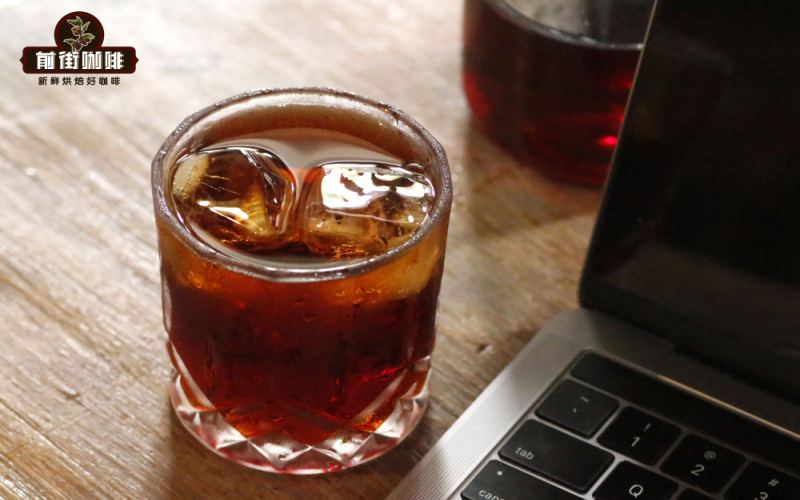
Ice drip coffee and cold brew coffee are two common methods of making cold coffee, and the two differ noticeably in production process, extraction time, and final flavor. Front Street Coffee conducted a synchronized experiment using the same sun-dried Huakui coffee beans, comparing the production methods and resulting performance of ice drip and cold brew in an all-round way, from grind size calibration to powder-to-liquid ratio setting, and then to extraction time and post-processing methods. The experimental results showed that ice drip coffee was clear and bright, with a clean and refreshing mouthfeel, carrying fermented notes and a faint berry-like sweet acidity; cold brew coffee, by contrast, had a full-bodied mouthfeel and uniform flavor, with prominent fruity sweetness and a weaker fermented note. This article will analyze in detail the differences in production methods between the two types of cold coffee, the experimental plan, and the flavor comparison results, to help coffee enthusiasts more clearly understand the characteristics of both and the basis for choosing between them. [more…]
Ninety Plus Candle Glow Coffee Flavor Analysis: Roasting Key Points and Brewing Grind Adjustments for Natural Sidamo
Candlelight Coffee is a naturally processed Ethiopian bean from the LevelUp series by Ninety Plus, named for its flavor profile. It comes from the Sidama region, and its name means "the best way" in the local dialect. This article begins with the background of the Ninety Plus brand, then outlines Candlelight's origin characteristics, flavor expression, and roasting approach. It also documents a grind size comparison experiment conducted by Front Street Coffee using the same batch of beans, examining how different grind coarseness affects TDS concentration and the drinking experience. The article also organizes the N2, H2, and W2 labeling logic that Ninety Plus uses to classify flavor directions, helping coffee enthusiasts understand what makes this bean unique and how to adjust their brewing. [more…]
How should the water volume for each pour be scientifically configured when making pour-over coffee with staged pouring?
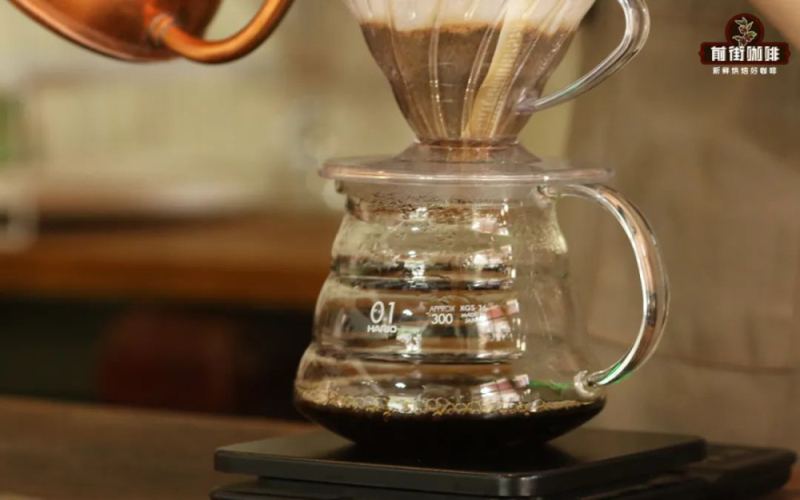
Segmented pouring in pour-over coffee seems simple, but in reality, even subtle changes in the water volume of each segment leave their mark in the cup. Many friends new to pour-over are often puzzled: how exactly should the water volume after blooming be divided? And in what direction do different distribution schemes take the flavor? Front Street used the Yirgacheffe Gote Gote as a sample and designed three comparative experiments, fixing the dose at 15 grams, the coffee-to-water ratio at 1:16, medium-fine grind, and water temperature at 91°C, changing only the water volume ratio between the second and third pours, to observe how acidity, sweetness, mouthfeel, and finish trend. The experiment also revealed the potential impact of the relationship between the height of the coffee bed wall and the water level on extraction uniformity, and offers reference ideas for flexible adjustment in actual practice. [more…]
Pour-Over Coffee Tasting | Why Not Add Ice Directly to Hot Pour-Over Coffee? How to Adjust Brewing Parameters for Iced Pour-Over?
Many friends, when ordering pour-over coffee in a café, will prioritize the hot brew method, because as everyone knows, if we want to experience a relatively complete flavor profile in pour-over coffee, then hot brewing is absolutely the best choice. But when the weather is too hot, we always find it hard to [more…]
Robusta Coffee Pour-Over Experience: Flavor and Mouthfeel, and an Analysis of the Causes of Acidity and Bitterness
Robusta is often regarded as an ingredient for espresso blends and instant coffee, and is quite rarely used for pour-over. In this article, Front Street Coffee conducts a pour-over experiment using deep-roasted Robusta from Vietnam, documenting the flavor changes from high temperature to cooling: at the high-temperature stage, it presents hazelnut, caramel, and grain notes, with a full body and tolerable bitterness; after the temperature drops, rubber, earthy mustiness, and a bitter finish emerge, with noticeably insufficient cleanliness. The article also explains the differences in appearance between Robusta and Arabica, their commercial value and price advantages, and explains that its higher bitterness is due to higher caffeine and chlorogenic acid content, as well as flavor defects caused by low-altitude cultivation. Finally, it mentions Robusta grown in a specialty manner, which has a clean flavor but is scarce in yield and rarely seen. [more…]
Coffee Flavor | From What Angles Do We Describe and Evaluate Specialty Coffee Flavor?
In recent years, the domestic coffee industry has developed rapidly. Even when black swan events occurred and most industries were struggling, the domestic coffee market still maintained stable growth. So as an ordinary enthusiast, when faced with merchants' marketing claims, how should one evaluate a coffee bean? When drinking coffee and buying coffee beans, [more…]
What Is the Ideal Water Temperature for a Hot Americano? A Comparative Experiment from 55°C to 90°C and the Perfect Ratio Recipe
The difference between a hot americano and an iced americano ultimately comes down to whether the espresso is combined with hot water or iced water. This seemingly simple combination actually involves a lot of nuance—water temperature, the coffee-to-water ratio, and the timing of tasting all influence the final flavor of an americano. This time, Front Street Coffee brewed hot americanos with four different water temperatures—55°C, 65°C, 75°C, and 90°C—and compared them at three points in time: just after brewing, 5 minutes later, and 20 minutes later. Using measured data, we’ll tell you which temperature is best for serving a hot americano for dine-in, and reveal the complete pattern of how coffee flavor changes over time at different water temperatures. [more…]
Espresso Complete Guide: Flavor Characteristics, Tasting Experience, and How to Drink It Properly
In China, espresso mostly serves as the base for lattes or Americanos, and few people order it on its own, for two main reasons: the cup is extremely small, only about 50ml including the crema; and the taste is too intense and bitter for most people. Yet espresso's aroma, mouthfeel, and finish are hard for other coffees to replicate. This article breaks down espresso's appeal one by one—from its flavor characteristics and the enthusiast's perspective to the role of crema and its finish—and includes three practical tasting tips to help you understand this tiny cup of concentrated coffee more completely. [more…]
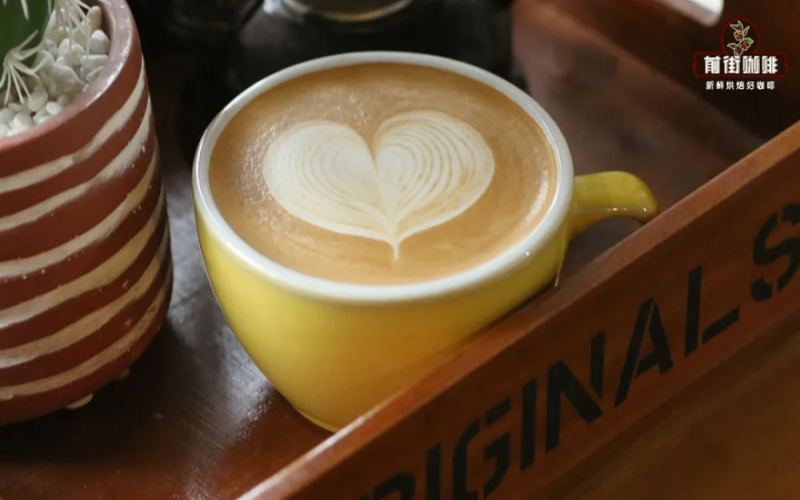
Does latte art enhance coffee flavor? Analyzing the actual effect of visual presentation on taste evaluation
Latte art is the craft of a barista drawing patterns on the surface of an espresso with steamed milk foam. Does it actually change the taste and mouthfeel of a latte? This article analyzes the question from three angles: visual psychology, preparation technique, and quality of integration. Through comparative experiments, Front Street Coffee found that, provided the coffee beans, milk, extraction, and ratios are all on point, latte art and no latte art make no noticeable difference to taste—but latte art places higher demands on foam quality and evenness of integration. The article also explores the balance between pattern complexity, preparation time, and the drinking experience, helping enthusiasts view the relationship between latte art and flavor rationally. [more…]
How Does Water Quality Shape Cold Brew Flavor? Coffee Brewing Recommendations After Testing Four Types of Drinking Water
In a cup of black coffee, water makes up the vast majority, so its impact on flavor must not be underestimated. Different brands of drinking water vary in mineral composition, hardness, and pH, so the coffee brewed with them naturally takes on different characteristics. To investigate this variable, Front Street Coffee selected four common drinking waters—Baisui Mountain, Nongfu Spring, Ganten, and C'estbon—and used the same Costa Rica Mozart coffee beans to make cold brew, measuring TDS, coffee liquid concentration, and recording flavor performance one by one. The experiment found that the amount of calcium and magnesium ions in water affects extraction efficiency and taste direction, while Nongfu Spring with medium TDS and C'estbon purified water each showed distinct stylistic differences. This article will present the full experimental process and tasting results, and offer water selection suggestions for different taste preferences. [more…]
2020 TOH Champion Armeria Lalo: A Complete Analysis of the Flavor and Mouthfeel of Yirgacheffe Anaerobic Natural Coffee Beans
Ardi Leraro, the champion of the 2020 TOH (Taste of Harvest) competition in Ethiopia, comes from the Yirgacheffe region and is processed using the anaerobic natural method, known for its distinct strawberry, peach, and fermented wine aromas. This article will provide a complete analysis of this champion bean's unique flavor profile, from green bean information, processing techniques, and roasting recommendations to cupping notes, and will share Front Street Coffee's brewing parameters and tasting experience. Whether you are a pour-over enthusiast or an espresso player, you will find practical references here and experience the complex layers and sweetness that anaerobic natural processing brings. [more…]
Kenya Pour-Over Coffee Water Temperature Guide: How to Brew a Juicy, Cherry Tomato-Like Cup
Kenyan coffee is famous for its bright fruit acidity and full-bodied berry flavors, yet many enthusiasts often run into over-extraction or a weak, watery cup when brewing at home. So what water temperature is needed to bring out the signature tomato-juice-like mouthfeel of Kenyan beans? Drawing on Front Street Coffee's cupping experience, this article breaks down where that juicy flavor comes from and, using Kenyan Cherry Tomato coffee beans as an example, shares practical advice on pour-over water temperature. Whether you're chasing citrus acidity or berry sweetness, mastering water temperature—this key variable—can take your coffee's juicy experience to the next level. [more…]

Analysis of the Optimal Serving Temperature for Hot Americano: A Comparative Experiment Between Dark and Light Roast Beans
In the cold winter, the order rate for hot Americanos rises noticeably, yet the serving temperature at different cafés varies widely, ranging from 60°C to over 90°C. Exactly which temperature range allows a hot Americano to reach its best flavor and mouthfeel? Front Street used a dark-roast espresso blend and a medium-light-roast single-origin bean respectively, comparing them one by one at four temperatures: 60°C, 70°C, 80°C, and 90°C, conducting tests across dimensions such as aroma retention, initial drinking experience, changes as it cools, and the length of the enjoyable drinking window. The results showed that the optimal temperature for dark-roast and light-roast beans is not the same, but both are not very friendly to high temperatures above 80°C. This article will present the full experimental process and conclusions to help coffee lovers find the most ideal state for a cup of hot Americano in winter. [more…]
Coffee Flavor Tasting | How Can Coffee Novices Build Their Coffee Sensory System? How Should Coffee Beginners Train Their Coffee Senses Daily?
Coffee today is no longer just a "functional drink" used to wake you up; it is also a medium that holds a wealth of experiences. Thanks to the spread of the concept of specialty coffee, which has brought about a leap in coffee quality, we can now taste the terroir of different places through a single small cup of coffee. For example, [more…]