







How does Robusta coffee taste in a pour-over?
Robusta coffee brewed as pour-over is uncommon because it is usually destined for espresso blends and instant coffee. In a test with Vietnamese dark-roasted Robusta, the hot cup showed hazelnut, caramel, and grain notes with a full body and tolerable bitterness, but as it cooled, rubber and earthy, fishy odors appeared along with a bitter finish, and cleanliness fell short.
The stronger bitterness comes from higher caffeine and chlorogenic acid levels, plus flavor defects linked to low-altitude cultivation. Robusta and Arabica also differ visibly: Robusta's center line is straight, Arabica's is mostly curved. Robusta is affordable, roughly half the price of Arabica, and its high oil content adds body, which is why it appears in blends. Rare specialty-grown Robusta tastes clean but yields little.
Robusta is often seen as the raw material for espresso blends and instant coffee, and is quite rare when used for pour-over. In this article, Front Street Coffee conducts a pour-over experiment using Vietnamese dark-roasted Robusta, documenting the flavor changes from high temperature to cooling down: at high temperatures, it presents hazelnut, caramel, and grain notes, with a full body and tolerable bitterness; after the temperature drops, rubber, earthy fishy odors, and a bitter finish emerge, with noticeably insufficient cleanliness. The article also explains the appearance differences between Robusta and Arabica, their commercial value and price advantages, and explains that its higher bitterness is due to higher caffeine and chlorogenic acid content, as well as flavor defects caused by low-altitude cultivation. Finally, it mentions Robusta grown in a specialty manner, which has a clean flavor but is rare due to low yield.
Many young friends who are new to coffee, because they have never experienced the taste of Robusta, think of coming to Front Street to try it. However, you should know that Front Street will not easily bring out this "treasure" unless you first swear an oath never to leave a bad review!!!
Just kidding! Today Front Street will talk with everyone about what kind of taste Robusta presents when "dealt with" by pour-over. Before that, let Front Street briefly introduce what Robusta actually is!
What Is "Robu"
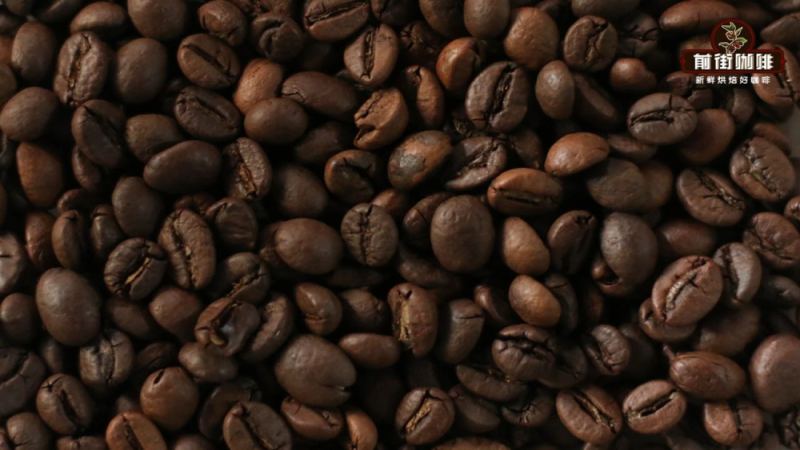
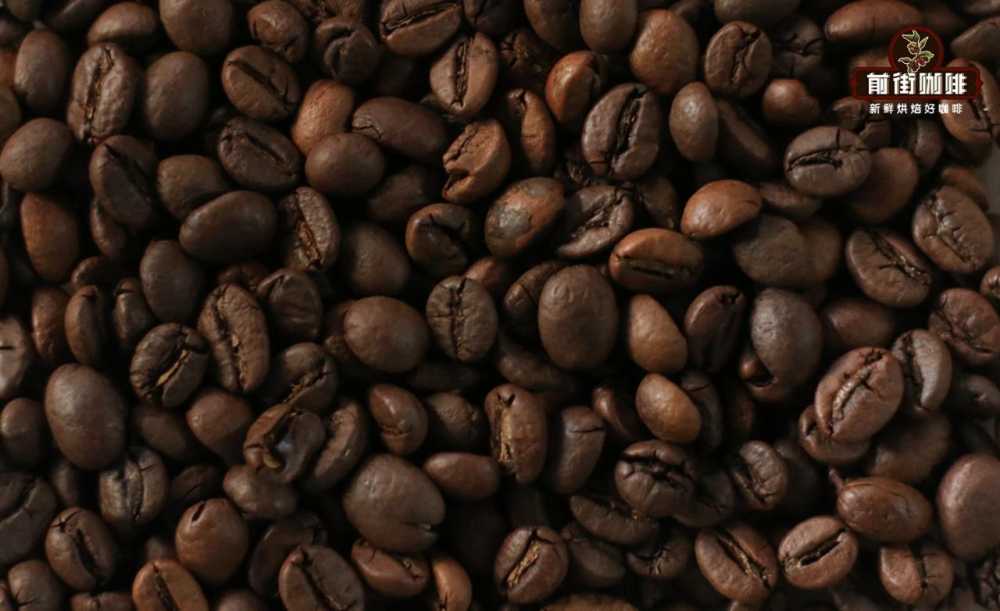
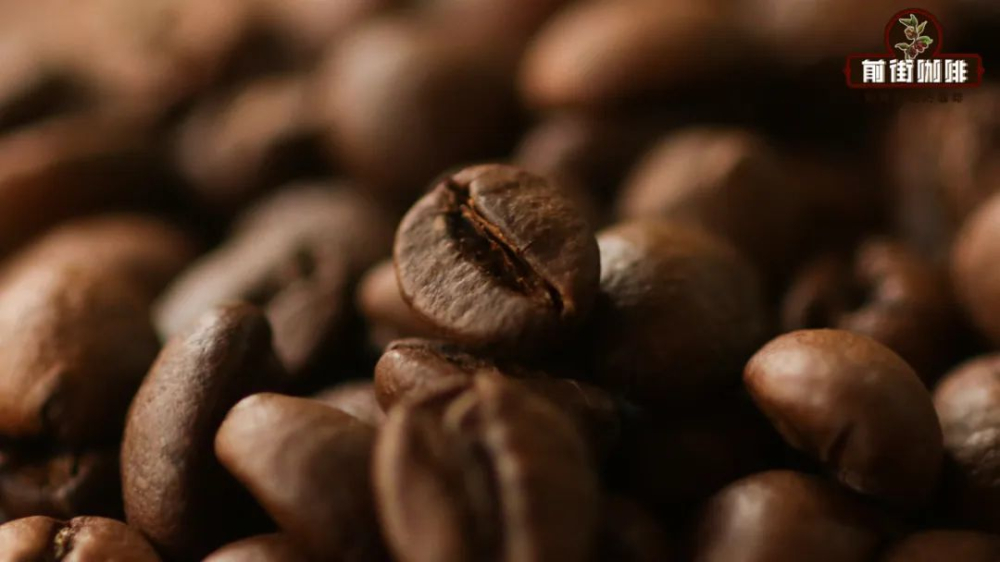
"Robu" is everyone's shorthand for "Robusta." Because the coffee made from this variety has an extremely distinct personality, it was singled out and given a nickname! There is absolutely no intention of excluding it~ Robusta and Arabica have a very intuitive difference in appearance: the center line of Robu is a straight line, while the center line of Arabica is mostly curved!
At present, the coffee varieties with commercial value on the market are mainly Arabica and Robusta. But because Robusta's flavor performance is not good, it has not been widely promoted within the specialty coffee circle.
However, Robu is not entirely without merits. For example, its oil content is quite high! Oil can bring a fuller mouthfeel to the beans. Therefore, it often appears as a member of espresso blends. In addition, its price is also very affordable, about half lower than Arabica. As a result, coffee products such as instant coffee and freeze-dried coffee prioritize Robu when choosing raw materials.
From the above, you can understand that if you want to find a coffee shop on the market that uses Robusta for pour-over, the probability is very low (there are some, but not many). So today Front Street will experience it properly on everyone's behalf, to see what pour-over coffee brewed with Robu actually tastes like!
Brewing Experiment
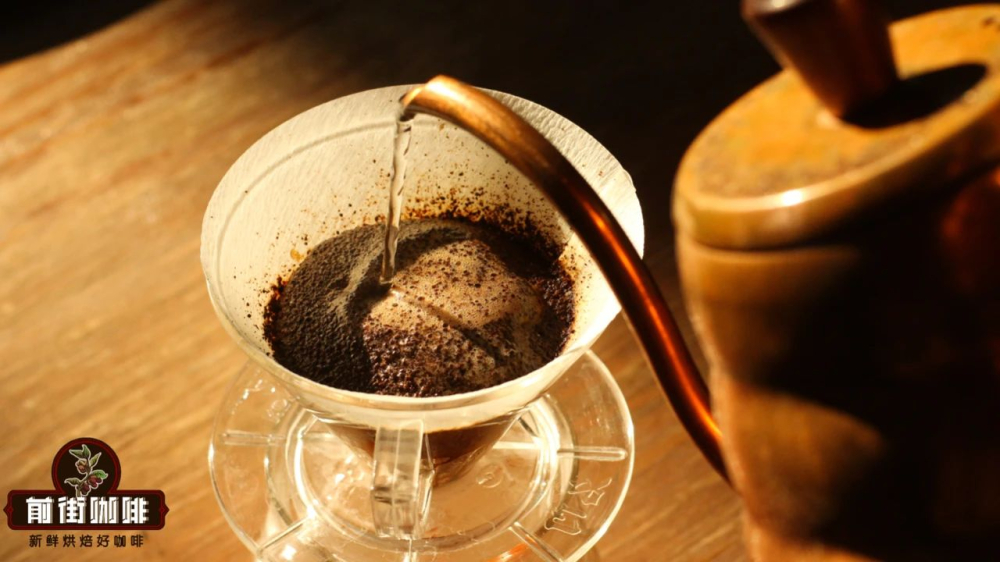
The Robu used by Front Street this time is produced in Vietnam and is dark-roasted, so we will use the extraction parameters for dark-roasted beans to "deal with" it! Dripper used: Kono dripper Dose used: 15g Grind setting: 11 on ek43 (70% passing through a No. 20 sieve) Coffee-to-water ratio: 1:15 Brewing temperature: 88°C Brewing method: three-pour method
First, as usual, we bloom with twice the coffee dose in water (30ml)! After 30 seconds have passed, we pour the second stage of hot water (120ml) in a steady small stream in large circles; finally, in the center of the dripper, we pour the remaining third stage of hot water (75ml) in a large steady stream in small circles; after that, we just wait for the dripping to finish, and the brewing is complete!
During the brewing process, we can clearly smell a wet aroma of hazelnut and caramel. Moreover, this aroma spreads especially quickly, soon filling the entire Front Street shop. When tasting, the caramel and grain flavors are very prominent, but more than anything else it is the taste of barley tea, with a quite full body, while the bitterness is actually okay! Freshly brewed Robusta is actually pretty good~
But after leaving it for a while, once the temperature drops, its shortcomings become apparent. The grain taste becomes heavier, and there is also a hint of rubber, with relatively low cleanliness, mixed with an earthy fishy smell and a bitter finish, and the negative impressions are very obvious.
From the above, it can be seen that Robusta's taste is indeed not good enough. To a large extent, this is due to its caffeine and chlorogenic acid content being higher than Arabica's. With the support of these two bitterness contributors, Robusta will be much more bitter than Arabica. In addition, the one Front Street tasted is a commercial Robusta bean, grown at an altitude below 800 meters, which causes it to grow faster and be unable to fully absorb nutrients, so there are also certain defects in flavor!
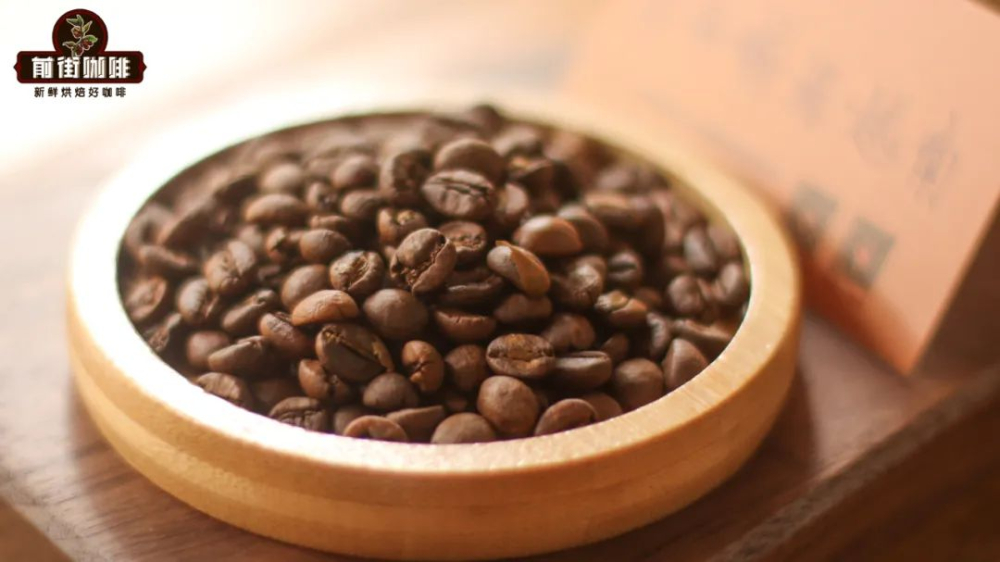
But Robusta is not all disadvantages. Nowadays, some people try to apply the methods of growing Arabica to Robusta cultivation in order to cultivate "specialty-grade" Robusta, and the result has indeed succeeded! This type of high-quality Robu tastes very clean. Although the flavor still revolves around the original caramel, grain, and hazelnut, without much change, overall it is still quite good. It is just that due to low yield, it is difficult for it to circulate to China for us to experience.
Well, Front Street cannot enjoy the good stuff alone. There happen to be friends nearby, so let everyone feel Robusta's "wonderfulness" together!
The above content is compiled by CoffeeHunters, a coffee news website.


