







Search Results for: mixed coffee
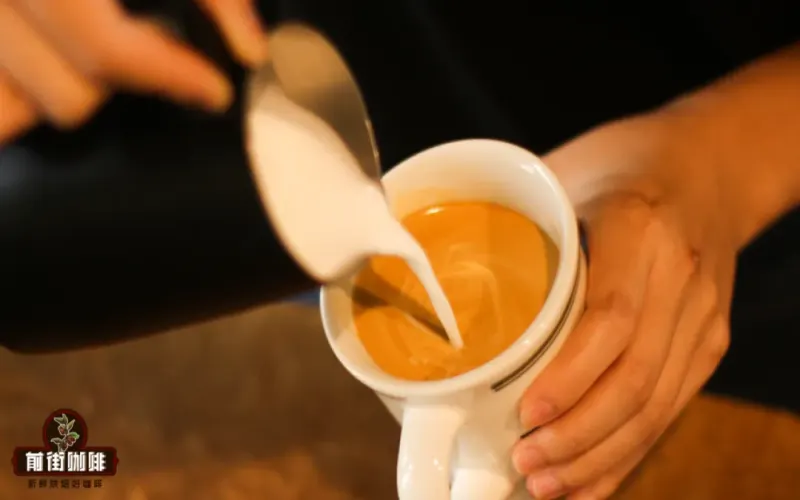
Analysis of Four Common Mistakes in the Coffee Latte Art Pouring Phase: How Flow Distance, Flow Rate, and Crema Condition Affect the Pattern
When creating latte art, integration is a preparatory step just as important as the bloom in pour-over coffee. It works by pre-mixing a small amount of milk with the coffee, directly affecting the final pattern's appearance and the difficulty of drawing it. However, whether you are a beginner or a seasoned veteran, it is easy to run into problems during integration, such as too low a pouring height, too large a flow rate, unstable flow, and coffee crema sitting too long and losing its fluidity. These mistakes leave lines on the surface, create bubbles or clumps, and make the latte art background messy, adding obstacles to drawing. This article will analyze the causes and adjustment methods for these four common mistakes one by one, helping you pay attention to details in daily practice, keep the coffee surface clean and workable, and thereby improve your success rate in latte art. [more…]
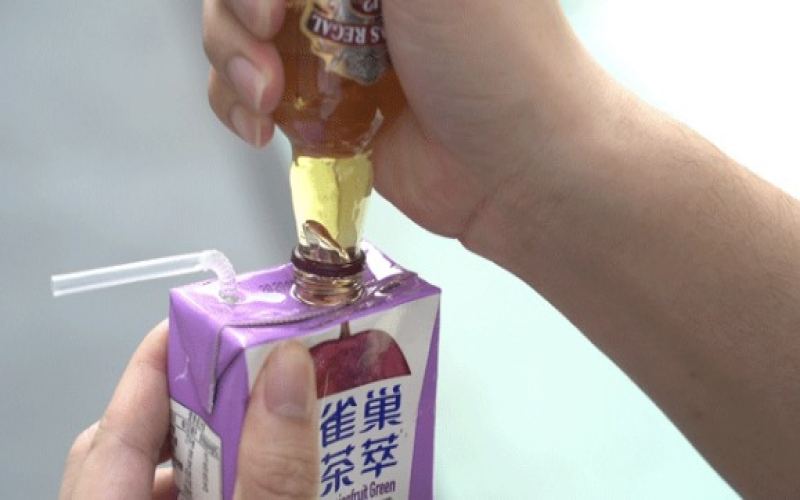
7-Eleven Tests a Self-Service Cocktail Station: Can Convenience Store Cocktails Mixed with Coffee Become the Next Big Trend?
In the past two years, convenience store cocktail mixing has unexpectedly gone viral, with netizens using soft drinks, coffee, and mini liquor bottles to create all kinds of DIY concoctions. 7-Eleven recently piloted a self-service cocktail mixing area at a store in Beijing, offering four popular base spirits along with trending online recipes, allowing consumers to experience coffee cocktails at a lower cost and in a more elegant way. This move not only lowers the barrier to DIY but also reflects young people's blurring of the boundaries between coffee and alcohol consumption scenarios. This article takes you through the past and present of convenience store cocktail mixing and explores whether alcohol and coffee can be consumed together. [more…]

From Surfactants to Foam Stability: A Beginner's Guide to Latte Art and the Principles of Fluid Dynamics
Latte art is a romantic expression of a barista's skill, with white milk foam blooming into heart or leaf patterns on the surface of dark brown espresso. Latte art is divided into two types: free-pour latte art and etched latte art created after pouring. The wonder of the former lies in the pattern forming simultaneously with the pour, while the latter offers a wider range of designs because the stable foam allows for leisurely drawing. From a physics perspective, the core of latte art lies in surfactants—molecules that possess both hydrophilic and hydrophobic groups, capable of stabilizing the interface between air and liquid to form lasting foam. Milk proteins and coffee lipids act together as surfactants, enabling the two micron-scale foams to remain clearly separated for a long time after mixing, thereby allowing the pattern to persist. This article will guide you from the basic principles of surfactants to understand espresso's crema, the formation of hot milk foam, and why foam mixing rather than liquid mixing is the key to successful latte art, while also revealing the widespread applications of surfactants in daily life and industry. [more…]
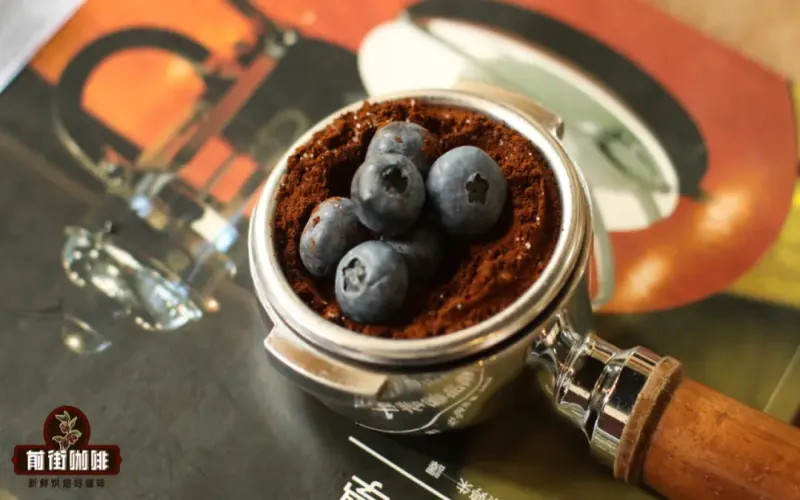
Is It Feasible to Mix Granulated Sugar or Osmanthus into Espresso Extraction? Front Street's Hands-On Test Reveals the Impact of Channeling
Some coffee enthusiasts like to try mixing ingredients such as osmanthus, granulated sugar, or butter into the coffee puck before extracting espresso, hoping to achieve a more naturally integrated flavor. But is this approach really feasible? Front Street conducted a comparative experiment, mixing granulated sugar into the coffee grounds and adding it directly into the cup, to observe the differences in flavor and extraction parameters of the espresso produced by the two methods. The results showed that sugar mixed into the puck caused the extraction time to shorten significantly, with a sharp and separated taste, while the method of adding it directly into the cup produced a surprisingly well-integrated effect. This article will analyze the experimental process and the reasons behind it in detail, helping readers understand why mixed extraction often backfires. [more…]
A Complete Guide to Espresso Blend Coffee Beans: From Raw and Roasted Blending to Classic Recipes and Flavor Pairing
The essence of espresso often lies in the blend—skillfully combining coffee beans of different varieties or roast levels so that their flavors complement one another. This article systematically explains the two blending processes for blend beans (pre-roast blending and post-roast blending), the differences in resting time, and the three main approaches to blending coffee: using a base bean as the core, combining beans with opposite characteristics, and blending similar beans while adding distinctive flavors. It also provides classic espresso recipe ratios for three types—bright and acidic, balanced, and bitter-leaning—and mentions recommendations from the Front Street brand. Whether you are a coffee enthusiast or a professional, you can find practical blending inspiration here. [more…]

Black Coffee Bean Varieties | What's the Difference Between Single-Origin Pour-Over Beans and Espresso Blend Beans? Can Espresso Blend Coffee Beans Be Used for Pour-Over Black Coffee?
With the development of specialty coffee, more and more people are falling in love with single-origin coffee. Two types of coffee have emerged on the market: single-origin coffee beans and blended coffee beans. Single-origin coffee beans are generally used for making pour-over coffee, though many specialty coffee shops also use single-origin coffee beans to make espresso. Blended coffee beans [more…]

Manner and M stand are frequently confused, with delivery mix-ups and membership code scanning errors, and similar store designs triggering a chain coffee mix-up.
In an era when chain coffee brands are densely expanding, Manner and M stand are often hard for consumers and delivery riders to tell apart, since both adopt a minimalist black-and-white style and a prominent letter M logo. Recently, a customer ordered Manner takeout on Meituan but received a product from M stand, sparking a refund dispute. Such incidents are not isolated: some people have scanned their M stand membership code at the Manner counter, some only discovered after ordering that another brand's item was sitting in the pickup locker, and some customers even went to the wrong store to ask about specialty drinks. The two brands are not only similar in visual identity, but also often located next to each other, further increasing the chance of confusion. This article sorts out the reasons behind these mix-ups and looks at how baristas and consumers are responding. [more…]
Can New and Old Coffee Beans Be Mixed Together for Pour-Over? Front Street Tests Three Brewing Comparison Groups
Many coffee enthusiasts often encounter this situation at home: the freshly bought coffee beans haven't rested long enough yet, while there's still a nearly used-up bag of older beans they're reluctant to throw away. To make up enough grounds for a full pot, some people mix two batches of beans with significantly different roast dates and brew them together. Does this actually affect the coffee's flavor? Front Street conducted a comparative experiment using the same Elida Estate Catuai, brewing three groups separately—old-date beans, new-date beans, and a 1:1 blend of old and new beans—recording everything from the state of the coffee bed and degassing performance to aroma and taste. This article combines the experimental process to analyze how the coffee bean resting period affects extraction, and offers practical suggestions for saving beans without sacrificing flavor. [more…]
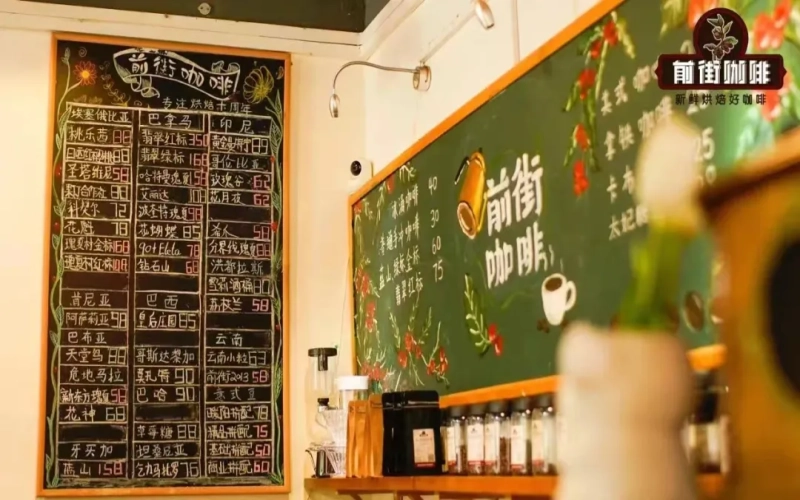
Does specialty mixed coffee really count as coffee? One article clarifies the essential differences between specialty mixed coffee and pour-over coffee.
In recent years, specialty coffee drinks have become a hot topic in the coffee world, but how exactly should they be defined? Compared with pour-over specialty coffee, which emphasizes flavor, specialty coffee drinks place more emphasis on the maker's creativity and personal interpretation, using coffee as the base and blending in diverse ingredients such as alcohol, fruit, floral tea, and sparkling water to create unexpected flavors. The barrier to entry is low and the audience is broad, yet it has also sparked controversy because "the coffee flavor is weakened" — can a specialty drink with no coffee taste still be called coffee? This article will begin from Front Street's perspective and sort out the conceptual origins of specialty coffee drinks, their differences from pour-over coffee, and why they have become a showcase of imagination in today's coffee shops. [more…]

Huoxiang Zhengqi Shui mixed into iced Americano? The hidden health risks behind combining traditional Chinese patent medicines with coffee are worth guarding against
Recently, a trend of pouring Huoxiang Zhengqi Shui (a traditional Chinese medicine for heatstroke) into iced Americano has spread rapidly online, with many coffee enthusiasts eager to try it. From the earlier practice of adding ice cubes to herbal tea, to later mixing traditional Chinese medicine granules into coffee, and now directly pouring Huoxiang Zhengqi Shui into iced Americano, these "medicated coffee" concoctions keep escalating. However, Huoxiang Zhengqi Shui is, after all, a medicine, and its ingredients may irritate the stomach and intestines. When mixed with coffee, it can easily trigger gastrointestinal spasms, leading to abdominal pain, diarrhea, vomiting, and other discomforts. Curiosity is understandable, but casually mixing medicine with coffee has crossed the boundary of safety. This article will start with the origins of this trend and discuss why this way of drinking is not worth promoting. [more…]

Luckin's launch of Toffee Hazelnut Milk Tea sparks debate: accused of mixing unsold ingredients to clear inventory, classic latte recipe also adjusted
As the weather turns cooler, Toffee Hazelnut Latte has once again become a hot topic among coffee enthusiasts. Brands such as Starbucks and Peet's have successively announced the return of their classic versions, and Luckin is also reported to be launching a Toffee Hazelnut Latte next week, along with a new "Toffee Hazelnut Milk Tea." However, this new product has sparked collective concern among Luckin employees. According to a leaked recipe, the milk tea uses Assam black tea as its base, with the addition of Toffee Hazelnut Velvet Flavored Milk, brown sugar syrup, Silkido, and Milk Skin Velvet Flavored Milk. Employees pointed out that when Silkido and Milk Skin Velvet are mixed, they form the "tofu pudding"-like milk jelly that was criticized in the previous Milk Skin Latte, and since these two ingredients have long been overstocked, it is being questioned as a mix-and-match move to clear inventory. Meanwhile, this year's returning Toffee Hazelnut Latte is also rumored to have a changed recipe, which may leave consumers who were expecting last year's taste somewhat disappointed. [more…]
The Blending Principles and Purposes of Espresso Blend Coffee Beans, and Whether Blend Beans Are Suitable for Pour-Over Coffee
In the specialty coffee wave, single-origin beans and blended beans each have their own followers. Single-origin beans often appear in the pour-over realm, while blended beans mainly target espresso, safeguarding flavor consistency. But why exactly are beans blended? Can blends handle pour-over? And is it feasible to use single-origin beans for espresso? This article starts from Front Street Coffee's fresh-roasting philosophy, clarifies the conceptual boundaries between blends and single-origin, analyzes the process differences between pre-roast blending and post-roast blending, addresses the bean selection and roasting key points for SOE, and explains the rationale for using blended beans in pour-over along with Front Street's specific blending approach. [more…]

Making Boozy Coffee at Home: 10 Alcoholic Coffee Drinks with Recipes and Methods
Want to find a balance between a gentle buzz and staying clear-headed? Spiked coffee is becoming a new choice for many young people. When you're tired during the day, a hint of alcohol helps relax your nerves; after work at night, a warm alcoholic coffee soothes body and mind; and when the weather turns cold, it brings warmth from the inside out. This article compiles 10 alcoholic coffee recipes suitable for making at home, from simple convenience-store mixes to creative versions with milk foam, and to specialty cocktail coffees with a stronger alcoholic kick, covering pairings with various base spirits such as Baileys, whiskey, gin, brandy, and rum. When making them, there's no need to be rigid—just adjust the amount of alcohol to your personal preference—but be sure to drink in moderation according to your own condition, minors are prohibited from drinking alcohol, and drunk driving is strictly forbidden. At the end of the article, there is also a communication channel for Front Street Coffee (FrontStreet Coffee), making it convenient for coffee lovers to discuss further. [more…]
What Is Blended Coffee? An Analysis of Espresso Bean Blending Methods and Key Points on Resting Time
For those who are new to specialty coffee, seeing baristas sell beans from different origins blended together can be puzzling. In fact, this is blended coffee, also known as a blend. From the perspective of Front Street Coffee, this article systematically explains the definition of blended coffee, the purpose of blending, the difference between pre-roast blending and post-roast blending, as well as blending approaches for different origins and different varieties. It also provides a detailed introduction to the recipes and flavor characteristics of Front Street's four espresso blends, along with suggested parameters for pour-over blended coffee, helping coffee enthusiasts fully understand the value and uses of blended coffee. [more…]
Wine Process Coffee Bean Flavor Analysis: Front Street Explains the Differences Between Acetic Acid, Lactic Acid, and Mixed Fermentation
The red wine process is a method of processing green coffee beans that draws on winemaking concepts, and currently only a few estates in Colombia have successfully commercialized it. Depending on the fermentation environment, it can be divided into three types: acetic acid fermentation, lactic acid fermentation, and mixed fermentation, each presenting distinctly different flavor characteristics. At the same time, the washed method and the semi-washed method (honey process) remain the most mainstream processing methods in the specialty coffee field, and many of Front Street Coffee's representative beans use these techniques. This article will systematically sort out the classification and flavor performance of the red wine process, and compare the processing flows of washed and semi-washed methods, to help coffee enthusiasts more clearly understand the impact of processing methods on the flavors in the cup. [more…]
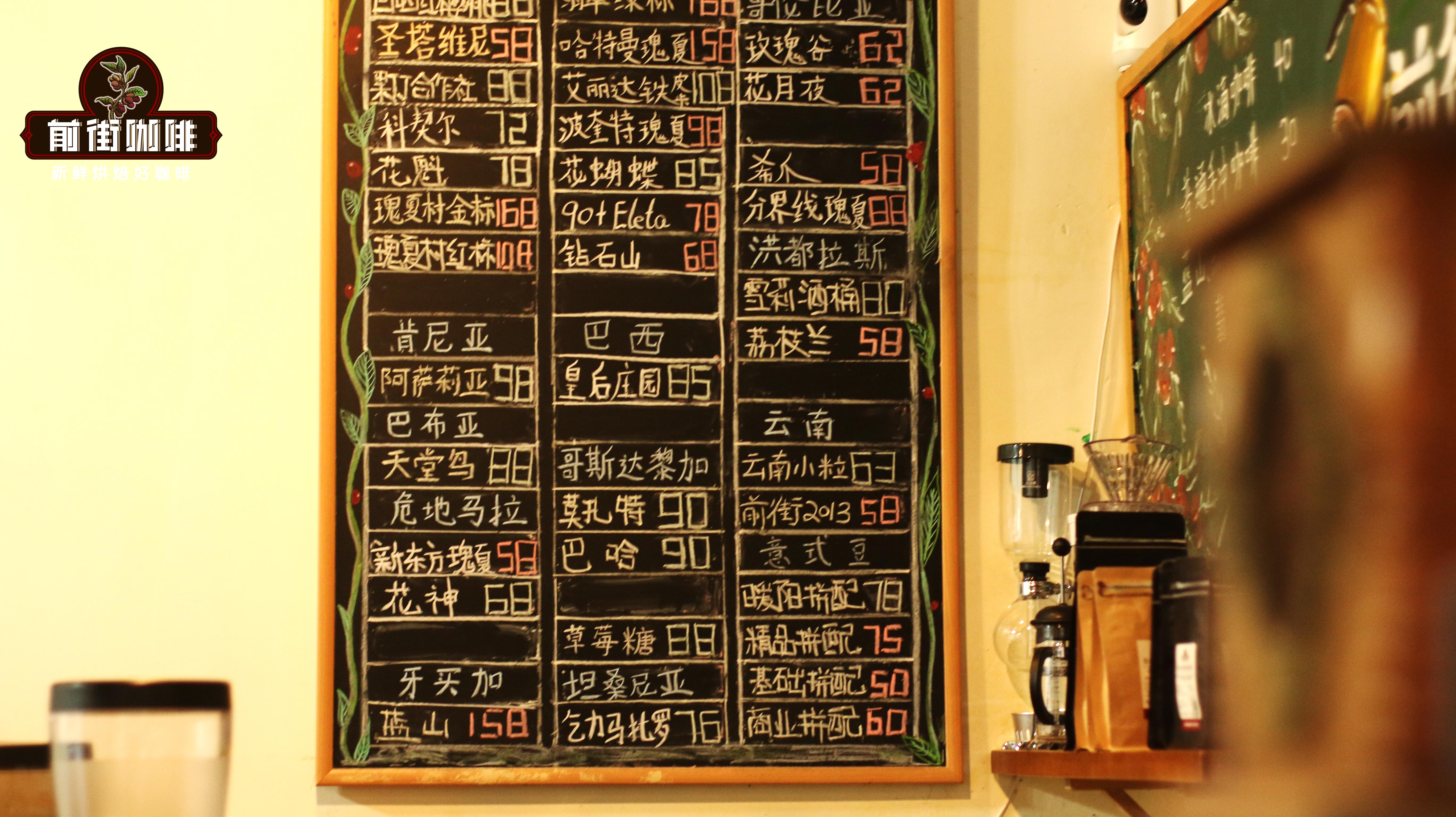
Why Are Ethiopian Coffee Beans So Genetically Mixed? A Detailed Explanation of the Root Causes Behind Their Rich Flavor Complexity
Ethiopia is a genetic treasure trove of coffee. Its producing regions boast a vast array of bean varieties and richly layered flavors, which often spark curiosity among coffee enthusiasts. On Front Street Coffee's bean list, Ethiopian beans consistently rank among the most frequently offered, and as a result, we've received quite a bit of customer feedback—most commonly about beans varying in size. This article will approach the issue from the angle of variety mixing, analyzing the deeper reasons behind the complex taste and flavor of Ethiopian coffee beans, to help everyone gain a more well-rounded understanding of this legendary region's unique charm. [more…]
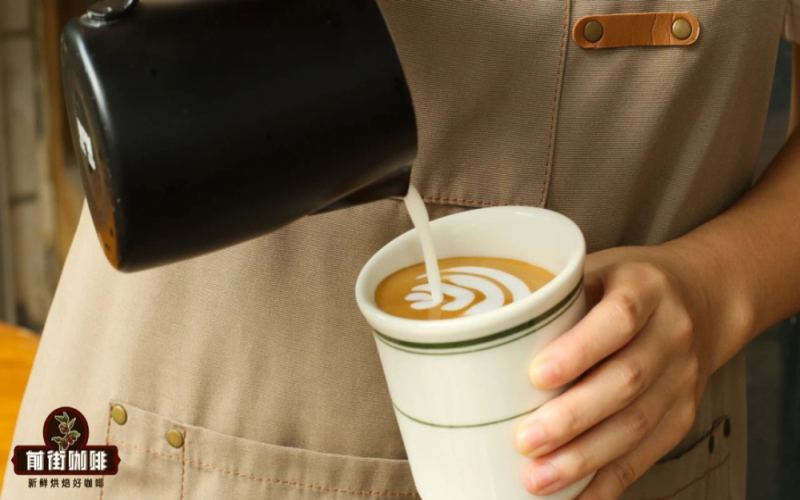
Full Process Tutorial for Italian Coffee Latte Art Heart Pattern: Detailed Explanation of Milk Foam Steaming, Blending Techniques, and Pitcher Holding Posture
Want to make café-level heart latte art at home, but it always turns into a blob the moment you pour? The key actually lies in three elements: milk foam texture, integration technique, and pitcher grip. Front Street Coffee has systematically put together everything from steam wand positioning and milk frothing temperature control, to integration flow practice, latte art pitcher grip, and then to efficient daily practice methods, to help you conquer the heart pattern step by step. There is no mysticism in this article—it is all hands-on details you can practice, suitable for beginner coffee enthusiasts to follow along. [more…]
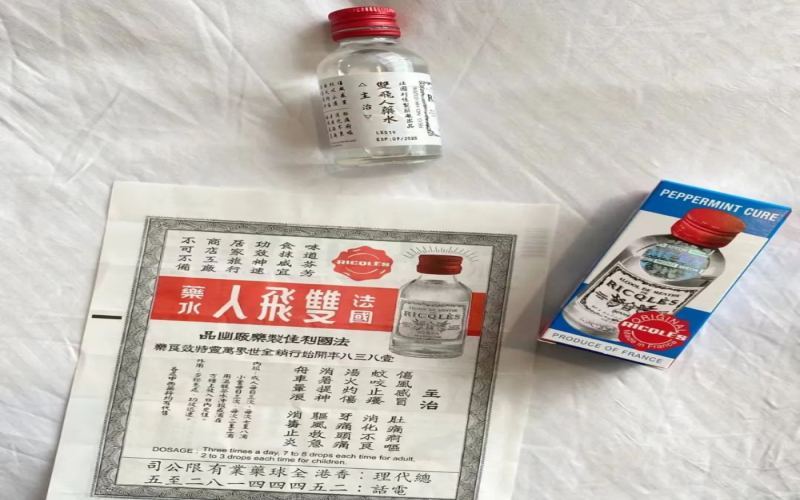
Double Flying Man Medicated Oil Mixed with Iced Americano? The Wild Ideas and Hidden Worries of Guangdong's Specialty Coffee
Recently, sauce-flavored lattes and Moutai coffee have flooded social media, but the wild concoctions from netizens in Guangdong are even more jaw-dropping—they've dripped the household staple "Shuangfeiren" medicinal oil into iced Americano to create a "Shuangfeiren Iced Americano." This trend has also spawned "everyday collabs" like Jiujiang Shuangzheng Latte, Pineapple Beer Americano, and Yubingshao Coffee. This article takes you through the origins of these outrageous pairings, while reminding you: mixing coffee with alcohol requires caution, as the combined stimulant and excitatory effects may impact the nervous system, and those with heart, gastrointestinal, or liver issues should especially avoid it. Joking around is one thing, but your health comes first. [more…]

Espresso Blend Philosophy | Why Blend Coffee Beans? How Different Are Espresso Blends from Single-Origin Beans in Flavor?
Coffee lovers who frequently visit Front Street Coffee (FrontStreet Coffee) know that Front Street Coffee (FrontStreet Coffee) not only offers pour-over coffee but also espresso-based drinks, such as mocha, cappuccino, latte, and more, which are often available. [more…]
What Are Coffee Blends? A Comprehensive Analysis of Espresso Recipe Principles and Resting Time
Blended coffee beans are the core foundation of espresso and a craft that baristas continually explore. What exactly is blended coffee? Why was it born in Italy and why is it still popular today? What are the pros and cons of blending raw beans versus blending roasted beans? Why must espresso use blended beans rather than single-origin beans? From the perspective of Front Street Coffee, this article systematically sorts out the definition, historical origins, blending logic, and methods of blended coffee, and introduces in detail the recipe characteristics and flavor performance of Front Street's four espresso blends. It also includes practical parameters for pour-over blended coffee to help coffee enthusiasts fully understand the value and uses of blended coffee beans. [more…]