








What Is a Coffee Blend and How Does It Differ From Pour-Over?
Signature drinks, translated from the WBC competition term Signature Drink, are coffee-based beverages that combine the base with ingredients such as alcohol, fruit, flower tea, or sparkling water. They lean toward the maker's creativity rather than showcasing the coffee's own flavors, and the low barrier to entry lets beginners grasp the drink quickly.
Pour-over specialty coffee instead emphasizes flavor and tasting. For example, preserved plum coffee, osmanthus coffee, and clarified coffee fall within the signature drink category because each carries the maker's imprint, similar to a cocktail with coffee as the base. The debate continues over whether such drinks, with coffee flavor weakened, still count as coffee.
Specialty coffee has become a hot topic in the coffee world in recent years, but how exactly should it be defined? Compared with pour-over specialty coffee that emphasizes flavor, specialty coffee focuses more on the maker's creativity and personal interpretation, using coffee as the base and blending in diverse ingredients such as alcohol, fruit, flower tea, and sparkling water to create unexpected flavors. It has a low barrier to entry and a broad audience, yet it also sparks controversy because "the coffee flavor is weakened"—can a specialty drink without any coffee taste still be called coffee? This article will, from Front Street's perspective, sort out the conceptual origins of specialty coffee, its differences from pour-over coffee, and why it has become a showcase of imagination in today's coffee shops.

That said, specialty coffee is still a topic well worth discussing in depth, after all, it is now arguably one of the brightest stars in the coffee scene. So here's the question—what exactly does specialty coffee mean?
What Is Specialty Coffee?
"Specialty Coffee"
This name is actually a free translation of Signature Drink from the WBC competition. Signature means a signature or mark, and Drink refers to a beverage. Put together, it can roughly be understood as a special drink bearing a distinct personal imprint.
Unlike the specialty philosophy that focuses on showcasing the coffee's own flavors, specialty coffee leans more toward expressing personal creativity and the creator's unique understanding of coffee. Each specialty drink carries a distinctive style and label depending on who makes it, delivering a different kind of fresh experience.
It is somewhat close to the idea of a cocktail, except the base is swapped for coffee, and then various ingredients are added to collide with the coffee, thereby creating unexpected flavors.
For example, the preserved plum coffee, osmanthus coffee, and clarified coffee that Front Street shared some time ago all actually fall within the scope of specialty coffee.
Compared with specialty coffee, specialty drinks do not require a complicated tasting process, and even beginners can directly grasp what the specialty drink is trying to convey.
Precisely because of this, compared with traditional types of coffee, specialty coffee can reach a broader consumer base.
In addition to conventional ingredients such as milk and syrup, alcohol, fruit, juice, flowers, tea, sparkling water, spices, and more can all be used to blend with coffee. Of course, these ingredients are relatively conservative; even bolder recipes abound, and Front Street will not list them one by one (those ingredients added purely for attention-seeking do not count).
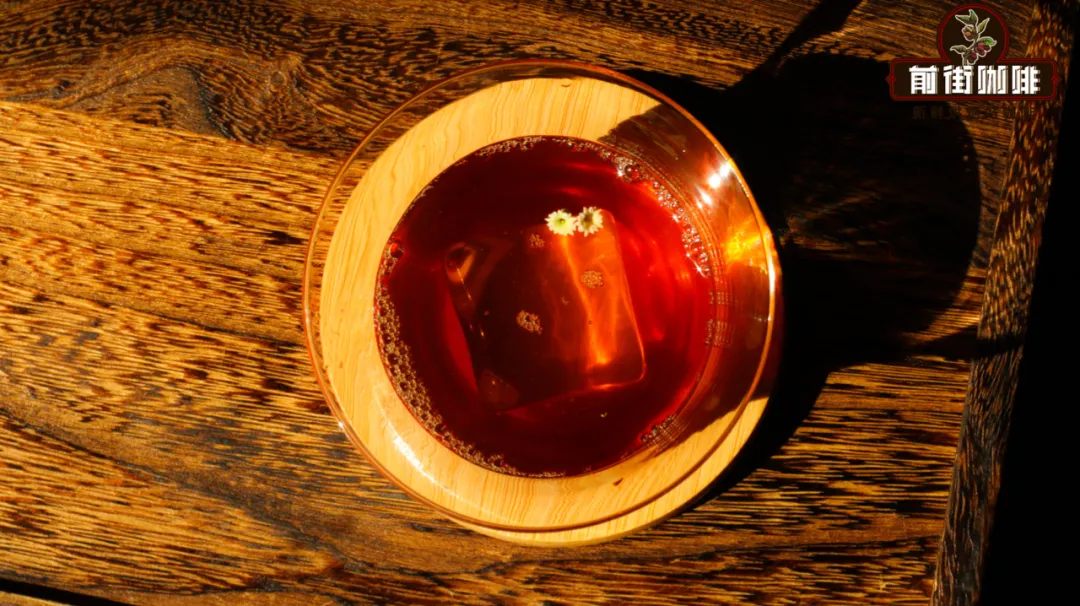
Since specialty drinks place great importance on the harmonious pairing of different ingredients in texture and flavor, it can be said that specialty coffee is a public display of the barista's or coffee shop's imagination.
Every cup of specialty coffee carries the maker's or the shop's unique understanding and creation of this beverage.
As specialty coffee continues to grow in popularity, coffee shops specializing in specialty drinks have now appeared. But at the same time, controversy has risen along with popularity. Because there are no boundaries, some coffee shops deliberately reduce the presence of coffee in the overall drink in pursuit of balance in flavor. And since coffee is the main subject in the term "specialty coffee," controversy arises: "Can a cup of specialty coffee with no discernible coffee taste still count as coffee?"
(Everyone is welcome to share their views in the comments section)
The above content is compiled by CoffeeHunters, a coffee news website.


