







Search Results for: misappropriation of business receipts

A milk tea shop employee who secretly swapped the payment QR code to pocket the shop's earnings was fired; the owner has released surveillance footage and plans to report the matter to the police.
Recently, a news story about a milk tea shop employee who replaced the store's payment collection channel with a personal payment QR code and pocketed the revenue has attracted widespread attention. The shop owner exposed in-store surveillance footage on social media, showing the employee presenting a personal payment code to customers while working alone and inducing consumers to scan it by claiming the "payment device was malfunctioning." The owner said the account discrepancies had persisted for a long time, but the employee did not stop. The store has now collected all surveillance evidence and is preparing to call the police. This incident not only exposed loopholes in the store's daily management but also once again sparked discussions in the food and beverage industry about payment security and employee integrity. [more…]
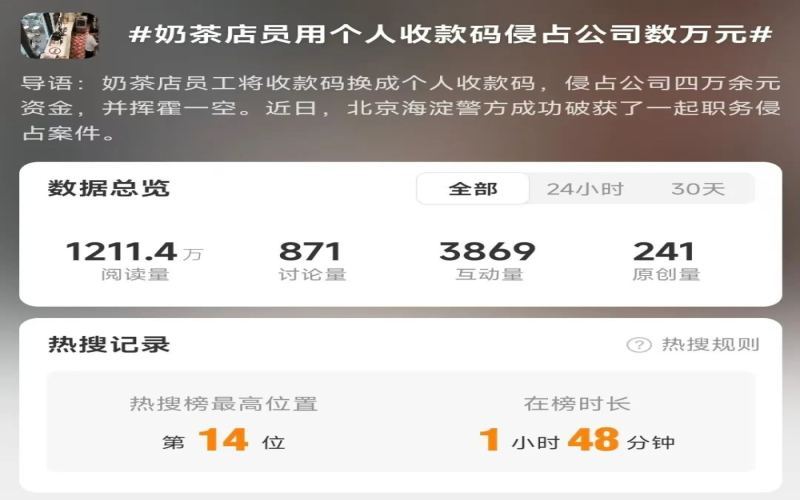
Milk tea shop employee secretly swaps payment QR code, embezzles 40,000 yuan and is criminally detained; corporate internal control loopholes draw attention
Recently, an incident in which a milk tea shop employee replaced the store's payment QR code with a personal one and misappropriated tens of thousands of yuan from the company trended on Weibo, sparking widespread discussion. According to a notice from the Haidian Public Security Bureau in Beijing, the employee had been collecting payments via a personal QR code since May of this year and concealed the act by cutting off the network and disabling surveillance. The estimated amount misappropriated reached over 40,000 yuan, and the person has now been criminally detained in accordance with the law. This case not only exposes loopholes in financial management at retail stores, but also once again reminds operators to strengthen internal oversight. As a platform for coffee enthusiasts, Front Street Coffee has always followed business developments and compliance issues in the beverage industry. This article reconstructs the course of events and analyzes the relevant legal points. [more…]
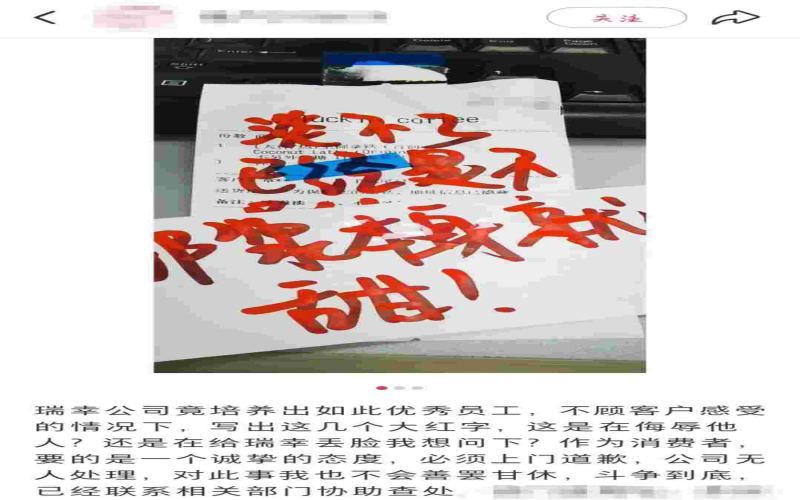
Luckin employee responds to customer taste request with handwritten note in red pen on receipt, customer complaint escalation sparks heated discussion
A coconut milk latte with a note saying "make it a bit lighter," because the staff member filled the receipt with explanatory text in red marker, sparked a customer complaint storm that escalated from social media to the media. The customer felt the store's attitude was disrespectful and demanded a home visit apology; the store explained that it was busy at the time and could not call each customer individually. After the incident trended on social media, netizens' opinions were sharply divided, and beverage industry workers also chimed in. In this dispute caused by a red-text receipt, who really has a point? [more…]
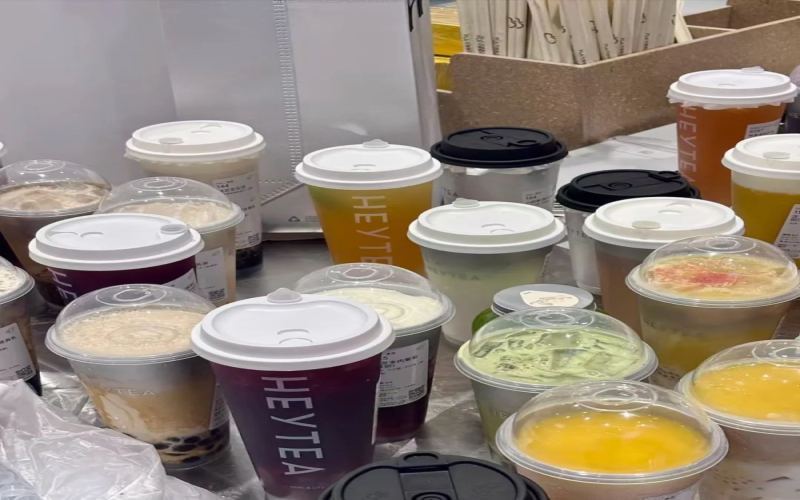
During the Spring Festival, milk tea orders surged by 180%, and store employees worked nonstop, saying they were overwhelmed.
During the Spring Festival holiday that just passed, milk tea sales nationwide surged by 180.4% year-on-year, with many consumers bringing milk tea and coffee to the New Year's Eve dinner table, replacing traditional alcoholic drinks and beverages. The surge in orders put chain tea beverage stores into high-intensity operation from New Year's Eve, with receipt printers at the front desk spewing orders nonstop, empty cups piling up like mountains on the preparation counters, and staff in the prep room peeling, juicing, and boiling ingredients without a moment's rest. Employees worked around the clock, some putting in 12-hour days for a full week straight, some so busy they had no time to drink water or use the restroom, and equipment frequently jammed or broke down. Facing customers and delivery riders clamoring for their orders, staff at the pickup station could only apologize repeatedly, mocking themselves as "sorry to everyone." This article takes you inside the Spring Festival tea shop frenzy and the real lives of these workers. [more…]
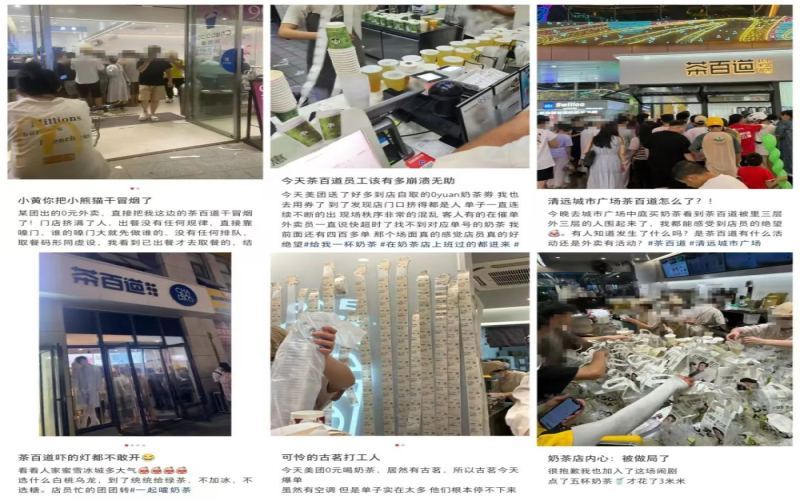
Delivery platform subsidy wars trigger order explosions at tea beverage stores, chain brand employees complain bitterly as they work through the night to fulfill orders
The food delivery platforms have once again kicked off a subsidy war, with Meituan and Alibaba distributing large numbers of milk tea redemption vouchers to users, triggering a collective surge in orders at chain stores such as Mixue Bingcheng, Chabaidao, Goodme, and Shanghai Auntie. On the night of July 5, orders flooded into tea beverage stores in many places like a tidal wave, receipt printers nearly collapsed, and employees kept busy from the evening shift until the early hours of the morning yet still could not clear the backlog of orders. Some stores urgently called back off-duty employees for support, while delivery riders and customers surrounded the stores so tightly that not a drop could get through. While consumers got milk tea for 0 yuan, the workers behind the counter experienced a night comparable to "doomsday." This game between platforms ultimately shifted the pressure onto the frontline tea beverage workers. [more…]
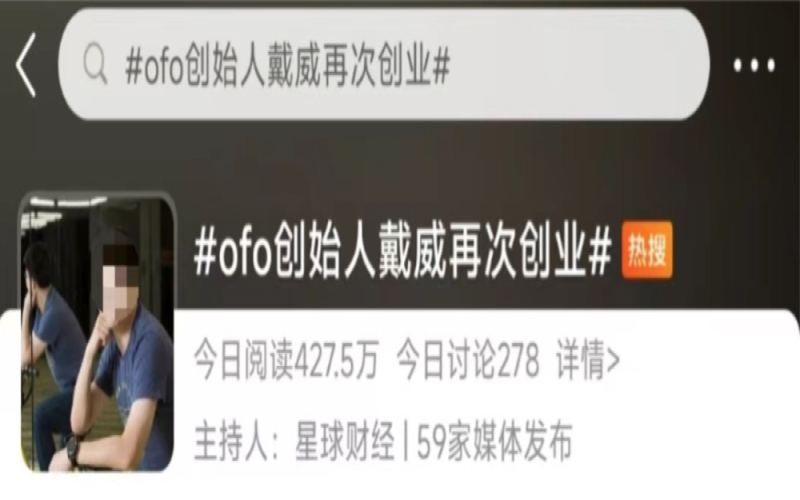
Ofo founder Dai Wei goes to the US to start a coffee shop again, netizens call for deposit refunds, Front Street Coffee follows industry trends
Remember ofo? That once ubiquitous bike-sharing brand is still nowhere near refunding deposits, yet its founder Dai Wei has reportedly started a new venture in the US—this time in the coffee sector. It's said that Dai Wei founded About Time Coffee in New York, specializing in iced pearl coffee, where new users can get a free cup upon registration, mirroring the marketing tactics of ofo back in the day. As soon as the news broke, netizens clamored for their money back. Front Street Coffee takes you through the whole story. [more…]
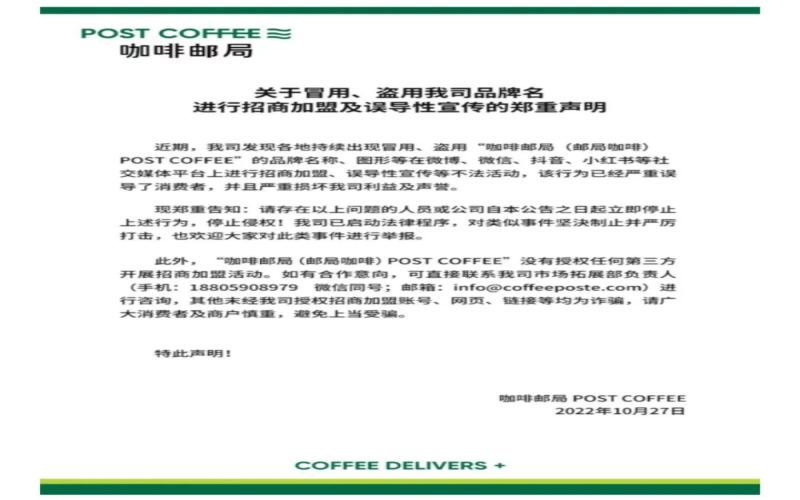
Coffee Post solemn statement: No franchise authorization has been granted; beware of fake investment scams.
Recently, Coffee Post issued a stern statement regarding fraudulent franchise recruitment activities in the market that falsely use its brand name, explicitly stating that it has never authorized any third party to engage in franchise cooperation and has initiated legal proceedings to pursue accountability. This incident has once again thrust this coffee brand—jointly created by China Post and Zhongyu Kaye—into the spotlight, and also reflects the market chaos behind the continuously heating coffee track. This article will sort out the sequence of events, the brand's operational structure, and future layout challenges, helping readers clarify the facts and avoid falling into the trap of "fake" operators. [more…]
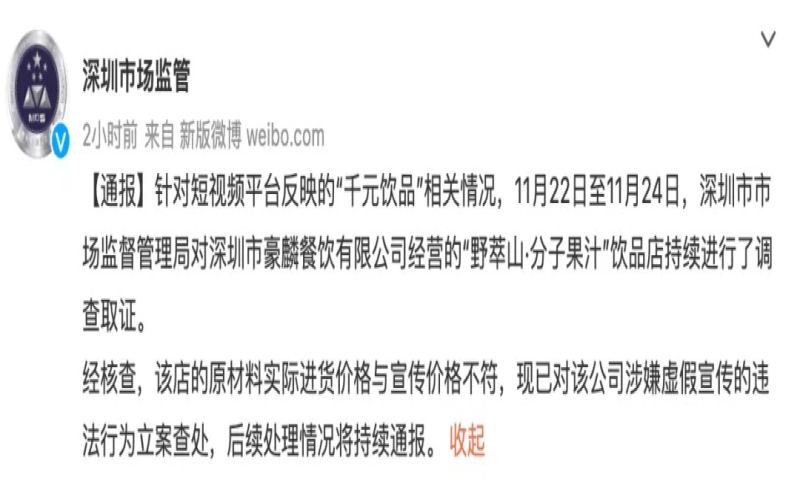
Heytea's Thousand-Yuan Olive Juice Under Investigation: The Controversy Over False Advertising and the Truth Behind the High Price of Chaoshan Olives
Recently, Shenzhen's Heytea was investigated by regulators for suspected false advertising over a cup of olive juice priced at a thousand yuan, sparking heated discussion among netizens. Many consumers left comments on Weibo asking whether they could get a refund with their receipt, and the incident once again reminds everyone to consume rationally. Meanwhile, why can Chaoshan olives sell for such a high price? This article analyzes the whole story of the incident, the regulatory investigation, and raw material costs, taking you through the business logic behind the thousand-yuan juice and the preciousness of Chaoshan olives. [more…]

"People's Cafe" has nearly 30 locations nationwide, yet its trademark has been repeatedly rejected: the compliance of its store logo sparks heated debate
Recently, a coffee shop branded "People's Coffee" sparked widespread discussion in Shijiazhuang. A subsequent media investigation found that similar stores have covered 18 provinces and 20 cities nationwide, with nearly 30 directly operated outlets. Its parent company, YaoChao (Shanghai) Culture Communication Co., Ltd., has applied for the "People's Coffee" trademark multiple times since 2022, but all applications were rejected. It only holds two registered trademarks: "Chao People's Coffee" and "YaoChao People's Coffee." However, the actual store signs do not display the words "Chao" or "YaoChao." This phenomenon has drawn public attention to commercial signage compliance, trademark usage norms, and potential legal risks, and lawyers have also offered professional interpretations. [more…]

Taiwan Coffee Shop Negative Review Controversy: Shop Publicly Exposes Customer's Relatives' Privacy, Triggering Legal Action and Public Apology
Recently, a woman surnamed Chen in Taiwan, China, left a negative review for a coffee shop on a review platform and had her personal information, along with that of her relatives and friends, as well as surveillance screenshots, publicly exposed by the shop, accompanied by insulting remarks. The incident sparked strong outrage among netizens, the shop's rating plummeted, and Ms. Chen called the police and filed a lawsuit. The shop subsequently deleted the post and issued a public apology, but Ms. Chen said she had not been contacted privately and would continue to pursue legal action. In this episode of Coffee News, we take you through the whole story, while also focusing on the professional coffee knowledge exchange brought to you by Front Street Coffee. [more…]
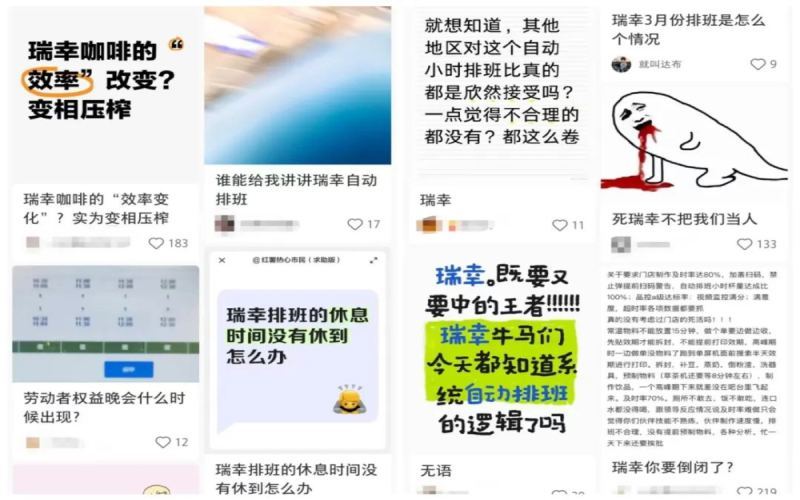
Luckin's adoption of AI automated scheduling sparks employee dissatisfaction, with its cup output algorithm accused of ignoring invisible workload.
Luckin Coffee recently launched an internal AI-based store scheduling system that collects historical business data to predict the daily staffing and working hours needed at each store, attempting to allocate existing manpower more efficiently. However, this seemingly scientific automatic scheduling has drawn widespread complaints from many Luckin employees. They point out that the system uses hourly cup output as its core reference only, completely ignoring a large amount of invisible work such as cleaning, ingredient preparation, and expiration checks, leaving baristas working alone exhausted and even forced to work unpaid overtime just to finish up. Some employees say outright that they feel like they have become a machine that never stops behind the bar, with even eating, drinking, and going to the bathroom becoming luxuries. This efficiency reform driven by algorithms is pushing frontline baristas to the brink of physical and mental exhaustion. [more…]

Customer Accidentally Breaks Purple Clay Teapot Lid, Asked to Compensate Over 900 Yuan; Netizens Debate Whether Compensation Standard Is Reasonable
Drinking coffee in a café is supposed to be a relaxing and pleasant affair, but if you accidentally damage a display piece in the shop, it can trigger a headache-inducing compensation dispute. Recently, a customer in a café accidentally broke the lid of a Yixing clay teapot priced at 3,980 yuan, and ultimately compensated 926.5 yuan, half of the wholesale price. After the incident came to light, netizens engaged in a heated discussion over whether the compensation amount was reasonable and whether the shop should present purchase receipts. Why is it so hard to find a matching lid for a handmade Yixing clay teapot? How should responsibility be divided between the customer and the shop? This article will walk you through the incident and the various viewpoints, and explore how fragile utensils should be displayed and used in coffee spaces. [more…]

Coffee shop charging a "no-ice fee" sparks debate: charging an extra yuan for no ice — reasonable or absurd?
Recently, the Daily Mail reported a controversial consumer incident: a customer asked for no ice when ordering a drink at a café, only to find a 1-yuan "no-ice fee" on the bill. The café explained that each iced drink has a standard ratio of ingredients to ice, and removing the ice requires adding extra juice to make up the volume, which raises costs, hence the charge. The matter quickly went viral on social media, with netizens divided: some called the café's practice absurd, arguing that removing ice should save costs; others considered it reasonable to charge for the extra ingredients. Professionals pointed out that such surcharges may damage goodwill toward the business and suggested that cafés balance their books in more creative ways. [more…]
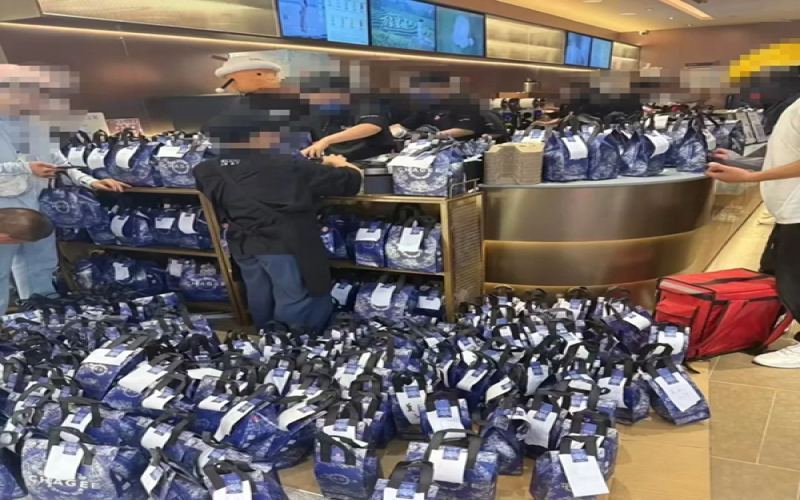
The takeout battle on the first day of autumn triggered a surge in chain tea orders, overwhelming stores that had to close temporarily to deal with the backlog.
The arrival of the Start of Autumn solar term has once again sparked a consumer frenzy with the annual "first cup of milk tea in autumn" promotion. This year, driven by large-scale distribution of tea voucher and discount coupons on platforms such as Meituan, Ele.me, and JD.com, combined with brands' own promotions, order volumes have far exceeded previous years. However, behind the order surge is extreme pressure on store operations: receipt piles are mountainous, rider capacity is severely insufficient, delivery delays and wrong drink deliveries occur frequently, and customer complaints have surged. To ease the pressure, some stores of brands such as Starbucks, Luckin Coffee, Heytea, and Chagee have had to temporarily close or shut down delivery channels, leaving consumers unable to use the coupons they hold. This annual carnival, while bringing huge challenges to workers, has also exposed the fragility of the instant delivery system under extreme peaks. [more…]
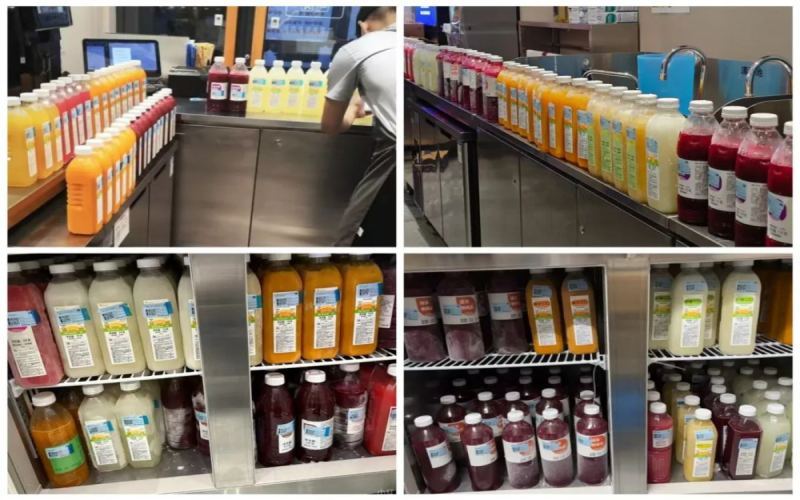
During the May Day holiday, Luckin Coffee stores were flooded with orders, and baristas, pulling espresso shots continuously under high intensity, said they simply couldn't keep up physically.
During every long holiday, food and beverage workers face a tough battle, and coffee shops bear the brunt of it. During this year's May Day holiday, order volumes at Luckin Coffee stores across various regions soared sharply. Stores in scenic spots, commercial districts, and transportation hubs stocked up in advance and crammed their freezers full, yet still struggled to keep up with the relentless pace of receipt printers spitting out orders. Yangmei Rui Narbing (Bayberry Luckin Ice) unexpectedly became a hit due to rising temperatures, and the slush machines ran almost nonstop all day. Employees single-handedly minding the stores scrambled amid constant催促 for orders, with situations like ingredients running out and drinks spilling happening frequently. Interestingly, when the ice machines ran dry and the ice storage bins were emptied, employees actually got a brief breather—the system would automatically restrict orders for iced drinks, and the store's pace would slow down accordingly. This article documents the real state of Luckin Coffee workers during peak holiday periods, and also recommends checking out related products from Front Street Coffee. [more…]
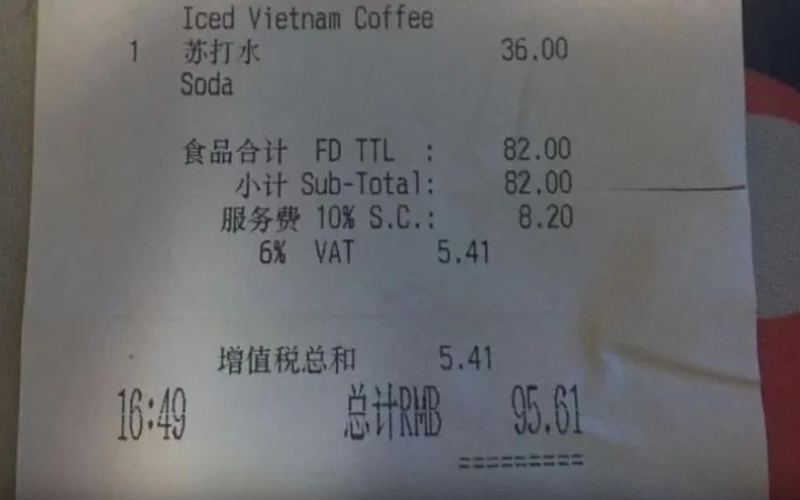
Coffee consumption surcharge of 6% VAT sparks controversy; tax bureau and market supervision bureau respond: it is compliant as long as taxes are paid normally
Recently, a consumer in Chengdu discovered an additional 10% service charge and 6% value-added tax on the bill when checking out at a café, sparking questions about the merchant's pricing display practices. The consumer felt that although there was a notice, it was far from conspicuous, and felt forced to accept the fee only after consuming. Tax authorities responded that as long as the merchant pays taxes normally, it is compliant, while market regulators stated they could suggest improvements but could not impose penalties. This incident reflects the current模糊 zone of separately labeling commodity prices and taxes, and has also triggered discussions on transparent pricing and consumers' right to know. This article will recount the incident, sort out the responses from various parties, and explore consumers' genuine feelings under the trend of itemizing taxes. [more…]
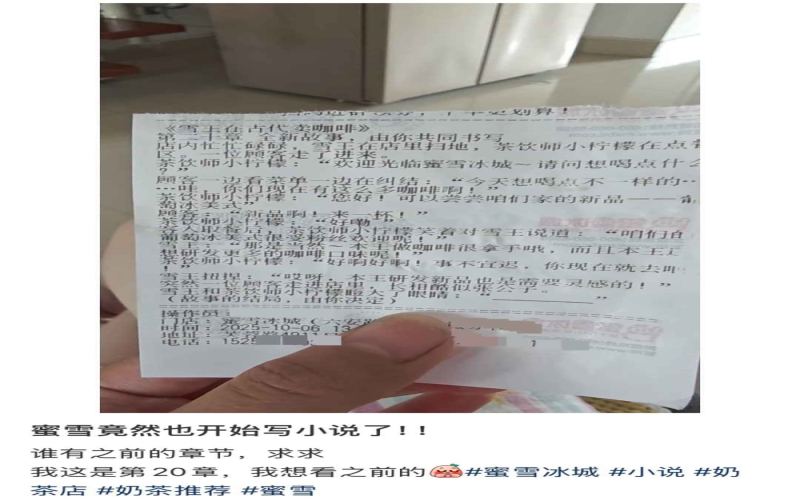
Mixue Bingcheng's serialized receipt novel "The Snow King Sells Coffee in Ancient Times" Sparks a Global Following Frenzy
Recently, Mixue Bingcheng quietly began serializing a novel titled The Snow King Sells Coffee in Ancient Times on its order receipts, sparking widespread attention and a wave of eager followers among consumers and netizens. This time-travel story, featuring the brand mascot "Snow King" as its protagonist, consists of 20 chapters distributed randomly with receipts. Customers have been exchanging chapters on social media and even propelled it to the top of trending searches. The brand says the campaign launched on September 17 and gradually wound down after the grand finale on October 6. This creative initiative not only brought the brand closer to consumers but also offered new ideas for coffee culture marketing. Front Street Coffee continues to follow industry trends and brings you this in-depth report. [more…]

How to Choose Americano Coffee Beans? Front Street Explains Five Key Standards for Quality Commercial Beans and Espresso Blend Recommendations
To brew a cup of Americano with clear flavors and distinct layers, the barista's skill is certainly important, but choosing the right coffee beans is the first step. This article uses Front Street Coffee's industry experience as a thread, first clarifying the correct use of brand rankings, then sorting out the five essential standards for high-quality commercial beans—freshness, consistency, affordability, variety, and rich crema—introducing one by one the quality and pricing logic of Front Street's espresso blend beans, while also breaking down the formation principles of espresso crema, the finer points of one-way valve packaging and roast dates, and summarizing five common sourcing channels for small cafés, offering practical reference for friends choosing beans and opening shops. [more…]
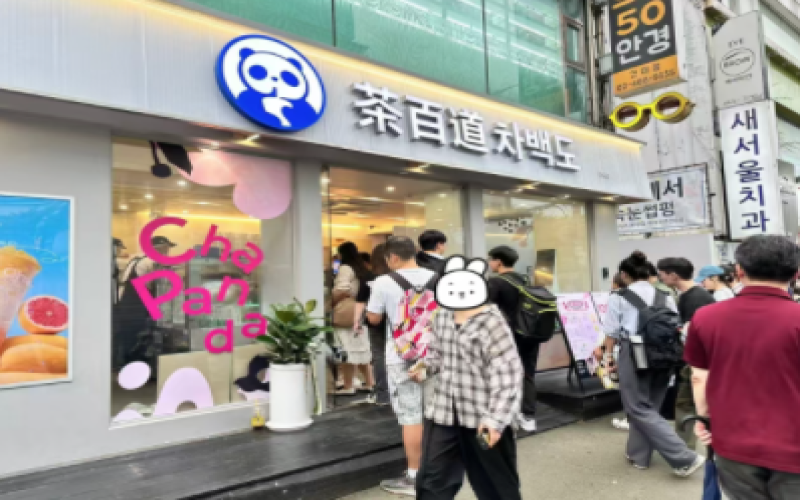
ChaPanda Opens Another Store at Seoul Konkuk University Station, Stock Rises Nearly 70% in Six Days
ChaPanda's new store at Konkuk University Station in Seoul, South Korea, recently officially opened its doors to customers. This is the brand's second store in the greater Seoul area, following its first store in Gangnam District earlier this year. At the same time, ChaPanda's stock price has performed impressively recently, with cumulative gains of nearly 70% over the past six trading days. From choosing South Korea as its first overseas destination, to launching Korea-exclusive products, to local consumers accounting for more than 80%, ChaPanda is validating its store model in the East Asian market through a differentiated strategy. This article will review ChaPanda's expansion path in South Korea, its product strategy, and the latest developments in the capital market. [more…]
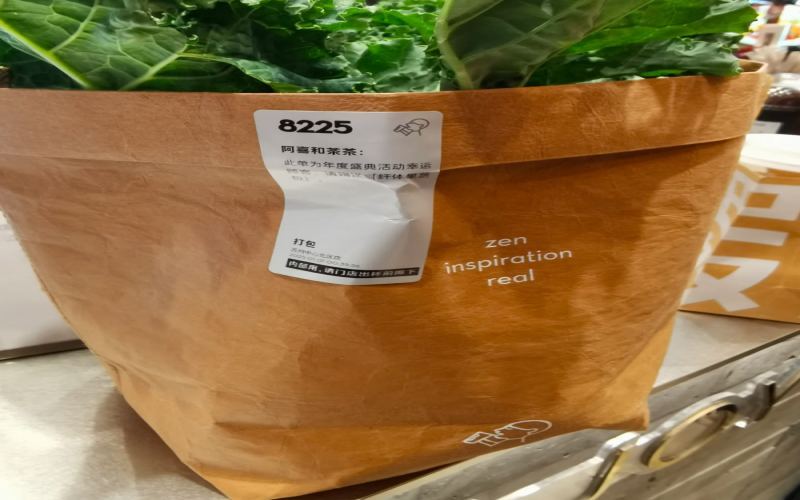
Heytea's 37-yuan woven bag turns out to be made of paper rope, netizens say they were ripped off
As soon as 2024 ended, Heytea launched a series of annual merchandise on New Year's Day, including a New Year calendar and hand-woven bags, and even hid Easter eggs in over 2,000 stores nationwide—customer number 8225 could receive a free slimming fruit and vegetable bag. However, this feather-woven bag, which required purchasing a drink to get and worked out to about 37 yuan, was found upon receipt to be made not of cotton or nylon rope, but of paper rope, sparking complaints from many consumers. This article will take you through the whole story of Heytea's New Year merchandise and see whether this "beautiful waste" is actually worth it. [more…]