








Why did a no-ice fee on drinks cause a coffee debate?
A café charged a customer 1 yuan extra for ordering a drink with no ice, and the receipt went viral after being posted online. The shop said each iced drink follows a fixed ratio of ingredients to ice, so skipping ice means adding more juice to fill the cup, which raises its ingredient cost. The fee is listed on the in-store menu.
Reaction split along familiar lines: some called the surcharge absurd since less ice should mean fewer ingredients, while others accepted the volume argument. Industry observers warned that small surcharges can damage goodwill, and suggested shops find other ways to balance costs, such as adjusting cup sizes or listing what are the ingredients of coffee drinks and their standard proportions.
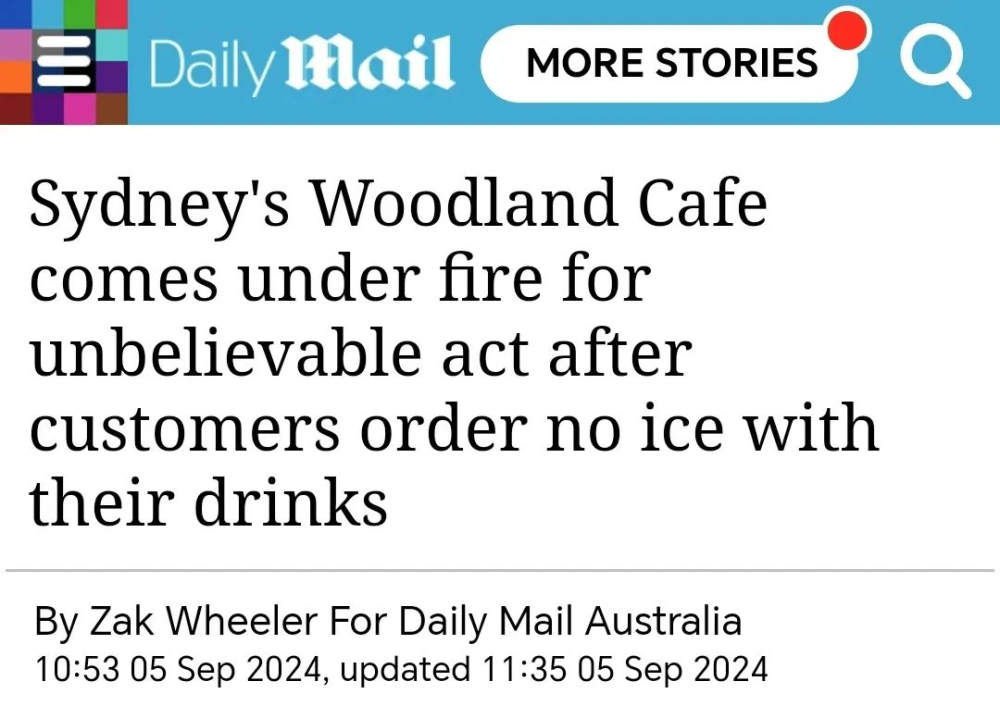
Recently, the Daily Mail reported a controversial consumer incident: a customer asked for no ice when ordering a drink at a café, only to discover at checkout that they had been charged a 1 yuan "no-ice fee." The café explained that every iced drink has a standard ratio of ingredients to ice, and removing the ice requires adding extra juice to make up the volume, which drives up costs, hence the charge. The incident quickly went viral on social media, with opinions sharply divided: some netizens found the café's practice absurd, arguing that removing ice should save costs; others felt that charging for the extra ingredients to make up the volume was reasonable. Industry professionals pointed out that such surcharges can damage a business's goodwill, and suggested that cafés find more creative ways to balance their books.
▲
Click to follow | Daily specialty coffee culture magazine Coffee Workshop
Today's consumers are increasingly health-conscious, and when ordering coffee or juice in daily life, they often ask for less ice or no ice based on their needs—and most shops are happy to accommodate these requests free of charge. However, the Daily Mail recently reported an unusual case: a customer at a certain café was actually charged an extra "no-ice fee" by the owner when buying a drink without ice.
The customer who was charged posted their receipt on social media. According to their account, that day they bought two bagels and a glass of orange juice, and explicitly told the staff not to add ice to the drink. It wasn't until they got the receipt that they discovered the owner had charged a 1 yuan "no-ice fee."
From the consumer's perspective, asking for no ice should logically mean fewer ingredients are used in the drink, which would actually save the café on production costs—yet the reality was that they were charged a surcharge. Feeling very puzzled, they shared the incident on social media.
In response to the customer's question, the café explained that every iced drink on their menu has a standard ratio of ingredients to ice. If a customer chooses no ice, extra juice needs to be added to meet the serving standard, which raises ingredient costs, so they charge customers a 1 yuan "no-ice fee." They emphasized that this fee is clearly marked on the in-store menu so that customers can understand it before ordering and freely choose whether to go without ice.
Nevertheless, many netizens still found the café's practice "absurd and ridiculous" after learning about it. These opponents pointed out that some cafés buy expensive ice machines to make their own ice, or purchase ice from factories that specialize in making and selling it. This shows that ice is one of the ingredients whose cost beverage shops need to account for. Therefore, when a customer asks for no ice, they are actually saving the café money on ice, which should offset the cost of the ingredients later added—meaning no fee should be charged to the customer at all.
However, some people with different views approved of the café's approach. They said that once you remove the ice, which takes up one-seventh of the cup's volume, the whole drink looks like much less, so it's fair for the shop to top up the ingredients and charge a small extra fee. Others said that the food and beverage industry has its own serving standards, and if customers want the shop to make food and drinks tailored to their own tastes and textures, that would break the store's rules—so it's also reasonable for customers to pay a certain fee for their "willful" requests.
Professionals pointed out that rising inflation has intensified the pressure on people's cost of living, making them less accepting of these surcharges that aren't in their budget. Even if the fee is just 1 yuan, it can ruin a business's goodwill in consumers' eyes. Therefore, the professional suggested that cafés should find "creative" ways to achieve a balance between revenue and expenses, rather than relying on unnecessary surcharges to boost income, arguing that in the long run, cafés may end up losing their customers.
Images from: Daily Mail, Xiaohongshu
Disclaimer: Some images in this article are from the internet. For some content on the website, such as images, we will respect the original copyright and cite the source. However, due to the large volume, a few images and texts may not have been credited in time; we ask for your understanding. If the original author has any disputes, they can contact the website to resolve them. Once verified, we will correct them immediately. Compiled and edited by "Coffee Workshop." Please indicate the source when reposting. If there is any infringement, please inform us for removal. Thank you~!
The above content is compiled by CoffeeHunters, a coffee news website.


