







Search Results for: milkshake machine milk foam

How do you steam milk foam for latte art so it's velvety and dense? A barista teaches you how to choose the right milk and 6 key techniques.
A beautifully latte-art cup of coffee is inseparable from high-quality espresso and perfectly textured milk foam. This article begins with coffee bean selection and how milk composition affects milk foam, then gradually breaks down six practical key points for steaming milk foam—from holding the pitcher with both hands, the angle of the steam wand, and the depth of the steam tip to the number of aeration cycles and temperature control—and explains how the whole milk and blend commonly used in Front Street Coffee shops can be paired to create a sweetness like a strawberry milkshake. Whether you are a complete beginner or an enthusiast looking to refine your latte art skills, you can find actionable references here. [more…]
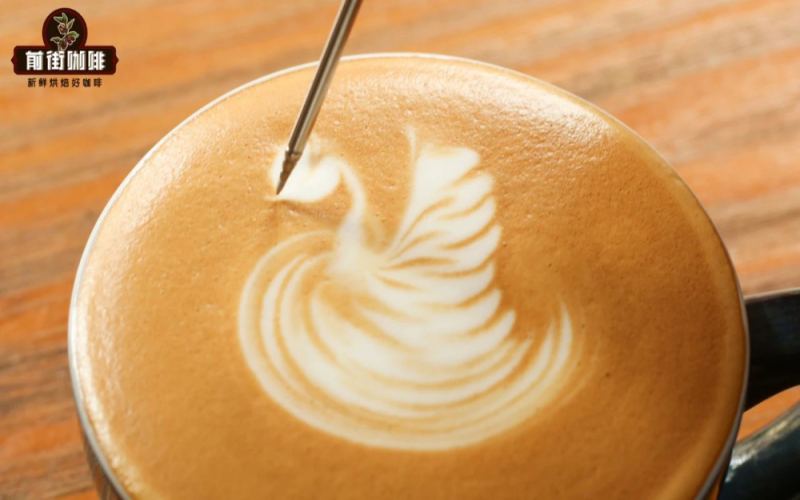
Latte Milk Foam Steaming Tutorial with Illustrations | What Are the Requirements for Milk When Making Latte Art? What Techniques Should Coffee Beginners Pay Attention to When Steaming Milk Foam for Latte Art?
To make latte art look good, choosing the right milk is very important! Front Street Coffee's daily in-store milk coffee offerings all use full-fat fresh milk, because it is rich in protein, lactose, and milk fat. The protein in milk is what makes the milk foam stable. [more…]
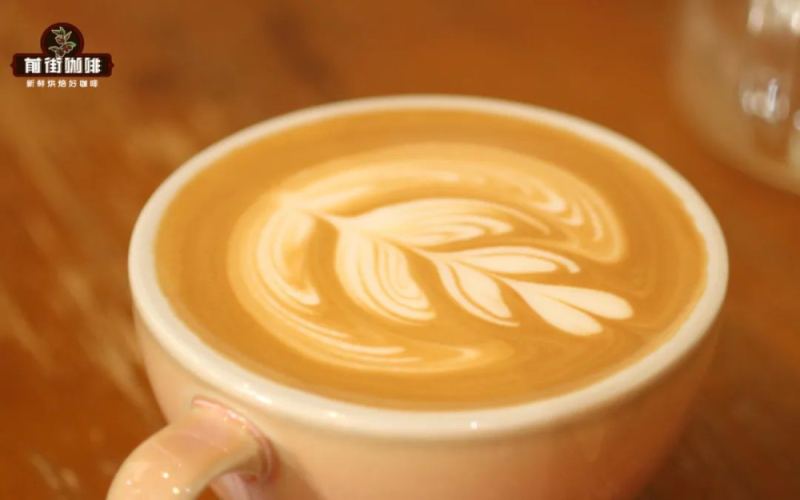
Coffee Basics | What is the standard way to make a Coffee Latte? What is the espresso-to-milk ratio and the thickness of the milk foam for a latte? What are the key points for making latte art?
For more specialty coffee knowledge, please follow our WeChat official account: Front Street Coffee (FrontStreet Coffee). To make beautiful latte art, choosing the right milk is very important! Front Street Coffee (FrontStreet Coffee) uses this for its daily milk coffee offerings: [more…]

Luckin Coffee partners with Mengniu Milk Deluxe to launch a limited-edition latte, introducing a slush machine to froth milk, sparking widespread discussion
Luckin Coffee has partnered with Mengniu's Deluxe milk brand to launch a limited-edition new drink, "Deluxe Exclusive Pasture Latte," priced from 14.9 yuan, or 17.9 yuan for an upsized cup, making it the most expensive item on the mini-program menu. The preparation method for this latte is quite distinctive: for the iced version, the espresso must first be stirred with Deluxe milk for 8 rounds, then poured into a smoothie blender and frothed for over ten seconds, and finally sealed in a cup with ice; for the hot version, the espresso is added to a milk pitcher, mixed with milk, and heated. However, feedback from the first batch of consumers indicates that the finished product does not have a dense layer of milk foam on the surface, and the taste is not much different from an ordinary latte. Staff explained that the milk foam dissipates very easily and recommended drinking it immediately at the bar. Front Street Coffee has noticed that this innovative process has sparked online discussions about "ritual" versus practicality. [more…]
Types of Espresso Drinks | What's the difference between Americano, Latte, and Cappuccino, and which one tastes better?
For more specialty coffee knowledge, please follow: Front Street Coffee (Frontsteet Coffee). A friend complained to Front Street that when they go to a coffee shop, they can't understand the coffee menu—they recognize all the words, but when put together they have no idea what it means. Front Street took a look and realized the friend was referring to [more…]
What Exactly Is the Difference Between an Americano, a Latte, and a Cappuccino? A Comprehensive Analysis from Recipe Structure to Taste
Walking into a coffee shop and facing a menu of Americano, Latte, and Cappuccino, many people recognize the words but can't quite explain how they actually differ. All three are based on espresso, but the proportions of water, milk, and milk foam added vary, resulting in distinctly different flavors and mouthfeels. This article will systematically sort out the differences between Americano, Latte, and Cappuccino from three angles: historical origins, recipe evolution, and structural comparison. Combined with Front Street Coffee's actual in-store serving plans, it will provide specific extraction parameters and preparation methods, helping coffee enthusiasts stay well-informed whether ordering or making these drinks themselves. [more…]
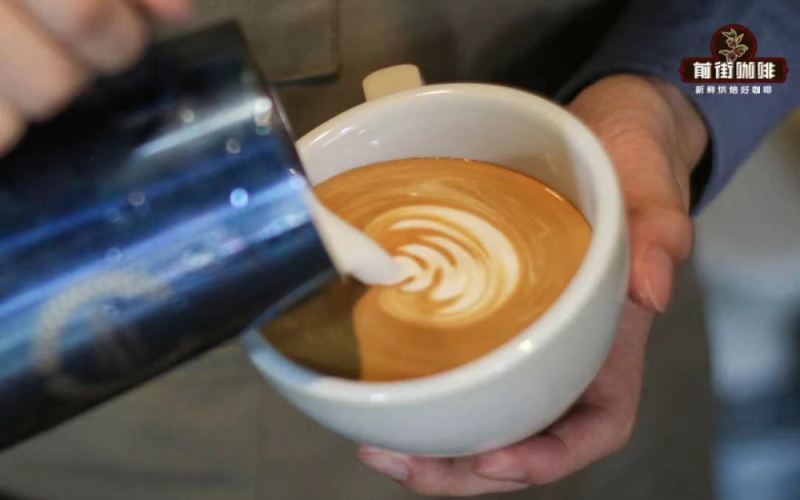
Latte Caffeine Content | What Is the Difference Between a Cappuccino and a Latte? How Can Coffee Beginners Make Latte and Cappuccino Coffee?
Front Street Coffee currently offers several types of espresso drinks, including latte, cappuccino, and mocha, with latte and cappuccino being the most frequently ordered. So what are the differences in taste and flavor characteristics between the two? How much caffeine does a cup of latte contain? Next [more…]

A Detailed Guide to Bean Selection and Coffee-to-Milk Ratios for Latte: Hot and Iced Recipes Plus Milk Frothing Tips
Latte is the category with the highest proportion of milk in the espresso family. Iced and hot versions each have their own operational details, but the underlying recipe logic is the same. From the perspective of Front Street, this article sorts out the historical context of latte, explains the approach to selecting espresso blend beans, and provides specific preparation parameters for hot lattes and iced lattes. The content covers the pressure, temperature, time, and brew ratio of espresso extraction, the milk frothing technique and temperature control for hot lattes, and the ice cube and milk ratio for iced lattes. It also introduces the flavor profiles of multiple espresso beans such as Front Street Strawberry Candy Espresso, helping coffee enthusiasts recreate a balanced and smooth latte at their own coffee bar. [more…]
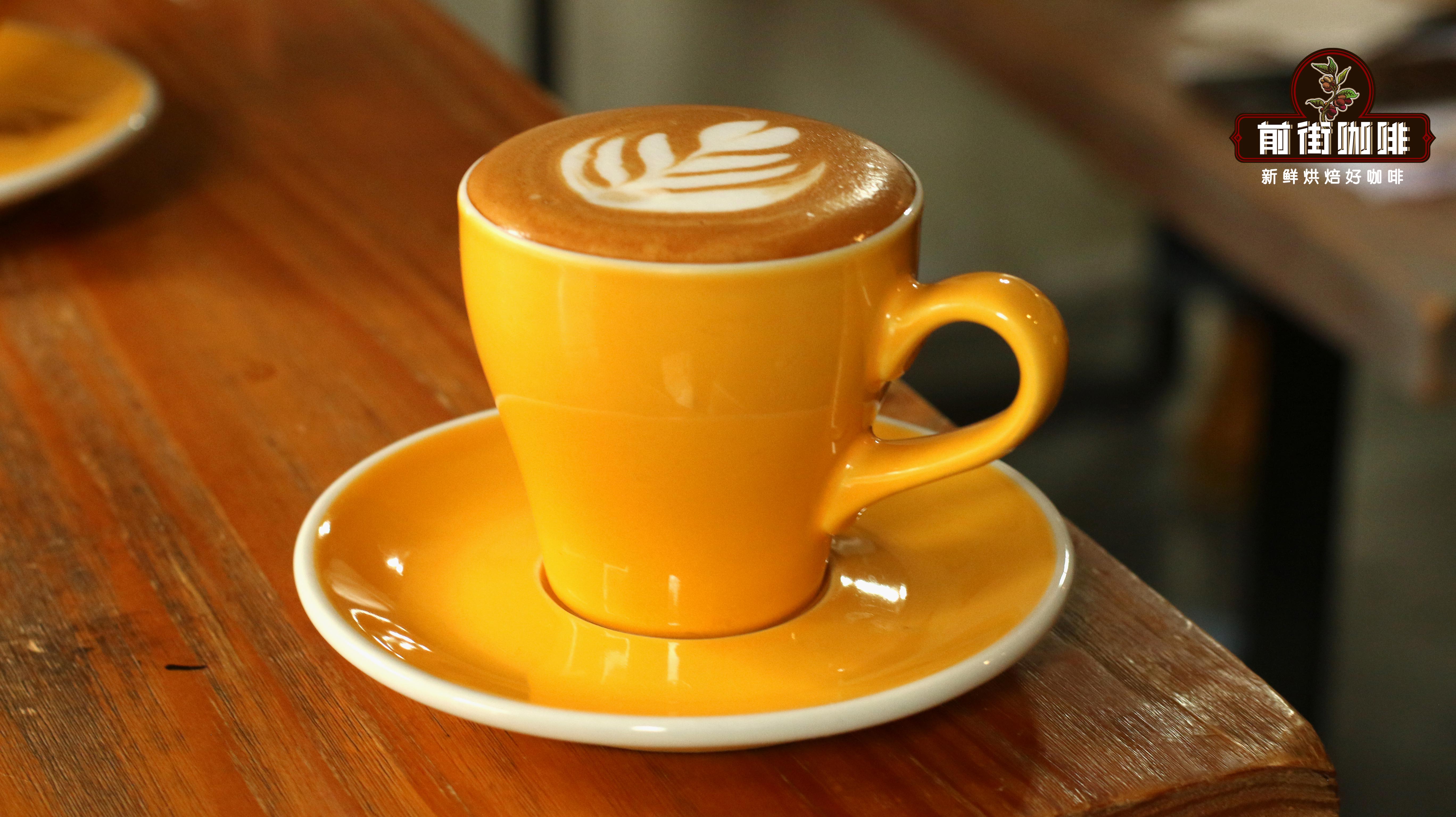
What's the difference between a latte and a cappuccino? A complete guide to the methods, ratios, and caffeine content of Italian milk coffees
Latte and cappuccino are the two most frequently ordered milk coffees on the Italian coffee menu. They share the same ingredients—espresso, milk, and milk foam—but their texture and ratios are quite particular. Drawing on Front Street Coffee's production experience, this article systematically sorts out the definitions of latte and cappuccino, their historical origins, the choice of espresso beans, extraction parameters, milk steaming temperature and foam thickness, as well as their respective recommended ratios and flavor performance. It also answers the common question of how much caffeine a latte contains, helping coffee lovers more clearly choose the Italian milk coffee that suits their taste. [more…]

Classic Espresso Drinks Introduction | Is Starbucks Flat White a black coffee? Where did Flat White originate?
Is Starbucks' Flat White any good? I believe every one of you who has been to Starbucks has been curious about this coffee. Unlike famous espresso drinks such as Americano, Latte, and Cappuccino, the Flat White rose to popularity during the third wave of coffee, when people began to [more…]
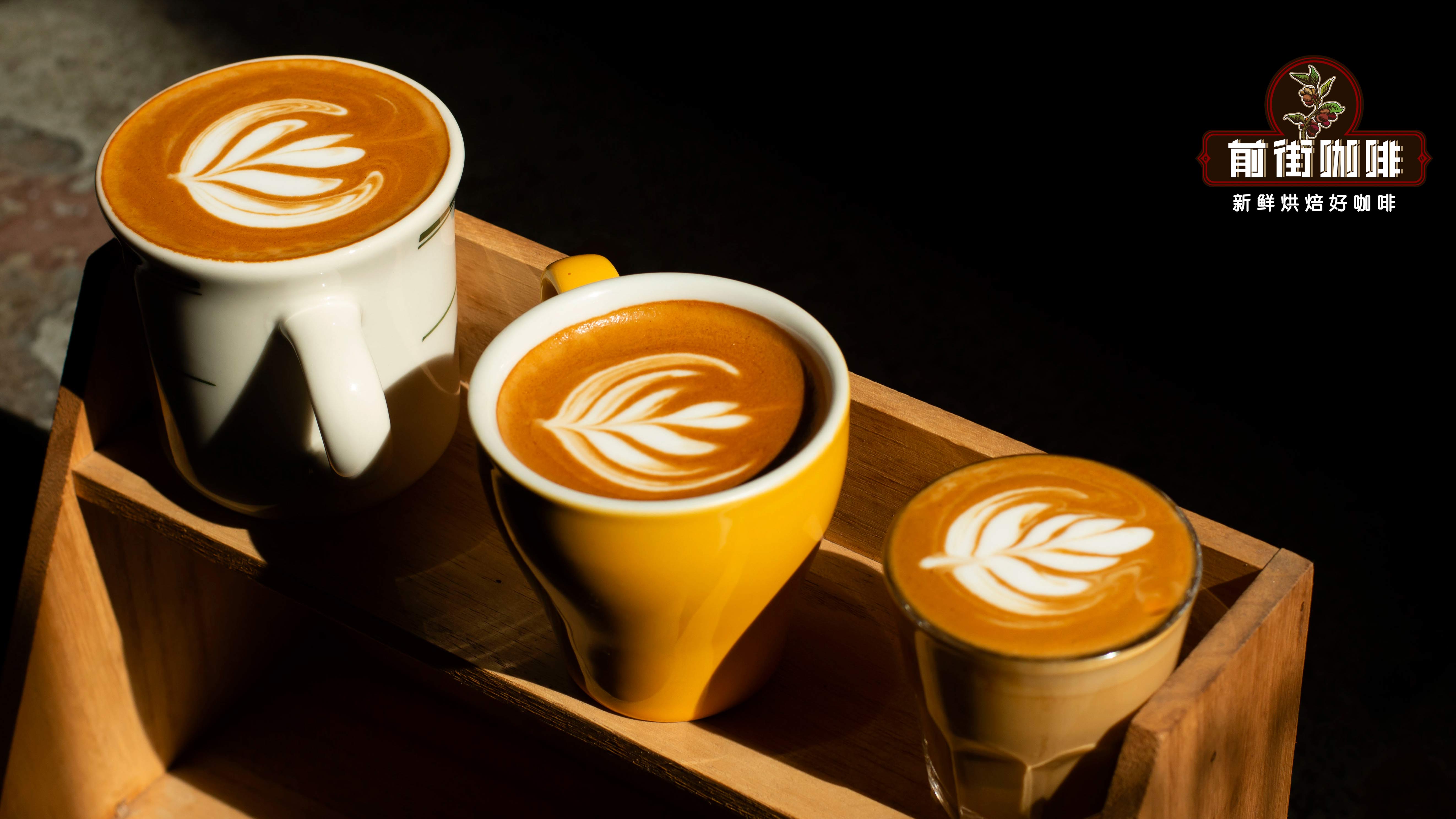
Espresso Cup Specifications | What Are the Standard Sizes for Espresso, Milk, and Latte Coffee Cups? Which Coffee Cups Should Be Used for Americano, Cappuccino, and Latte?
At FrontStreet Coffee, you'll see ceramic cups of all sizes lined up on the espresso machine, and these cups have specific meanings—different types of coffee are served in different cup sizes. In this article, Front Street tells you the secrets behind these coffee cups. [more…]
A Guide to Pairing Latte with Espresso Beans: Iced vs. Hot Preparation Differences, Extraction Parameters, and Milk-to-Coffee Ratios Explained
Latte is the espresso drink with the highest proportion of milk, available in both iced and hot versions; the two share the same recipe but differ in operational details. From the perspective of Front Street, this article traces the historical origins of latte, explains what roast level of espresso beans should be used to make latte, clarifies why lightly roasted single-origin beans are unsuitable for espresso machine extraction, and recommends several espresso blends such as Front Street. Strawberry Candy Espresso. It also details the extraction parameters for espresso, the frothing techniques and temperature control for hot latte milk foam, the ingredient ratios for iced latte, and Front Street's recommended coffee-to-milk ratio of 1:6.5. Whether you prefer iced or hot, you'll find actionable reference solutions here. [more…]
A Complete Guide to Espresso Cup Sizes: The Right Capacity for Espresso, Latte, and Cappuccino
Step into Front Street Coffee (FrontStreet Coffee), and beside the espresso machine you will find ceramic cups of all sizes, each cup type corresponding to a specific category of coffee. The size of the cup not only affects the visual appeal of the finished drink, but is also closely tied to coffee intensity, heat retention, and flavor presentation. This article goes through three sizes—small, medium, and large—explaining one by one the cup capacities that suit espresso, americano, cappuccino, and latte respectively, and combines Front Street's brewing parameters and blended bean choices to help you understand the relationship between cup size and flavor, while also offering a reference for choosing suitable coffee beans when making milk coffee in daily life. [more…]
What Size Coffee Cup Should You Use for Espresso, Latte, and Cappuccino? Standard Specifications and Selection Guide
Walking into Front Street Coffee, the espresso machine is lined with ceramic cups of various capacities, each cup type corresponding to a specific coffee category. The size of a coffee cup not only affects the visual presentation but also directly influences the concentration expression and heat retention of the espresso. This article will systematically sort out the specific capacities and suitable scenarios of three coffee cup sizes—small, medium, and large: how a 60ml small cup carries a standard espresso, why a 180-200ml medium cup suits Americano and cappuccino, and how a 300ml large cup achieves a balanced latte. At the same time, combined with the extraction parameters of Front Street Coffee's Sunflower Warm Sun espresso blend coffee beans, it analyzes the pairing logic between different cup types and coffee flavors, helping you produce professional-grade coffee at home. [more…]
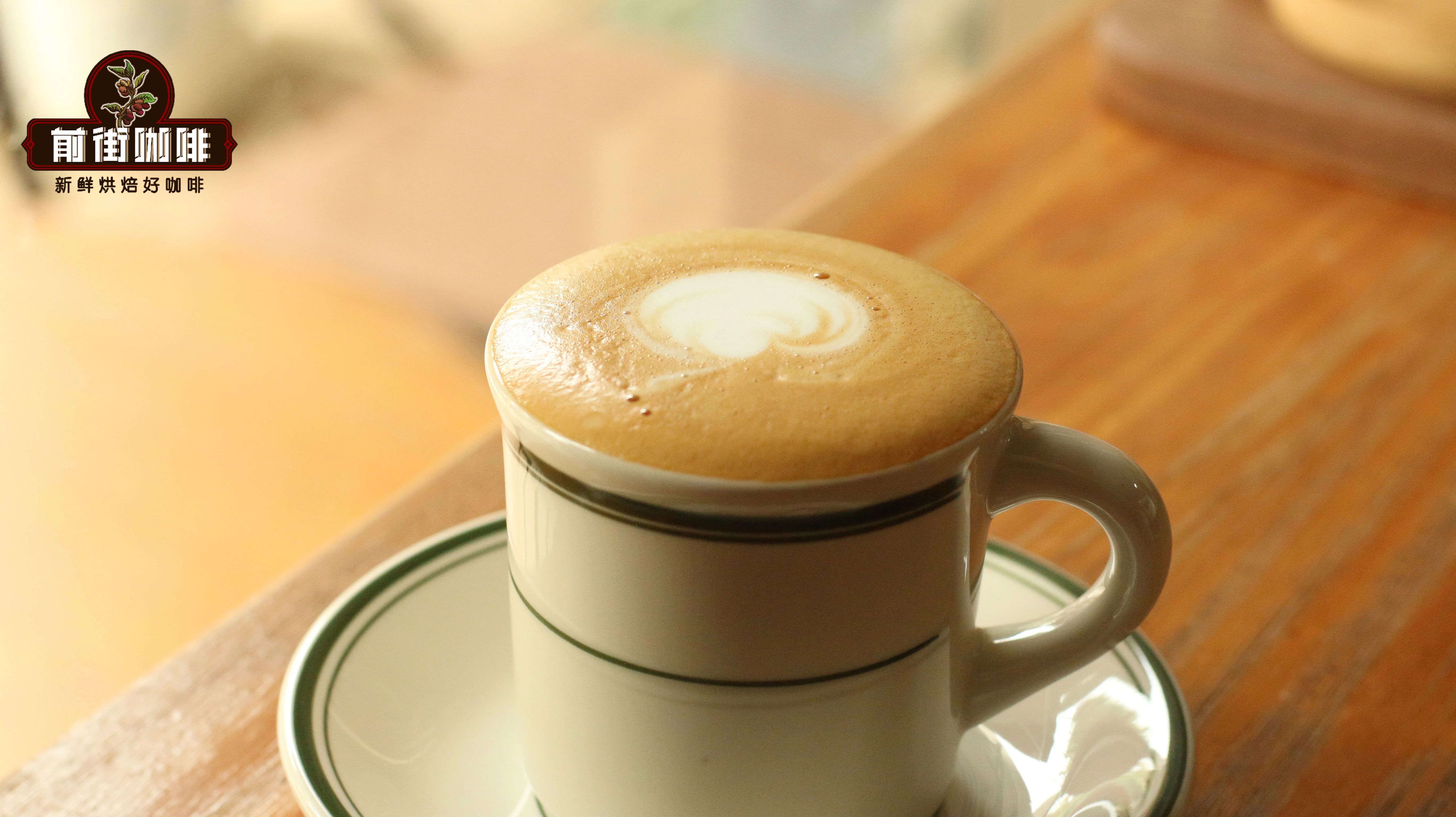
What roast level coffee beans should be used for latte? A complete analysis of milk ratios and espresso flavor
Latte and cappuccino are both classic Italian milk coffees, yet the two differ in their ingredient ratios and mouthfeel. Which roast level of coffee beans should a cup of latte actually use? How should the ratio of espresso to milk be balanced? Drawing on the practical experience of Front Street Coffee, this article systematically sorts out bean selection, extraction parameters, and milk frothing key points for latte, and includes recommendations for three popular espresso blends suitable for making milk coffee, while also comparing the production differences with cappuccino, helping coffee lovers reliably recreate a full-flavored milk coffee at home. [more…]
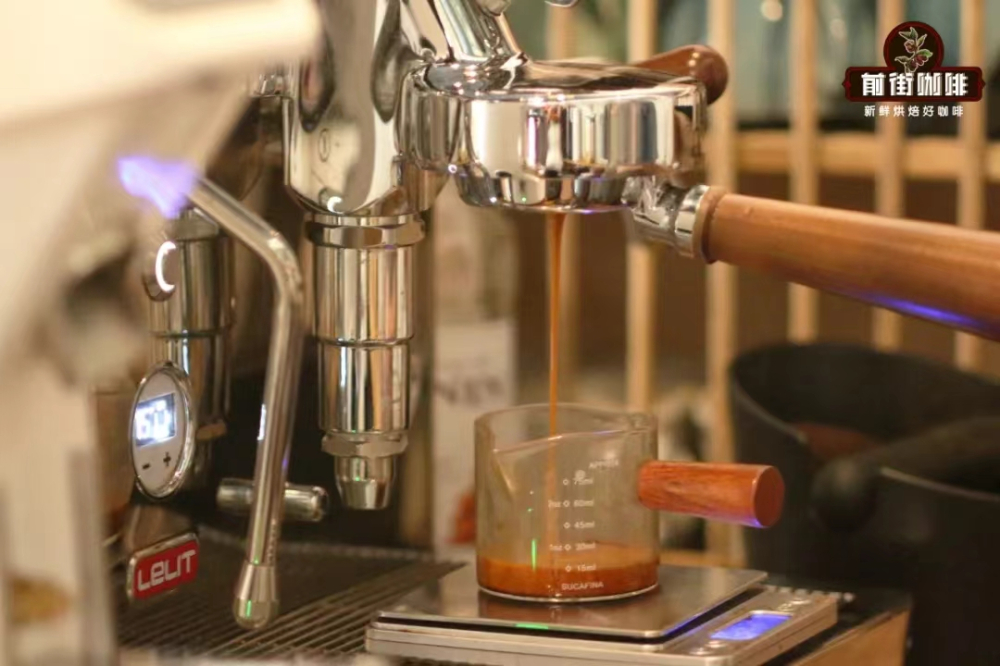
Espresso Extraction Ratios | How Many Milliliters Is a Single Shot of Espresso? What's the Difference Between a Single Shot and a Double Shot?
For more specialty coffee knowledge, please follow our WeChat official account: FrontStreet Coffee. Coffee lovers who often drink Italian milk coffee know that making a milk coffee requires pairing espresso with milk, such as FrontStreet [more…]
How Much Espresso Is in a Latte? Cappuccino vs. Latte Flavor Differences and Front Street Coffee Espresso Bean Recommendations
Latte and cappuccino are the two most common espresso milk drinks. Both are made from espresso, milk, and milk foam, but they differ noticeably in ratio, foam thickness, and mouthfeel. How much espresso actually goes into a latte? Roughly how much caffeine does it contain? And how should the coffee-to-milk ratio be managed during preparation? This article addresses these questions, while also explaining how to choose espresso beans, extraction parameters, and the key temperature points for steaming milk. It also introduces several Front Street Coffee espresso blends suitable for making lattes, helping coffee enthusiasts create a full-flavored milk coffee at home. [more…]
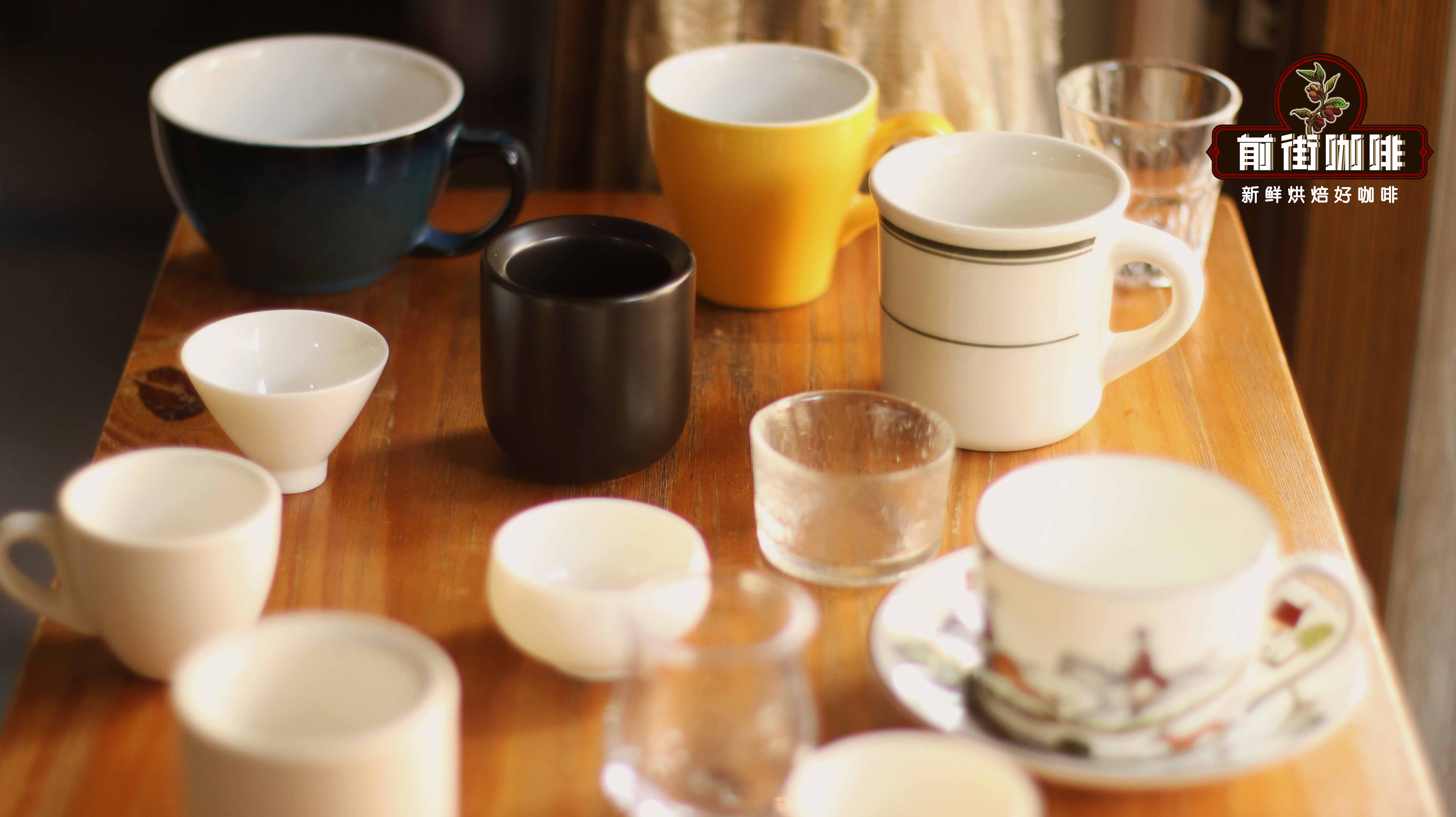
A Complete Guide to Coffee Cup Sizes: What Drinks Suit Small, Medium, and Large Cups?
Walking into Front Street Coffee, ceramic cups of various sizes are neatly arranged on the espresso machine. These cups are not placed randomly but correspond to the serving needs of different coffees. The capacity of a coffee cup often hints at the intensity of the drink within—the smaller the cup, the more concentrated the coffee. A small cup holds about 60ml, used for espresso or as a sharing cup for pour-over; a medium cup holds 180-200ml, suitable for Americano and cappuccino; a large cup holds 300ml, the stage for milk coffees like latte and mocha. This article breaks down in detail the capacity, uses, and pairing logic of Front Street's three cup sizes, helping you choose the right cup at home and drink with professional standards. [more…]

A Complete Guide to Espresso: From Latte to Macchiato, Understanding Coffee Types and Ratios
Walking into a coffee shop, faced with the many options on the menu like latte, cappuccino, macchiato, and mocha, have you ever felt confused? These drinks are actually all based on espresso, evolving through adjustments to the proportions of coffee, milk, milk foam, and other ingredients. This article, compiled by Front Street Coffee, systematically sorts out the main types of Italian coffee and their flavor characteristics, explains in detail the mixing ratios for each drink, and introduces the Sunflower Warm Sun blend coffee beans and extraction parameters used by Front Street stores to make espresso. Whether you are a coffee enthusiast just starting out or a connoisseur wanting to gain a deeper understanding of the Italian coffee system [more…]

Espresso Italian-style coffee bean making tutorial | How many milliliters is a standard espresso? Is there a big difference between single and double shots? What is the coffee-to-milk ratio for a hot latte?
For more specialty coffee knowledge, please follow: Front Street Coffee (Frontsteet Coffee). Espresso is now commonly used as the base for espresso-based drinks, such as the familiar latte, cappuccino, and mocha. Their difference lies in the varying ratios of espresso to milk, which creates different flavors. [more…]