







Why Is a Latte Bitter and Which Roast Level Helps?
A latte usually tastes bitter when the espresso shot is over-extracted or the roast is too dark, not because milk itself turns bitter. Lattes are built from espresso, milk, and milk foam, and the flavor shifts clearly with the bean choice and the milk used. Truly bitter shots carry over into the drink even with a large pour of milk.
Cappuccino splits into two styles: dry cappuccino uses more milk foam and tastes more intense, while wet cappuccino uses less foam and shows more milky aroma. The word latte simply means milk in Italian, and the modern drink took shape once steam wands became standard on espresso machines. Seattle baristas began pouring latte art in the 1980s.
Latte and cappuccino are both classic Italian milk coffees, yet each has its own nuances in ingredient ratios and mouthfeel. Which roast level of coffee beans should a latte use? How should the ratio of espresso to milk be balanced? Drawing on the practical experience of Front Street Coffee, this article systematically walks through bean selection for latte, extraction parameters, and milk frothing essentials, and includes recommendations for three popular espresso blends suitable for milk coffee, while also comparing the differences in making cappuccino—helping coffee lovers reliably recreate a full-flavored milk coffee at home.
The espresso family has quite a rich membership, and latte and cappuccino are the two most representative among them. What flavor differences do they actually have when you drink them? How much caffeine does a cup of latte contain? Below, Front Street Coffee (FrontStreet Coffee) addresses these questions one by one.
What is cappuccino?
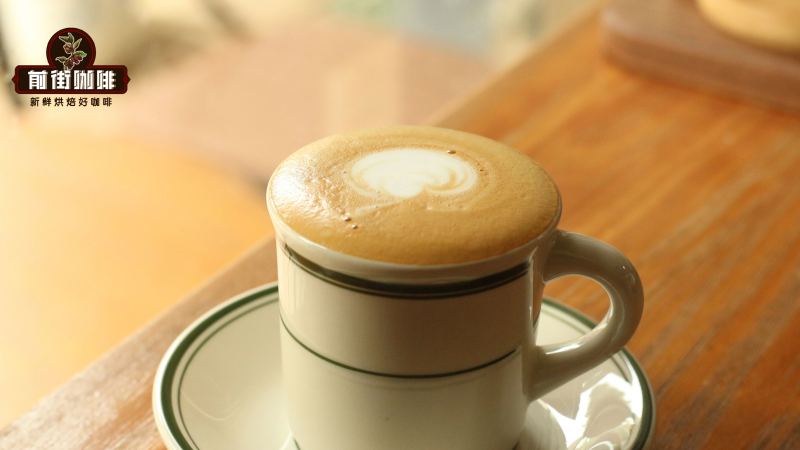
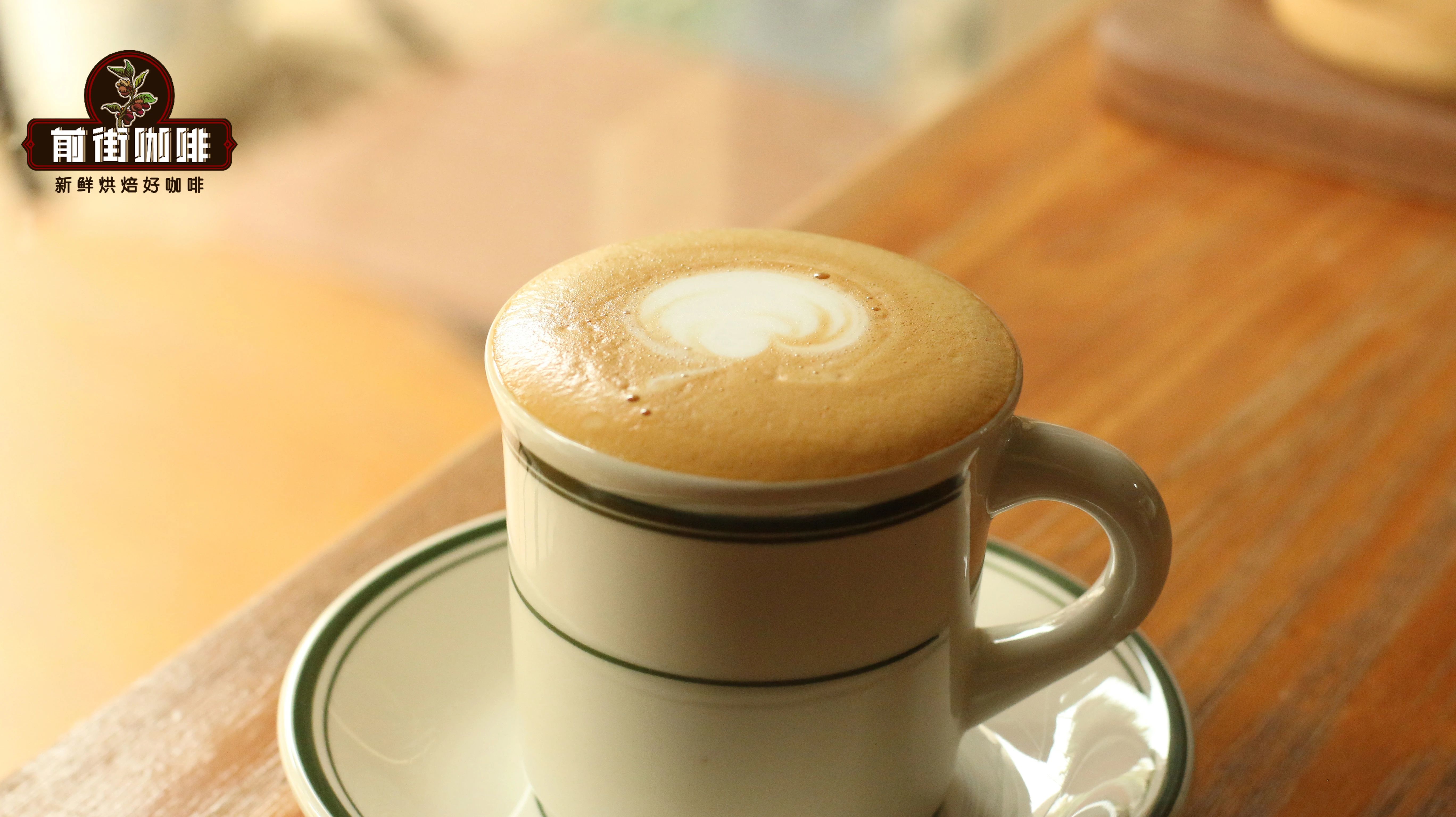
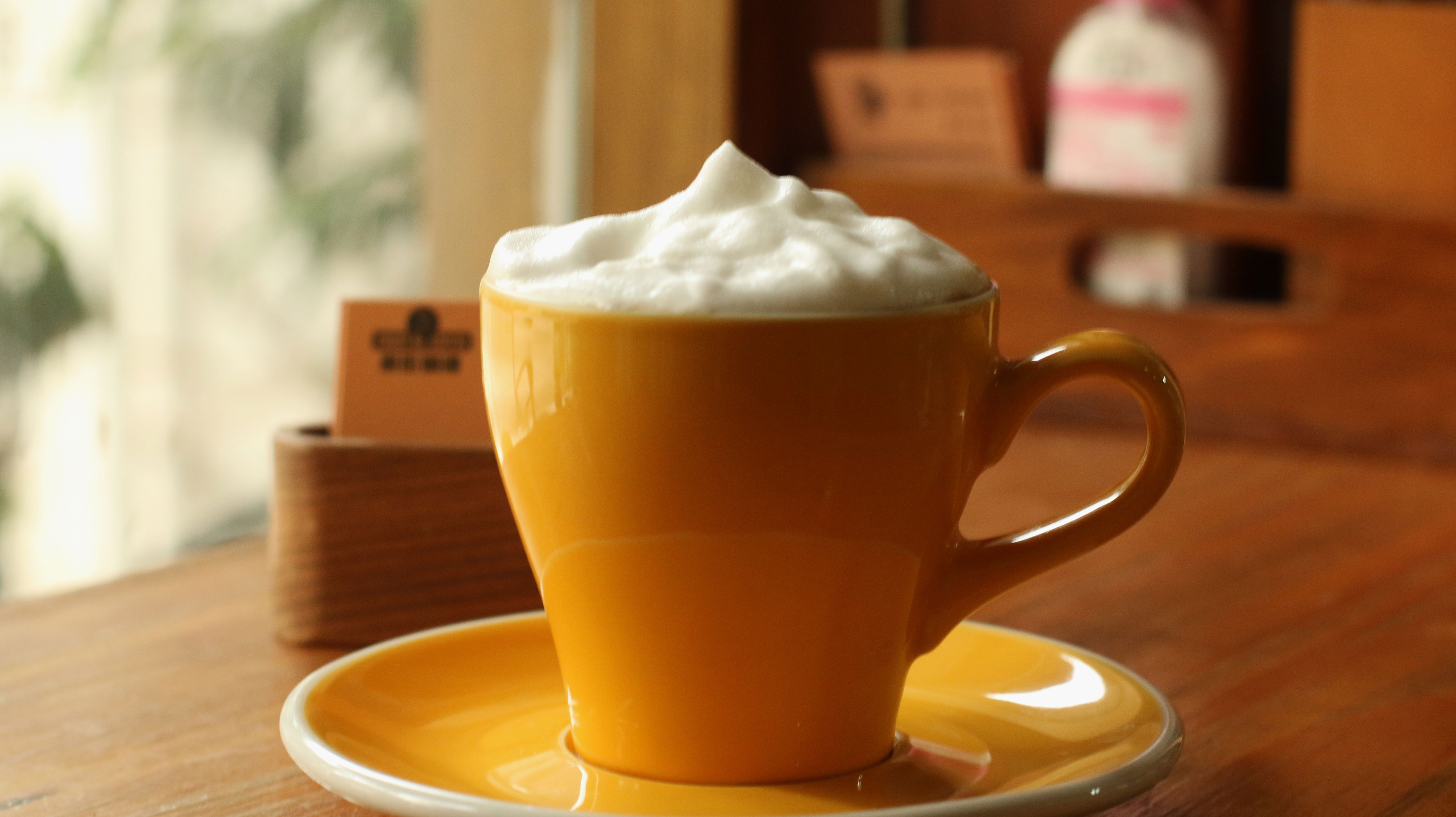
Cappuccino is a classic Italian coffee. Its ingredients are the same as latte—also composed of espresso, milk, and milk foam. It is further divided into two styles: dry cappuccino and wet cappuccino. Dry capp has a higher proportion of milk foam and tastes more intense; wet capp has relatively less milk foam, with a more pronounced milky aroma. However, both have a relatively large amount of milk foam overall. At present, most cafés in China use the dry capp method—thick milk foam with an appropriate amount of milk—and the dense, smooth texture has won over many coffee fans.
What is latte?
The word latte comes from the Italian “Latte,” which literally means milk. So if you order a latte in an Italian café, what arrives may very well be just a glass of pure milk. In other words, in the Italian context, latte means milk coffee. With the spread of espresso machines, steam wands became standard equipment on espresso machines, heating milk became effortless, and the modern form of latte gradually took shape. By the 1980s, baristas in Seattle, Washington, in the United States began “painting” on the surface of espresso with finely textured milk—this was the prototype of latte art.
Generally speaking, latte is made by pouring a large amount of milk into espresso. Choosing different coffee beans produces noticeably different flavors in the finished latte; switching to different milk also changes the flavor; even adjusting the ratio of coffee to milk can yield a different taste experience.
So what coffee beans should be used for espresso?
Espresso extracted from different coffee beans presents different flavors once milk is added. There are many types of espresso blends on the market, and each uses different origin combinations and proportions, so the final taste of the milk coffee can vary greatly.
If you prefer a rich, full-bodied style, it is recommended to choose fresh medium-dark roast or dark roast blend beans.
A cup of outstanding latte is inseparable from a bag of freshly roasted coffee beans. Baristas generally agree that within 45 days after roasting is the best flavor period, and when buying espresso beans it is best to choose products that left the factory no more than 10 days ago, so you can get a longer-lasting flavor experience. Front Street coffee beans are all freshly roasted within 5 days and can be purchased from the Front Street Taobao store or the Front Street Tmall flagship store, with 24-hour shipping, affordable prices, high quality, and guaranteed freshness—worthy of being the first choice staple for every household user.
For espresso specifically for latte, Front Street Coffee has several blends suitable for purchase. Here are three best-selling products most worth buying:
1. Front Street Classic Blend Espresso: caramel, butter, dark chocolate, hazelnut cookie
This recipe combines coffee from three origins—Brazil, Indonesia, and Vietnam—and uses a dark roast, which maximizes the coffee’s rich aroma and makes it easy to extract abundant, dense crema. Whether it is an Americano diluted with water or a latte paired with milk, it handles both with ease. It can be purchased from the Front Street Taobao store or the Front Street Tmall flagship store.
2. Front Street Strawberry Candy Espresso Blend: raisin, berry, floral, cream, almond
Front Street Strawberry Candy is different from traditional dark roast blends. It brings together single-origin coffees from three major producing regions—Costa Rica, Ethiopia, and Colombia. Its flavor carries delicate notes of rose, grape, dried fruit, and almond, with a creamy smoothness. Made into an Americano, it is sweet-and-sour and refreshing, suitable for those who do not like bitter coffee.
3. The espresso moka pot coffee beans recommended by many baristas—Front Street Black Cocoa Espresso Blend: almond, chocolate, caramel, citrus
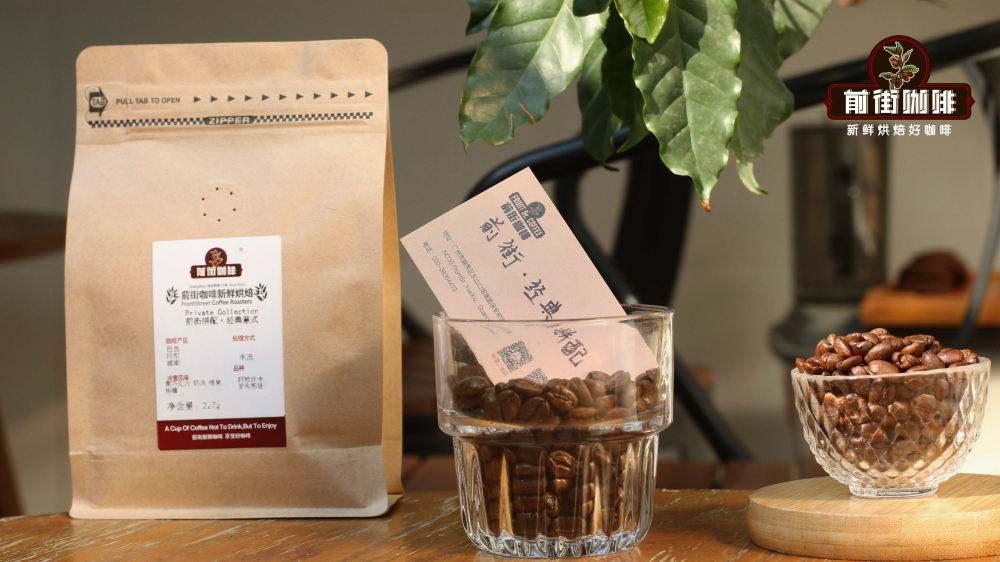
To highlight a balanced taste, this espresso moka pot coffee bean recommended by many baristas—Front Street Black Cocoa Blend—uses a combination of Yunnan small bean and Brazil Bourbon. Made into a latte, it has soft fruit acidity, caramel sweetness, and nutty and dark chocolate flavors. It is smooth and syrupy, and is an affordable staple bean.
So how are latte and cappuccino made?
Because every coffee shop uses different recipe ratios, ordering the same espresso drink at different shops and tasting slightly different flavors is normal. But as long as high-quality espresso beans are used, the extracted espresso will certainly give this espresso drink an excellent flavor performance.
Cappuccino recipe ratio
Traditional cappuccino is composed of 1/3 espresso, 1/3 milk, and 1/3 milk foam, and is divided into dry and wet types. Dry capp has more milk foam, while wet capp has relatively less. The cappuccino to be made below belongs to the dry cappuccino category.
Latte and cappuccino use the same espresso extraction parameters, as follows:
Front Street uses a Lelit V3 espresso machine.
Pressure: 9 bar Temperature: 90.5–96°C Time: 20–30 seconds Coffee-to-water ratio: 1:1.7–1:2 Dose: 20g (double espresso) Extracted espresso yield: 40ml (double) Front Street uses a double espresso to make latte. After extraction, the coffee beans’ flavor profile is: pronounced roasted nut and caramel aromas lingering, rich dark chocolate flavor, and a pleasant sweet finish.
The milk used for latte and cappuccino and the milk frothing temperature are also the same; the only differences are volume and milk foam thickness.
Milk: whole fresh milk (Front Street uses Vitasoy fresh milk) Milk frothing temperature: 50–60°C (if the temperature is too low, lactose in the milk cannot be fully brought out; if too high, proteins in the milk are damaged, creating a gritty mouthfeel) Milk foam thickness: 1 cm (thinner than 1 cm is flat white; thicker than 1 cm is cappuccino).
Recommended cappuccino recipe ratio
Cappuccino is generally only served hot, because if made as an iced drink, it quickly dissolves into a cup of latte.
Front Street recommends a coffee-to-milk ratio of 1:3.5 for cappuccino, that is, 40ml espresso with 140ml hot milk. By pouring in a circular motion to fully integrate the milk and espresso, you get a hot cappuccino. Finally, gently create a simple pattern, and the cappuccino is complete.
The flavor performance of Front Street Classic Blend cappuccino is: fairly pronounced creamy chocolate flavor; paired with milk and dense milk foam, the mouthfeel is very full, with a rich and lasting dark cocoa flavor accompanied by caramel notes.
Recommended hot latte recipe ratio
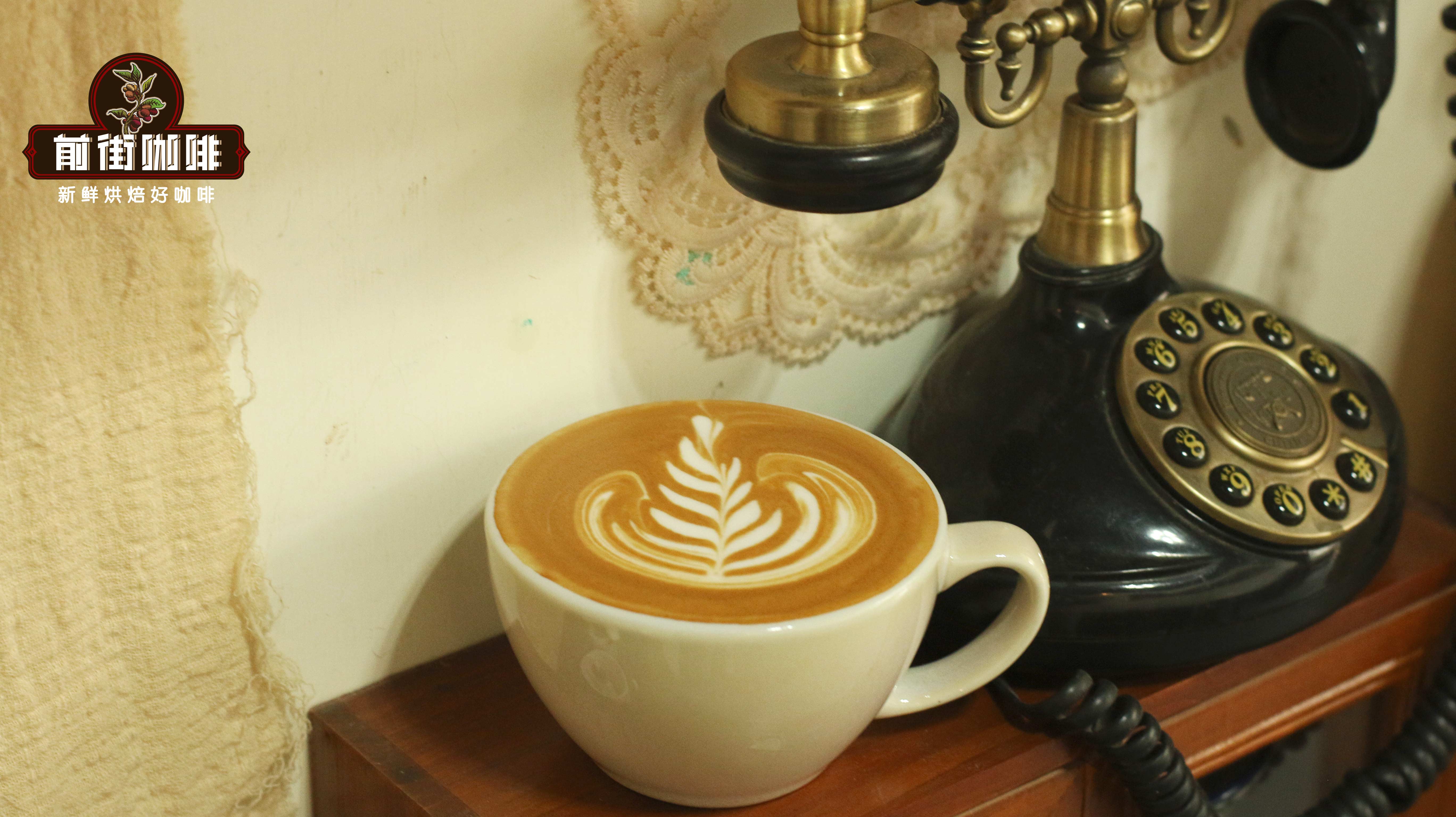
Front Street recommends a coffee-to-milk ratio of 1:6.5 for latte, that is, 40ml espresso with 260ml hot milk. By pouring in a circular motion to fully integrate the milk and espresso, you get a hot latte. After fresh milk is heated, the sweet molecules of lactose are better released. Once evenly mixed with espresso, the entire latte carries the natural sweetness of milk without stealing the spotlight from the espresso; instead, against the backdrop of milk, the espresso’s flavor is even more evident.
The flavor performance of Front Street Classic Blend hot latte is: pronounced butter aroma; the sweetness of lactose and the bittersweetness of coffee collide into a milkshake-like sweetness, with a finish of hazelnut, almond, and other nutty notes.
The above content is compiled by CoffeeHunters, a coffee news website.


