







Search Results for: milk selection
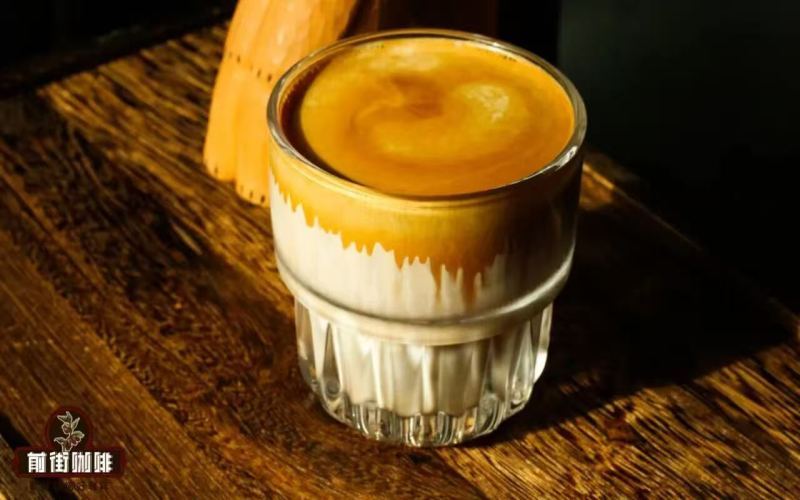
How to Make a Delicious Dirty: The Trio of Bean Selection, Milk, and Temperature
Dirty (dirty coffee) has been a perennial staple on café menus in recent years: hot espresso slowly sinks into iced milk, without stirring, and you drink it from top to bottom, so that in a single sip you get the alternation of hot and cold and the layering of milk and coffee. It looks simple, but between a delicious one and a mediocre one lies the gap of bean selection and details. The principle of Dirty: why [more…]

Step-by-step Guide to Making Iced Latte: A Full Breakdown from Bean Selection and Milk Choice to Ratio Control and Technique Tips
An iced latte may seem like it only takes three steps to make: add ice, pour milk, add coffee. But to truly make a delicious iced latte, there are quite a few details to consider behind the scenes. From choosing coffee beans and milk, to the ratio between espresso, milk, and ice, to the rhythm of operations during extraction and assembly, every step directly affects the final flavor performance. This article uses Front Street Coffee's iced latte preparation as an example to sort out three key aspects—material selection, milk-to-coffee ratio, and operational details—to help coffee enthusiasts consistently reproduce a balanced, layered iced latte at home. [more…]
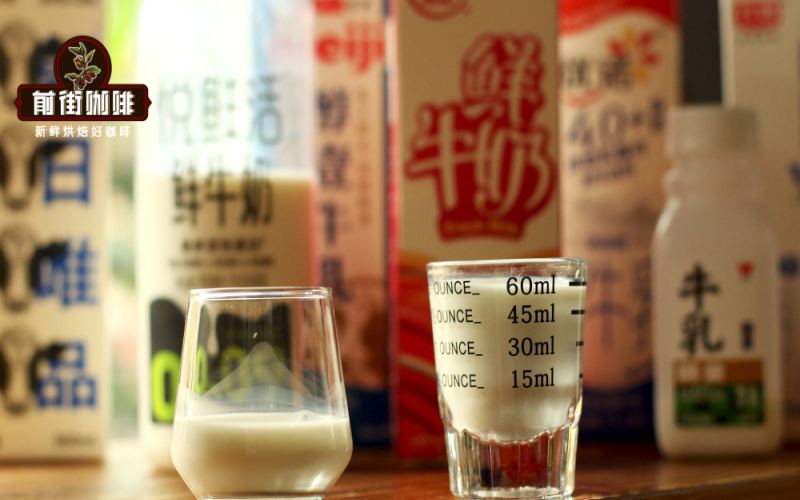
Espresso Bean Selection Guide | What Milk Pairs with Classic Espresso? Which Espresso Coffee Beans Are Recommended for Coffee Shop-Style Espresso?
Many people may not know that making an ideal espresso requires a good deal of effort, including selecting coffee beans, resting the beans, and extraction—every one of these aspects must be ensured without fail, as missing even one link may prevent you from making a rich and aromatic Italian-style coffee. Next, let's start with the first and most important point. [more…]

Latte Coffee Making Guide: Espresso Bean Selection and Hot Latte Step-by-Step Instructions
Latte coffee, with its blend of espresso and fresh milk foam, has become the drink that many people use to start their day. To make a delicious espresso latte, the choice of coffee beans, the espresso extraction parameters, and the degree to which the milk is steamed all directly affect the final flavor. Starting from the composition of the ingredients, this article introduces two Front Street espresso blend beans suitable for making lattes, and breaks down in detail the process of making a hot latte, including key details such as dose, liquid yield, extraction time, and milk foam temperature and thickness, helping coffee lovers reproduce at home a latte that is smooth in texture and full in flavor. [more…]
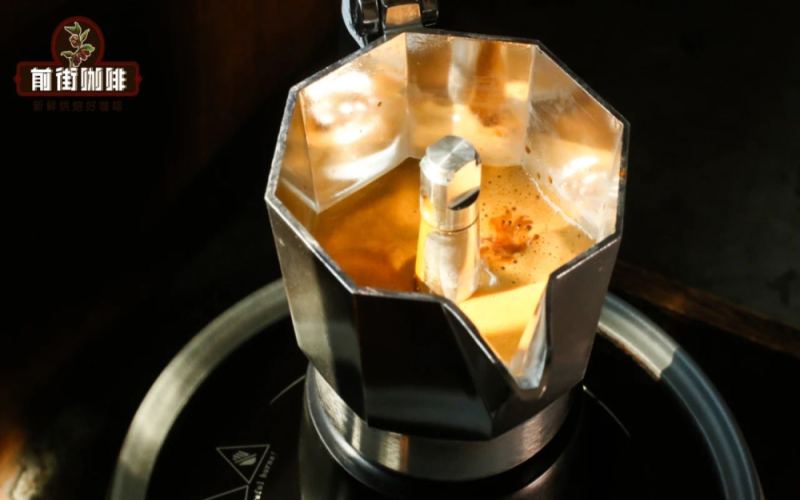
From Moka Pot to Espresso Machine: Bean Selection and Blend Recommendations for Milk Coffee, Americano, and Latte
Many people don't chase the distinct regional flavors of pour-over coffee in their daily cup; they prefer the milky taste of coffee with milk added. To make a stable, delicious latte or Americano, choosing the right espresso beans is the first step. This article starts with the basic principles of espresso, explains the relationship between espresso, Americano, latte, and cappuccino, and lays out three general guidelines for selecting espresso and moka pot coffee beans: not sour, freshly roasted, and medium-dark roast. On this basis, drawing on several of Front Street Coffee's blends, it offers specific selection logic and recommendations for different needs—traditional Arabica, commercial blends, classic rich body, cost-first, and fruity acidity. [more…]
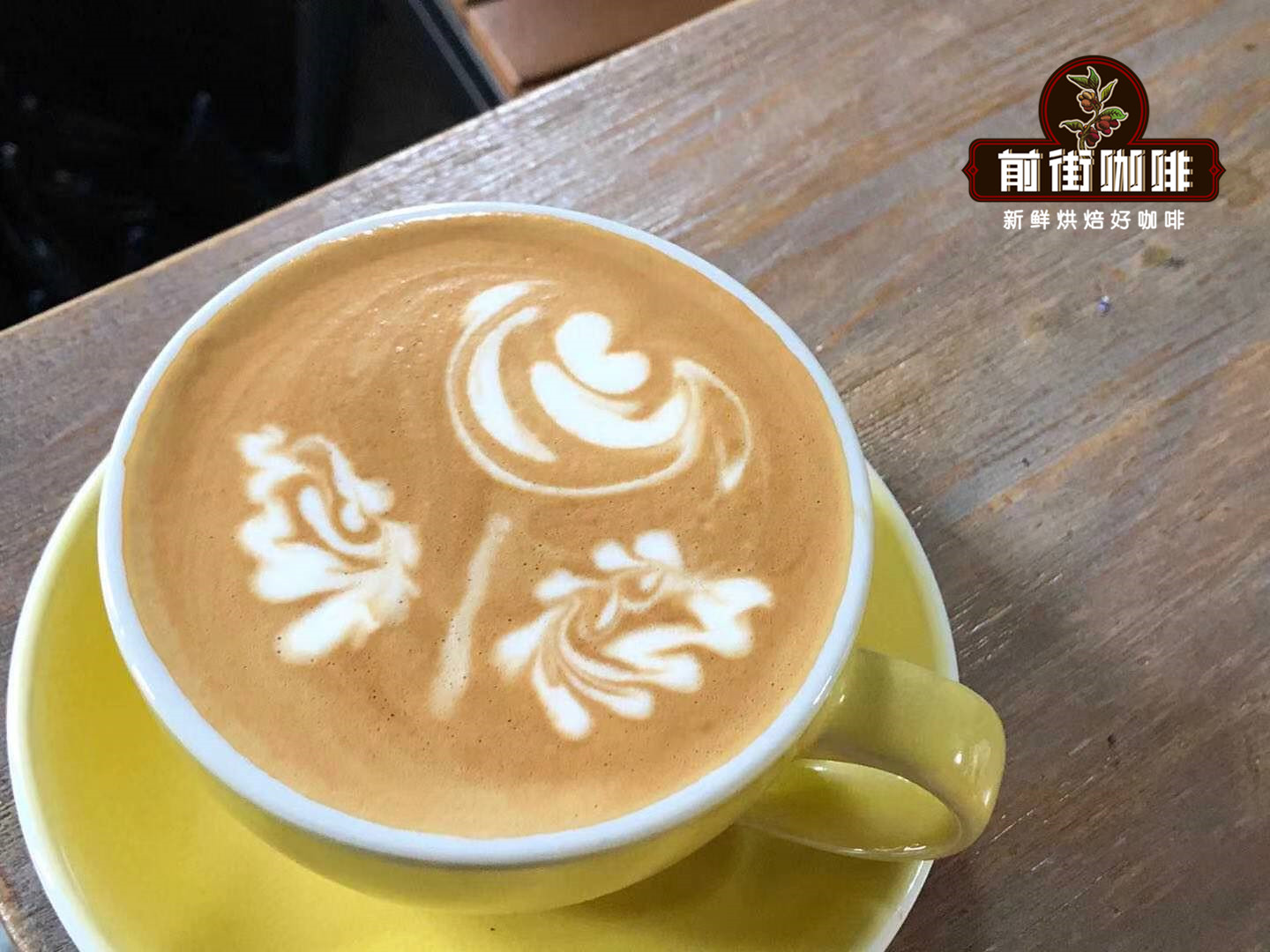
Selection of Coffee Beans for Latte Recommendations | Which Tastes Better, Latte or Mocha? What Are the Differences in Taste, Texture, and Preparation Between Latte and Cappuccino?
At Front Street Coffee, many friends order latte and mocha, two very popular coffees, and the baristas at Front Street Coffee are also very fond of them. But when it comes to the difference between them, many people probably don't know. Front Street tells you: actually [more…]
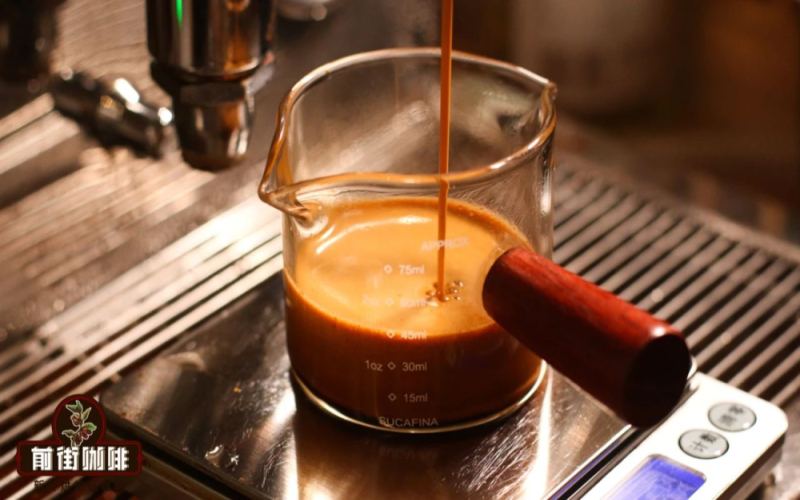
Australian Classic Flat White Making Secrets: A Complete Guide to Coffee Bean Selection and Milk Frothing
Flat White is a classic coffee originally created in Australia. It uses espresso as its base, paired with fine, thin microfoam, giving it a richer and more concise taste than a latte. To make an authentic Flat White, the key lies in the choice of coffee beans, the handling of the milk, and the extraction method. This article will guide you through the flavor characteristics of a Flat White and provide an in-depth analysis of the dark-roast espresso beans recommended by Front Street Coffee, including PWN Golden Mandheling and the classic blend series. We will also share milk frothing techniques and standard recipes to help you recreate the pure Australian flavor at home. [more…]

Illustrated Latte Art Tutorial: Key Points on Milk Foam Thickness and a Full Analysis of Milk Selection
Many friends who are just getting into coffee think latte art looks simple—just pour casually and you'll get a heart or a tulip. But when they actually try it, they discover the milk always floats on the surface in clumps. In fact, the key to latte art lies in the condition of the milk foam, the pouring technique, and the way you hold the pitcher and the cup. This time, Front Street Coffee focuses on latte art, breaking down the operational details of each step—from the required foam thickness, steam wand positioning, and steaming temperature, to pouring practice and how to hold the milk pitcher—to help everyone avoid detours and pour a decent-looking pattern as quickly as possible. [more…]
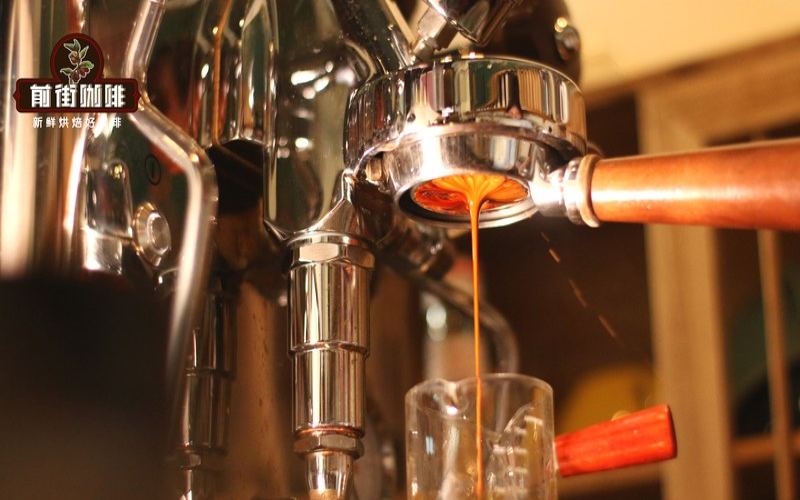
Moka Pot Latte Bean Selection: How to Pair Light, Medium, and Dark Roasts with Milk
Coffee brewed with a moka pot is usually more concentrated than pour-over, yet it doesn't have the thick crema of an espresso machine. Once milk is added, the roast level of the beans directly shapes the flavor direction of the whole cup: a light roast highlights aroma, a medium roast comes across as sweeter and smoother, while a dark roast delivers cocoa, nuts, and a stronger presence. When choosing beans, you can first base your decision on [more…]
Selection Logic for Home and Commercial Espresso Beans for Americano, Latte, and Moka Pot
In both home and café settings, milk coffee consumption far exceeds that of pure pour-over, making the selection of a suitable espresso blend crucial. This article outlines the extraction principles of espresso and moka pot brewing, pointing out that medium-dark roast, low acidity, and fresh roasting are universal benchmarks. On this basis, Front Street Coffee, leveraging its five-day fresh roast advantage, has launched several targeted products: those pursuing pure Arabica can choose the "Front Street Specialty Blend"; for commercial latte art requiring rich crema, the "Front Street Commercial Blend" or the "Front Street Classic Blend" containing Mandheling is preferable; the cost-conscious are suited to the "Espresso Moka Pot Coffee Beans Recommended by Many Baristas - Front Street Black Cocoa Blend"; while those craving fruity and floral notes can try the "Front Street Strawberry Candy Espresso Blend." The article helps readers make precise purchases according to their own needs. [more…]
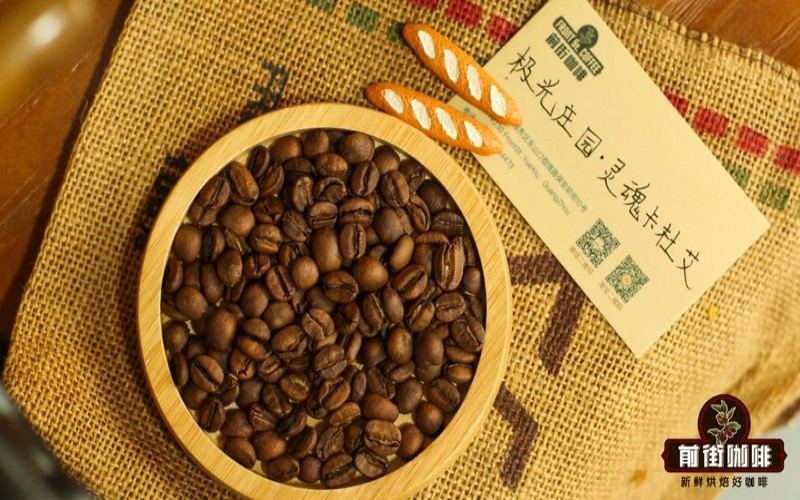
Coffee Machine Bean Selection Guide: Choosing the Right Cup by Roast Level
Espresso machines pull shots quickly and produce high concentration, and the roast level of the beans directly affects aroma, acidity, and body. If you mainly use a home espresso machine, super-automatic coffee machine, or capsule-based alternative, you can first determine your direction among light, medium, and dark roasts, then choose based on whether you usually drink espresso, Americano, or latte. This way, selecting beans will [more…]
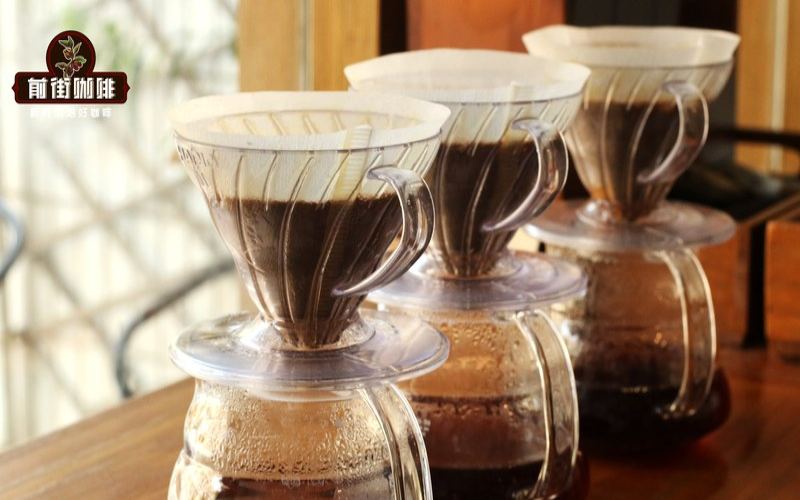
From Degassing Cycle to Opening and Storage: The Flavor Rhythm and Bean Selection Recommendations for Making a Delicious Latte
Freshly roasted coffee beans are filled with carbon dioxide internally. When making a latte, the state of gas release directly affects extraction efficiency and the degree of integration with the milk. Understanding the degassing process of coffee beans at different stages helps us taste a balanced and full-bodied coffee flavor during the phase when aromatic compounds are most active. The initial period after roasting is [more…]
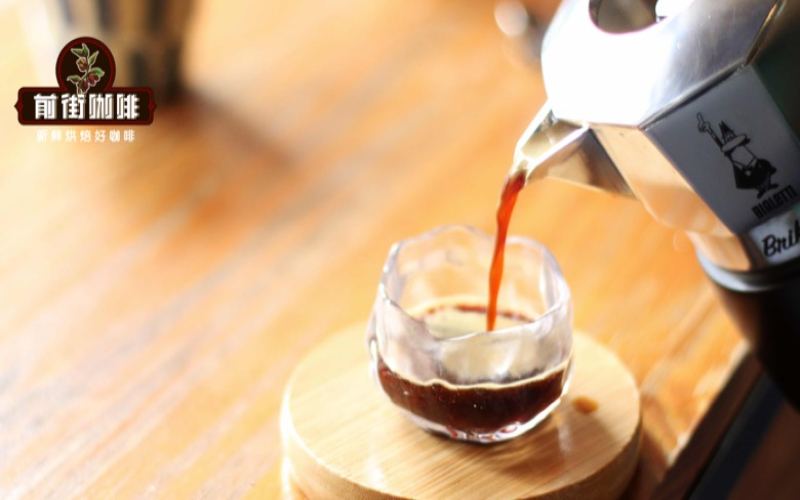
Origin Selection for Single-Origin Beans in a Moka Pot: The Rich Performance of Mandheling and Brazil
A moka pot doesn't have to be used only with blend beans—single-origin beans can also produce very distinctive results in a moka pot. With its steam-pressure extraction method, the flavors of a growing region are concentrated into a small cup of liquid, giving a mouthfeel that is thicker than pour-over but softer than espresso. Choose the right origin, and single-origin moka pot coffee can deliver unexpectedly good flavor. Indonesian Mandheling is for the moka pot. [more…]
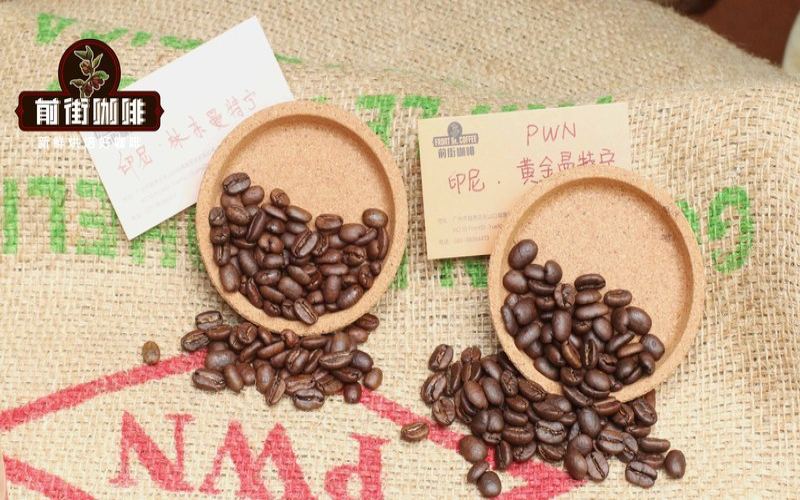
Moka Pot Bean Selection Guide: How to Choose from Light to Dark Roast
Coffee brewed in a moka pot is strong and intensely aromatic—perfect for sipping slowly from a small cup, or for adding water or milk. For those just starting out, roast level is an easier guide than region names: light roasts lean bright, medium roasts are balanced and sweet, medium-dark roasts have more body, and dark roasts bring pronounced cocoa and roasted notes. [more…]
Coffee Bean Selection Guide | What is a coffee combo? Which coffee beans are suitable for making a combo? What should be noted when making a combo?
By splitting the extracted espresso into 2–3 portions, then separately crafting each into a different type of coffee and finally combining them for serving, this is a highly popular serving format in today's coffee shops—the Coffee Combo. Because you can taste different "dishes" made from a single bean at the same time. [more…]
Choosing Dark Roast Beans by Roast Level: A Bean Selection Approach from Black Coffee to Milk Coffee
The charm of dark roast beans lies in their aroma shifting from floral and fruity notes to cocoa, roasted, nutty, and caramelized sweetness, with a cup that is usually deeper and more grounded, and a texture that feels more substantial. It suits the moment in the early morning when you need a hearty cup of black coffee, and it also works well with milk to make a latte. If you do not particularly care for pronounced acidity, dark roast will be an easy one to grow fond of. [more…]
Moka pot beginners should look at roast level first for clearer bean selection
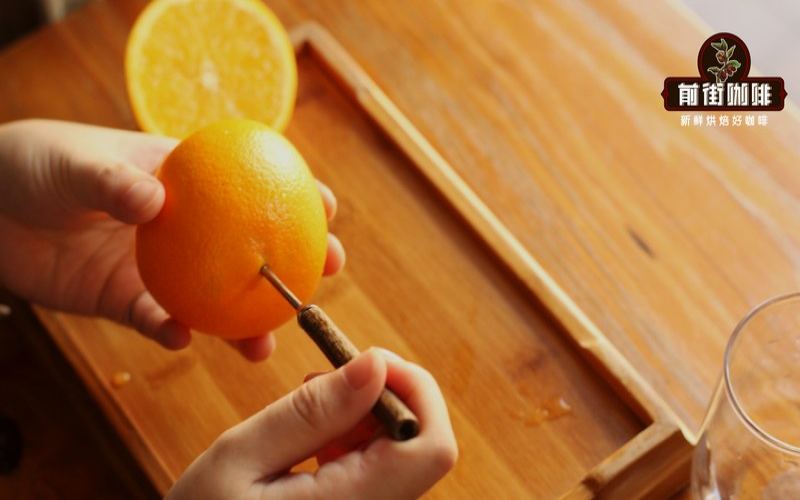
Coffee brewed with a moka pot is strong and concentrated in aroma, and the roast level of the beans directly affects how it tastes. For beginners, it is usually easier to make a good choice by first checking whether the package says light, medium, or dark roast, and then considering whether you want black coffee or coffee with milk, rather than just focusing on the name of the origin. Different roast levels [more…]
Origin Selection for Home Espresso Beans: The Performance of Single-Origin SOE on Home Machines
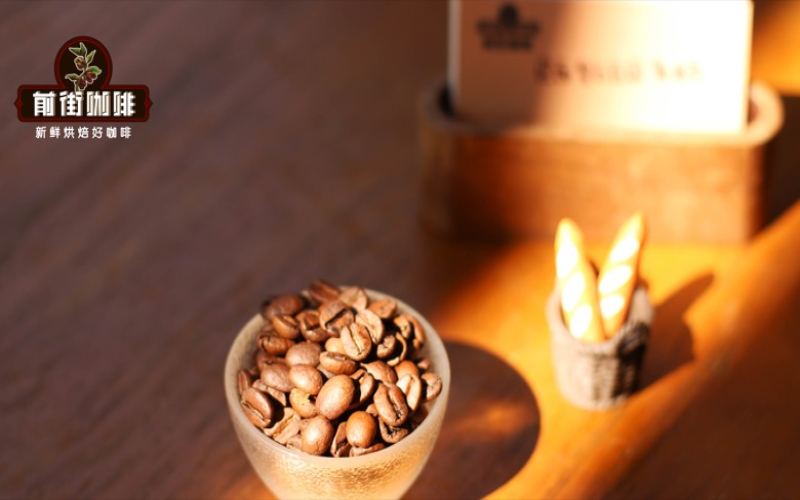
A home semi-automatic espresso machine doesn't necessarily mean you can only brew espresso blends—single-origin SOE can also produce distinctive shots on a home machine. The flavor profiles of SOEs from different regions vary noticeably; choose the right region, and even a home machine can deliver espresso with regional character. Mandheling SOE is the rich, full-bodied choice for home machines. Mandheling is harvested [more…]
Home Espresso Machine Bean Selection Guide: Choosing Cost-Effective Flavors by Roast Level
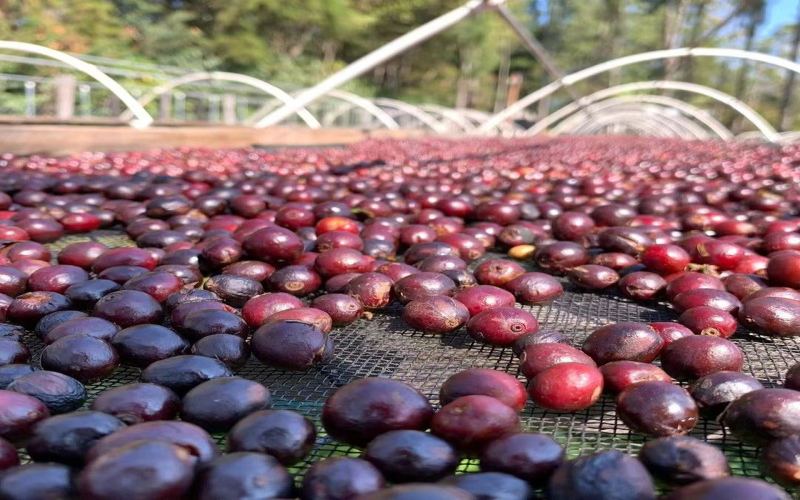
When choosing beans for a home espresso machine, the roast level often determines the overall character of a cup more than the name of the origin. Light roasts lean toward aroma and fruity acidity, medium roasts more easily balance sweetness and body, while dark roasts bring notes of cocoa, nuts, and roastiness. When the budget is limited, choosing according to whether you usually drink black coffee, lattes, or iced drinks is usually better than blindly [more…]
Arabica Espresso Origin Selection: A Comparison Between Ethiopian SOE and Central & South American SOE
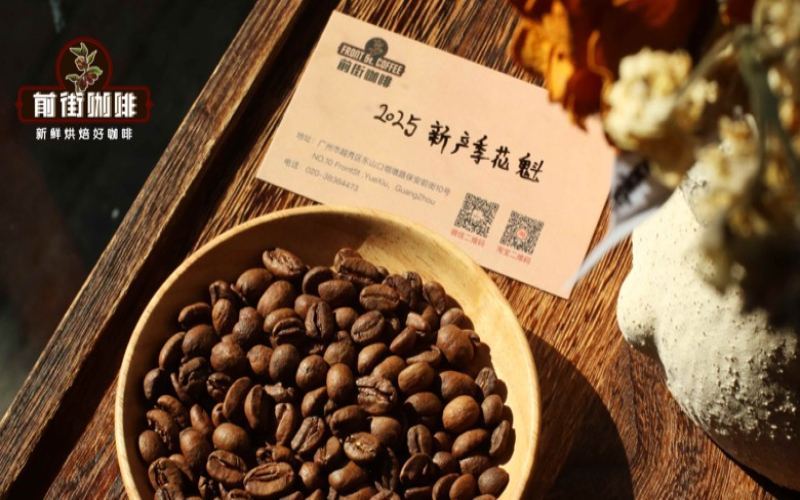
When making espresso SOE with Arabica beans, the choice of origin directly determines the flavor direction of the espresso. Ethiopian SOE and Central-South American SOE are two entirely different paths, each with its own charm, suited to drinkers with different taste preferences. Ethiopian SOE takes the route of intense floral and fruity aromas. Huakui sun-dried beans [more…]