








How much does bean choice change an iced latte?
A good iced latte comes down to three things: the beans, the milk, and the ratio. Most espresso blends push the drink toward nutty, chocolatey tones, while blends with a small share of robusta add body and caramel aroma. Single-origin style espresso can instead highlight milk sweetness, bringing grape, dried blueberry, sweet orange, and fruit candy notes.
A workable reference recipe uses 35g of espresso, 250ml of fresh milk, and 75g of ice cubes. Beyond the numbers, espresso quality and how quickly the drink is assembled affect both layering and mouthfeel. Similar reasoning applies to iced americano how much water to add, since dilution decides whether the cup stays balanced or turns thin and, for some drinkers, is an americano bitter.
Iced latte coffee looks like it only takes three steps: add ice, pour milk, pour coffee. But to make a truly delicious iced latte, there are many considerations from material selection to operational details. This article will unfold from three dimensions: First, how to choose suitable coffee beans and milk; Front Street Specialty Blend, Black Cocoa Blend, Classic Blend, Commercial Blend, and Strawberry Candy Espresso each have different flavor profiles; Second, how to match the milk-to-coffee ratio reasonably, using 35g espresso, 250ml fresh milk, and 75g ice cubes as a reference; Third, what easily overlooked details exist in the operation, including the quality of espresso extraction and the impact of production speed on layering and mouthfeel.

Iced latte coffee appears to be a very easy-to-make beverage: add ice, pour milk, pour coffee, and it is done in three steps. But if you really want to make it satisfying, it still takes thought and care behind the scenes.
Point one: Choose suitable materials
The threshold for iced latte is low. Almost every shop that sells coffee beans lists it on the menu, yet the taste made by each shop varies greatly. One of the core reasons for this difference is that the milk and coffee beans used are not the same.
The flavor of coffee beans can directly determine the overall direction of an iced latte. Most espresso blends on the market give iced latte a thick nutty, chocolatey tone and a heavier coffee taste, such as Front Street Specialty Blend and Front Street Black Cocoa Blend, which, when combined with milk, can bring rich layers of nutty aromas like almond, almond, and walnut; if you want the iced latte to have a richer crema, you can choose Front Street Classic Blend or Front Street Commercial Blend. These two contain a small amount of robusta beans, and the body and caramel-like aroma are immediately maxed out.
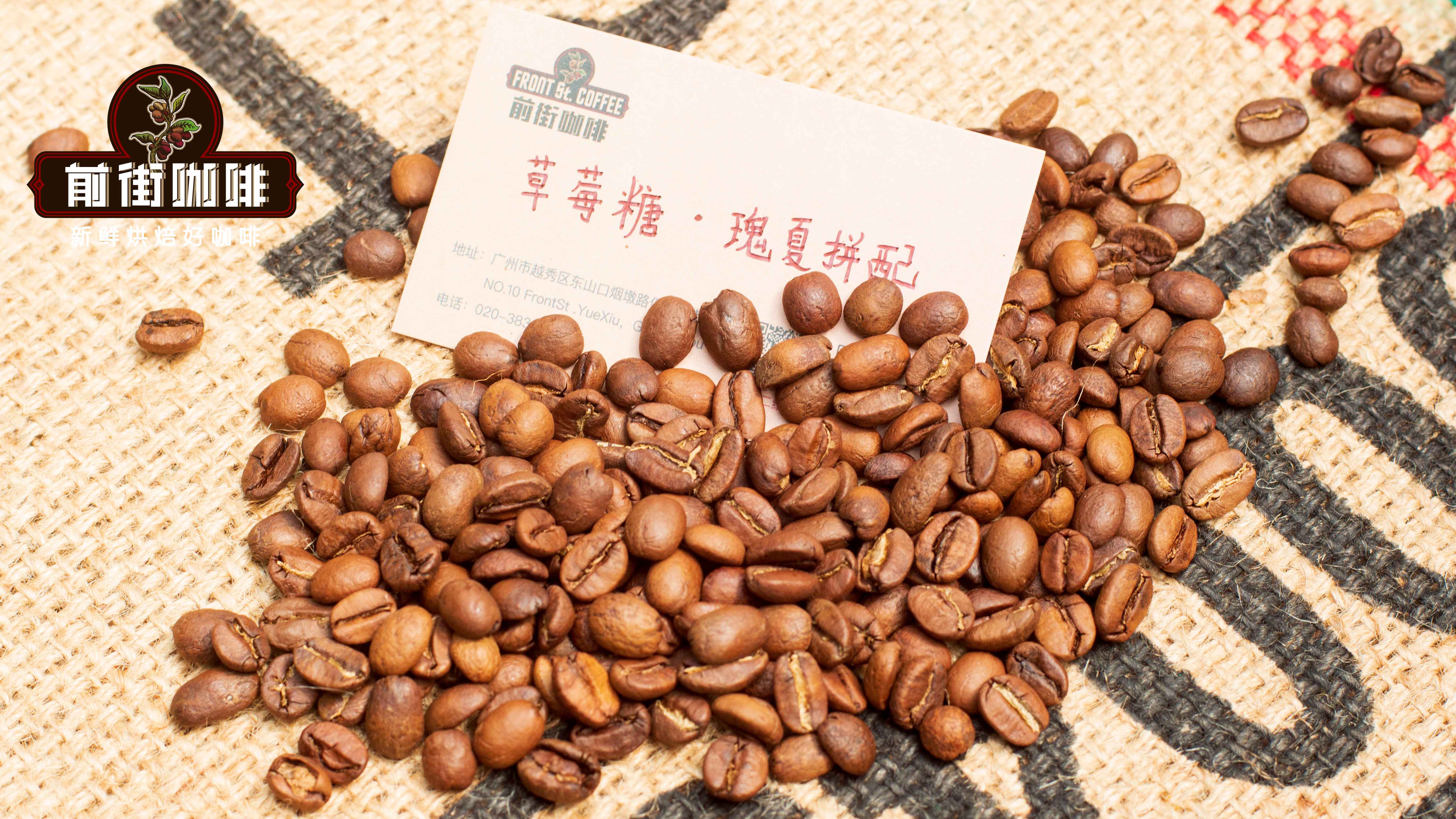
In addition, a few coffee beans can instead highlight the sweetness and richness of milk. The barista recommends Front Street Strawberry Candy Espresso. From the name, you can tell its sweetness is quite high. This bean is composed of single-origin coffees from three different producing regions. Besides having rose floral notes, when made into americano or latte, you can also feel the tones of grape, dried blueberry, sweet orange, and fruit candy, with a very recognizable mouthfeel.
Milk selection also cannot be careless. For the single category of whole fresh milk alone, there are more than a dozen common options on the market. Some have a heavier milky taste and thick mouthfeel, while others are as light as water. The standard for choosing milk is not that the richer the better, or the more obvious the milky taste the better, but rather to find the one that fits with the coffee. Too heavy a milky taste will suppress the coffee's own flavor, while milk with too much wateriness will make the latte bland.

Point two: A reasonable milk-to-coffee ratio
Does choosing the right coffee beans and milk mean you can make a delicious iced latte? There is also a prerequisite that the ratio must be properly matched. Front Street's iced latte coffee uses Sunflower Warm Sun Blend and Vitasoy fresh milk, with a ratio of 35g espresso liquid, 250ml fresh milk, and 75g ice cubes. This ratio is only for everyone's reference, not a golden formula for latte coffee. Front Street obtained these parameters after repeated adjustments using the above materials, and the basis for judgment came from real tasting feedback.
Therefore, when making iced latte, everyone can also adjust the ratio appropriately according to their own taste—too much milk will cover the coffee taste, too little milk will make it bitter, and too much ice will make it diluted.
Point three: Operational details
Although the operation of iced latte is as straightforward as adding ice, pouring milk, and pouring coffee, there are still a few small details worth noting in actual practice. The most critical part is espresso extraction. Whether a latte tastes good first depends on whether the espresso extraction meets the standard. Common espresso problems such as channeling and incorrect extraction time will naturally also affect the final taste of the iced latte.
The process of making iced latte should also emphasize speed. Speed here means that the time ice cubes and milk stay in the cup should be as short as possible, and the extracted espresso should be poured into the cup immediately.
This is also why a freshly made iced latte can show a gradual layering of milk and coffee. If the ice cubes soak in the milk for too long, the ice will melt, a water layer will appear on top, and the entire cup of coffee will taste diluted. Espresso is even more sensitive. When just extracted, the crema is very rich, but after 30 seconds the crema will noticeably decrease, and espresso lacking crema is also difficult to float on the surface to form a beautiful layer.
The above content is compiled by CoffeeHunters, a coffee news website.


