








Which Spanish Coffee Types Shape a Good Iced Latte?
An iced latte looks like three steps: add ice, pour milk, pour coffee. A reference recipe from Front Street uses 35g espresso, 250ml fresh milk, and 75g ice cubes, but the flavor depends mostly on the bean. Italian-style blends usually deliver prominent nutty and chocolate notes, while single-origin beans read sharper and thinner.
Bean choice matters more than most drinkers expect. Blends such as Front Street Specialty Blend or Dark Cocoa Blend bring out almond, apricot, and walnut aromas with milk, while Classic Blend and Commercial Blend include a small share of Robusta for extra body and crema. The same logic applies across Spanish coffee types, and it explains why some iced drinks taste bitter even when milk is added.
Iced latte may seem like just three steps—add ice, pour milk, pour coffee—but making it taste good involves careful consideration from ingredient selection to ratios to operational details. Starting from the pairing of coffee beans and milk, this article introduces Italian blend choices for different flavor profiles, including the characteristics and suitable scenarios for Front Street Specialty Blend, Front Street Dark Cocoa Blend, Front Street Classic Blend, Front Street Commercial Blend, and Front Street Strawberry Candy Espresso; it then provides a reference ratio for Front Street Iced Latte—35g espresso, 250ml fresh milk, and 75g ice cubes—and explains how adjusting the ratio affects the flavor; finally, it emphasizes the key roles of espresso extraction quality, production speed, and ice soaking time in the final taste and layering effect, helping coffee enthusiasts consistently recreate a good-looking and delicious iced latte in daily preparation.

On the surface, iced latte coffee is just a set of actions: "add ice, pour milk, drizzle coffee," but to truly make it delicious, there are actually many aspects that require careful thought behind the scenes.
First point: Choose suitable materials
The method for making iced latte is not difficult, and almost every coffee bean brand's product line includes a corresponding bean. However, iced lattes from different shops taste distinct. One of the core reasons for this difference lies in the different milk and coffee beans used.
The flavor profile of coffee beans directly determines the final taste of the iced latte. Most Italian blend beans on the market produce iced lattes with prominent nutty and chocolate notes and a stronger coffee taste. To achieve this type of expression, you can choose Front Street Specialty Blend or Front Street Dark Cocoa Blend, which release rich layers of nutty aromas like almonds, apricots, and walnuts when combined with milk; if you care more about the crema performance of the iced latte, consider Front Street Classic Blend and Front Street Commercial Blend, as these two beans include a small amount of Robusta, immediately maximizing the body and signature aroma.
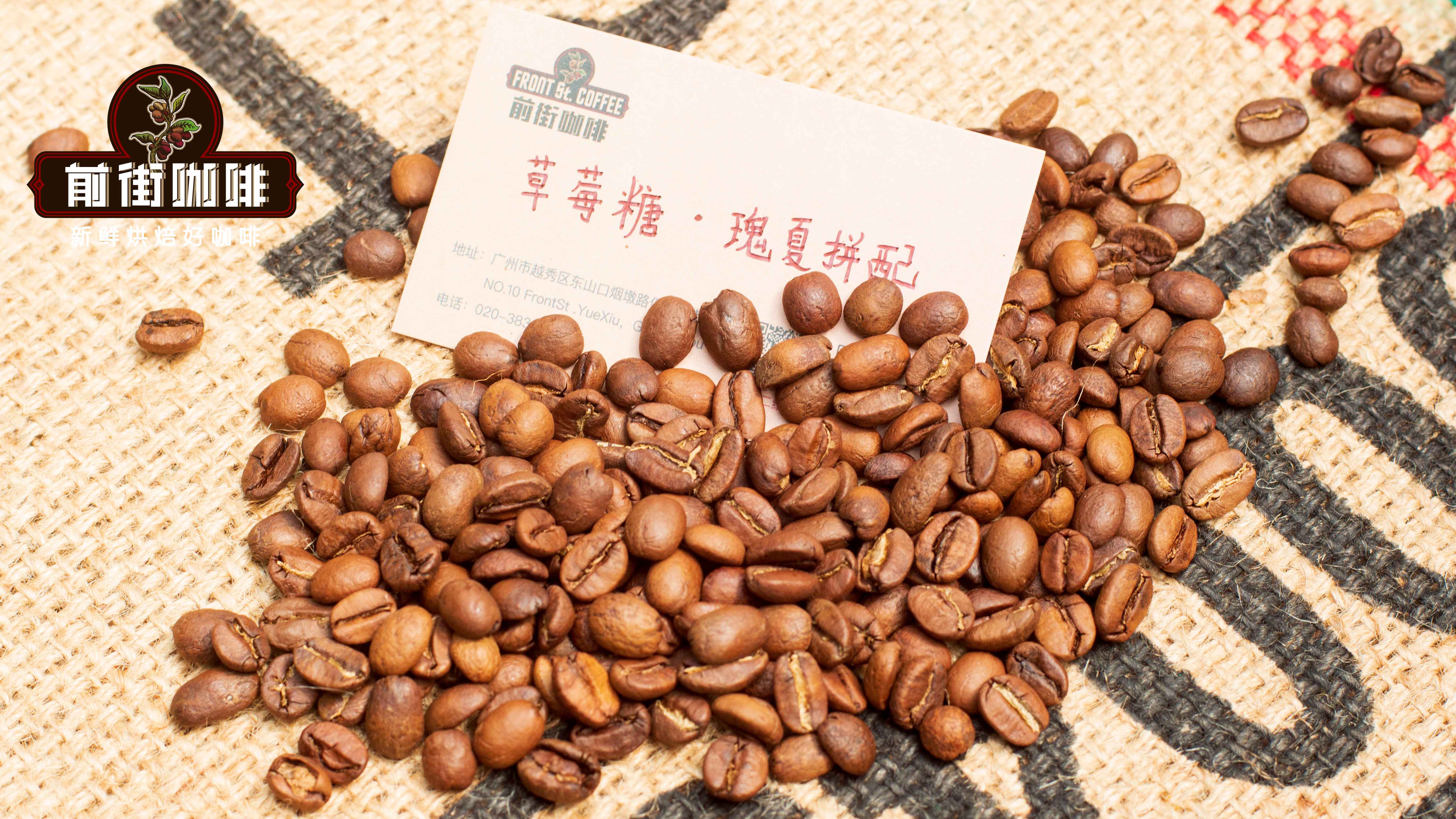
There are also a few coffee beans that can highlight the sweetness and fullness of milk in an iced latte. Baristas recommend Front Street Strawberry Candy Espresso, whose name alone indicates its prominent sweetness. This bean is composed of single-origin coffees from three different regions; besides its inherent rose fragrance, it offers flavors of grapes, dried blueberries, sweet oranges, and fruit candy when made into Americano or latte, providing a quite unique mouthfeel.
The selection of milk is equally important. Just for full-fat fresh milk alone, there are over ten common types on the market. Some have a stronger milky taste and thicker mouthfeel, while others are as light as water. The standard for choosing milk is not to pursue richness and prominent milk flavor blindly, but to find the one that harmonizes with coffee. Too heavy a milk flavor will overpower some of the coffee's own taste, while milk with a watery feel will make the latte overall bland.

Second point: Reasonable milk-to-coffee ratio
Once you've chosen suitable coffee beans and milk, does that guarantee a delicious iced latte? The premise is a proper ratio. Front Street's iced latte coffee uses Sunflower Sunshine Blend and Vitasoy Fresh Milk, with a ratio of 35g espresso, 250ml fresh milk, and 75g ice cubes. This ratio is for reference only and is not the golden rule for latte coffee. Front Street arrived at these parameters after repeated adjustments based on the above materials, mainly based on feedback from actual tasting.
Therefore, when making iced lattes at home, you can also adjust the ratio appropriately according to your preferences: more milk will cover the coffee flavor, less milk will make it bitter, and more ice will dilute it.
Third point: Operational details
Although the process of "add ice, pour milk, drizzle coffee" for iced latte coffee is simple and clear, there are still some small details to note in actual operation. The most critical is the extraction of espresso; whether a latte tastes good largely depends on whether the espresso extraction meets standards. Common issues like channeling and incorrect extraction time will naturally affect the final taste of the iced latte.
The process of making an iced latte also requires a "fast" approach, meaning the time the ice and milk stay in the cup should be as short as possible, and the extracted espresso should be poured into the cup immediately.
This is also why a freshly made iced latte can show a gradient layering of milk and coffee. If the ice soaks in the milk for too long, it will melt, creating a water layer on top, and the entire coffee will taste diluted. Espresso is even more sensitive; when freshly extracted, it has very rich crema, but after 30 seconds, the crema significantly decreases. Espresso lacking crema also struggles to float on the surface and form a beautiful layering.
The above content is compiled by CoffeeHunters, a coffee news website.


