








Mocha Origin: How Did Milk Coffee Begin, and How Do Espresso Beans Fit In?
Milk coffee has a history of more than three hundred years. Around 1660, the Dutch governor of Batavia, Nieuhof, added milk to coffee after noticing how the English softened bitter tea with milk. Espresso machines arrived in the early 20th century, and steam-frothed milk led to cappuccino and eventually the latte.
The cup depends on matching milk with espresso beans. Classic blends bring nutty chocolate notes, single-origin options such as Strawberry Candy or a Xizhua SOE add fruity floral sweetness, and caramel vanilla profiles suit milk well. Whole fresh milk, steamed to a glossy microfoam texture, keeps the coffee flavor from being buried.
The combination of coffee and milk has a history of over three hundred years. From the 17th century when aristocrats added milk to tea to improve its astringency, to the 20th century when espresso machines gave rise to cappuccino and latte, milk coffee culture has continuously evolved. Today there are many varieties such as latte and flat white, but the key to a delicious milk coffee lies in the pairing of milk and espresso beans. This article traces the historical development of adding milk to coffee, explains Front Street Coffee's latte recipe in detail, and recommends several espresso beans specially suited for milk coffee: from the rich nutty chocolate notes of classic blends, to the fruity floral sweetness of Strawberry Candy and Xizhua SOE, and to the caramel vanilla flavor of Sunflower Warm Sun. It also explores the logic behind selecting whole fresh milk, helping enthusiasts understand how to balance milk flavor and coffee flavor.
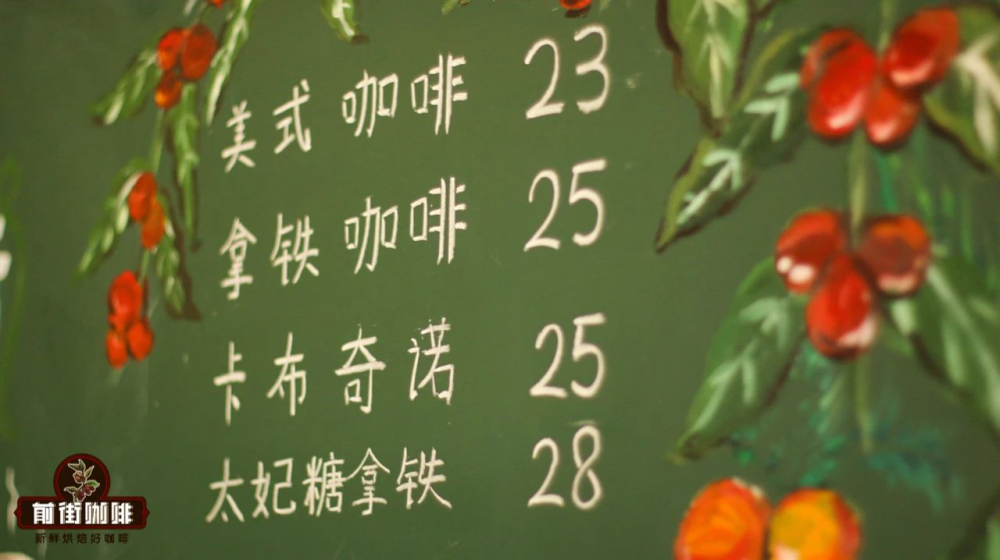
As early as the 17th century, people began adding milk to their coffee. Today, the milk coffee family has grown considerably, with latte, cappuccino, mocha, and flat white being common members. Faced with the dazzling array of dairy products on the market, which milk should you add to make your coffee taste better?
The Origins of Coffee and Milk
This history can be traced back about 360 years. It is said that around 1660, the Dutch governor of Batavia in Indonesia, Nieuhof, was the first person to try mixing coffee and milk together. His inspiration came from the British practice of adding milk to tea—in the 17th century, tea was transported from the East to England at great expense, and only royalty and nobility could afford it. The aristocrats found the tea broth bitter and hard to swallow, so they added a little milk to make it smoother.
Nieuhof noticed that tea and coffee shared the common trait of being unpalatable, so he also added milk to coffee to mellow it out. This is the earliest recorded instance of combining coffee with milk, and the most enduring one.
The Birth of Espresso Latte
In the early 20th century, Italians invented the semi-automatic steam-pressure espresso machine. After extracting espresso and adding steam-frothed milk, the cappuccino that Italians loved was born. At the time, there was no clear distinction between cappuccino and latte—"caffe latte" essentially meant the fusion of coffee (caffe) and milk (latte).
The advent of the espresso machine brought endless variations to the pairing of coffee and milk. Different milks produce different flavors in the final product. Take latte as an example: Front Street Coffee's latte ratio is 40 grams of espresso liquid to 260 grams of steamed milk. The whole fresh milk used is pasteurized, which retains more fat and nutrients, making it smoother and richer on the palate.
Iced latte is simple to make and available at almost every coffee shop, yet the taste varies from place to place. The main reason lies in the differences in the milk and coffee beans used.
The flavor of coffee beans directly influences the taste direction of a latte. The first type of espresso blend gives iced latte a rich nutty, chocolate, and full-bodied coffee flavor. Here are two high-quality espresso beans specially suited for milk coffee:
1. A rich, full-bodied blend with abundant crema—Front Street Coffee Classic Blend Espresso
Front Street Coffee Classic Blend Latte taste: pronounced body, hazelnut chocolate, butter, caramel biscuit, intense coffee aroma, smooth and velvety crema
2. A balanced everyday blend—the espresso bean recommended by many baristas: Front Street Coffee Dark Cocoa Blend Espresso
The espresso bean recommended by many baristas—Front Street Coffee Dark Cocoa Blend Latte taste: nuts, cream, cocoa, slight acidity, sweet aftertaste, extremely well-balanced, high value for money
The second type of blend highlights the sweetness and richness of the milk in an iced latte. For example, here are two fruity-floral espresso beans specially suited for milk coffee:
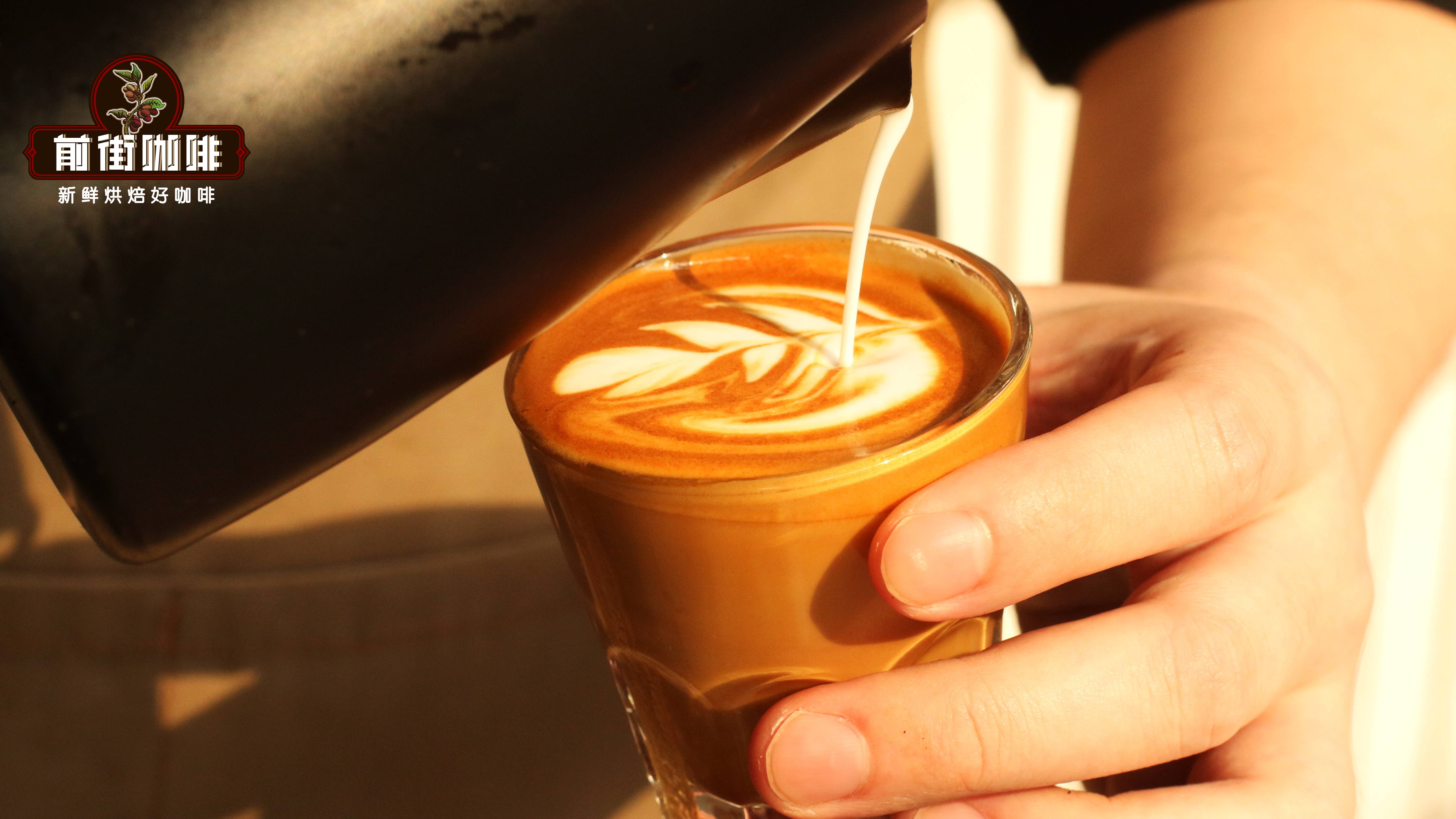
1. Front Street Coffee Strawberry Candy Espresso Blend with rose and grape aromas
Front Street Coffee Strawberry Candy Latte taste: cream, berries, raisins, floral notes, cranberry cookie, dried strawberry, almond finish
2. Front Street Coffee Colombia Xizhua SOE with rich passion fruit notes
Front Street Coffee Xizhua SOE Latte taste: sweet aromas of grape, passion fruit, and blueberry, rich layered complexity, with a lingering fragrance after drinking
The Sunflower Warm Sun blend used at Front Street Coffee's stores is designed to express rich caramel chocolate and vanilla cream flavors. It is clear that the choice of espresso beans plays a decisive role in the taste of a latte.
However, the choice of milk is equally crucial. For whole fresh milk alone, there are commonly a dozen or so varieties on the market—some with a heavy milk flavor, others as light as water. The standard for selecting milk is not simply to pursue a rich milky aroma, but to find the one that pairs well with coffee. Too heavy a milk flavor will mask some of the coffee's flavors, while milk with a pronounced watery quality will make the latte bland.
The above content is compiled by CoffeeHunters, a coffee news website.


