







Search Results for: milk foam preparation
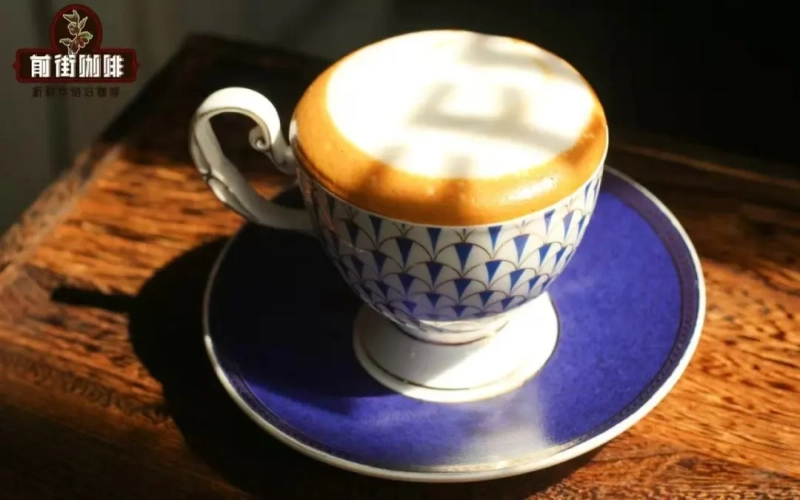
The Authentic Standards and Golden Circle Preparation of Cappuccino: The Golden Ratio of Espresso, Milk, and Milk Foam, and the 11-Point Fullness Technique
Cappuccino is not simply a milk-foam coffee; it has three hallmarks that distinguish it from lattes, flat whites, and other milk coffees: a velvety mouthfeel, a rich coffee taste, and a "11-point full" serve. Starting from the core characteristics of a cappuccino, this article explains in detail the ratio of coffee to milk, the effect of milk-foam thickness on latte art and the golden ring, and, using a classic blend bean as an example, provides the complete extraction parameters and steps for making the golden ring, helping you make a standard cappuccino at home that is rich without being bitter and as velvety as a cloud. [more…]

A comprehensive analysis of lattes, cappuccinos, and flat whites: extraction parameters, milk ratios, and milk foam thickness comparison
Latte, cappuccino, and flat white are the three most common espresso-based milk coffees on café menus. They are all made from a combination of espresso and milk, yet each has its own particularities in terms of extraction volume, milk ratio, and foam thickness. This article will examine the origins and preparation differences of these three drinks one by one, and compare in detail the extraction standards for espresso, the proportions of milk used, and the texture requirements for milk foam. The article also introduces the blend recipes and serving parameters that Front Street Coffee uses for different milk coffees, helping coffee enthusiasts not only understand the basics but also grasp the key points in actual preparation. [more…]

What's the difference between Starbucks Flat White and Australian White Coffee? A breakdown of Flat White's per-cup price and key preparation points
In the large family of espresso drinks, latte, mocha, and cappuccino are already well known, while Flat White and the Starbucks menu's "馥芮白" often leave people confused. In fact, "馥芮白" and Australian white coffee both refer to the same drink; only the name and preparation vary by region. Starting from the production standards of Front Street Coffee, this article sorts out the controversy over the origin of Flat White, the choice of espresso base, milk steaming temperature and foam thickness, and compares it with latte in terms of cup size, ratio, and flavor, to help coffee lovers make a qualified Flat White at home. [more…]

Does latte art affect the flavor of a flat white? An analysis of thin milk foam steaming techniques and key preparation points
Many coffee enthusiasts notice that some coffee shops serve flat white without latte art, which raises questions: should flat white have latte art? Does the absence of latte art affect the taste of the coffee? In fact, latte art appeared much later than the birth of classic milk coffees like latte and cappuccino, and whether latte art is present or not does not directly change the flavor of the coffee. What truly affects the taste are the ingredients, espresso extraction, milk frothing, and the degree of integration. Through comparative experiments, Front Street Coffee found that flat whites with and without latte art show no difference in mouthfeel or taste. The milk foam of a flat white is extremely thin, less than 0.5 cm in thickness, and highly fluid, making latte art quite difficult—though not impossible. This article will analyze the necessity of latte art on flat white and the key points for frothing thin milk foam, from the perspectives of experimentation and preparation. [more…]
A Detailed Guide to the Correct Way to Drink Cappuccino and Milk Foam Preparation: Wet vs. Dry and Front Street Coffee Recommendations
As a classic representative of Italian coffee, the charm of cappuccino lies in the golden ratio of espresso, steamed milk, and milk foam. But do you know the difference between a dry cappuccino and a wet cappuccino? The former has thick milk foam and a prominent coffee flavor, while the latter is mostly milk with a softer mouthfeel, similar to a latte. This article will start with the origin and naming of cappuccino, explain in detail its ratio variations and flavor characteristics, and share the correct way to taste it along with key points for making milk foam. Whether you are a strong-flavor drinker who prefers an intense coffee taste or a beginner who likes a light, milky flavor, you can find the cup that suits you. Front Street Coffee has also selected beans suitable for making cappuccino for you, helping you recreate an authentic Italian flavor at home. [more…]
Analysis of the Standard Latte Preparation Method and Flavor Characteristics: Differences Between Cappuccino and Latte in Ratios, Cup Size, and Milk Foam
Latte and cappuccino are the two most widely known milk coffees in the Italian coffee system, but they differ clearly in ratio, cup type, milk frothing method, and final mouthfeel. A latte, with its classic ratio of 70% milk, 20% milk foam, and 10% coffee, presents a smooth and rich milky aroma, while a cappuccino follows a 1:1:1 structure of espresso, milk, and milk foam, giving it a thicker and denser mouthfeel. This article will go through the core characteristics of the two coffees item by item, from origin, ingredient ratios, and cup selection to milk foam handling techniques and drinking experience, helping coffee lovers more accurately grasp their respective flavor directions when making and tasting them. [more…]

An Analysis of the Flavor and Mouthfeel Characteristics of Flat White: Core Differences from Latte and Key Preparation Points
Flat White and latte are both popular espresso-based milk coffees, but they differ clearly in milk foam thickness, milk ratio, and overall mouthfeel. Flat White uses a double ristretto as its base, with milk foam as thin as 0.3–0.5 cm, pursuing a rich, smooth, coffee-forward flavor. This article sorts out Flat White's origin background, preparation method, and comparison with latte and cappuccino, and also includes Front Street store brewing parameters and recommendations for five espresso blend beans, as a reference for coffee lovers to replicate at home. [more…]

What Are the Differences Between a Latte, Cappuccino, and Flat White? A Comprehensive Analysis from Ratios and Milk Foam Thickness to Extraction Methods
Although all made from espresso and milk, lattes, cappuccinos, and flat whites each have their own distinct character and loyal following. These three milk coffees often appear side by side on café menus, and their preparation processes may seem similar, but in reality there are significant differences in espresso extraction volume, milk ratio, and foam thickness. This article will start with their historical origins, break down the key preparation points and flavor characteristics of each one by one, and use Front Street Coffee's classic Italian blend as an example to share how to recreate café-quality results at home. Whether you are a coffee enthusiast who is just starting out or a player hoping to refine your skills, you will find practical references here. [more…]

Analysis of Flat White Coffee Milk Ratio and Bitterness: A Tutorial on Aurelio White Preparation Steps and Parameter Adjustment
Flat White, also known as Australian White or Fu Rui Bai, originated in Melbourne, Australia, and is renowned for its thin milk foam and rich coffee flavor. Like a latte or cappuccino, it consists of espresso and fresh milk, but it highlights the aroma of the coffee itself more, with the milk foam being only about 0.5 cm thick and level with the rim of the cup. This article provides a detailed analysis of the Flat White's origin controversy, milk foam thickness, Ristretto base extraction parameters, and milk ratio, and uses a 200 ml ceramic cup as an example to demonstrate the complete preparation process at Front Street Coffee stores, from grinding 20 grams of coffee and extracting 28–30 grams of Ristretto to adding 170 grams of hot milk, helping coffee enthusiasts master the core points of this beverage. [more…]
A Comprehensive Analysis of Fancy Coffee Types and Characteristics and Espresso Extraction, with Classic Recipes and Preparation Methods
Espresso is the foundation of many fancy coffee drinks, and understanding its extraction parameters and flavor characteristics is key to mastering coffee preparation. This article systematically reviews the recipe ratios, taste differences, and preparation steps of more than ten classic fancy coffees, including latte, cappuccino, macchiato, con panna, and Viennese coffee, while also explaining in detail the core parameters of espresso such as dose, water temperature, pressure, and extraction time. Whether you are a beginner coffee enthusiast or a professional hoping to refine your skills, you will find practical references and inspiration here. The article also specifically recommends related products from Front Street Coffee to help you recreate an authentic fancy coffee at home. [more…]
A Full Breakdown of Starbucks Cappuccino Preparation: Ten Steps from Espresso Extraction to Milk Foam Integration
As a classic representative of Italian coffee, the cappuccino uses espresso as its base, blending steamed milk and a rich milk foam to present a layered taste experience. Following Starbucks' professional coffee operating standards, this article will break down the cappuccino-making process step by step, from tamping the coffee grounds and pulling the espresso to controlling the steamed milk temperature and incorporating the milk foam, covering ten key steps in total. At the same time, the article also distinguishes the differences between dry cappuccino and wet cappuccino in the ratio of milk foam to steamed milk, and emphasizes easily overlooked details such as cleaning the steam wand. Whether you want to recreate the Italian flavor at home or hope to refine your coffee skills, this illustrated tutorial can provide clear and practical guidance. [more…]

An Introduction to Italian Milk Coffee | What Are the Differences in Flavor, Taste, and Preparation Among Latte, Cappuccino, and Flat White? How to Quickly Identify Types of Milk Coffee?
Latte, cappuccino, and flat white are almost always on the menu at coffee shops as the staple milk coffee categories. This article will help you clearly distinguish the differences between these three milk coffees. Since most people have more or less encountered these three milk coffees, here is a brief introduction to their origins. Modern latte and cappuccino [more…]
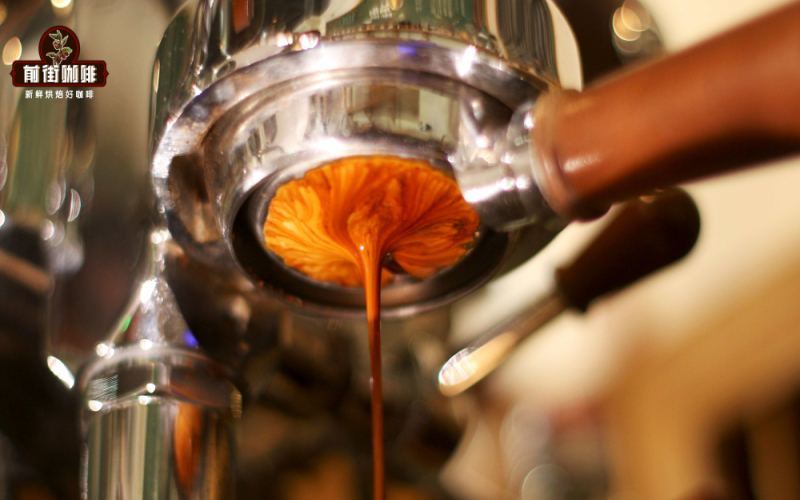
A Complete Guide to Espresso at Cafés: Detailed Breakdown of Ten Common Types and Their Preparation Ratios
Walking into any coffee shop, the dazzling array of espresso drinks on the menu can be overwhelming. Espresso, Americano, Latte, Cappuccino, Flat White, Mocha, Dirty, Macchiato, Affogato, Caramel Macchiato—what are the origins of these ten beverages? What are their ingredient ratios? Where do their taste differences lie? This article breaks down each espresso drink one by one—its definition, origin story, and preparation method—and includes the actual production parameters from FrontStreet Coffee, helping you understand the logic behind a coffee menu from the perspective of recipes. Whether you're ordering daily or recreating drinks at home, you'll be well-informed. [more…]

Should Cappuccino Have Latte Art? A Complete Analysis from Historical Origins to Preparation Details
Cappuccino is one of the most common milk coffees on café menus, yet its definition has always been evolving. From the "Kapuziner" of 18th-century Vienna to today's modern version topped with latte art, what changes has this classic drink undergone? Does an authentic cappuccino really need latte art? This article traces the origins of cappuccino, sorts out its evolution from coarse milk foam to dense microfoam, analyzes the origins of the traditional 1:1:1 ratio and the "golden ring," and explores how latte art has made cappuccino's milk foam thinner and thinner. At the same time, we will also consider: once a cup of coffee departs from these core features—a small cup size, filled to 11 parts, and thick milk foam—can it still be called a cappuccino? [more…]

What Exactly Is the Difference Between an Americano, a Latte, and a Cappuccino? A Comprehensive Analysis from Recipe Structure to Taste
Walking into a coffee shop and facing a menu of Americano, Latte, and Cappuccino, many people recognize the words but can't quite explain how they actually differ. All three are based on espresso, but the proportions of water, milk, and milk foam added vary, resulting in distinctly different flavors and mouthfeels. This article will systematically sort out the differences between Americano, Latte, and Cappuccino from three angles: historical origins, recipe evolution, and structural comparison. Combined with Front Street Coffee's actual in-store serving plans, it will provide specific extraction parameters and preparation methods, helping coffee enthusiasts stay well-informed whether ordering or making these drinks themselves. [more…]
What tea base is used for cheese milk foam tea? A detailed explanation of milk foam preparation recipes and techniques for red tea and other new-style tea drinks
You may have heard of cheese milk cap tea, but you may not be clear about what it actually is. Cheese tea originated in Taiwan about ten years ago. It is a drink with a cheese cream foam on top of iced tea, usually with green tea or black tea as the base, interweaving sweet and savory flavors with a unique taste. After entering the Chinese market, brands such as Heytea replaced powder with real cream cheese, pushing this drink to its peak, with some stores selling about 1,000 cups a day. In the United States, it is called milk cap, cheese mousse, or milk foam. This article will sort out the origin, evolution, and flavor logic of cheese tea, and provide a cheese milk cap recipe and steps that can be made at home, helping you choose the right tea base and make a delicious cup of cheese tea. If you want to improve the performance of the tea base, you can also refer to Front Street Coffee's black tea recommendations. [more…]
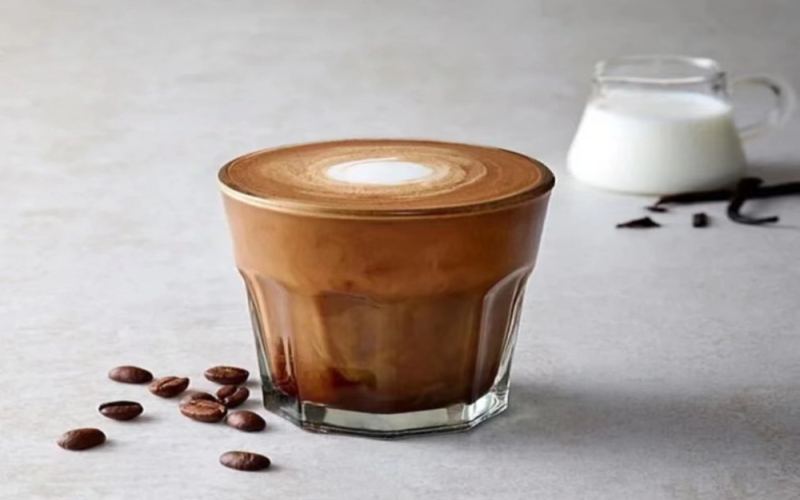
Luckin Aussie White and Milk Ratio Analysis: Aussie White Taste Characteristics and Preparation Process Sharing
Flat White coffee was born in the 1980s and 1990s. Regarding its origin, Australia and New Zealand each insist on their own version, and the debate remains unsettled to this day. This drink is known for its rich coffee flavor and delicate, thin milk foam, and it differs noticeably from a latte and a cappuccino in cup size, coffee base, and foam thickness. After Starbucks introduced it to China, it was named “Fu Rui Bai,” while other brands continued to use the name “Flat White.” This article will discuss the historical controversy surrounding Flat White, its flavor characteristics, its specific differences from a latte, and the steps for making Luckin’s Australian-style Flat White, helping coffee lovers gain a comprehensive understanding of this rich milk coffee. [more…]

What's the difference between a flat white and a latte? A complete breakdown from origin and flavor to preparation
It's the same combination of milk and espresso, so what exactly is the difference between a Flat White, a Latte, and a Cappuccino? This article starts with the origins of the Flat White, tracing its birth during the Australian coffee wave of the 1970s, then compares it with a Latte and a Cappuccino in terms of milk foam thickness, cup size, and the ratio of coffee to milk, explaining why the Flat White is called a "small Latte" and why it often uses a double Ristretto as its base. The article also draws on Front Street Coffee's "Sunflower Warm Sun Blend" to share the extraction parameters for a double Ristretto and key points for steaming milk, helping you understand the making logic behind this wine-scented, chocolate-flavored milk coffee. [more…]

Why Is Iced Cappuccino So Hard to Find? A Detailed Explanation of Espresso-to-Milk Ratios and the Differences Between Iced and Hot Preparation Methods
When ordering at a café, many customers notice that iced cappuccino isn't on the menu, and may even be told by the barista that "cappuccino isn't made iced." Behind this are both flavor considerations and the cumbersome production process. Starting from real conversations at Front Street Coffee's physical stores, this article analyzes the two core characteristics of hot cappuccino—thick milk foam and rich coffee flavor—and, using the classic blend as an example, discloses the complete parameters: 20g of grounds extracted into 40ml of espresso, 140–150ml of refrigerated milk whipped into 3cm of milk foam, and a milk temperature of 65°C. It also compares the similarities and differences between iced cappuccino and iced latte, explaining why iced milk foam is time-consuming and labor-intensive yet struggles to improve the taste, as well as the改良 attempts some cafés make by dusting cocoa powder or substituting cream. [more…]
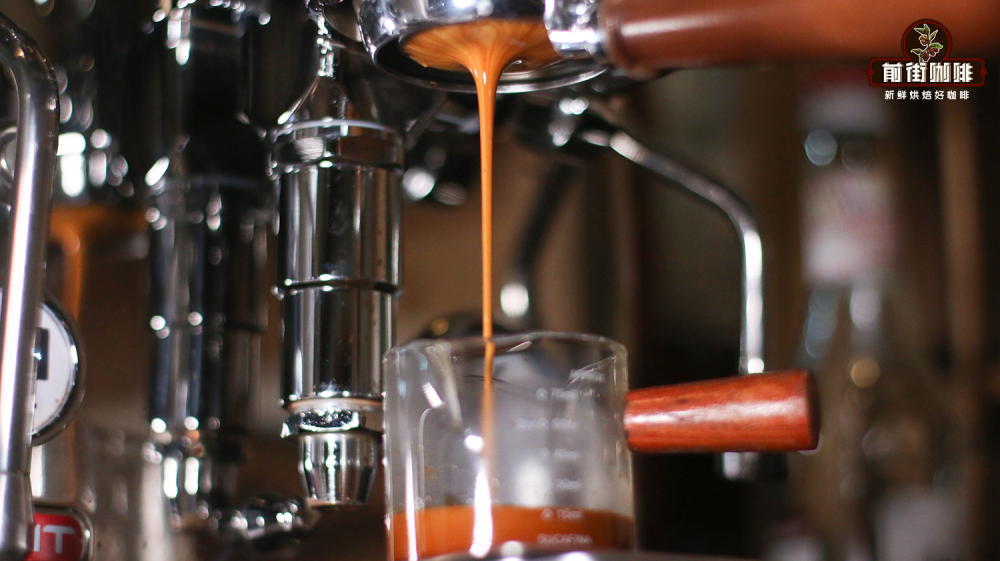
Types of Italian Milk Coffee | What is Macchiato Coffee? How Do Mocha, Latte, Macchiato, and Cappuccino Differ in Preparation?
For professional coffee knowledge exchange and more coffee bean information, please follow Coffee Workshop (WeChat official account: cafe_style). For more specialty coffee beans, please add our private WeChat: Front Street Coffee (FrontStreet Coffee), WeChat ID: qjcoffeex. When you stand in a coffee shop [more…]