







Why is cappuccino called cappuccino on café menus?
Café menus list around ten common espresso drinks, and each one has its own definition, origin, and ratio. Espresso is the base, extracted with roughly 9 bars of pressure from a double shot of about 20 grams of grounds, yielding around 40 grams of concentrated coffee with crema. Americano, latte, cappuccino, flat white, mocha, macchiato, and others build on that base with milk or water.
The names trace back to different places and moments. Americano grew out of World War II, when American soldiers in Europe diluted Italian espresso with hot water. Cappuccino takes its name from the resemblance of its foam-topped surface to the brown hooded robes of Capuchin monks. Knowing the ingredient ratios behind each drink makes ordering and home brewing more predictable.
Walking into any coffee shop, the dazzling array of espresso drinks on the menu is always overwhelming. Espresso, Americano, Latte, Cappuccino, Flat White, Mocha, Dirty, Macchiato, Affogato, Caramel Macchiato — what are the origins of these ten drinks? What are their ingredient ratios? Where do their taste differences lie? This article breaks down each espresso drink one by one — its definition, origin story, and preparation method — and includes the actual output parameters from Front Street Coffee, helping you understand the logic behind the coffee menu at the recipe level, so that whether you're ordering day to day or recreating them at home, you'll know exactly what you're doing.
For more specialty coffee knowledge, please follow: Front Street Coffee (Frontsteet Coffee)
Espresso drinks are a must-have coffee beverage at almost every café. And espresso drinks are far more than just Americano and Latte. In this article, Front Street Coffee (FrontStreet Coffee) introduces 10 espresso drinks found in cafés, along with their preparation methods.
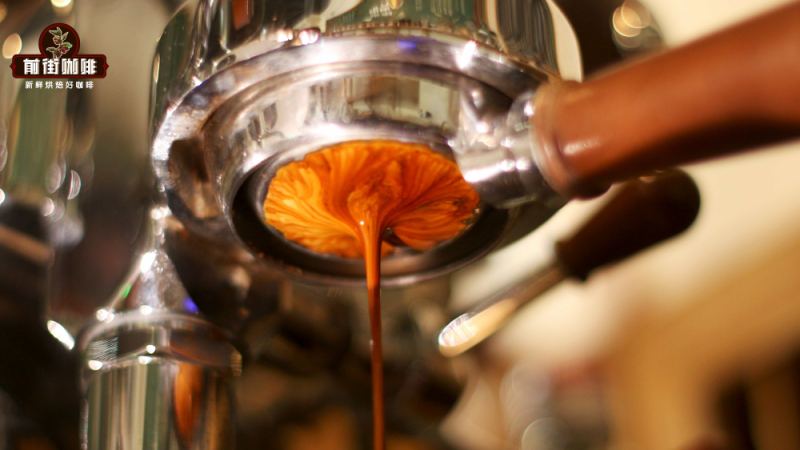
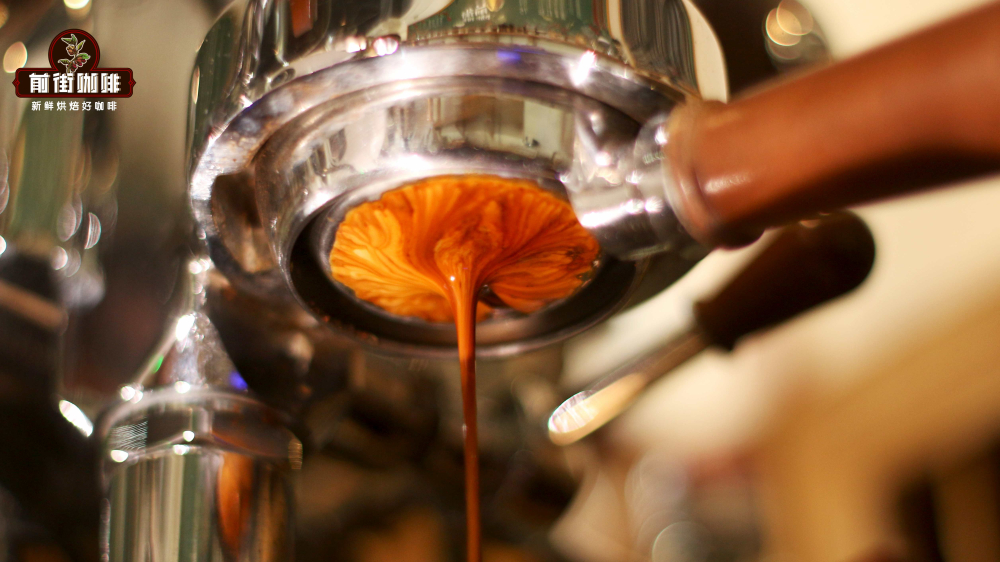
① Espresso Espresso is a fast, concentrated coffee. Under the action of high-pressure steam (around 9 bars), hot water rapidly passes through the coffee grounds, fully extracting the essence of the coffee to produce a cup that is rich, aromatic, full-bodied, and bitter with a caramel note.
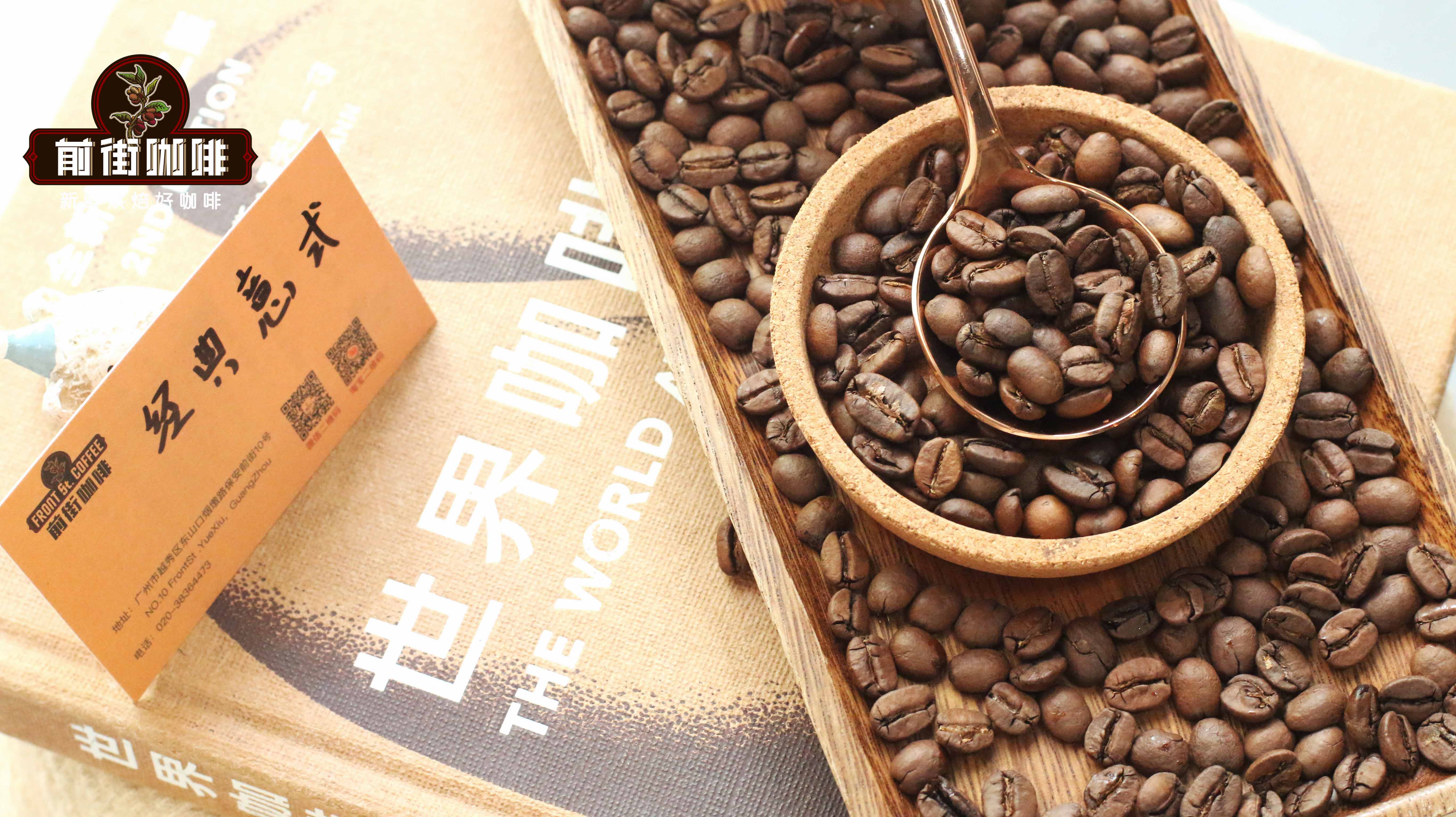
Here, Front Street's classic espresso blend is used — a recipe combining beans from three origins: Brazil, Indonesia, and Vietnam, with a dark roast that maximizes the coffee's rich aroma and allows you to easily extract a plentiful, dense crema. It's equally suitable for making a water-diluted Americano or a milk-based Latte, and can be purchased from Front Street's Taobao store or Front Street's Tmall flagship store.
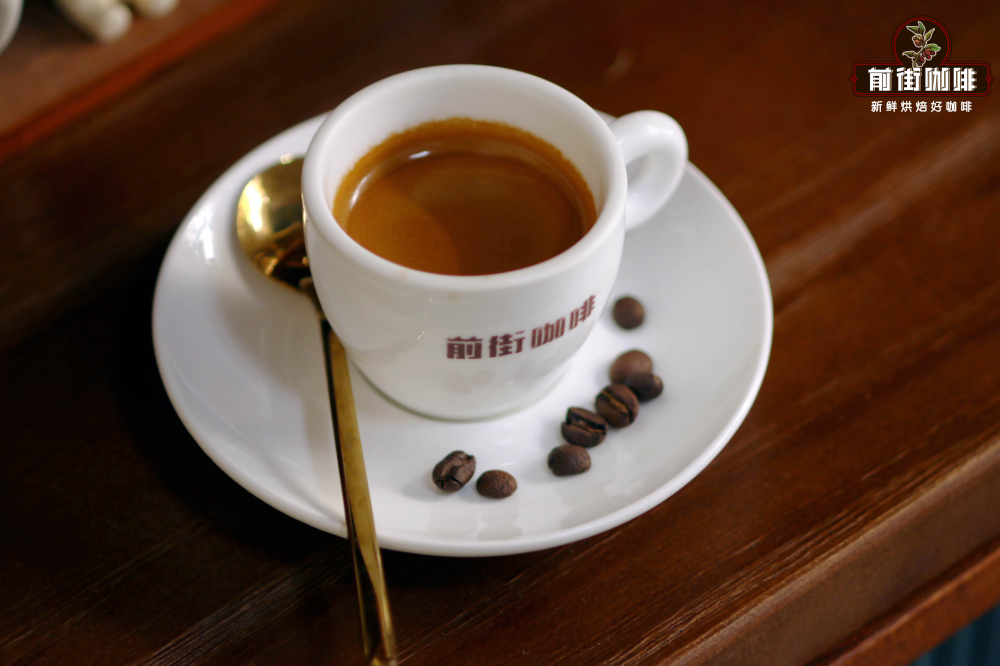
Front Street Coffee (FrontStreet Coffee) generally uses a double shot of espresso (20g of coffee grounds) as the base, producing about 40g of espresso with a very fine, rich layer of crema on the surface, also known as "Crema."
Espresso is the foundation of many espresso drinks. It can be said that if the espresso isn't extracted well, the other espresso drinks won't taste good either.
② Americano Diluting Italian espresso with hot water gives you an Americano. It originated during World War II, when American soldiers landed in Europe. Unaccustomed to Italian espresso, they diluted it with water, evolving into the Americano. Although the Americano is diluted with a large amount of water and has a milder flavor than regular espresso, its flavor and aroma are undiminished. Compared with American-style coffee brewed by the filter method, the flavor is completely different. It pairs very well with sweet treats like cookies and muffins, and is suitable for those who don't like the intensity of straight espresso.
Front Street Coffee (FrontStreet Coffee)'s hot Americano ratio is 40g of espresso diluted with 180ml of hot water, yielding a 220ml cup of Americano — an espresso-to-water ratio of 1:4.5.
③ Latte Latte is a common milk coffee among espresso drinks. The word "Latte" means "milk" in Italian. At Front Street, making a Latte uses a double shot of 40g espresso, paired with 260g of milk and milk foam, with a foam thickness of 1cm. Of course, a Latte can be decorated with exquisite latte art. With the perfect fusion of milk and coffee, it highlights the sweetness of the milk while also expressing the mellow charm of the coffee.
④ Cappuccino Cappuccino is transliterated from "Cappuccino," and the name derives from the Capuchin order and the Italian word for hood (Cappuccio). Cappuccino is similar to Latte — a type of milk coffee — also made from espresso and steamed milk, but unlike a Latte, a Cappuccino has thicker, denser milk foam, a smaller volume, and a stronger coffee taste.
A traditional Cappuccino blends espresso, milk, and milk foam in a 1:1:1 ratio, which reduces the bitterness of the espresso and adds the rich aroma of the milk foam, making it easier to accept. Among espresso drinks, Cappuccino has the thickest milk foam, and the dense, delicate foam adds a pleasant mouthfeel.
When making a Cappuccino, Front Street Coffee (FrontStreet Coffee) chooses a 180ml tulip cup, adds one shot of freshly extracted espresso into the cup, then adds steamed milk with dense, thick milk foam.
⑤ Flat White Flat White can be understood as Australia's localized version of a "Latte." Therefore, it differs slightly from the Latte we're generally familiar with. Flat White originated in Australia and New Zealand. It is a coffee product evolved by Oceanian residents according to their own needs. It consists of espresso, milk, and a thin layer of milk foam. Generally, a Flat White comes in a smaller cup than a Latte, with less milk and stronger coffee, highlighting the coffee's rich flavor. It's worth mentioning that a Flat White is only served hot.
Front Street's Flat White standard: a 220ml glass cup, 30g of ristretto espresso, and 190ml of milk plus milk foam. The milk foam thickness is about 0.5cm. (Foaming degree: steam milk to 5/10 full, foam to 5.5–6/10 full.)
⑥ Mocha In Italian, "Mo" means chocolate — Mocha coffee means chocolate coffee, a blend of rich coffee, creamy milk, and sweet chocolate. There is a variant of Mocha called White Café Mocha, which uses white chocolate instead of milk and dark chocolate. Besides White Mocha, there is another variant that mixes two kinds of chocolate syrup, called Zebras, sometimes referred to as Tuxedo Mocha.
Front Street Coffee (FrontStreet Coffee)'s Mocha recipe is 40g espresso + 20g chocolate sauce + 260g hot milk.
⑦ Dirty Coffee Many people wonder how Dirty Coffee differs from an Iced Latte. Indeed, from ingredients to recipe to appearance, the two have far too many similarities. But if you look closely, you'll find that a Dirty is essentially a more refined Iced Latte. Its biggest differences lie in the choice of vessel and the details of the operation.
The vessel chosen for a Dirty Coffee is often a glass that can showcase the beautiful liquid, and no ice is added. The emphasis is on the espresso flowing into the pristine white milk, slowly permeating, slowly blending, forming a beautiful layered effect. As time passes, the pristine white milk is gradually "polluted" by the rich espresso, and looking through the glass, the drink appears dirty. Besides the visual dirtiness, it also involves the collision between cold milk and hot espresso, letting you feel the transition from hot to cold in a single cup of coffee.
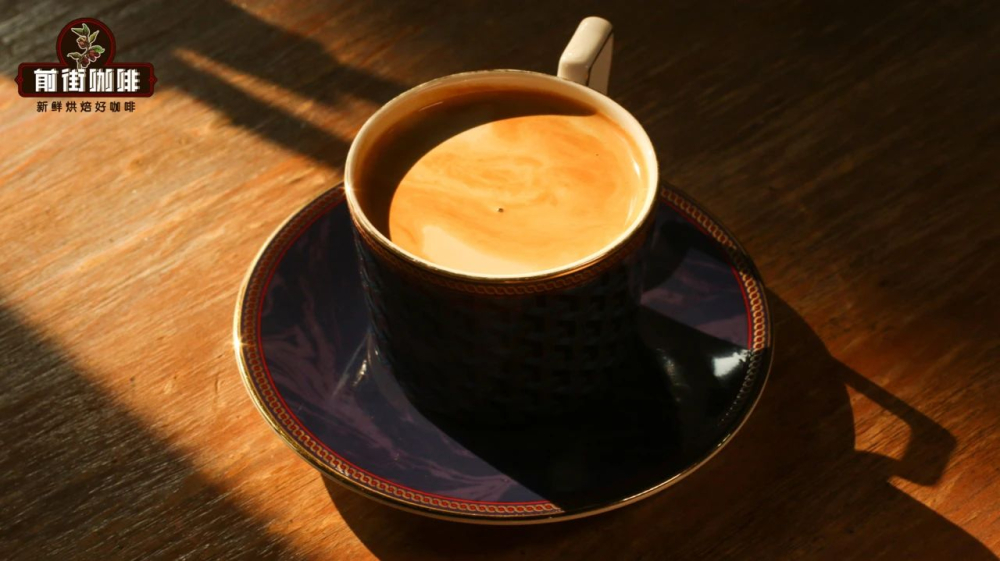
Front Street's Dirty ratio is 150g of milk and 40g of espresso. First, take out a pre-chilled glass, making sure the glass has no water, and pour in the cold milk. Then lock on the tamped portafilter and place the glass with cold milk beneath the spout (with a bottomless portafilter, place it directly beneath the outlet). The outlet should not be too far from the liquid surface; if too far, the coffee's own gravity will give it stronger penetrating force and it will easily blend in. A distance of about 1cm is recommended. A proper espresso will flow evenly and slowly onto the milk's surface, floating on top, then slowly sinking, creating that dirty effect.
Drinking a Dirty requires no stirring, and it should be drunk quickly. You'll find that the hot espresso on top hasn't yet been cooled by the ice, and the milk below hasn't yet been "polluted." That transformation from a rich, chocolatey hot coffee into a milky, light iced coffee is simply wonderful beyond words.
⑧ Macchiato Macchiato is an Italian word meaning "marked." Macchiato coffee originated in 1980s Italy, when some customers had the habit of adding a small amount of milk to their espresso, but the milk would quickly disappear into the crema. So baristas wanted to distinguish a plain espresso from one containing a small amount of milk, and used milk foam to "mark" a white dot on top of the crema.
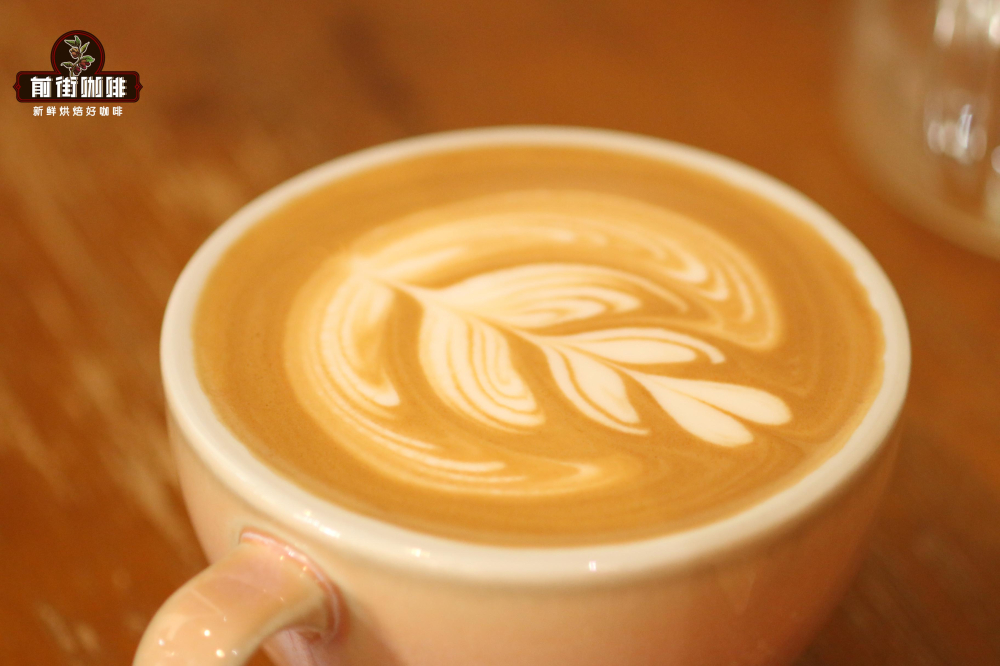
Later, people discovered that in the gradual fusion of milk foam and espresso, one could taste the rich, mellow depth of the espresso while also savoring the smooth sweetness of the milk, interweaving and blending in the mouth — simply wonderful. And thus the traditional Macchiato was born.
Front Street Coffee (FrontStreet Coffee)'s Macchiato recipe: 40g espresso + 1 spoonful of fine milk foam
⑨ Affogato This is a very special coffee drink. The normal method is to place a scoop of vanilla ice cream in a cup, then pour a shot of espresso over it, and an Affogato is complete. When you taste it, you'll experience the cold sweetness of vanilla ice cream carrying the aroma of coffee — perfect for summer drinking.
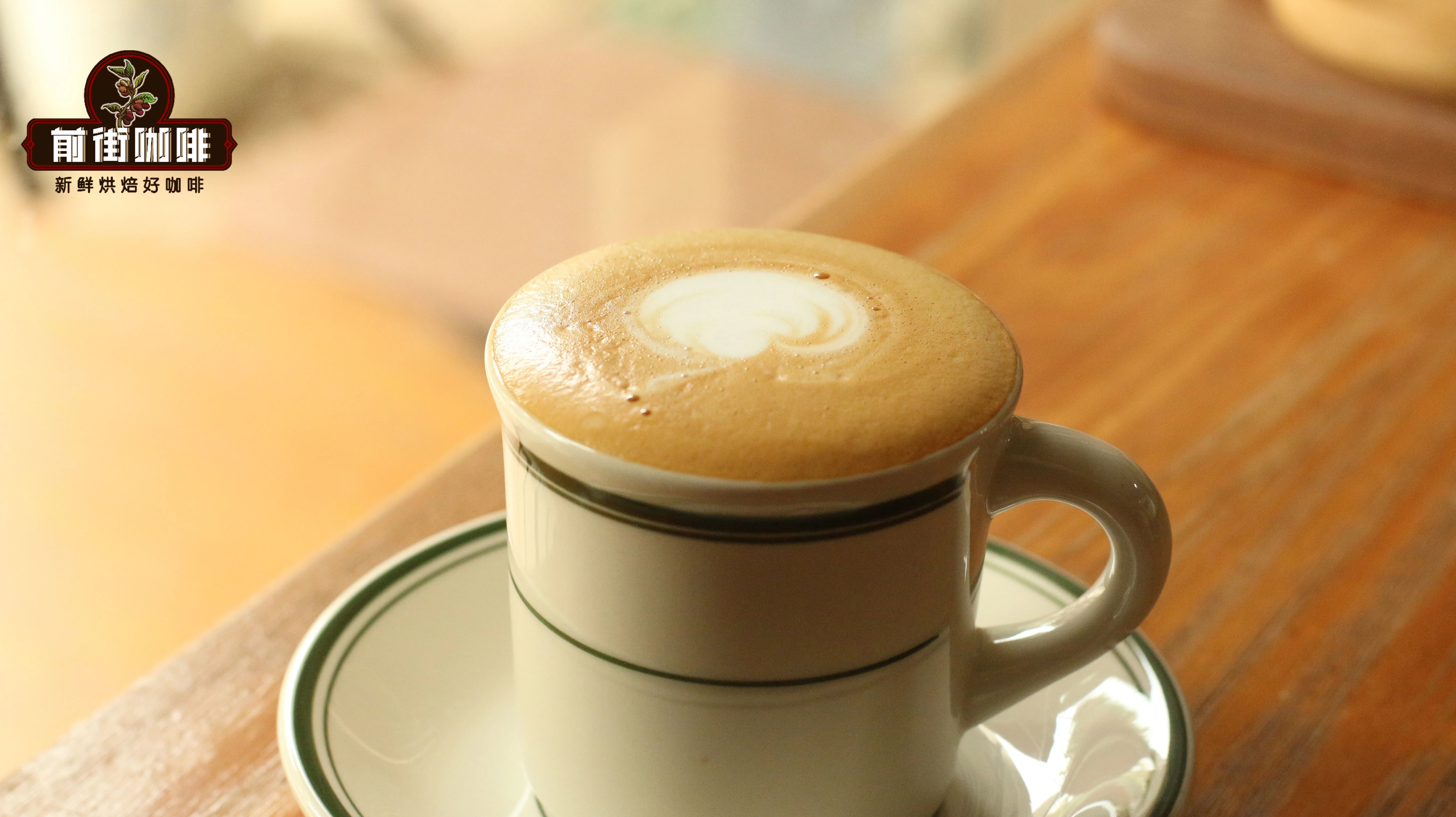
⑩ Caramel Macchiato This is Starbucks' star espresso drink (and has nothing to do with Macchiato). A medium 355ml cup contains 1 shot (about 30ml) of espresso, with the other 300-plus milliliters being milk with milk foam, vanilla syrup, and caramel — sweet and fragrant in taste.
Caramel Macchiato: making it requires a large amount of milk and milk foam, not much different from a wet Cappuccino or a thicker Latte. With vanilla syrup and smooth hot fresh milk, topped with soft, fine milk foam, blended with rich espresso and smooth caramel sauce, the sweet, rich Caramel Macchiato becomes a great choice for coffee lovers to enjoy espresso.
The above content is compiled by CoffeeHunters, a coffee news website.


