







Search Results for: microbial contamination

OATLY China issues preventive recall of 12 batches of Original Rich Oat Milk, U.S. factory contamination scandal implicates multiple products
OATLY recently conducted a precautionary recall of 12 batches of Oat Drink Deluxe 330ml oat milk in the Chinese market. The recall was triggered by its U.S. manufacturing partner Lyons Magnus initiating a large-scale recall of 53 beverages due to failure to meet commercial sterility standards, involving multiple OATLY product lines. Although testing found no microbial contamination in the Chinese products and they were not on the U.S. recall list, OATLY still proactively recalled them out of safety concerns, sparking widespread discussion among consumers about food safety. This article will review the sequence of events, the official response, and the nutritional controversy surrounding oat milk, while retaining relevant recommendations from Front Street Coffee. [more…]
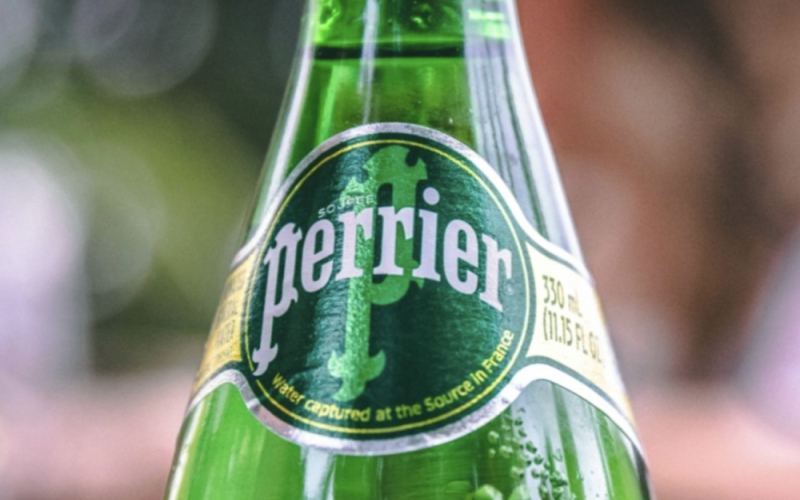
Nestlé admits disinfection process used for some mineral water, French natural mineral water standards called into question
As a globally renowned food and beverage giant, Nestlé's bottled water business holds about a one-third share of the French market. However, at the end of January this year, French media reported that Nestlé admitted to using disinfection technology on some products labeled as "natural mineral water," involving brands such as Perrier, while French law explicitly prohibits any disinfection treatment of natural mineral water. Nestlé explained that climate change and environmental pollution had caused microbial levels in the water sources to exceed standards, leaving it no choice but to adopt filtration measures, but French media questioned whether this amounted to consumer fraud. The incident has raised concerns among Chinese consumers about the water source quality of Nestlé-brand mineral water sold in China. Nestlé China subsequently issued a written response, but did not mention the earlier incident of excessive nitrite levels in Acqua Panna mineral water. Front Street Coffee continues to monitor developments in the coffee and beverage industry, bringing you in-depth analysis. [more…]
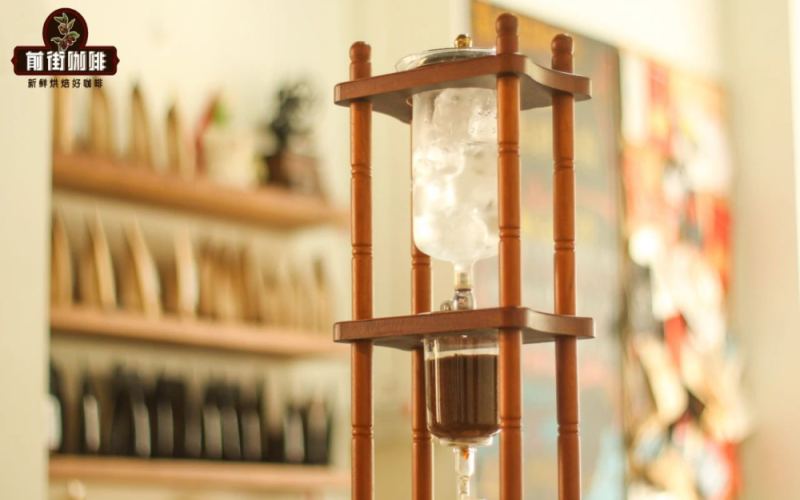
Why Isn't Cold Brew Coffee Sour or Astringent? A Detailed Explanation of Its Taste Characteristics, Brewing Method, and the Principles of Low-Temperature Aging
Ice drip coffee is known for its clean, full-bodied, smooth taste and rich fermented wine aroma, but many people mistakenly think it contains alcohol when they first encounter it. In fact, ice drip is a type of cold brew coffee, made by extracting drop by drop with ice water over a long period. Freshly made ice drip is not at its best for drinking; it needs low-temperature aging in the refrigerator to reveal its full fruity feel and wine aroma. Based on Front Street Coffee's production practice, this article explains in detail the coffee-to-water ratio, drip rate, aging time, and storage recommendations for ice drip, giving you a comprehensive understanding of the flavor sources and key production points of ice drip coffee. [more…]
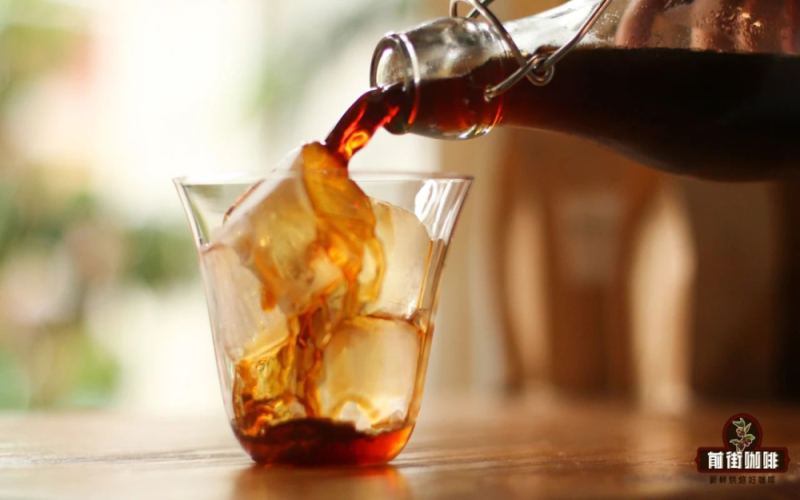
The Alcoholic Aroma Secrets of Ice Drip Coffee: A Detailed Guide to Cold Brew Grind Ratio, Drip Parameters, and Low-Temperature Aging Process
The rich, lingering fermented wine aroma of cold brew coffee often leads people to mistakenly believe that alcohol has been added to it, but this is not the case. The source of this unique flavor is closely related to the cold brew extraction method and the subsequent low-temperature aging process. Front Street Coffee will guide you through the cold brew coffee-making process: from key parameters such as the coffee-to-water ratio and drip speed, to why it cannot be drunk immediately after extraction, how low-temperature aging gives coffee its wine aroma, and the precautions to take during preparation and storage. If you also want to recreate at home a cup of clean, smooth cold brew interwoven with fruity and wine aromas, you might as well follow Front Street's approach step by step, from bean selection to aging. [more…]

Brazilian green coffee beans are switching to bulk carrier shipping—will quality stability be affected?
A new change has recently emerged in Brazilian coffee exports—some green beans are beginning to be shipped in bulk carriers rather than traditional containerized cargo. This adjustment may have its considerations in terms of logistics costs and efficiency, but for specialty coffee that values flavor and quality consistency, whether bulk shipping will affect the freshness, moisture content, and cleanliness of green beans has become a focus of attention for many industry professionals and enthusiasts. This article will review the background of this transportation shift, analyze the potential risks it may pose to coffee quality, and, drawing on the quality control experience of brands such as Front Street Coffee, explore how to uphold the quality bottom line from origin to roasting. [more…]

Why Does Milk Foam Break Easily in Latte Art? Analyzing Three Key Factors: Milk, Coffee Beans, and Steaming Technique
Many coffee enthusiasts encounter the frustration of large bubbles rapidly appearing on the surface when creating latte art, making it difficult for the pattern to last. This phenomenon may involve multiple causes, including deficiencies in technique as well as issues closely related to the condition of the materials used. This article will systematically analyze the common factors leading to decreased milk foam stability from three dimensions: milk quality, coffee bean freshness, and milk frothing quality. Among these, fresh milk is more susceptible to storage conditions due to different sterilization processes; after spoilage, the casein structure is damaged and cannot effectively encapsulate gas. Coffee beans that are too fresh release large amounts of carbon dioxide, which weakens the support of the crema. In addition, milk foam that is not frothed finely enough or is at too high a temperature can also accelerate bubble rupture. By understanding these principles, coffee enthusiasts can troubleshoot problems more effectively and improve their latte art results. [more…]

Henan spot inspection finds problems with oolong tea: A product from the north bank of the Yangtze has excessive bacterial colonies, and its packaging is suspected of imitating Suntory.
The Henan Provincial Market Supervision Administration recently published its 2024 No. 39 food safety notice, showing that of 1,040 batches of food across 21 major categories sampled, a total of 24 batches failed. Among them, a "Yangtze River North Bank" oolong tea-flavored beverage, nominally produced by Xunxian Fuxinyuan Beverage Factory, was blacklisted because its total bacterial count did not meet national standards. An investigation found that the manufacturer not only had a prior record of product sampling failures, but was also ruled by a court to have infringed upon Nongfu Spring's packaging through counterfeiting, and has now been listed as a dishonest judgment debtor. More notably, the outer packaging of this oolong tea is highly similar to Suntory oolong tea, and many consumers who mistakenly bought it on e-commerce platforms complained loudly after being duped. [more…]

Cold Brew Coffee Shelf Life Fully Explained: How Long Is Best to Finish It Under Refrigeration and Sealed Storage?
More and more people are making cold brew coffee in the summer—brewing a big batch at once and keeping it in the fridge to drink slowly is indeed convenient. But problems come along with it: how many days can this batch of cold brew actually last? When does the flavor start to decline? When might it spoil? Front Street Coffee, drawing on hands-on testing experience, lays out clearly the shelf life of cold brew coffee, the optimal drinking window, the impact of how often it's opened, and the special precautions when using warm water to speed up extraction—helping you both enjoy good flavor and hold the safety line. [more…]
A Complete Guide to Anaerobic Fermentation of Coffee Beans: Processing Fundamentals, Six Key Control Factors, and Practices for Quality Consistency
Fermentation is a core step in coffee processing that shapes flavor direction. It is driven by microorganisms such as yeasts and bacteria, which convert sugars and acids within the coffee cherry into acids and alcohols. Good, controlled fermentation can highlight a coffee's varietal characteristics, while uncontrolled fermentation may bring negative flavors reminiscent of spoilage and spoiled wine. Starting from the basic principles of fermentation, this article sorts out the differences between the two pathways—aerobic and anaerobic—and, around six major factors—coffee cherry quality, cleanliness, oxygen, microorganism and yeast types, time and temperature, and data recording—explains how to improve the consistency and repeatability of fermentation. It also emphasizes that coffee quality is largely fixed during the growth stage, and the role of fermentation is to extract and preserve excellent characteristics rather than to elevate quality out of thin air. The article also introduces Front Street Coffee's ongoing attention to knowledge related to fermentation and processing methods, for the reference of coffee enthusiasts. [more…]
Analysis of Coffee Bean Fermentation Principles and Processing Techniques: From Microbial Reactions to the Key to Flavor Consistency
Fermentation plays an irreplaceable role in coffee processing, directly influencing the final flavor profile and sensory quality of the coffee. How sugars and acids break down under controlled conditions, how microorganisms participate in the process, and why fermentation consistency matters so much for market partnerships—these are all key to understanding coffee quality. Drawing on the hands-on experience of Finca Black Mountain in Guatemala and Capricornio Coffee in Brazil, and incorporating the research perspective of agricultural engineering PhD Mauricio Villegas, this article systematically examines the mechanisms of coffee fermentation, common misconceptions, and methods for achieving reproducibility. Whether you are a coffee professional or a devoted enthusiast, you will gain a clear understanding of the relationship between fermentation and coffee quality. [more…]

Where Does Coffee Flavor Come From: An Analysis of How Origin, Variety, Processing Method, Roasting, and Brewing Affect Taste
Many people, when drinking pour-over coffee, first ask, "What flavors does this bean have?" At Front Street, we also often start by asking customers which产区 or taste they prefer. The diverse expressions of coffee—floral, fruity acidity, nutty, chocolatey—are not determined by a single step, but are the result of layer upon layer of accumulation from origin terroir, variety selection, green bean processing, roasting development, to the final brewing. The climate and soil of the producing region shape the underlying style, the variety determines the upper limit of flavor, the processing method influences the direction of fermentation and cleanliness, roasting releases the potential aromas, and brewing is responsible for the final directional adjustment. Understanding this chain allows for a clearer judgment of why a cup of coffee tastes good and which steps truly determine the flavor. [more…]
The Flavor Spectrum of Experimental Processing Methods: From Barrel Fermentation to Anaerobic Maceration
Anaerobic natural, lactic fermentation, barrel-aged, yeast inoculation—the vocabulary of specialty coffee processing methods has exploded in recent years, and coffee menus increasingly read like a brewery's process manual. These experimental processing methods are not marketing coinages; each one corresponds to a genuine technological innovation. This article maps out the mainstream lineage and examines "flavor alchemy." [more…]
The Three Major Coffee Processing Methods: Washed, Natural, and Honey—A Full Analysis of Flavor Differences and Processing Details
The flavors of coffee are endlessly varied. Beyond variety and roasting, the fermentation process during green coffee processing plays a decisive role. The three common methods—natural, washed, and honey—each rely on different fermentation environments and microbial activity to shape distinctly different sweetness, acidity, and body. This article begins with the scientific principles of fermentation, systematically sorts out the differences between dry and wet fermentation, explains in detail the key points of natural, honey, washed, and Kenyan-style and Ethiopian-style washed processing, and includes Front Street Coffee's recommendations and buying advice to help you understand more clearly where the flavors in your cup come from. [more…]
An In-Depth Analysis of the CM Processing Method: How Carbonic Maceration Shapes the Flavor and Mouthfeel of Coffee Beans
Coffee processing methods have long ceased to be limited to natural, washed, honey, and wet-hulled techniques. In recent years, a method known as CM processing has gradually entered the public eye. CM stands for Carbonic Maceration, translated into Chinese as carbonic maceration processing, and it belongs to the anaerobic fermentation family. It allows coffee to present a richer layering of aromas while inhibiting the production of sharp acetic acid flavors. Since its introduction, this processing method has continued to evolve and has twice helped competitors reach the top of the World Coffee Championship, in 2015 and 2018. This article will systematically sort out the origins and development of CM processing from perspectives such as fermentation principles, microbial action, and fermentation differences among various processing methods, and explore its actual impact on coffee quality and flavor performance. [more…]
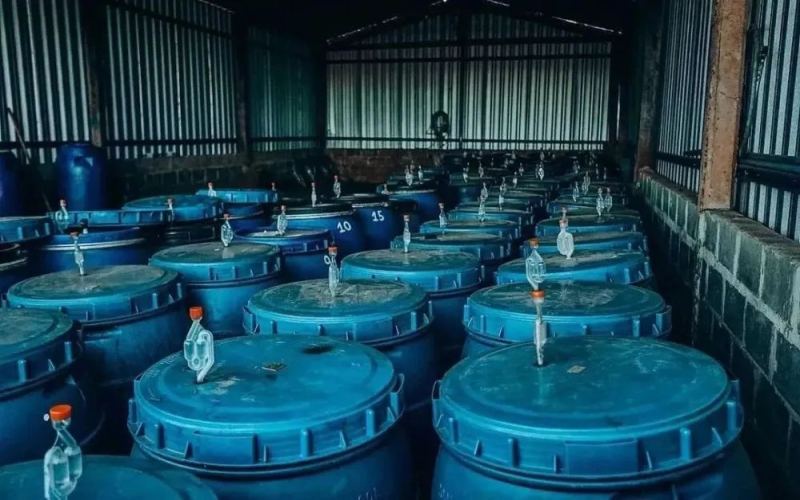
Why Are Coffee Processing Methods Increasingly Diverse? An Analysis of the Naming Logic and Evolution of Anaerobic Fermentation
Today, coffee processing methods are emerging one after another. Behind this lies both the pursuit of expanding the flavor map and a deeper shift in the purpose of processing from efficiency-oriented to flavor-oriented. From the pre-18th century when only the natural method existed, to the successive advent of washed, honey, and wet-hulled methods, and then to 2014 when anaerobic fermentation swept through the specialty coffee world, each technological innovation has been accompanied by a deeper understanding of fermentation principles. At the same time, in order to highlight their own anaerobic processing characteristics, estates have put great effort into naming—time, temperature, and microbial strains can all become identifiers. This article sorts out the origins and development of processing method evolution, interprets the logic behind anaerobic processing naming, and explores the role of traceability information in promoting naming standardization. [more…]
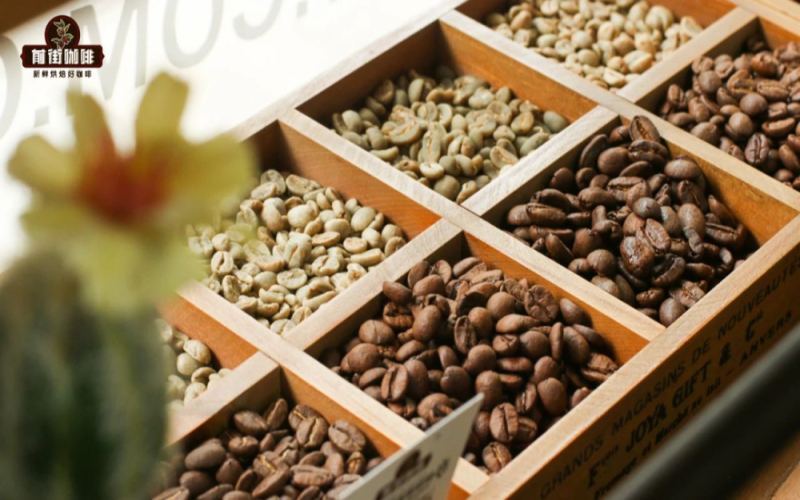
A Complete Guide to Brazilian Coffee Regions: Bourbon Variety Characteristics, Pulped Natural Processing, and Flavor Profile Guide
Brazil firmly holds the top spot in global coffee production, and its low-acid, full-bodied flavor profile has a large following in the coffee world. In Front Street Coffee's product line, from Queen Estate single-origin beans to the high-value everyday beans series, and to the seasonal drip coffee bags, Brazilian coffee can be seen throughout. This article will start from the introduction history and geographical conditions of Brazilian coffee, systematically sort out the classification and characteristics of the Bourbon variety, the process and pros and cons of the pulped natural method, and Brazil's coffee bean grading system, and attach the roasting, cupping, and brewing parameters of Front Street Brazil Queen Estate coffee, providing coffee lovers with a complete knowledge map of Brazilian coffee. [more…]
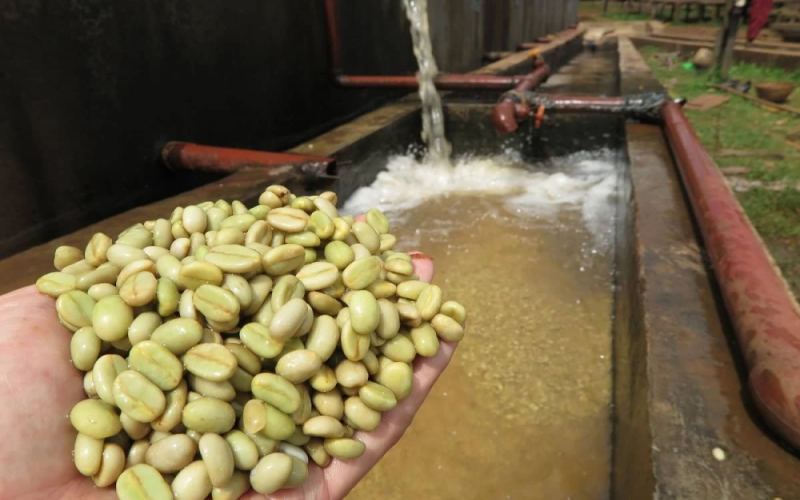
Analysis of the Fermentation Mechanism and Pros and Cons of the Washed Process: From Fruit Structure to Cup Flavor
As one of the most classic processing methods in the specialty coffee world, the core of the washed process lies in precisely removing the skin, pulp, and pectin layer from the coffee fruit through steps such as flotation, mechanical depulping, microbial fermentation, and washing with clean water. This process not only significantly reduces the defect rate of green beans and shortens the drying cycle, but also gives the coffee beans higher cleanliness and clearer expression of regional flavors. This article will systematically sort out the complete workflow and fermentation principles of the washed method, analyze its advantages and cost trade-offs compared with processing methods such as natural, and, in combination with the product lineup of Front Street Coffee's everyday drinking bean series, help readers understand why the washed process has become an important choice for presenting the true character of a producing region. [more…]
Analysis of Coffee Drinking Frequency and Health Risks: Ochratoxin A Contamination Levels and Population Exposure Assessment
Coffee is an essential daily beverage for many people, but discussions surrounding its safety have never ceased. As a fungal metabolite that may contaminate coffee, can ochratoxin A cause health damage to long-term drinkers? Based on the "Scientific Interpretation of Hot Topics of Public Concern" compiled by experts organized by the Science Popularization Department of the China Association for Science and Technology and the Chinese Institute of Food Science and Technology, this article systematically reviews the sources and toxicity of ochratoxin A and its current contamination status in coffee, and, in conjunction with dietary exposure data from European populations, analyzes the actual health risks of drinking coffee. At the same time, in light of the characteristics of coffee consumption in China, it provides a scientific and rational assessment conclusion to help coffee lovers eliminate unnecessary concerns and enjoy every cup of coffee with peace of mind. [more…]
Front Street Colombia Wine Process Coffee Beans: A Complete Guide to Flavor Characteristics, Grind Parameters, and Cloud Estate Origins
In recent years, red wine processing has attracted much attention in the specialty coffee world. Drawing on the fermentation control concepts used in winemaking, it intervenes in pH, temperature, humidity, and microbial conditions to give coffee beans a rich acidity and complex aroma reminiscent of red wine. This article will start with the flavor differences between lactic acid fermentation and acetic acid fermentation, outline the specific operational process of red wine processing, and combine it with the origin information of Front Street Colombia Red Wine Process—the eastern slopes of the Andes in Cundinamarca Department, a growing altitude of 1,800 to 2,000 meters, and the anaerobic fermentation practice of Remi Sultan in sealed metal containers—to provide coffee lovers with a complete set of flavor descriptions and grinding setting references. [more…]

OATLY and other brands of plant-based milk suspected of contamination with Cronobacter sakazakii, Lyons Magnus initiates large-scale recall
On July 29, the US FDA issued a recall announcement: Lyons Magnus has voluntarily recalled 53 of its beverages and nutritional products due to possible contamination with Cronobacter sakazakii, and OATLY's Barista edition oat milk is among them. The bacterium poses a significant threat to infants and people with weakened immune systems. Although no related illnesses have been reported so far, the products have been deemed not to meet commercial sterility standards. This recall involves only specific batches produced at a Wisconsin plant in April of this year, mainly distributed through US foodservice channels, and does not affect other OATLY products or markets outside the United States. Meanwhile, OATLY's latest financial report shows continued revenue growth, with particularly strong performance in Asia, though the company as a whole remains in a loss. [more…]