







What the OATLY China recall means for les cafes and oat milk
OATLY issued a preventive recall of 12 batches of Oat Drink Deluxe 330ml oat milk in China. The move followed a US recall by production partner Lyons Magnus of 53 beverage products that failed to meet commercial sterility standards. Testing found no microbial contamination in the Chinese batches and they were not on the US list, but OATLY recalled them anyway over safety concerns.
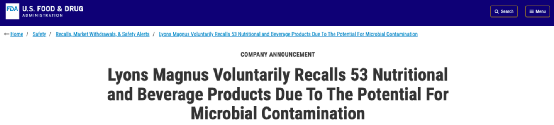
On July 28 Lyons Magnus voluntarily recalled the products over possible Cronobacter sakazakii and Clostridium botulinum risk, though botulinum was not detected. The FDA expanded the recall on August 16, adding more than 30 nutritional and beverage items. The affected Chinese oat milk was made by that same partner, prompting questions from consumers and les cafes about oat milk safety.
OATLY recently issued a preventive recall of 12 batches of Oat Drink Deluxe 330ml oat milk in the Chinese market. The recall was triggered by a large-scale recall of 53 beverage products by its U.S. production partner Lyons Magnus due to failure to meet commercial sterility standards, involving multiple OATLY product lines. Although testing of the Chinese products found no microbial contamination and they were not on the U.S. recall list, OATLY still proactively recalled them out of safety concerns, sparking widespread discussion among consumers about food safety. This article will review the sequence of events, the official response, and the nutritional controversy surrounding oat milk, while retaining relevant recommendations from Front Street Coffee.
For professional coffee knowledge exchange and more coffee bean information, please follow the Coffee Workshop (WeChat official account: cafe_style).
For more specialty coffee beans, please add the private WeChat of Front Street Coffee (FrontStreet Coffee), WeChat ID: qjcoffeex
Recently, OATLY published a preventive recall notice for the Chinese market through its official WeChat account, involving Oat Drink Deluxe (OATLY Original Mellow Oat Milk) in 330ml packaging.
According to the announcement, on July 28, Lyons Magnus LLC., a production partner of OATLY in the United States, stated that due to concerns that its production lines might be contaminated by microorganisms, it decided to voluntarily recall 53 different brands of beverages and nutritional products produced by the company. This batch of products included multiple batches of OATLY oat milk, chocolate oat milk, and the "Barista" series oat milk, among others.
The reason for the recall was that these 53 products did not meet commercial sterility standards and carried a potential risk of microbial contamination such as Cronobacter sakazakii and Clostridium botulinum. However, Clostridium botulinum has not yet been detected in the products. Officials advised consumers not to consume any products from the recalled batches, even if the products showed no abnormalities in appearance or smell.
On August 16, the U.S. Food and Drug Administration (FDA) issued a notice that Lyons Magnus was expanding the scope of the recall, adding more than 30 nutritional and beverage products.
The Oat Drink Deluxe 330ml sold in China is produced by the relevant company. Although its batches were not among those on the recall list published by Lyons Magnus in the United States, and the product was submitted for inspection as required during import and met relevant regulatory requirements, OATLY immediately sent products produced by that company to a nationally recognized laboratory for testing after the production company issued the announcement. The results showed that no microbial contamination was found in Oat Drink Deluxe 330ml.
Out of safety considerations, OATLY China announced on August 19 a recall of 12 batches of Oat Drink Deluxe 330ml products. The specific production dates are as follows:
After the announcement was issued, netizens quickly asked what to do if they had already drunk it. OATLY responded that all OATLY products in the Chinese market had passed import inspections and were safe and compliant with relevant regulations, so consumers could rest assured.
Regarding the sudden recall of products that had no problems, some netizens also believed that since there was no problem in the domestic market, there was no need to recall the products, as this would cause public anxiety about food safety.
When OATLY oat milk announced the recall in the United States, the customer service of OATLY's official flagship store once said that this product had never been introduced domestically and asked consumers to choose with confidence. This time, however, it said that one product in the Chinese market was produced by the company involved, but was not within the batches recalled in the U.S. market. Although it stated that the product had been sent for testing and no microbial infection was found, it did not publish the test report.
Domestic consumers remain skeptical about the product recall and worry that drinking it may cause health problems.
OATLY oat milk attracted widespread attention because in 2020 Starbucks China launched oat latte under the theme of "Starbucks Food Philosophy," and oat milk instantly became synonymous with a new healthy diet. Subsequently, cafes large and small across China also began offering oat milk options, which drew a lot of consumer attention.
Many consumers also believe that oats are rich in dietary fiber, which can maintain the balance of intestinal flora, inhibit the body's absorption of cholesterol, and accelerate cholesterol metabolism. Compared with milk, oat milk has no milk fat or lactose, which can reduce the risk of obesity.
(This data does not refer to any specific brand of milk or plant-based milk.)
However, compared with other plant-based milks (soy milk and almond milk), oat milk does not have the lowest fat content (because vegetable oil needs to be added to adjust the texture), and its fat content is second only to whole milk. Therefore, one should not consume large amounts just because it contains no milk fat or lactose.
Every beverage has advantages and disadvantages, and one should not ignore the actual ingredients just because it looks healthy on the surface.
Image source: Weibo, internet
The above content is compiled by CoffeeHunters, a coffee news website.


