







Search Results for: meteor pour
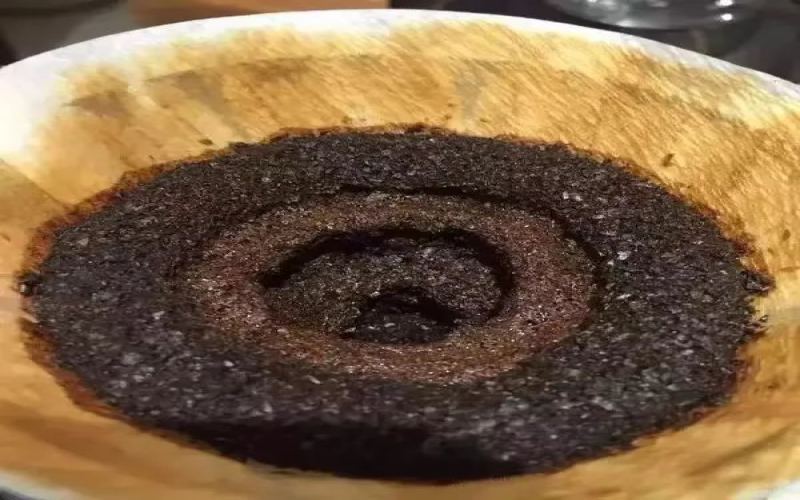
Meteor Pour-Over Method Explained: Hand-Brew Techniques and Parameters for Dark-Roasted, Intense, Bitter Coffee Beans
Deep-roasted coffee beans, due to their fluffy texture and strong water absorption, release a large amount of gas when they come into contact with water in their fresh state, which provides the conditions for a unique brewing method—meteor pour. This article provides a detailed introduction to the principles and operational steps of this pour-over technique, including key parameters such as grind size, water temperature, and coffee-to-water ratio, as well as the pouring details of the three stages: blooming, point pouring, and outward spiral. Front Street Coffee has pointed out that in a conical dripper, the coffee bed is thicker in the center, and pouring water in the center can extract a richer coffee liquid, so this method is especially suitable for medium-dark roasted beans and can highlight a rich, full-bodied taste. If you want to try a different pour-over experience, you might as well give it a try by following the steps. [more…]
An Analysis of the Seven Major Pour-Over Coffee Schools: A Full Comparison of Brewing Techniques Including the One-Pour and Three-Pour Methods
The charm of pour-over coffee lies not only in the flavor itself, but also in the ever-changing brewing techniques. In coffee enthusiast circles, there are seven major brewing schools: volcano pour, meteor pour, one-cut pour, three-cut pour, tamped pour, stirring method, and drip pour. Except for the drip pour, all the other methods use circular pouring. Each school has its own unique extraction logic and flavor orientation—some pursue layering, some emphasize sweetness, and some are better suited for enthusiasts to explore. This article breaks down the key operational points, pros and cons, and suitable scenarios for each method one by one, and includes practical advice from Front Street Coffee to help you find the style that suits you best in your daily brewing. [more…]

Wrong Straw Leads to Full Refund? Luckin Customer Service Handling Sparks Heated Discussion
A Luckin Coffee drink from the Meteorite series ended up with a customer unable to suck up the meteorite toppings at the bottom of the cup because the barista had packed a thin straw. After contacting customer service, the customer actually received a full refund for the order. This handling quickly sparked discussion online: some felt the merchant's service was excellent, while others worried that such a "simple and粗暴" refund approach could set a bad example. Is it thoughtful service or excessive compensation? This small matter of giving the wrong straw reflects the different strategies and potential risks that chain coffee brands face in handling customer complaints. [more…]
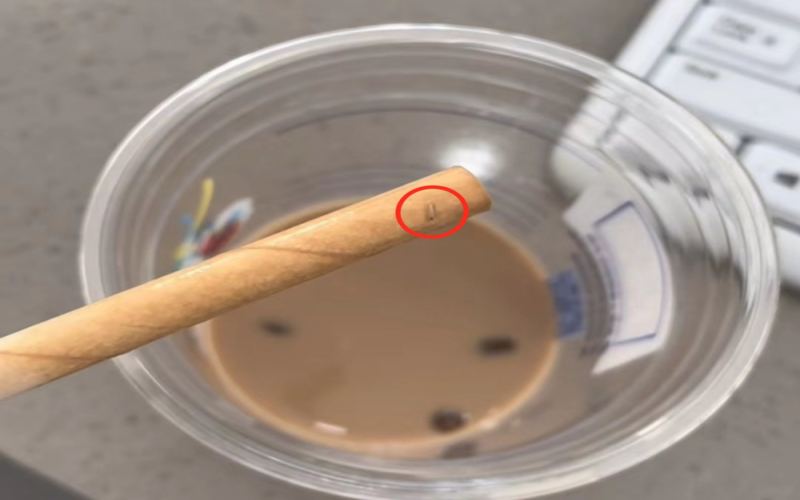
Live maggots found again in Luckin Coffee drink, customer rejects three-voucher compensation offer
Recently, a consumer exposed on social media that she found several still-wriggling live maggots in a meteorite-series drink she bought at Luckin, by which time she had already drunk more than half the cup. The store involved responded that surveillance showed no abnormalities in either operations or material storage, and proposed three drink coupons as compensation, but the customer explicitly refused. This is not the first time Luckin has been caught up in a storm over insect foreign objects; several similar incidents were exposed last year. As the incident continues to ferment, market regulators have stepped in, and the consumer has yet to receive any further official communication. Food safety has once again become an unavoidable core issue for the beverage industry. [more…]
Geisha Coffee Quality Grades and Price Analysis: A Complete Guide to Its History, Green Bean Appearance, and Pour-Over Flavor
Geisha coffee is hailed as the champion variety among specialty coffees, renowned worldwide for its full-bodied sweetness, clean mouthfeel, and rich floral and fruity aromas. From its quiet export origins in Ethiopia's Geisha Mountains to its meteoric rise at Hacienda La Esmeralda in Panama, Geisha has traversed a legendary journey spanning more than seventy years. This article will guide you through the historical trajectory of Geisha coffee, the appearance characteristics of green and roasted beans, the flavor differences across various origins, and the brewing parameters recommended by Front Street Coffee for the Savage series Geisha from Panama's Deborah Estate, offering coffee enthusiasts a complete Geisha tasting guide. [more…]
An in-depth review of the world's top ten specialty coffee origins: a flavor map from African heirloom varieties to Central American rising stars
The flavor code of coffee is often hidden within the terroir and history of its origin. This article systematically sorts out the world's top ten single-origin coffee producing regions, from Ethiopia's wild native varieties to Panama's Geisha legend, interpreting one by one the varietal characteristics, processing methods, and flavor expressions of each region. Ethiopia leads with the delicate floral and fruity notes of Yirgacheffe and Sidamo; Kenya showcases a rugged and mature acidity through the SL28 variety; Colombia stands out for its diversity; Central American origins such as Guatemala, Costa Rica, and Honduras each have their own distinctive features; Indonesia's Mandheling and Java, Rwanda's rapid rise, and Hawaii's local specialty together form a complete global coffee flavor map. Whether you are a beginner pour-over enthusiast or a veteran looking for your next daily bean, this origin guide is worth saving. [more…]

Luckin Coffee's potential entry into Meituan's Pinhaofan sparks heated discussion, with Xiamen stores already piloting the move
Recently, news that Luckin Coffee is about to join Meituan's Pinhaofan has been circulating on social platforms, making many Luckin store employees nervous and uneasy. Pinhaofan is a group-ordering service launched by Meituan Takeaway, allowing users to buy drinks and meals at prices far below market rates, and is jokingly called the Pinduoduo of the food delivery world. If Luckin really joins, the already cheap 9.9 yuan coffee could drop even further, which is naturally good news for consumers, but store employees worry about the staffing pressure caused by a surge in orders. At present, employees in different regions give differing accounts; Xiamen stores are said to have quietly begun trial operations, with sales clearly rising, but overtime problems have followed. [more…]
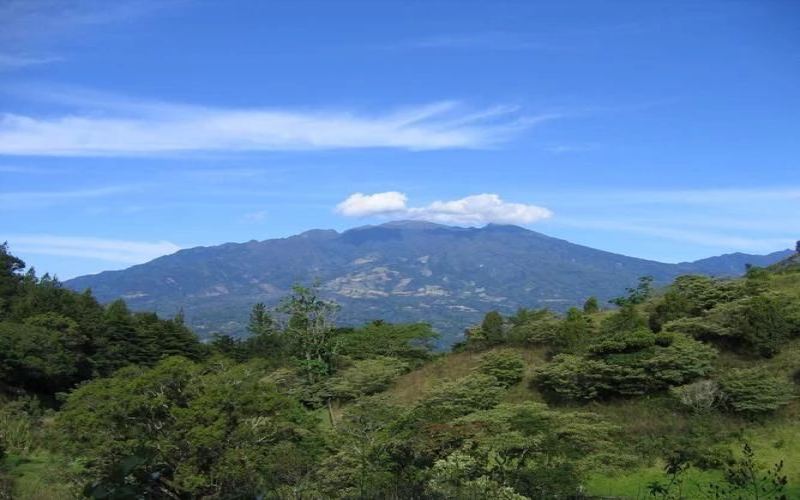
The Flavor Code of Panamanian Specialty Coffee: A Comprehensive Guide from the Boquete Region to the Legend of Geisha
Although Panama is a small country, it occupies a pivotal position in the world of specialty coffee. Its western highlands, with their unique microclimate, fertile volcanic soil, and suitable altitude, nurture high-quality coffee with pure flavor and balanced acidity. From the introduction of the Typica variety in the 18th century to Geisha's meteoric rise in 2004, Panamanian coffee has traveled a long and fascinating path toward specialization. This article will guide you through the growing conditions and historical development of Panamanian coffee, explain how Geisha coffee went from a windbreak hedge to the world's top rankings, and recommend three Panamanian Geisha coffees from Front Street Coffee worth trying. [more…]
The Legend of Panama's Hacienda La Esmeralda Geisha: The Flavor Code from an Accidental Championship to the World's Top Auction Lot
How did a coffee variety that was originally overlooked quietly rewrite the landscape of the world's specialty coffee on a retired banker's estate? The Geisha coffee of Panama's Hacienda La Esmeralda, from its meteoric rise to fame in 2004 to its consecutive championship wins, and then to repeatedly setting record prices at auctions, has behind it both an element of chance and a meticulous command of altitude and variety. This article will guide you through Hacienda La Esmeralda's championship journey, its red-green-blue three-tier grading system, and details of its origin and processing methods, along with Front Street Coffee's brewing parameters and flavor description for the Blue Label Geisha, so we can savor together the unique charm of this legendary coffee. [more…]

Luckin Coffee teams up with Wutiaoren to warm up for 520, as the return of Green Grape Latte aligns with the theme of "A Zhen Falls in Love with A Qiang"
Luckin Coffee recently officially announced a collaboration with a band whose name contains "five," with the mystery to be revealed on May 8, sparking enthusiastic speculation among netizens. Mayday, Wu Bai, Maroon 5, and others were nominated, but based on clues and Reuters information, Wutiaoren is the most likely. It is reported that Green Grape Latte will also return to warm up for the 520 confession day. Wutiaoren's representative song "A Zhen Fell in Love with A Qiang" is highly compatible with the event theme, and the sunglasses detail in the poster also points to the band's guitarist. Previously, during the anniversary celebration of Coconut Latte, Luckin invited the Shanghai Rainbow Chamber Singers to adapt a birthday song. Whether there will be a new version this time is eagerly anticipated. This article sorts out the collaboration clues and product information for coffee lovers' reference. [more…]
Panama Deborah Estate Geisha Coffee and the Savage Project: An Analysis of High-Altitude Terroir and Anaerobic Natural Processing
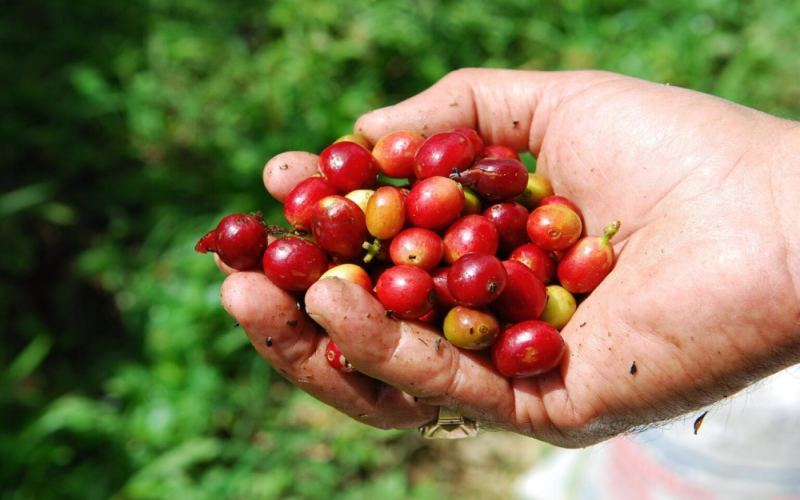
Panama Geisha has always been a shining star in the specialty coffee world. From Hacienda La Esmeralda's rise to fame to today's flourishing of estates, enthusiasts have always been in pursuit of more refined flavors. Among the many renowned estates, Finca Deborah, with its altitude of over 1,900 meters, unique microclimate, and owner Jamison Savage's extreme exploration of processing methods, has become a rising star that has drawn much attention in recent years. The coffee project initiated by Savage brings together fully ripe red cherries from small estates in the Boquete and Volcán regions, endowing Geisha with sweeter fruit and floral notes through anaerobic natural processing. Front Street Coffee has selected the Savage series Geisha, using a light roast to preserve its delicate sweetness and acidity, and provides V60 brewing parameter references. This article will comprehensively cover the history of Geisha's spread, the terroir advantages of Finca Deborah, and the key details of this coffee from cultivation to cup. [more…]

Exploring the 90+ Geisha Estate, Esmeralda, and Sophia: Processing Methods and Flavor Analysis of Panama Geisha Coffee Beans
Geisha coffee has always been the white moonlight in the hearts of specialty coffee lovers, and Panama is the stage where it shines before the world. From its meteoric rise at the 2004 BOP to the fierce competition among major estates today, the legend of Geisha continues to be written. Front Street Coffee takes you deep into three world-class Geisha estates: the 90+ Geisha Estate, known for experimentation and innovation; Hacienda La Esmeralda, the leader of the Geisha wave; and Sofia Estate, perched at 2,100 meters above sea level. The article not only sorts through each estate's history, series divisions, and processing methods, but also compares in detail the differences between Front Street's Esmeralda Red Label, Green Label, and Blue Label Geisha, along with the prices and characteristics of the 90+ series, aiming to provide coffee lovers with a professional and comprehensive knowledge map of Geisha. [more…]
2024 Harvest Geisha 8.0 Coffee Bean Flavor Analysis: Evolution from 2017 to This Year and Brewing Recommendations
From its breakthrough rise to fame in 2017, Huakui coffee beans have now gone through eight harvest seasons, and the latest 2024 batch, Huakui 8.0, has arrived as expected. This article provides a complete overview of Huakui's origin story, the terroir of the Guji region, the sun-drying process at the Buku Abel processing station, and the flavor evolution track of each vintage from Huakui 1.0 to 8.0. It also includes Front Street Coffee's V60 brewing parameters and practical recommendations to help coffee enthusiasts fully understand the past and present of this Ethiopian star bean and the best way to present it. [more…]
Panama Geisha Coffee Bean Variety Characteristics, Auction Market Trends, and Hacienda La Esmeralda Brand Buying Guide
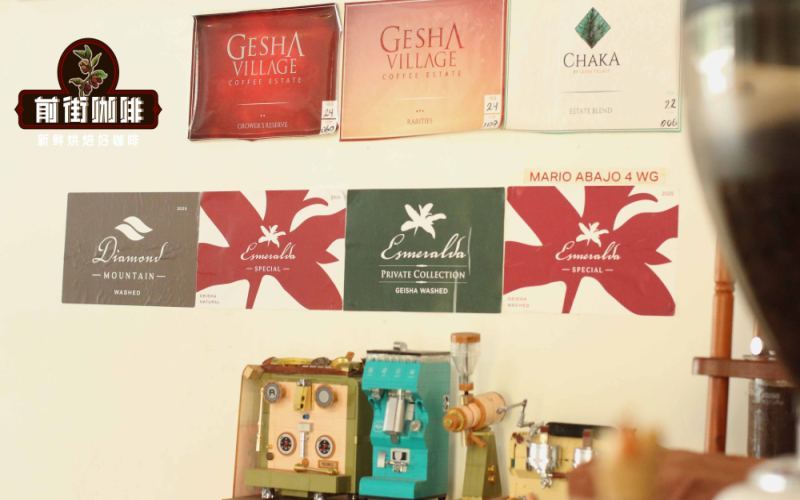
Geisha coffee holds a pivotal position in the specialty coffee world. From its meteoric rise to fame in 2004 to breaking auction records year after year, what exactly makes it so expensive? This article traces the discovery and spread of Geisha, analyzes the reasons behind its demanding growing conditions and low yields, outlines the development of the Best of Panama (BOP) competition, and highlights the various brand series under Hacienda La Esmeralda as well as the flavor differences brought by washed and natural processing methods. At the same time, Front Street Coffee will share purchasing advice and brewing parameters for several Panamanian Geishas, helping coffee enthusiasts gain a comprehensive understanding of this star variety. [more…]

Front Street Coffee Complete Knowledge Collection: A Coffee Learning Guide and Practical Manual from Beginner to Advanced
The Front Street official account has insisted on daily updates for many years, accumulating a massive amount of educational content covering every area of coffee. From the origins of coffee beans to the birth of a finished cup of coffee, from basic terminology to advanced brewing techniques, the articles have touched on virtually every question a coffee lover might encounter. This article reorganizes that content along a learning path, dividing it into sections such as must-reads for beginners, tasting methods, brewing techniques, advanced improvement, and Front Street's random musings on industry topics, making it easy for readers to quickly locate the knowledge they need based on their own stage, and also convenient for systematically filling in gaps. Whether you are a novice just getting into coffee or an advanced player hoping to hone your skills, you can find corresponding content here. [more…]
Center Pour vs. Spiral Pour in Pour-Over: Analysis of Extraction Efficiency, Flavor Differences, and a Combined Three-Pour Approach
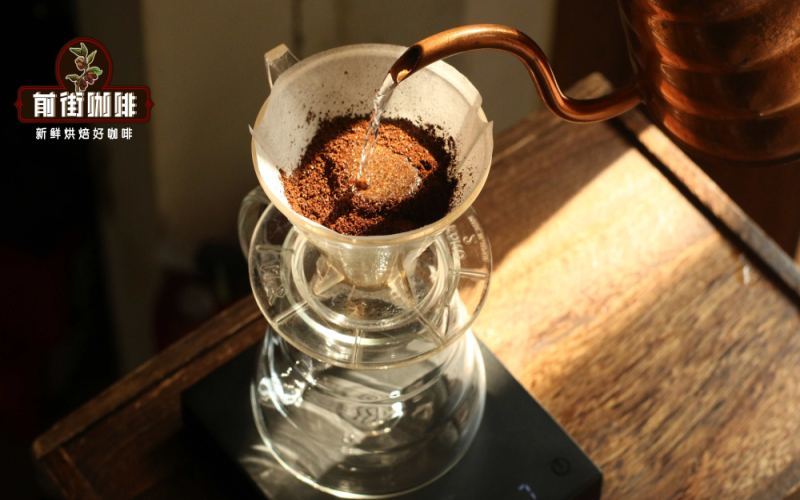
The pouring method in pour-over coffee has a significant impact on the extraction result. Through comparative experiments, Front Street Coffee found that under low-flow conditions, center-pour single-pour extraction actually achieved a higher extraction yield than spiral pouring, due to two factors: heat retention and the contact area of the coffee bed; however, in terms of flavor performance, center pouring showed a concentrated, imbalanced character with bitterness. When switching to a three-stage pour, spiral pouring then surpassed center pouring. Based on these findings, a three-pour approach combining spiral and center pouring became a practical choice that balances even extraction with flavor cleanliness. This article presents the complete experimental data and principle analysis to help coffee enthusiasts understand the suitable scenarios for different pouring strategies. [more…]
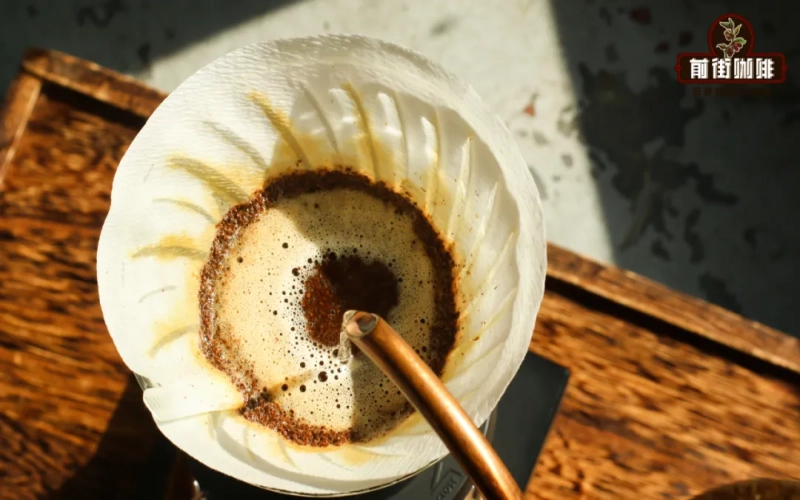
How Should You Decide the Timing for Multiple Pours in Pour-Over Coffee? An Analysis of the Practical Impact of Pour Timing on Extraction Efficiency and Flavor
Multi-pour pouring is a brewing technique commonly used by many enthusiasts in pour-over coffee, but for each pour, should you wait for the water level to drain completely before pouring again, or continue pouring while there is still liquid in the dripper? This seemingly minor choice actually affects the final extraction efficiency through two dimensions: extraction time and liquid concentration. Starting from a comparative experiment at Front Street, this article analyzes the specific effects of different pouring timings on extraction yield and flavor performance, and offers practical advice on how to flexibly choose pouring nodes in different brewing scenarios, helping you more precisely control the flavor direction of every cup of pour-over. [more…]
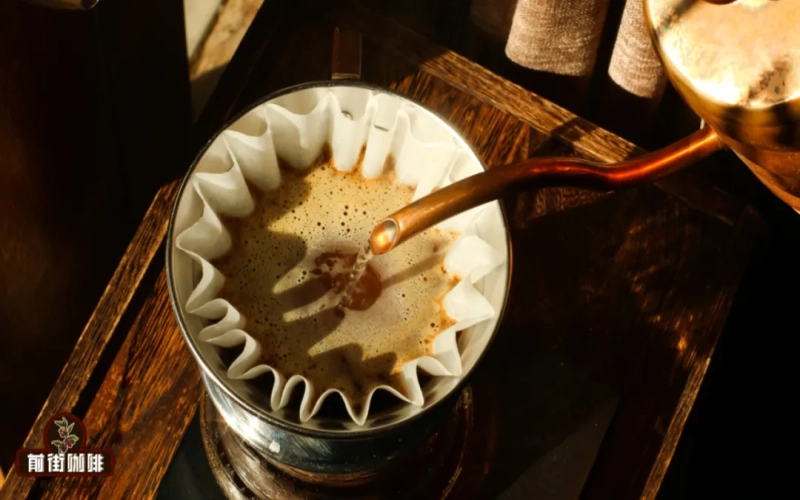
Why Does Pour-Over Coffee Favor Staged Pouring? Analyzing the Extraction Efficiency and Controllability Differences Between the One-Pour Method and the Three-Stage Method
In the world of pour-over coffee, the choice of pouring method often determines the final flavor direction. Although brewing techniques emerge endlessly, multi-pour pouring has always remained mainstream—whether in professional competitions, café offerings, or enthusiasts' daily practice, its presence can be seen everywhere. Many friends who are just getting into pour-over ask Front Street Coffee: why do we always have to divide the water into several pours? Behind this actually involves two key factors: the improvement of extraction efficiency and the controllability of the brewing process. This article will unfold around the differences between single-pour and three-stage pouring and other staged pouring methods, analyzing the advantages of multi-pour pouring from the perspectives of extraction time and concentration differences, while also answering why immersion extraction has a higher fault tolerance rate, helping everyone understand the essence of the pouring logic in pour-over coffee. [more…]
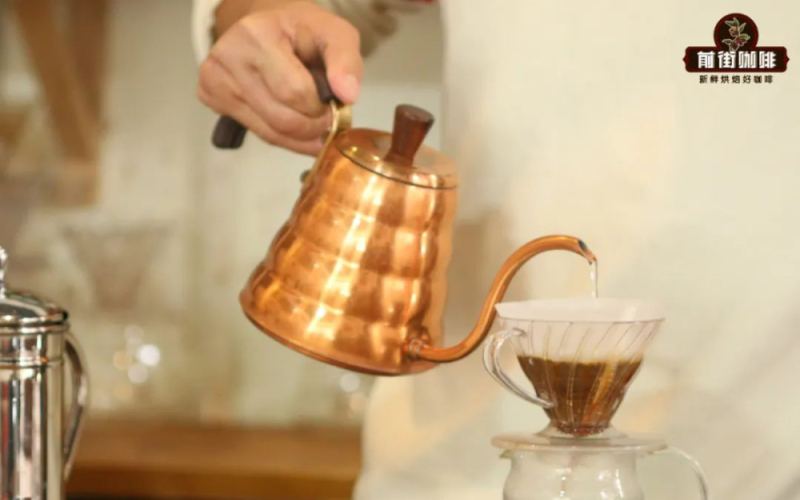
How to Master the Timing of Pulsed Pouring in Pour-Over Coffee? A Detailed Guide to the Water Volume and Time Nodes of the Three-Pour Method
Segmented pouring is a common yet difficult-to-master method in pour-over coffee, with the challenge lying in judging when to stop pouring and when to pour again. This article uses Front Street Coffee's three-stage brewing as an example to explain in detail the techniques for judging pouring checkpoints. The article points out that you should not wait for the water to finish flowing before pouring again; subsequent pours should bring the coffee bed height to exactly the same level as the previous stage to ensure even extraction. Using 15g of coffee grounds as an example, the first stage is blooming, pouring 30ml of water and waiting 30 seconds; the second stage pours water to 1/2 of the short rib, with a reference water amount of 120ml, taking about 55 seconds to 1 minute; the third stage involves observing the water level dropping, and when it falls to 1/2 between the coffee bed and the filter wall, pour 90ml, with a reference time of 1 minute 10 seconds to 1 minute 15 seconds; pouring ends at about 1 minute 30 seconds to 1 minute 35 seconds, and the coffee liquid finishes flowing at about 2 minutes to 2 minutes 10 seconds. The logic for four-stage pouring is the same. [more…]
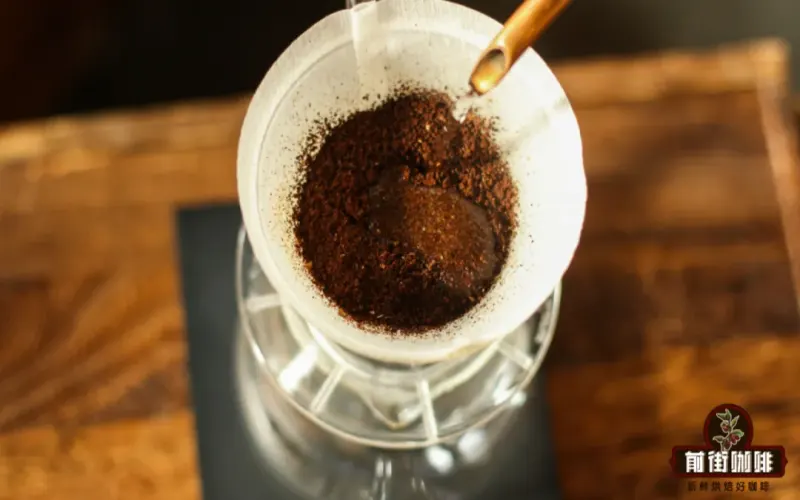
A Complete Analysis of Pour-Over Coffee Pouring Methods: The Practical Impact of Stages, Height, and Circular vs. Center Pouring on Extraction Yield
The biggest difference between pour-over coffee and other extraction methods is that the entire brewing process relies on manual pouring. Pouring water serves both to create turbulence and speed up the dissolution of flavor compounds, and to allow coffee grounds in different positions to be extracted relatively evenly. Precisely because it depends on human operation, any subtle change during the pouring stage can directly affect the final extraction yield. Front Street often says that about 30% of the substances in coffee beans are soluble, but not all of them need to be extracted. According to the Golden Cup extraction theory, 18%–22% is the extraction yield range generally accepted by most people. To stay reliably within this range, in addition to choosing parameters with a high margin for error, understanding the principles behind pouring is equally crucial. From Front Street's perspective, this article focuses on three variables—staged pouring, pouring height, and circling versus stationary pouring—and breaks down how they affect the extraction yield, helping you understand why you should pour this way and how to adjust. [more…]