







How did Panamanian Geisha coffee rise from windbreak to fame?
Panamanian Geisha coffee comes from the western highlands near Costa Rica and the Pacific, where volcanic soil, elevation of roughly 1,000 to 1,650 meters, and varied microclimates around Barú Volcano produce a smooth body, light mouthfeel, and balanced acidity. Typica arrived in 1780; Geisha broke through in 2004 after starting out as a windbreak planting.
Cold air along the Central Cordillera above 6,500 feet creates distinct microclimates in Boquete and Volcán, and soil differs by site, with Volcán holding notably more volcanic content. The first export batch each year ships in November. Engineers who stayed after the Panama Canal was built bought Boquete estates and helped set specialty coffee in motion there.
Although Panama is a small country, it occupies a pivotal position in the world of specialty coffee. Its western highlands, with their unique microclimates, fertile volcanic soil, and suitable elevation, nurture high-quality coffee with pure flavor and balanced acidity. From the introduction of the Typica variety in the 18th century to Geisha's breakthrough in 2004, Panamanian coffee has traveled a long and fascinating path toward specialization. This article will guide you through the production conditions and historical context of Panamanian coffee, explain how Geisha coffee rose from a windbreak to the world's top rankings, and recommend three Panamanian Geisha coffees from the Front Street brand worth trying.
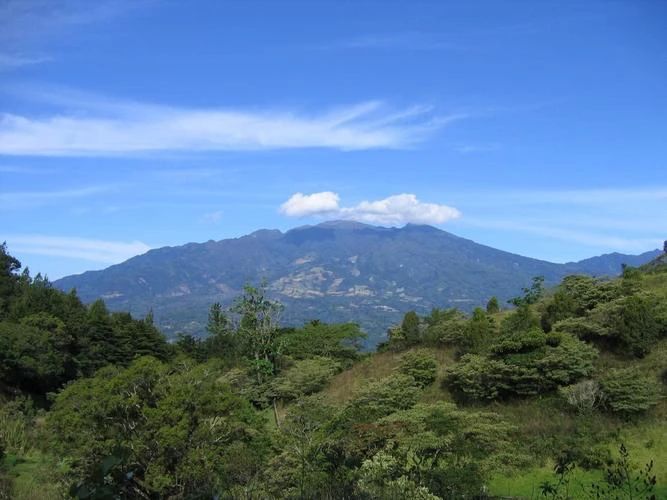
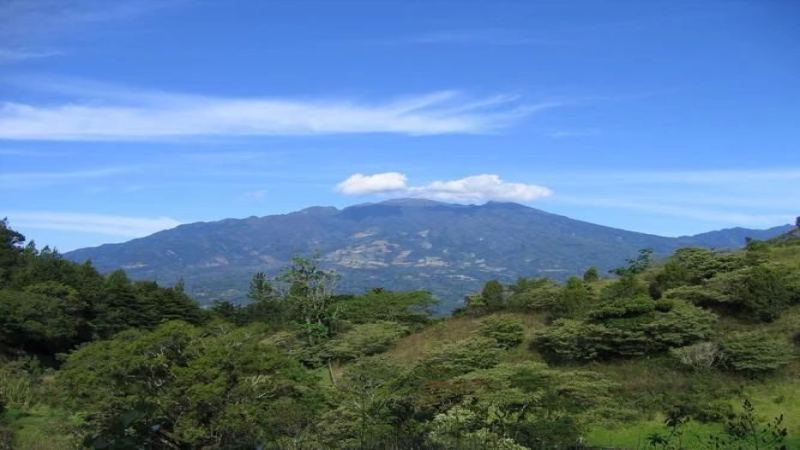
Panama's high-quality coffee is mainly grown in the western part of the country, the area bordering Costa Rica and facing the Pacific Ocean. The microclimate conditions of this highland are the core resource that makes Panamanian specialty coffee so distinctive. When cold air flows along the Central Cordillera and accumulates above 6,500 feet, it creates diverse microclimates in the Boquete and Volcán regions, making these places the primary production areas for Panamanian specialty coffee. These coffees grow in the nutrient-rich and well-balanced soil surrounding Barú Volcano. The suitable microclimate, soil conditions, temperature, and elevation provided by the highlands create an ideal environment for the sowing, cultivation, and harvesting of various specialty coffees.
The microclimate of Panama's coffee-growing regions varies depending on soil quality (for example, Volcán has a notably high volcanic soil content) and elevation (approximately 1,000 to 1,650 meters). Panamanian coffee has a smooth mouthfeel, light body, and balanced acidity, with premium beans offering a clean, pure flavor with distinct character. The first batch of coffee exported each year is shipped in November.
In 1780, Europeans first introduced the Typica variety to Panama, opening the historical chapter of coffee cultivation in the country. A century ago, during the construction of the Panama Canal, a large number of highly educated Europeans poured into the area; after the canal was completed, many senior engineers chose to stay because they had fallen deeply in love with the pleasant climate of western Panama. They bought estates in Boquete, thereby pioneering specialty coffee cultivation in Panama. For Panamanians at the time, this beverage was both novel and mysterious, and it not only quickly conquered people's palates but also prompted locals to begin widely planting coffee trees.
In fact, Panamanian coffee was not well known in its early years, and production was quite limited. With the advancement of the third wave of coffee aestheticization, people gradually learned to appreciate single-origin beans, and the concept of estate specialty coffee became popular. But why did Geisha coffee suddenly rise to fame in 2004 and remain on top-tier coffee lists for so long? This story begins with the origins of Geisha coffee.
Geisha coffee is also called 艺伎 coffee, but the two are actually the same bean. The name comes from Gesha Mountain in Ethiopia, and because its pronunciation is the same as the famous Japanese geisha, it acquired this name.
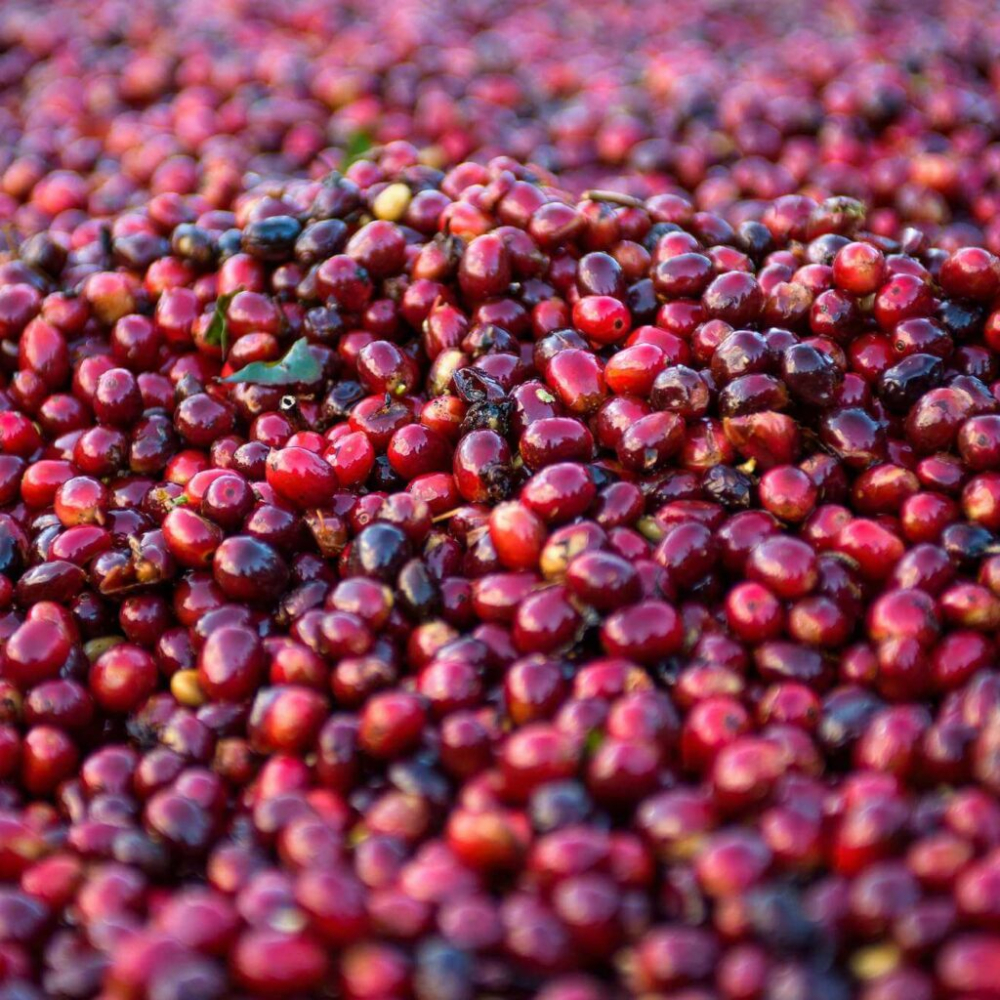
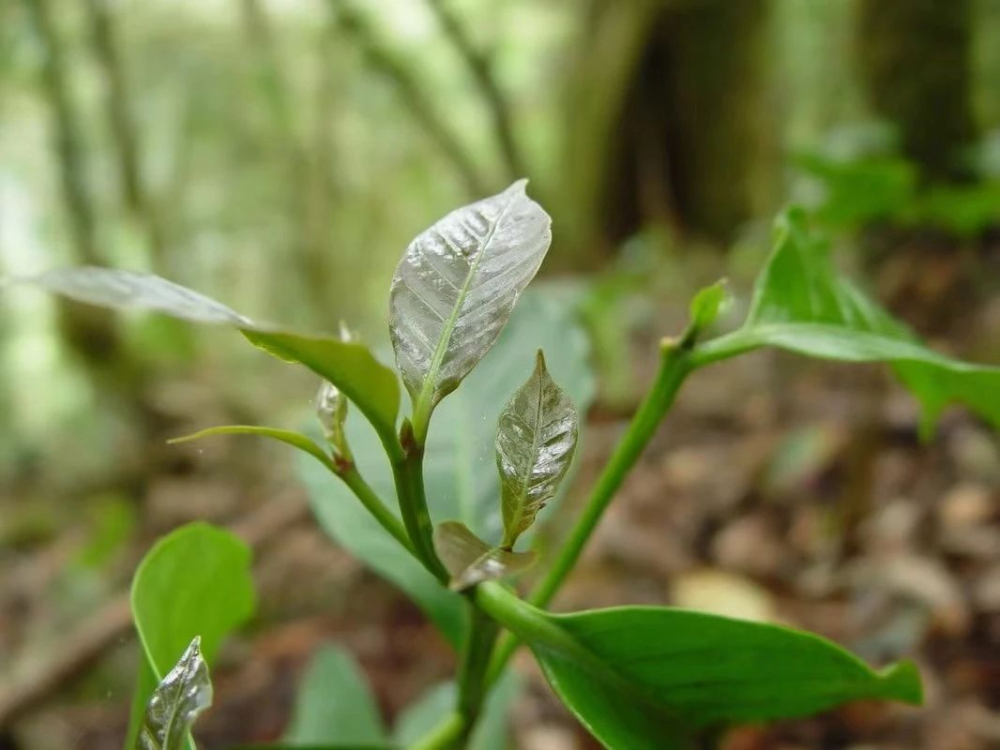
According to research from multiple sources, this coffee bean originated in southwestern Ethiopia, Africa, and its path of transmission roughly unfolded as follows: in 1931, a British envoy went deep into Gesha Mountain in Ethiopia to collect disease-resistant bean varieties—between 1931 and 1932, the seeds were sent to Kiteru in Kenya under the names Geisha and Abyssinian for trial planting—in 1936, young plants were transplanted to the Lyamungu Coffee Research Institute in Uganda and Tanzania for trial planting—in 1953, Costa Rica's CATIE coffee research institution repeatedly introduced young plants from Lyamungu and other countries. In 1963, Don Pachi Serracin brought Geisha coffee trees from Costa Rica to Panama, but because yields were low and directly affected harvest volume, coffee farmers were not very willing to plant them.
It was not until Daniel Peterson, the owner of Panama's Hacienda La Esmeralda, accidentally discovered that the beans from the Geisha coffee trees at the highest part of his estate—originally used as a windbreak—carried the citrus and floral aromas characteristic of African beans. He separated this batch of beans and sent them to compete in the 2004 Panama coffee cupping competition, where they achieved astonishing success. Geisha coffee has since advanced unstoppably, winning the Panama coffee cupping competition championship for many consecutive years. In the eyes of today's global specialty coffee enthusiasts, Geisha coffee is undoubtedly the supreme treasure.
When it comes to the single-origin coffees one must try when entering the specialty coffee world, most baristas will recommend you try Front Street Panama Geisha. Not only can you clearly experience its unique flavor layers, but it can also help you quickly become familiar with world-famous production regions and lay a foundation for learning coffee appreciation.
If you are trying it for the first time, you can start with Front Street Panama Boquete Geisha. It has a captivating orange-blossom honey charm and a serene taste; it does not taste like coffee at all, but rather more like a cup of fruit tea.
If you are a more advanced enthusiast, you might buy the excellent value Front Street Esmeralda Green Label Geisha; if you want to give it to relatives and friends or share it with fellow enthusiasts, you can choose the highest-grade Front Street Esmeralda Red Label Geisha.
The above content is compiled by CoffeeHunters, a coffee news website.


