







Search Results for: medication interval

Coffee Drinking Guide During COVID-19 Recovery: What to Watch Out for with Headaches, Fever, and Medication? Is Pour-Over More Suitable?
Can you drink coffee after contracting COVID-19? This has been the most frequently asked question in our inbox recently. Based on the personal experiences of many coffee lovers, the answer is not absolute—it depends on individual constitution and specific symptoms. When experiencing heart discomfort, fever, severe sore throat, or right after taking medication, you need to be especially cautious or even temporarily stop drinking coffee; whereas with mild to moderate headaches, a moderate amount of coffee may actually help relieve them. If you really want to drink coffee, pour-over is a relatively safe choice since the paper filter makes the coffee cleaner. There's no need to feel it's a waste if you temporarily lose your sense of taste or smell—drink it if you want to, as it might even help promote the recovery of your senses. Freshly roasted beans only have a peak flavor window of 30-40 days, so don't let good beans sit around until they expire. [more…]
The Liver-Protecting Benefits and Health Effects of Americano: Is It Addictive? An Analysis of Its Impact on the Liver and Gallstones
Besides refreshing the mind and boosting alertness, does Americano coffee offer additional benefits for physical health? Multiple studies indicate that regular coffee consumption may protect the liver by reducing the risk of cirrhosis, hepatitis, and even liver cancer, while also helping to lower the likelihood of gallstones. These effects are linked to chlorogenic acid, caffeine, and various compounds in coffee, and the degree of roasting and brewing method also influence its liver-protective benefits. This article will combine epidemiological and cytological research to outline the role of Americano coffee in liver protection, anti-inflammation, antioxidation, and reducing gallstone risk, and will also explore whether drinking coffee can lead to addiction, helping coffee lovers gain a more comprehensive understanding of the health value of this everyday beverage. [more…]
Cold Brew Coffee | What is the origin of Dutch coffee? Which coffee beans are suitable for cold brew? How much caffeine does cold brew contain?
As the weather gets hotter, the cold brew coffee at Front Street Coffee is selling well. Actually, cold brew coffee is not as complicated as everyone believes. Today, Front Street Coffee will share how to make cold brew coffee and discuss its caffeine content. The origin of cold brew coffee: "In the 1600s, Dutch sailors from the then-colon [more…]
Origins of Cold Brew Coffee | Which coffee beans are suitable for cold brew? How can coffee beginners make cold brew coffee at home? What are the techniques for making cold brew coffee?
As the weather gets hotter, the cold brew coffee at Front Street Coffee is also selling well. Actually, cold brew coffee is not as complicated as everyone believes. Today Front Street will share how to make cold brew coffee and discuss its caffeine content. The origin of cold brew coffee: "In the 1600s, Dutch sailors, from the then-colon [more…]

The Origin and History of Cold Brew Coffee | Cold Brew Coffee Extraction Principles, Advantages, and the Best Way to Drink It: Which Single-Origin Coffee Beans Are Suitable for Cold Brew?
As the weather gets hotter, Front Street Coffee's cold brew coffee is selling well. In fact, cold brew coffee is not as complicated as everyone believes. Today, Front Street Coffee will share the making of cold brew coffee. [more…]

The Complete Guide to Cold Brew Coffee: Origins, Principles, Caffeine Truth, and Bean Pairings
On a hot summer day, cold brew coffee becomes the favorite of many coffee lovers. But when it comes to its origins, brewing principles, caffeine content, and which beans to use, there are all kinds of claims floating around. From the perspective of Front Street Coffee, this article sorts out the historical thread of cold brew coffee, from the Dutch sailor legend to its actual invention in Kyoto, Japan, explains in detail the water-to-coffee ratio, filter paper usage, pre-infusion, and fermentation steps in cold brew equipment operation, and responds to the controversy over whether cold brew coffee's caffeine content is actually high or low. Finally, it offers two cold brew blend recipes commonly used by Front Street Coffee, to help you make cold brew coffee with full aroma and a smooth mouthfeel at home. [more…]

Fudan Medical College Case Card Milk Tea Goes Viral Online, Creative Packaging Inspiration Shares the Same Roots as Traditional Chinese Medicine-Style Design in the Coffee World
Recently, a "medical record card milk tea" launched by the School of Medicine at Fudan University has continued to spark heated discussion online. Its packaging design mimics prescription slips and medical record cards, printed with phrases such as "oral miracle cure" and "miraculous healing," and the straws even reproduce street signs from around the medical school, making it full of fun. As of now, the topic has received 47.589 million reads and 8,931 discussions on Weibo. In fact, similar "medical-style" creative ideas are not appearing for the first time. Previously, in the coffee sector, some cafes also introduced the concept of "oral coffee." While such novel designs can certainly grab attention quickly, for a beverage, product quality is the foundation for long-term success. [more…]
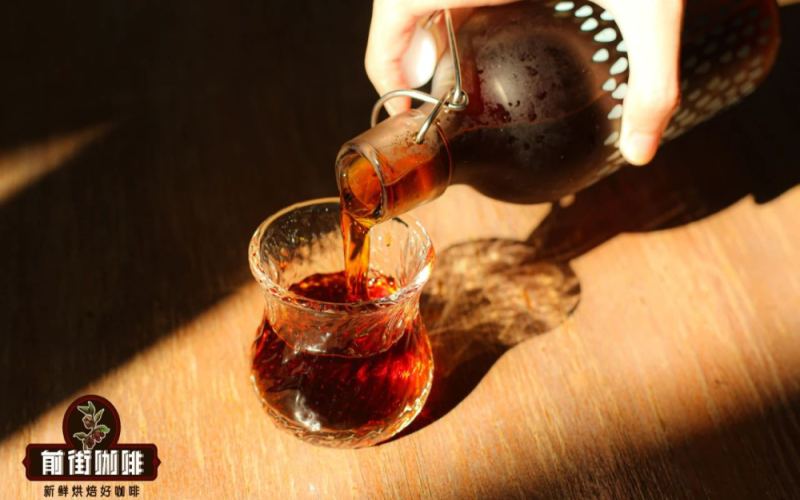
Ice Drip Coffee Powder-to-Water Ratio | Is There a Big Difference Between Ice Drip Coffee and Cold Brew Coffee? What Is the Origin of the Invention of Ice Drip Coffee? Is the Caffeine Content of Ice Drip Coffee High?
For more specialty coffee knowledge, please follow: Front Street Coffee (Frontsteet Coffee) Both ice drip coffee and cold brew coffee are relatively common cold-brewed coffee methods, and their refreshing taste makes many people love them. So what is the difference in flavor between ice drip coffee and cold brew coffee? Front Street below [more…]

Mixue Ice Cream & Tea opens in a Hefei hospital's surgical building, netizens joke it should be included in medical insurance settlements
Recently, a video showing a Mixue Bingcheng store operating inside the surgical building of the new campus of Hefei Second People's Hospital in Anhui has sparked heated discussion on social media. The video shows that the store is located next to Laoxiangji, with each occupying spots near the elevators on opposite sides of the building, jokingly called the "left and right guardians" by passersby. Hospital authorities confirmed that in addition to Mixue Bingcheng, chain brands such as Luckin Coffee are also operating normally in the building. Netizens have mixed views on this. Some joked about having milk tea and ice cream covered by medical insurance, while others expressed concern about food safety and the impact on the hospital's quiet environment. Supporters, however, believe that this move addresses the dining needs of patients' families and medical staff, making it a convenience for the public. [more…]
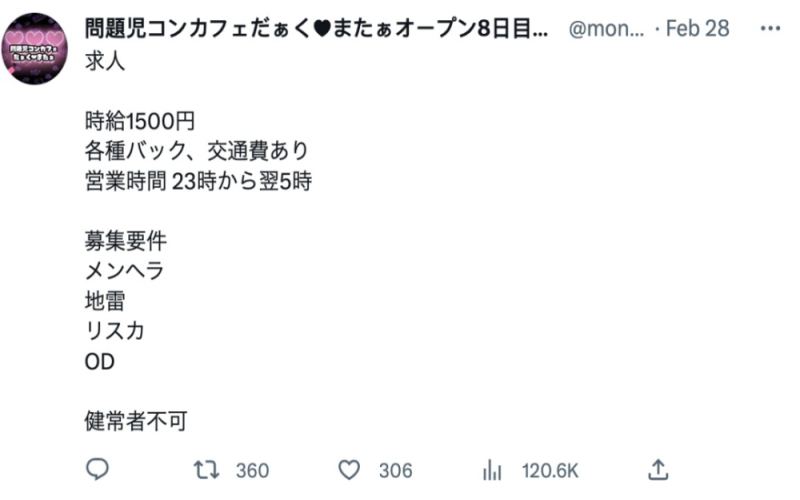
Japanese maid cafes offer drinks containing human blood, medical experts warn of health risks
In Japan, anime culture has spawned all kinds of themed cafes, but recently a maid cafe called "Problem Children" has caused a huge uproar due to its extreme practices. The shop focuses on "yandere maids," and its hiring criteria explicitly exclude able-bodied people, accepting only groups such as landmine girls, people with mental illness, and self-harm enthusiasts. Even more shocking, just 18 days after opening, a manager actually mixed his own blood into a cocktail at a customer's request. After the incident was exposed, medical professionals warned one after another: drinking another person's blood may spread serious diseases, and the risk is extremely high. Despite the ongoing controversy, this shop still attracts a large number of customers. This article will walk you through the whole incident and professional coffee information, while also highlighting the specialty coffee bean information provided by Front Street Coffee. [more…]
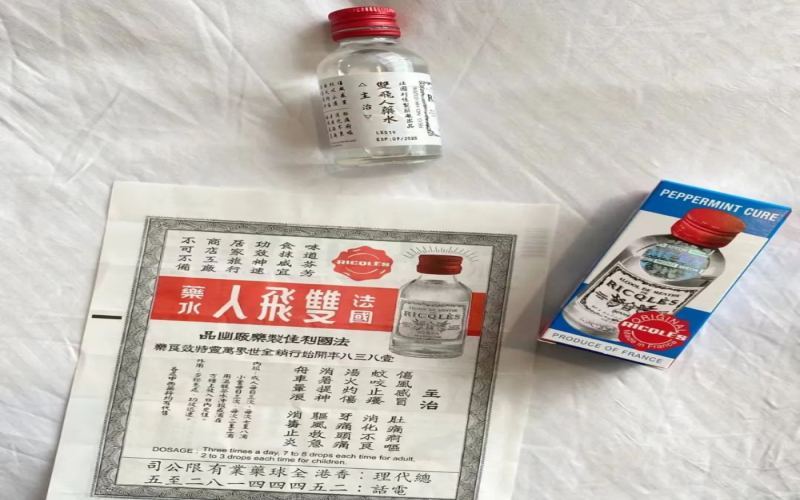
Double Flying Man Medicated Oil Mixed with Iced Americano? The Wild Ideas and Hidden Worries of Guangdong's Specialty Coffee
Recently, sauce-flavored lattes and Moutai coffee have flooded social media, but the wild concoctions from netizens in Guangdong are even more jaw-dropping—they've dripped the household staple "Shuangfeiren" medicinal oil into iced Americano to create a "Shuangfeiren Iced Americano." This trend has also spawned "everyday collabs" like Jiujiang Shuangzheng Latte, Pineapple Beer Americano, and Yubingshao Coffee. This article takes you through the origins of these outrageous pairings, while reminding you: mixing coffee with alcohol requires caution, as the combined stimulant and excitatory effects may impact the nervous system, and those with heart, gastrointestinal, or liver issues should especially avoid it. Joking around is one thing, but your health comes first. [more…]

Luckin Store Manager Accused of Emotional Involvement with 17-Year-Old Part-Time Girl, Girl's Death from Medication Sparks Concern
Recently, news about a Luckin Coffee store manager who had an emotional dispute with a 17-year-old part-time female employee, which ultimately led the girl to take medication and commit suicide, sparked heated discussion on social media. The girl's family knelt in front of the store to protest, claiming that the store manager used his position to deceive their underage daughter and is suspected of forcing her into a relationship that led to pregnancy, causing enormous psychological pressure on the girl. After investigation, police determined that the girl purchased the medication herself to commit suicide, that the case did not constitute a criminal case, and that it would not be filed. The judicial authorities organized two mediations, but the man said he was unable to pay compensation. After the incident was exposed, the store manager involved had resigned, and Luckin officially responded that it had not received any relevant notice. The truth of the incident and the attribution of responsibility still need to be further clarified. [more…]
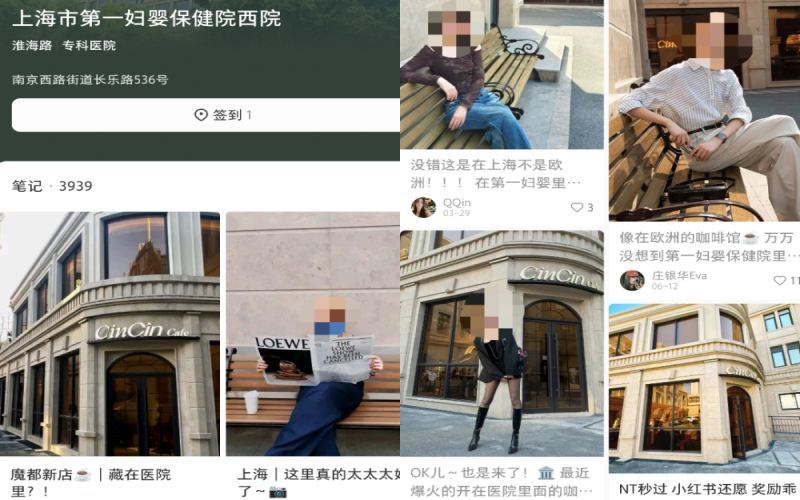
A European-style coffee shop inside Shanghai First Maternity and Infant Hospital has become a trendy photo spot, and the hospital has responded that it will strengthen management.
Recently, Shanghai First Maternity and Infant Hospital has seen its on-site European vintage-style coffee shop become a popular photo spot for many "influencers" on social media, with related topics continuing to gain traction. Many local residents have reported that the crowds of photo-takers have disrupted normal medical order. Why has this coffee shop become a photography hotspot? How have the hospital and the shop responded? The hospital stated that it will strengthen management by discouraging commercial photography, prolonged occupation of patient rest seats, and the use of large professional equipment such as fill lights, in order to ensure normal medical activities. [more…]

A Traditional Chinese Medicine Hospital Crosses Over into Selling Coffee, Sparking Heated Debate: Whether Chinese Herbal Formula Drinks Can Be Covered by Medical Insurance Becomes the Focus
When the level of involution in the coffee industry has already become something people take for granted, the field of traditional Chinese medicine has unexpectedly joined this competition in a surprising way. The Guoyitang under Harbin Jiren Traditional Chinese Medicine Hospital recently launched drinks called "coffee," but they contain no caffeine at all and are instead made entirely from traditional Chinese medicine ingredients. Even more surprisingly, some of these drinks can be paid for with medical insurance cards. This phenomenon has sparked widespread discussion: where exactly is the boundary between coffee and traditional Chinese medicine? From Tongrentang's goji berry latte to hand-brewed herbal drinks from traditional Chinese medicine hospitals, the combination of "traditional Chinese medicine + coffee" is becoming a new traffic password for attracting young consumers. This article will take you through the story behind this crossover trend and explore whether coffee can really be classified as traditional Chinese medicine. [more…]
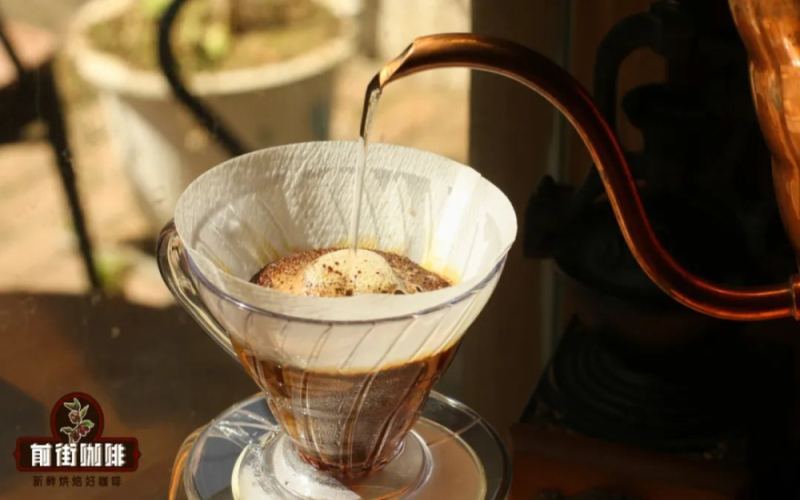
Analysis of the Three-Pour Principle in Pour-Over Coffee: Why Blooming and Pour Intervals Are So Crucial
In the previous article, Front Street explained why it has always used the three-pour brewing method; this time, it will take a deeper look at the principles and operational details behind it. Starting from the logic of extraction, the article explains why blooming releases carbon dioxide, how staged pouring enhances layering, and how the interval between pours affects the temperature of the coffee bed and extraction efficiency. Front Street will then provide complete brewing parameters, including coffee dose, grind setting, water temperature, coffee-to-water ratio, and dripper choice, and demonstrate step by step the specific techniques for the three stages of blooming, main extraction, and finishing, as well as how to finally swirl the brewed coffee so that the flavors from each stage blend together. This is suitable reading for coffee enthusiasts who want to refine their pour-over technique. [more…]
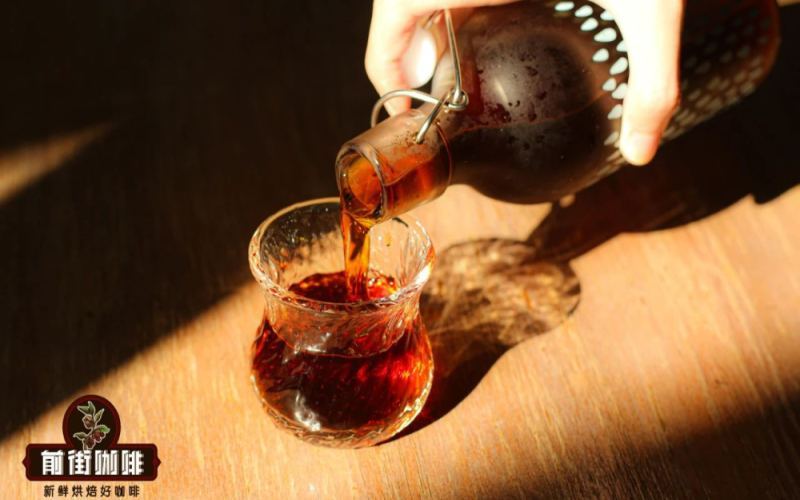
An Analysis of the Differences Between Ice Drip and Cold Brew Coffee: From Historical Origins and Brewing Methods to Coffee-to-Water Ratios and Flavor Profiles
Ice drip coffee and cold brew coffee both belong to the category of cold-brewed coffee, yet they differ markedly in historical background, extraction equipment, operating procedures, and final flavor. Ice drip coffee originated from a local Indonesian brewing method and was improved by Kyoto's Hanabusa Coffee before spreading worldwide; it uses an ice drip tower for layer-by-layer filtration, taking 6 to 8 hours. Cold brew coffee, by contrast, is made by steeping in a container and letting it rest at low temperature for 12 to 24 hours. In this article, Front Street Coffee documents the ice drip process in detail, with a coffee-to-water ratio of 1:10, and shares several blending bean options, while also comparing the flavor differences between ice drip and cold brew made with Huakui beans. The article also discusses the controversy over the caffeine content of ice drip coffee, helping coffee enthusiasts gain a comprehensive understanding of the respective characteristics of these two cold-brewed coffees. [more…]
Can Sweetened Coffee Also Lower Mortality Risk? Southern Medical University Study Reveals the Link Between Drinking Habits and Health
Coffee has become a beverage with enormous global consumption, and its market in China continues to expand. More and more research has focused on coffee's effects on health, but previous studies have often overlooked the distinction between whether sugar is added or not. In 2022, a team from Southern Medical University published a paper in the Annals of Internal Medicine, using data from more than 170,000 people in the UK Biobank to analyze the relationship between unsweetened, sugar-sweetened, and artificially sweetened coffee and mortality risk. The results showed that moderate consumption of both unsweetened and sugar-sweetened coffee was associated with a lower mortality risk, but the amount of sugar added to sugar-sweetened coffee was far lower than that in commercially available fancy coffee drinks. This article interprets the core findings of that study and reminds consumers who like high-sugar coffee to pay attention to the difference. [more…]

Complete Parameter Analysis of the 4:6 Method for Pour-Over Coffee: Grind Size, Staged Pouring Time, and the Principles of Acidity, Sweetness, and Body Control
The 4:6 method was created by Tetsu Kasuya, and its core idea is to let anyone brew a consistently good cup of coffee. It splits a single pour into five stages: the first 40% of the water governs the flavor direction, while the latter 60% determines the strength of the body. Combined with an extra-coarse grind and fixed intervals, it greatly lowers the barrier to water control. This article lays out the standard parameters of the 4:6 method in full, including dripper choice, coffee-to-water ratio, grind passing rate, water temperature, and pouring rhythm. It also takes a deep look at the logic behind the coarse grind and the 45-second intervals, explains how adjusting the ratio of the early and late stages changes the sweet-and-sour profile, and shows how increasing or decreasing the number of stages lets you control body, helping you apply this method flexibly. [more…]
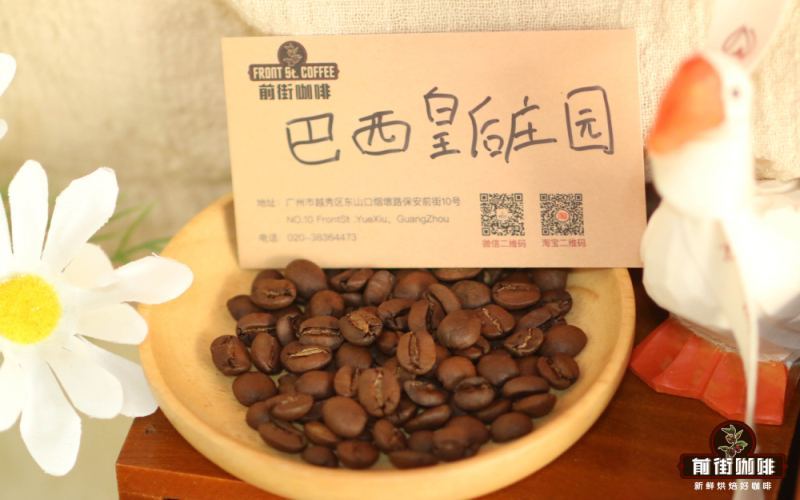
Brazil Queen's Farm Yellow Bourbon Coffee Beans: Analyzing the Tropical Fruit Flavor and Pulped Natural Processing of a COE Perennial Winner
Fazenda Rainha is a legendary coffee estate owned by the Carvalho Dias family. It has won numerous awards since the first Brazil Cup of Excellence competition in 1999, and even took first place in 2011. The estate is located in a volcanic valley in the Mogiana region of São Paulo State, at an altitude of 1,400 to 1,950 meters. The Yellow Bourbon variety is entirely hand-picked and processed using the pulped natural method, creating a unique flavor profile that is sweet, clean, bright in acidity, and has tropical fruit aromas. Front Street Coffee's Fazenda Rainha coffee beans have a rich nutty aroma and a balanced taste, suitable for various brewing methods such as moka pot, Americano, siphon, and drip bags, and can be purchased at the Front Street Tmall flagship store. This article will provide a comprehensive analysis of the estate's background, processing techniques, award records, roasting analysis, and pour-over parameters, taking you deeper into this exemplary Brazilian specialty coffee. [more…]
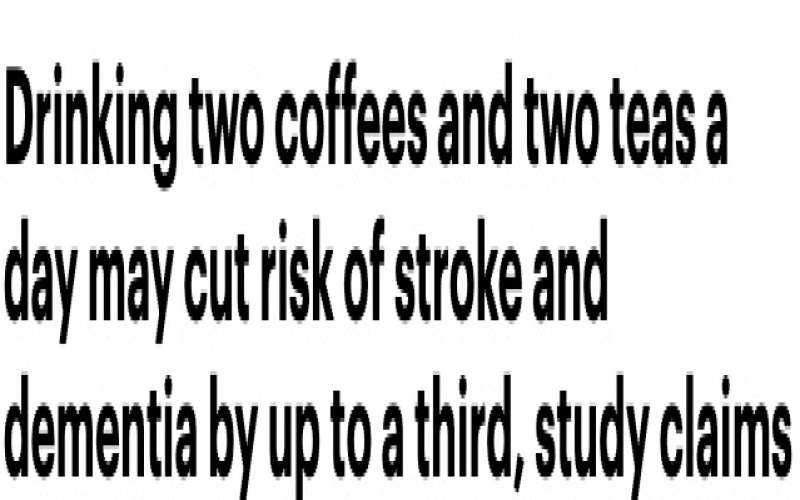
Drinking Coffee and Tea Together May Reduce the Risk of Stroke and Dementia, Tianjin Medical University Study Reveals the Optimal Daily Intake
Drinking coffee and tea not only boosts alertness but may also protect our brains. A new study from Tianjin Medical University, published in PLOS Medicine, based on long-term tracking data from more than 360,000 people in the UK Biobank, has for the first time revealed the link between coffee and tea intake and the risk of stroke and dementia. The study found that moderate daily consumption of coffee or tea, or a combination of both, can reduce the probability of stroke and dementia to the lowest level. However, excessive coffee consumption may instead increase the risk of dementia. So how much is best to drink each day? And how do coffee and tea exert their protective effects? This article will explain in detail the key findings of this study. [more…]