







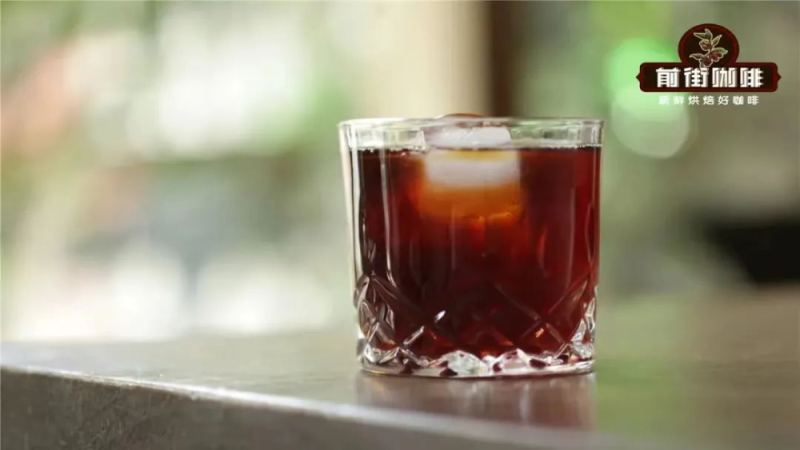
As the weather gets hotter, Front Street Coffee's ice drip coffee is also selling well. In fact, ice drip coffee is not as complicated as everyone believes. Today, Front Street Coffee is here to sharethe method for making ice drip coffee.
The origin of ice drip coffee
"In the 1600s, Dutch sailors were transporting coffee back to Europe from their then-colony Indonesia. Because there was no hot water on the ship, they could not drink hot coffee, so they came up withice drip coffee. Coffee extracted with cold water tastes mild and smooth, with a fragrant aroma. Not only the sailors, but ordinary people loved it too."
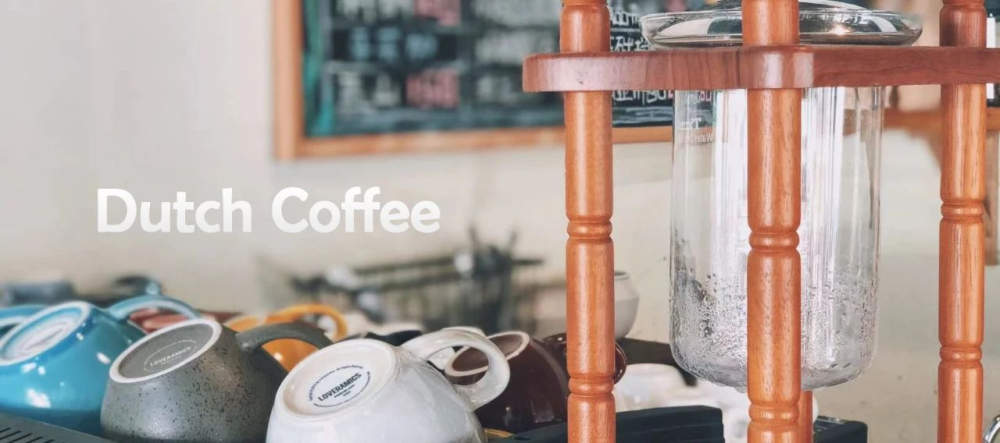
Well then! The origin story above was actually fabricated by Japanese coffee traders to promote ice drip pots, and is one of their marketing tactics. In fact, in Western countries including the Netherlands, the main method used is not the Japanese drip style (an extraction method in which ice water drips down drop by drop), but rather the so-called "Cold-Brew" immersion method (soaking coffee grounds in cold water for a long time). Moreover, in the West there is no such thing as ice drip coffee (Dutch Coffee).

Ice drip coffee's invention
Although ice drip is called Dutch coffee, it does not actually have deep ties to the Netherlands. Instead, it has deep ties to Japan, so it is also called Kyoto coffee. The owner of Kyoto Hanabusa Coffee read in a coffee book about the coffee-brewing method of the locals in Indonesia, then a Dutch colony, and became very interested in this method. Then, based on the description in the book at the time, with the help of chemistry students at Kyoto University and a medical device company, he developed an ice drip device, wanting to reproduce the Indonesians' brewing method, and thus invented ice drip coffee. Later it became popular in Europe and America, and because Europeans and Americans were unclear about this history, they directly called it Kyoto coffee.
Ice drip uses nearly zero-degree ice water for extraction, allowing the flavors in the coffee to reduce volatilization under low-temperature conditions and preserving as much of the coffee aroma as possible in the coffee liquid. Then, when it is drunk, as the temperature of the coffee liquid rises, the aroma contained in the coffee liquid suddenly bursts out, letting the coffee drinker feel a strong aroma at the back of the tongue in the mouth. This sudden burst of aroma creates a great sense of happiness.
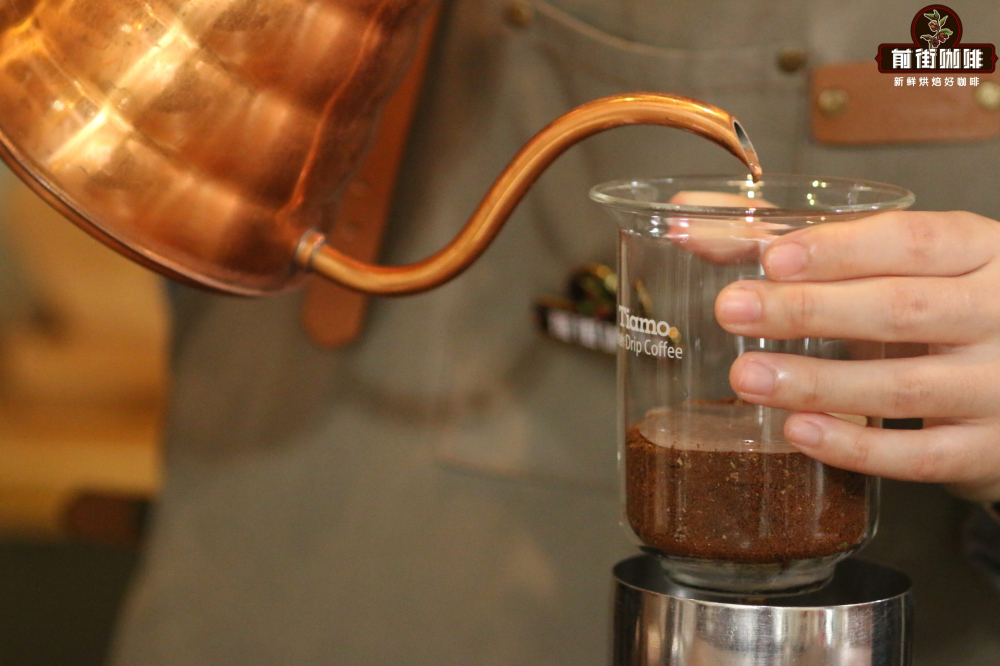
Front Street Coffeeice drip coffeeproduction sharing
1. The water-to-coffee ratio used by Front Street Coffee for ice drip is 1:10, that is, 60 grams of coffee grounds extract 600 milliliters of coffee liquid.
2. Place a round filter paper at the bottom of the powder cup, wet it with water so it sticks to the cup wall, add the ground 60g of coffee grounds (coarse sugar size; Front Street stores use
EK-43s #10 setting), then shake the coffee surface flat. You can also use the weight of the tamper itself to lightly press the coffee bed so that the surface is level.
3. Remember to place a piece of filter paper on the surface of the grounds. This is because the tension of the filter paper allows the water to distribute evenly. Without filter paper, prolonged dripping will make a pit in the coffee bed.
4. Use ice water for "pre-infusion." This is actually similar to the blooming process in pour-over, and it can improve extraction efficiency and consistency of the final product. If you drip directly with ice, it may cause uneven wetting of the coffee bed, with some coffee grounds over-extracted while another portion does not participate in extraction at all.
5. Put a 1:1 mixture of ice and water into the water container, and adjust the valve to about 7 drops every 10 seconds.
6. After making it, pour the coffee liquid into a sealed glass bottle and then put it in the refrigerator to ferment overnight, allowing the coffee flavors to blend together. The taste will be better and easier to drink.

Ice drip coffee's caffeine content
Many people think that ice drip coffee has a low caffeine content, because the lower the water temperature, the less easily caffeine dissolves (the minimum temperature for caffeine dissolution is above 80 degrees Celsius). However, the small amount of caffeine extracted by cold water can still add up over a long extraction time and should not be underestimated. Therefore, some people also believe that the caffeine content of ice drip coffee is actually higher, and many experimental results have also proven this claim. For ice drip coffee, the caffeine content varies greatly depending on the coffee beans used by each cafe, the interval between water drops, and the total extraction time. Therefore, for people who are sensitive to caffeine, rather than drinking ice drip coffee, Front Street recommends drinks with lower caffeine content such as Americano and latte.
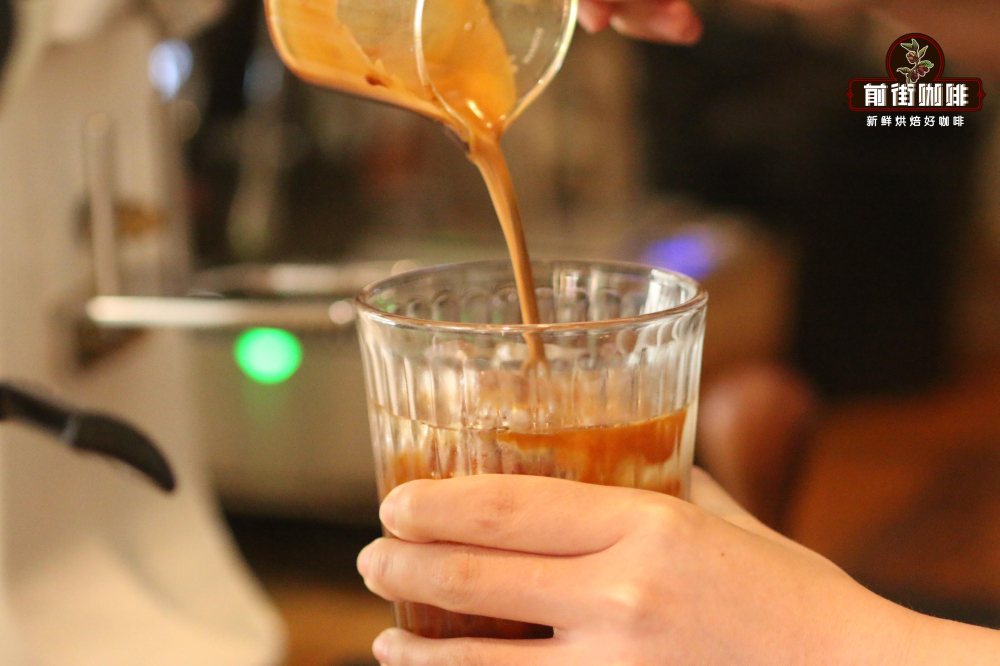
How do we choose coffee beans for making ice drip?
The first reaction of friends who see this title is: just choose one bean and drip it~ That is completely fine. But if you only use one kind of bean to make ice drip, you may not be able to fully experience that bean's aroma, sweetness, or smoothness. So when Front Street often makes ice drip coffee, it uses two kinds of coffee beans for blending, with the goal of making this coffee highlight the characteristics of a certain flavor more. Below, Front Street introduces 2 blending methods for your reference.
Recipe One: 30 grams [Front Street Coffee Honduras Sherry] + 30 grams [Front Street Coffee Costa Rica Beethoven]
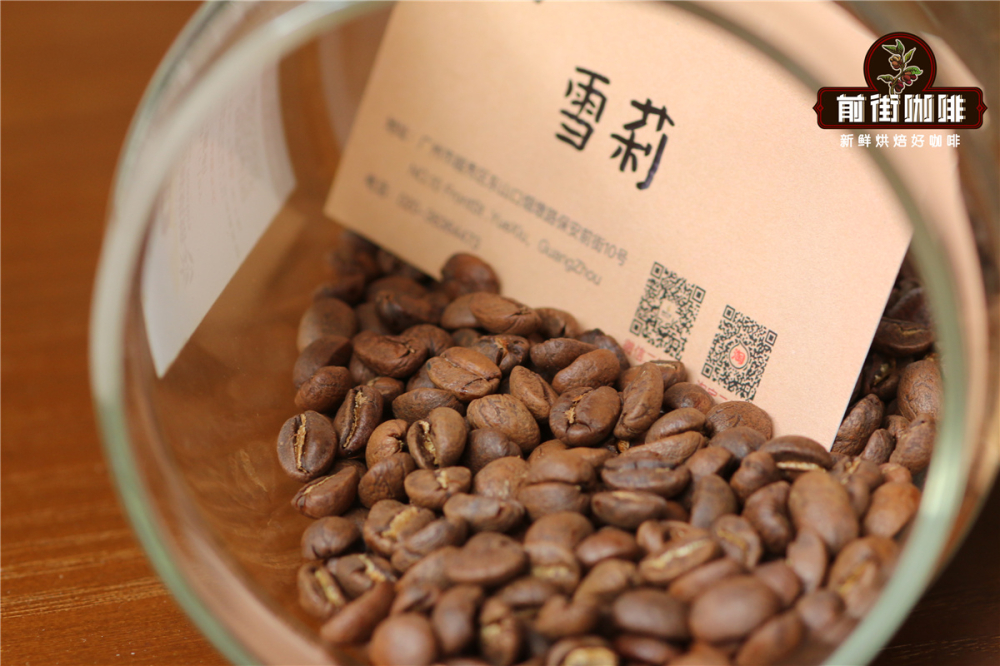
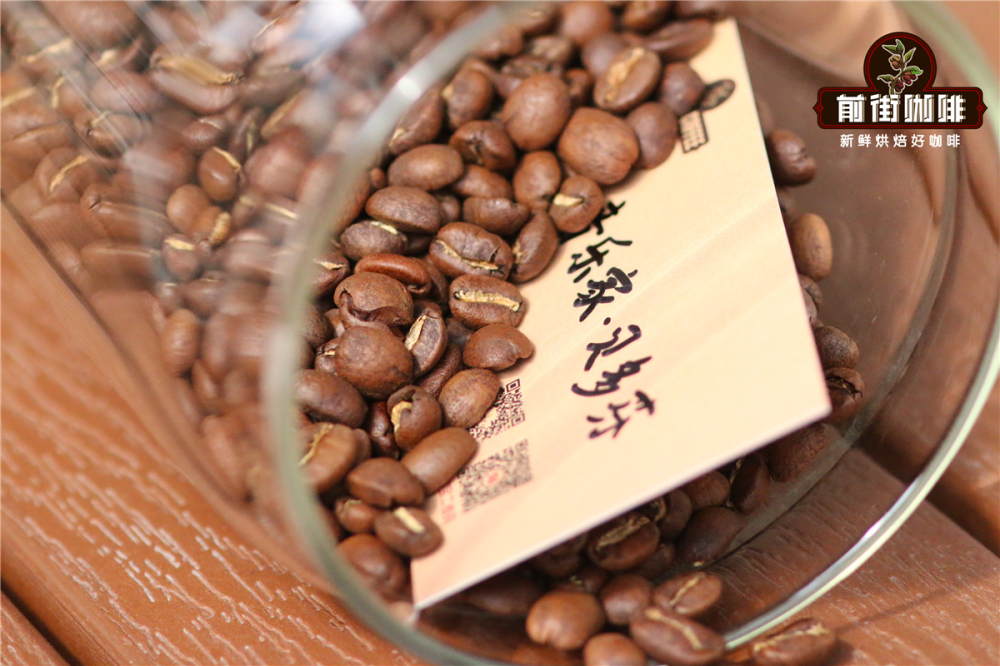
Barrel-treated Sherry plus washed Beethoven: fermented wine aroma, rich fruity acidity with honey-like sweetness. The whiskey-barrel-fermented Sherry has a distinct whiskey aroma, with vanilla-cream-like smoothness. The washed Beethoven has distinct citrus acidity, with the fullness of berry juice. Made into ice drip, you will experience a rich whiskey aroma, and on the palate distinct citrus acidity, the fullness of berry juice, and the smoothness of vanilla cream.
Recipe Two: 20 grams [Front Street Coffee Honduras Litchi Orchid] + 40 [Front Street Coffee Gesha Village Red Label]
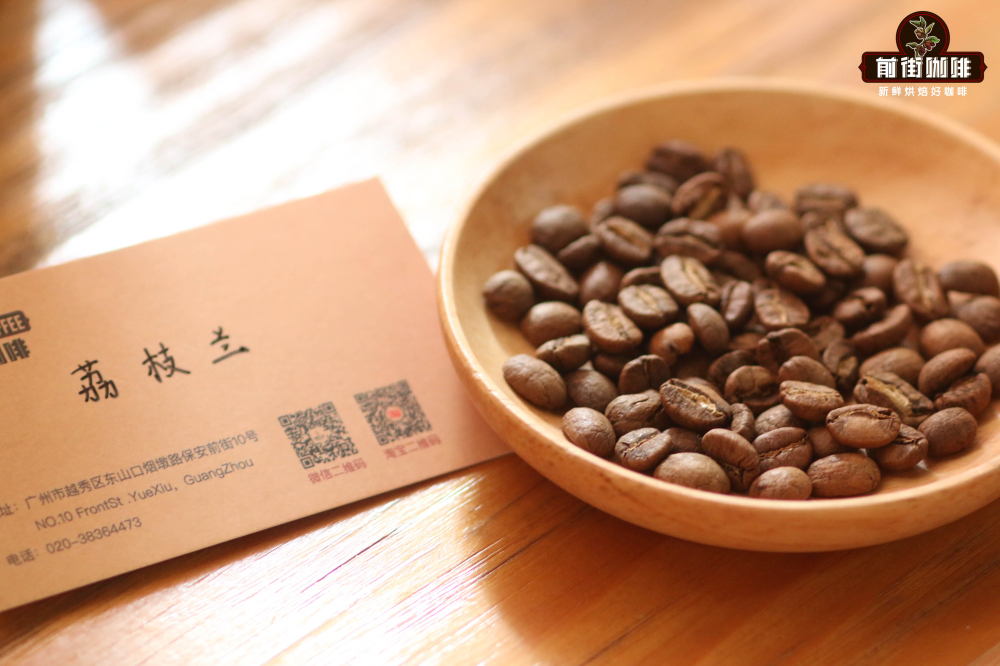
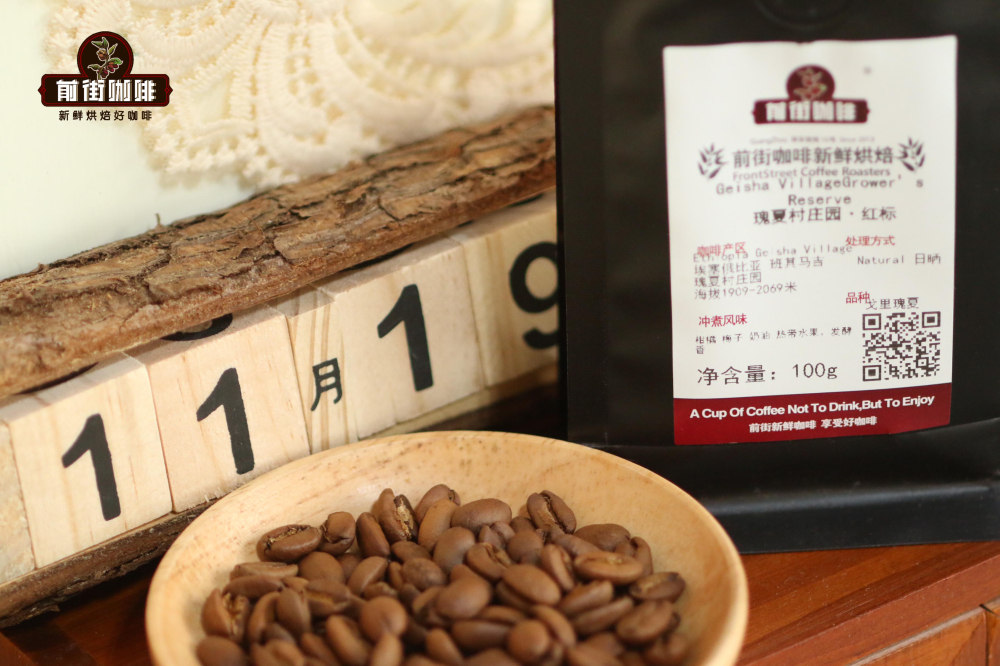
Barrel-treated Litchi Orchid plus sun-dried Gesha Village Red Label: a light brandy aroma, plum-like acidity paired with the sweetness of maple syrup. The brandy-barrel-treated Litchi Orchid coffee has a rich brandy aroma, a chocolatey finish, and a high-sweet aftertaste like lychee and honey. The sun-dried Gesha Village Red Label has the fruity acidity of plum and citrus, with the sweetness of maple syrup and a creamy, smooth mouthfeel. Made into ice drip, you will feel a light brandy aroma, and rich fruity acidity leading the honeyed sweetness and creamy smooth mouthfeel.
For professional coffee knowledge exchange and more coffee bean information, please follow Coffee Workshop (WeChat public account cafe_style)
For more specialty coffee beans, please add the private WeChat of Front Street Coffee: kaixinguoguo0925
The above content is compiled by CoffeeHunters, a coffee news website.


