







Search Results for: low-caffeine varieties
Analysis of Brazilian AC1 Naturally Decaffeinated Coffee Variety: Origin, Characteristics, and Commercial Prospects
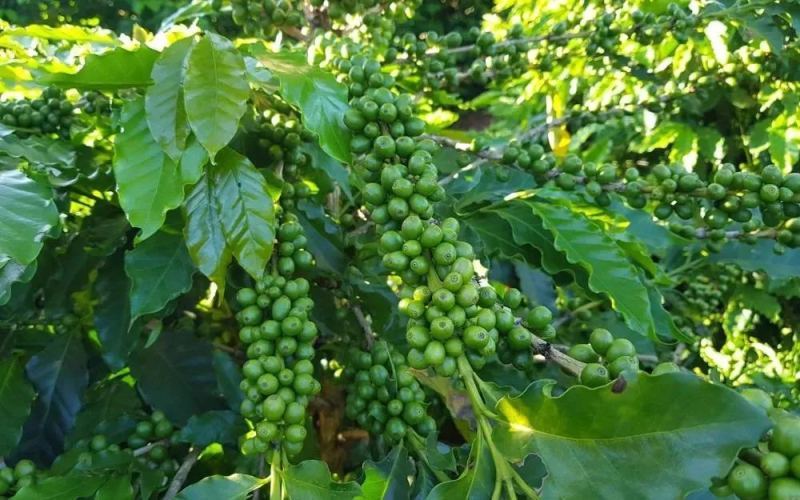
In recent years, naturally low-caffeine coffee has been appearing more and more frequently in cafés and at green bean auctions, with varieties such as Laurina, Aramosa, and the newly discovered Ethiopian AC1 attracting considerable attention. AC1's caffeine content is only about 0.76 mg/g, far lower than that of ordinary Arabica. This variety originated from Ethiopian seed resources and was later discovered and studied by the Brazilian Agronomic Institute (IAC) at Santa Elisa Farm. Although AC1 is chemically similar to mainstream varieties and has strong resistance to coffee leaf rust, its low yield and demanding growing conditions pose challenges to its commercialization. The IAC is now developing new varieties with even lower caffeine content and higher yields through crossbreeding. Front Street Coffee continues to follow the latest developments in this field. [more…]
Colombia Cauca Finca El Nube Laurina Natural Low-Caffeine Beans: Flavor Characteristics and Low-Caffeine Processing Explained
For people who are sensitive to caffeine yet cannot live without coffee, there is often a dilemma between "wanting to drink" and "not being able to drink too much"—and decaf coffee was born precisely for this. This article begins with artificial decaffeination methods, introduces the common Swiss Water Process on the market and its principles, then traces the legendary history of the naturally low-caffeine variety Bourbon Pointu—from the rise and fall of Réunion Island to its revival by UCC in Japan, and finally to its establishment at Finca San Roque in Colombia's Cauca Valley. You will discover this bean's complete profile, its flavor performance, and its unique balance between caffeine content and mouthfeel, and you will also learn why Front Street Coffee recommends it as the preferred choice for decaf coffee. [more…]
Naturally Low-Caffeine Rare Variety Laurina: The Legendary Coffee from Extinction on Bourbon Island to Revival and Rebirth
Bourbon Pointu is a rare coffee variety with elongated beans and pointed ends, discovered on Bourbon Island in 1810. Its caffeine content is only half that of ordinary Bourbon, making it a naturally low-caffeine coffee. During the 18th and 19th centuries, it was widely cultivated, with annual production once reaching 4,000 metric tons. However, disasters such as hurricanes, fire ants, and leaf rust followed one after another. After 1942, it completely disappeared from Réunion Island and was considered extinct by the coffee world. It was not until Japanese Ueshima Coffee expert Yoshiaki Kawashima spent years searching that in 2001, more than thirty surviving plants were discovered in the wild on Bourbon Island. Subsequently, French scientists collaborated with Ueshima Coffee to carry out revival efforts, and only in 2006 was the first small batch of beans harvested. This article introduces the origin of the name Bourbon Pointu, its historical rise and fall, flavor characteristics, and expensive price, as well as Front Street Coffee's recommendation and interpretation of this legendary variety. [more…]
What is Laurina Pointed Bourbon Coffee? The Near-Extinction and Revival of a Naturally Low-Caffeine Variety, and a Flavor Analysis
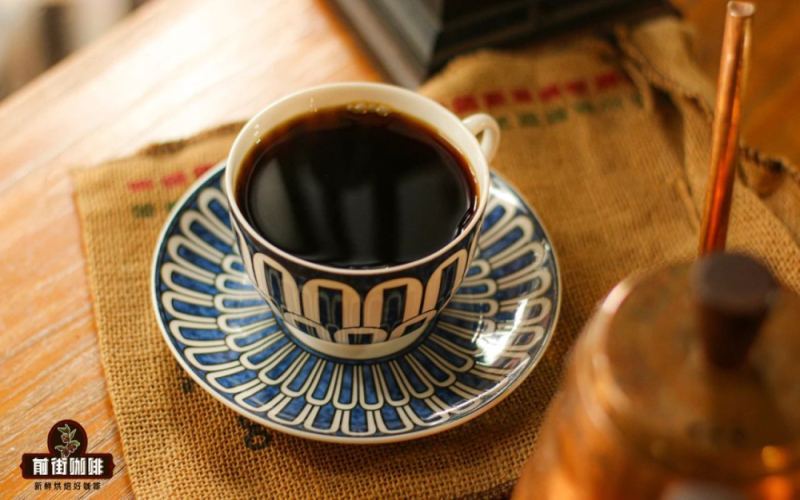
In the coffee world, low caffeine often means artificial processing, but nature has given us an exception—Laurina, academically known as Coffea Laurina. Due to genetic degeneration, this variety naturally contains only 0.5% caffeine content and has outstanding flavor, yet it is rare and expensive because of its extremely low yield. It once swept across Europe in the 18th century, with even King Louis XV of France and the literary giant Balzac among its devotees, but it nearly became extinct due to disasters such as hurricanes and pests and diseases. It was not until Yoshiteru Kawashima of Ueshima Coffee in Japan spent years searching that this legendary variety was revived. This article will introduce the origin, extinction, and revival story of Laurina, as well as the brewing parameters and flavor performance tested by Front Street Coffee. [more…]
Pointed Bourbon: A Rare Naturally Low-Caffeine Coffee Variety, Full Analysis of Flavor and History
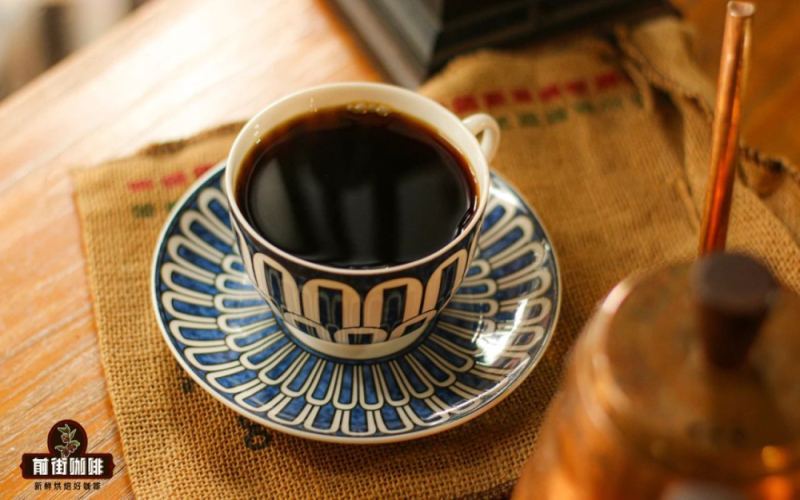
Bourbon Pointu is a rare coffee variety with a natural caffeine content of only 0.5%, named for its narrow, elongated beans with pointed ends. It is naturally low in caffeine due to genetic degradation and has outstanding flavor, but its yield is extremely low and it is susceptible to leaf rust and black spot disease, having once become extinct. In the 18th century, it was highly praised by Louis XV and Balzac, but later disappeared due to disasters, and was only rediscovered and revived in 2001. At the 2018 World Coffee Brewing Championship, Swiss competitor Emi Fukahori won the championship using it, proving its exceptional quality. This article will introduce in detail the characteristics, history, flavor of Bourbon Pointu, and Front Street Coffee's brewing parameters. [more…]
Pointed Bourbon: The Natural Low-Caffeine Coffee Legend of Réunion Island, the Origin of the Mocha Variety and Darling of Royalty
Laurina, also known as Pointed Bourbon, is a rare coffee variety originating from Réunion Island. It is not only one of the most primitive subspecies of the Bourbon family but is also considered a parent of the Mocha variety, making it the source of coffee trees in Latin America. This coffee tree has smaller leaves and fruits than regular Bourbon, with slender pointed fruits and a low, Christmas-tree-like shape. Its caffeine content is only half that of regular Arabica, making it a natural low-caffeine coffee. In the 18th century, Pointed Bourbon was highly sought after by European royalty for its excellent flavor, and Louis XV once praised it as the best coffee in the world; however, a series of hurricanes and diseases in the 19th century nearly caused it to disappear from history. It was not until 1999, after Japanese experts searched unsuccessfully, that local botanists, through years of effort, finally found wild mother trees and gradually cultivated them, allowing this legendary variety to be reborn. Today, the Pointed Bourbon offered by Front Street Coffee features flavors of peach, honey pomelo, wild apple, and orchid, with a mouthfeel as rich as hundred-flower honey. [more…]
Front Street Coffee Colombia Las Nubes Estate Bourbon Pointu: The Balanced Flavor and Rare Heritage of Naturally Low-Caffeine Coffee
Bourbon Pointu is an extremely rare naturally low-caffeine variety in the coffee world, with a caffeine content of only about 0.6%, yet its flavor is renowned for being balanced, clean, and gentle. The Colombian Las Nubes Estate Bourbon Pointu launched by Front Street Coffee comes from the Yacuanquer Valley and was transplanted under the direction of Camilo Merizalde, the source of multiple WBC champion beans, with an annual output of only a few tons. This article will introduce in detail the origin background of this bean, its processing and roasting methods, brewing suggestions, and the complete flavor performance from dry aroma to sweet aftertaste, taking you to experience its unique charm that is restrained yet full of substance. [more…]
An Analysis of the Pointed Bourbon Coffee Variety: A Complete Guide to Its Naturally Low-Caffeine Traits, Historical Rise and Fall, and Flavor and Brewing
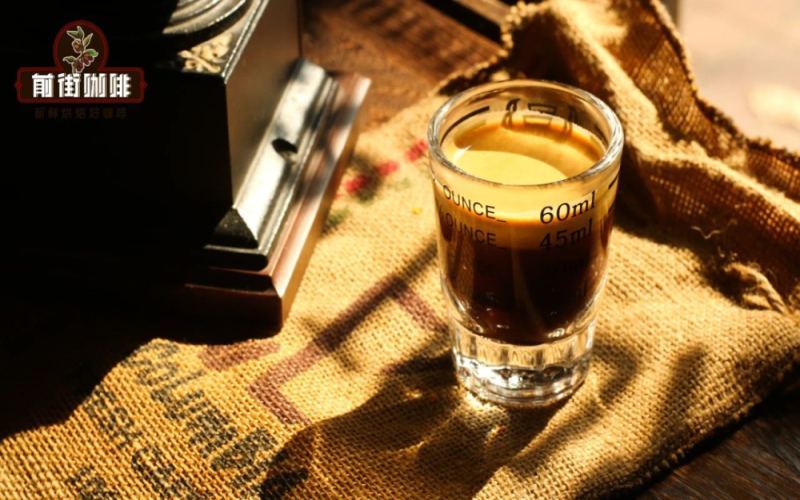
Bourbon Pointu is a natural coffee variety with extremely low caffeine content, academically known as Coffea Laurina. Its beans are slender and pointed at both ends, and due to genetic degeneration, its caffeine content is only about 0.5%, requiring no artificial decaffeination, yet it has low yields and outstanding flavor, earning it a reputation as a rare variety in the coffee world. It was once popular on Bourbon Island in the 18th and 19th centuries, then nearly went extinct due to disasters, and was later rediscovered and revived by Japanese Ueshima Coffee expert Yoshiaki Kawashima. At the 2018 World Brewers Cup, Swiss competitor Emi Fukahori won the championship using Bourbon Pointu from Brazil's Daterra estate, defeating Geisha and drawing attention once again. In this article, Front Street Coffee will provide a comprehensive interpretation of this legendary coffee, from its history and variety characteristics to brewing parameters and flavor. [more…]
Who Is Decaf Coffee Suitable For? | What's the Difference Between Decaf and Regular Coffee? Is Decaf Coffee Specialty Coffee? Recommended Low-Caffeine Pour-Over Coffee Beans
Some people love the aroma of coffee but can't enjoy it, because drinking coffee gives them palpitations, insomnia, stomach pain, and other adverse reactions. So is there a low-caffeine coffee option? How low can its caffeine content be? First, let's understand what caffeine is. Caffeine is a plant [more…]
How Does Swiss Water Process Decaf Coffee Taste? An Analysis of the Differences Between Naturally Low-Caffeine and Artificially Decaffeinated
Excessive caffeine intake can easily cause discomfort such as insomnia and palpitations, with the effects being even more pronounced in people who are sensitive to caffeine. Generally, it is recommended that adults consume no more than 400mg of caffeine per day, roughly equivalent to 5 cups of pour-over made with 15g of beans or 4 cups of espresso made with 20g of beans. If you want to drink more coffee while keeping caffeine intake under control, decaf coffee is the ideal choice. Decaf coffee falls into two categories: naturally grown and artificially decaffeinated. Starting from caffeine content, this article will introduce the natural differences between Arabica and Robusta, and focus on explaining the decaffeination principles and flavor performance of the Swiss Water Process, while also comparing the differences between natural low-caffeine coffee and artificially decaffeinated coffee, to help coffee lovers make a choice that suits them better. [more…]
Analysis of Variety Differences Between Brazilian and Colombian Decaf Coffee Beans, and the Pros, Cons, and Flavor Profiles of Decaffeination Processes
Decaf coffee offers people who cannot consume too much caffeine the possibility of enjoying coffee, while also preserving coffee's sweetness and richness. Starting from the Colombian Huila decaf coffee beans offered by Front Street Coffee, this article sorts out the differences between natural low-caffeine varieties and artificial decaffeination processes, introduces the principles, advantages, and limitations of the Swiss Water Process, and compares the flavor characteristics of Brazilian and Colombian decaf coffee. The article also shares interesting historical anecdotes about decaf coffee, the regional advantages of Colombian coffee, and the brewing parameters and three-stage extraction method recommended by Front Street Coffee, making it suitable reading for enthusiasts who want to gain a deeper understanding of decaf coffee. [more…]
Does decaf coffee actually contain caffeine? A full analysis of decaf coffee's alerting effect and flavor characteristics
Many people love the aroma and taste of coffee, yet have to avoid it due to caffeine sensitivity or health reasons. Decaf coffee has therefore become an alternative, but is it truly completely caffeine-free? Can low-caffeine coffee still perk you up? And is its taste and flavor worth a try? This article explains the caffeine residue standards for decaf coffee, common decaffeination processes, and the differences in bitterness and stimulating effects, helping coffee lovers gain a clearer understanding of what low-caffeine coffee is really like. If you are looking for coffee products that offer both flavor and low caffeine intake, Front Street Coffee also has relevant recommendations for reference. [more…]
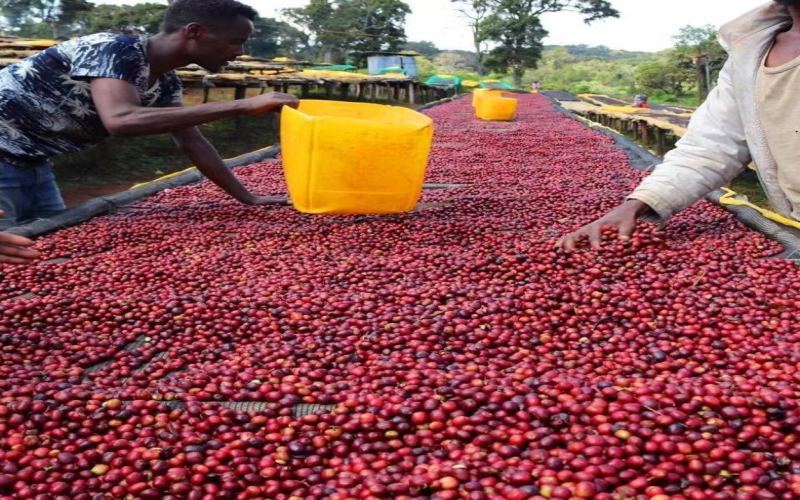
Low-Caffeine Pour-Over Coffee Bean Recommendations: A Selection Approach from Taste Direction to Brewing Method
The flavor of a cup of coffee isn't just about sourness or bitterness—it also includes aroma, sweetness, body, mouthfeel, and finish. When choosing beans, first decide whether you want floral and fruity notes, nutty and cocoa notes, or a balance between the two, then match that to the corresponding region, processing method, and roast level. The flavor of pour-over is mainly determined by region, variety, [more…]
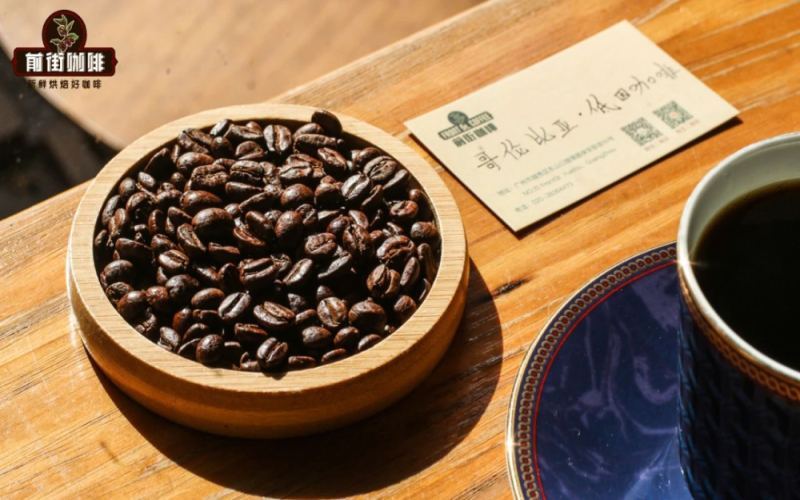
In-Depth Analysis of Decaf Coffee: Decaffeination Principles, Mainstream Processing Methods, and Pros and Cons of Naturally Low-Caffeine Varieties
For those who want to savor coffee yet worry about caffeine affecting their sleep, decaf coffee is undoubtedly a thoughtful choice. But how exactly is coffee decaffeinated? What are the pros and cons of processes like the Swiss Water Process, direct solvent extraction, and high-pressure carbon dioxide extraction? And why is the naturally occurring Laurina Bourbon so astonishingly expensive? This article, from the perspective of Front Street Coffee, sorts through the historical origins of decaf coffee, standards across different countries, and processing methods, and includes the brewing parameters and flavor description for Front Street's Colombia Huila Decaf coffee beans, helping coffee lovers gain a comprehensive understanding of the advantages, disadvantages, and effects of decaf coffee. [more…]
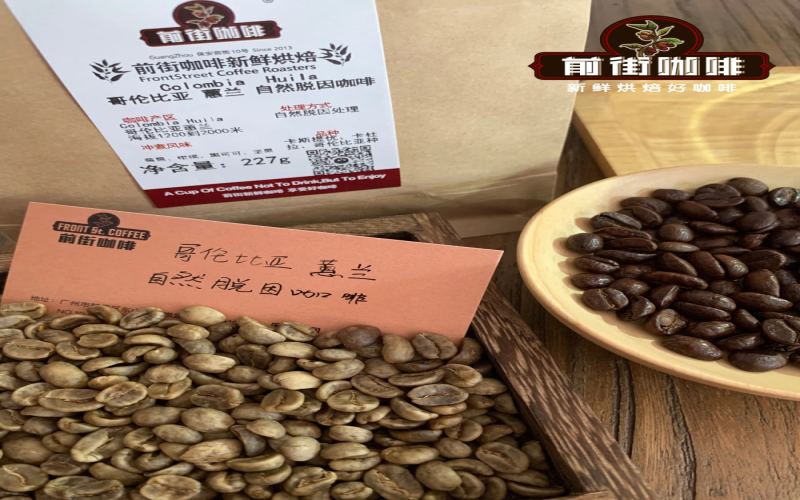
Swiss Water Decaf Process | What flavor and mouthfeel does Colombian decaf coffee have when brewed as pour-over black coffee? Low-caffeine specialty pour-over coffee bean recommendations
For more specialty coffee knowledge, please follow our WeChat official account: Front Street Coffee (FrontStreet Coffee). In modern society, coffee is not only used to stay alert, but more so as a way of life. Decaf coffee has begun to appear on the market to satisfy those who have trouble sleeping due to caffeine intake or [more…]
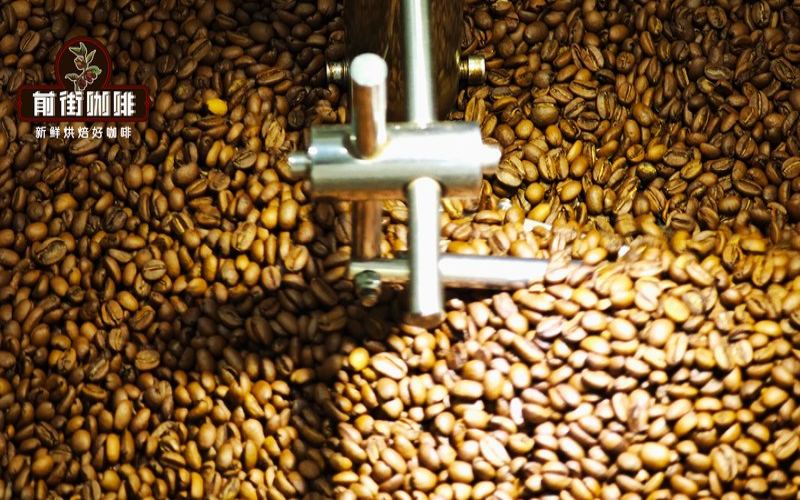
How to Choose Low-Caffeine Hand-Brew Beans: Flavor and Brewing by Roast Level
If you want to reduce your caffeine intake, you can start with the roast level when choosing beans for pour-over, but you can't directly equate light or dark roast with high or low caffeine. Light-roasted beans usually retain more of the aromas of their origin, while dark-roasted beans lean more toward caramel, cocoa, and roasty notes. What truly affects your intake also includes the bean variety, the number of grams used, the cup size, and the extraction efficiency. For example, [more…]
Naturally Low-Caffeine Pointed Bourbon: The Legendary Coffee from Near Extinction to World Champion
Decaf coffee usually relies on artificial processing to reduce caffeine, but in nature there actually exists a variety with naturally very low caffeine content—Laurina. Its caffeine content is only about 0.5%, its flavor is outstanding yet its yield is scarce. It was once all the rage in Europe in the 18th century, and was also once thought to be extinct. Later, through the search by Japanese UCC expert Yoshinori Kawashima, Laurina was rediscovered on Bourbon Island (Réunion) and revival cultivation began. At the 2018 World Brewers Cup, Swiss competitor Emi Fukahori even used Laurina from Brazil's Daterra estate to defeat many Geisha entries and win the championship. This article will take you through the history of Laurina, its varietal characteristics, as well as Front Street Coffee's brewing parameters and flavor performance. [more…]
Reunion Island's Pointed Bourbon: The Rise and Fall of a Naturally Low-Caffeine Legendary Variety and Its Flavor Characteristics
Bourbon Pointu is one of the most legendary varieties in the coffee world, sharing fame with Geisha yet standing apart due to its naturally very low caffeine content and delicate flavor. It originated on Réunion Island (formerly known as Bourbon Island) and is a natural mutation of Bourbon coffee, with an elongated bean shape and sharp points at both ends. In the 18th century, it was favored by King Louis XV of France and the writer Balzac. Around 1800, annual production reached 4,000 metric tons, but it nearly disappeared due to hurricanes, fire ants, leaf rust, and other disasters. By 1942, only 200 kilograms remained and were shipped back to France, and it was widely considered extinct. It was not until 1999 to 2007, through joint efforts by France and Japan, that it was successfully revived. This article will review the cultivation history, flavor characteristics, and caffeine data of Bourbon Pointu, and include Front Street Coffee recommendations and V60 pour-over parameters. [more…]
Decaf Coffee Recommendations | How Is Decaf Coffee Processed? Is Low-Caffeine Coffee Caffeine-Free? Does Colombian Decaf Coffee Taste Good?
For more specialty coffee knowledge, please follow our WeChat public account: Front Street Coffee (FrontStreet Coffee). In modern society, coffee is not only used to stay awake, but more of a lifestyle. Decaf coffee has begun to appear on the market to satisfy those who have trouble sleeping due to caffeine intake or [more…]
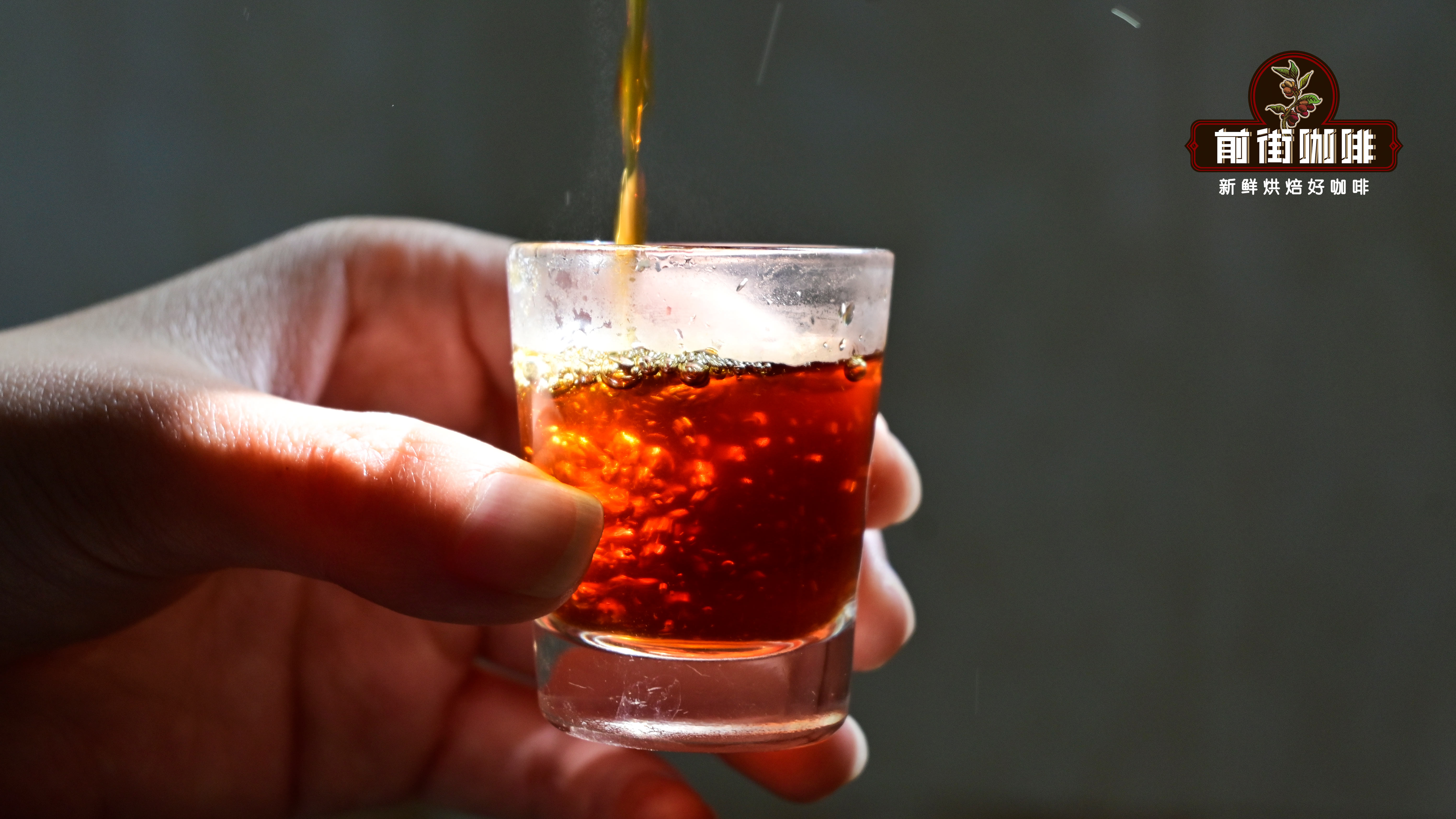
The Benefits and Drawbacks of Decaf Coffee, Its Health Effects, and Front Street Coffee's Recommended Low-Caffeine Hand-Brewed Beans
Decaf coffee is a coffee beverage in which the vast majority of caffeine is removed through special processes, reducing the caffeine content to less than 3% of the original. Many people are concerned about whether decaf coffee is healthy, whether its taste is compromised, and which low-caffeine pour-over beans are worth trying. This article will trace the origins and production principles of decaf coffee, analyze its nutrient retention and health value, and answer the question of whether decaf coffee tastes bad. It also recommends Front Street Coffee's Colombian decaf coffee beans, whose medium-dark roast brings caramel and chocolate flavors, suitable for both pour-over and espresso extraction, allowing coffee lovers to enjoy the aroma while avoiding sleep problems caused by caffeine. [more…]