Who Should Choose Decaf Coffee Instead of Regular Coffee?
Decaf coffee suits people who enjoy the aroma and ritual but react badly to caffeine with heart palpitations, insomnia or stomach pain. It is not caffeine-free: beans have caffeine extracted from the green stage before roasting, and USDA rules require the level to fall below 3% of the original content. A 12-ounce cup that would hold 180 mg may end up near 5.4 mg.
Caffeine is a plant alkaloid and the most widely consumed central nervous system stimulant, which is why coffee works as a stimulant and why sensitivity varies with genetics. Most adults are advised to stay under 400 mg of caffeine a day, about four cups. Bean variety matters too, since Robusta carries more caffeine than Arabica.
Some friends love the aroma of coffee but can't enjoy it, because drinking coffee causes them heart palpitations, insomnia, stomach pain, and other adverse reactions. So is there a low-caffeine coffee option? How low can its caffeine content be?
First, let's understand what caffeine is.
Caffeine is a plant alkaloid and the most consumed central nervous system stimulant in the world. It can provide a refreshing effect and also has important uses in clinical medicine. However, due to genetic differences, different people have different absorption capacities and degradation methods for caffeine, resulting in different reactions. At the same time, excessive intake of caffeine can also lead to adverse reactions. (Normally, each person should not exceed 400 milligrams of caffeine intake per day, about 4 cups of coffee)

What exactly is decaf coffee?
Actually, decaf coffee is not 100% caffeine-free; it just has a relatively low caffeine content. Decaffeinated Coffee (Decaf for short) is coffee made from beans that have had the caffeine in the green beans extracted and removed in advance through special processing methods before roasting. According to the requirements of the United States Department of Agriculture, the caffeine content in coffee beans after decaffeination should be reduced to less than 3% of the original caffeine content. For example, a 12-ounce (about 354 milliliters) cup of coffee might originally contain 180 milligrams of caffeine, while in decaf coffee it would be reduced to about 5.4 milligrams.
It is worth noting that, proportionally speaking, the caffeine in decaf coffee is indeed greatly reduced, but this does not mean it can be doubled without concern. Different varieties of coffee beans, different brewing methods, and so on will all affect the caffeine content. For example, Robusta coffee beans have a higher caffeine content than Arabica coffee beans.

Decaf Coffee Recommendation
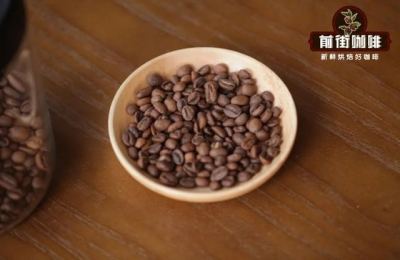
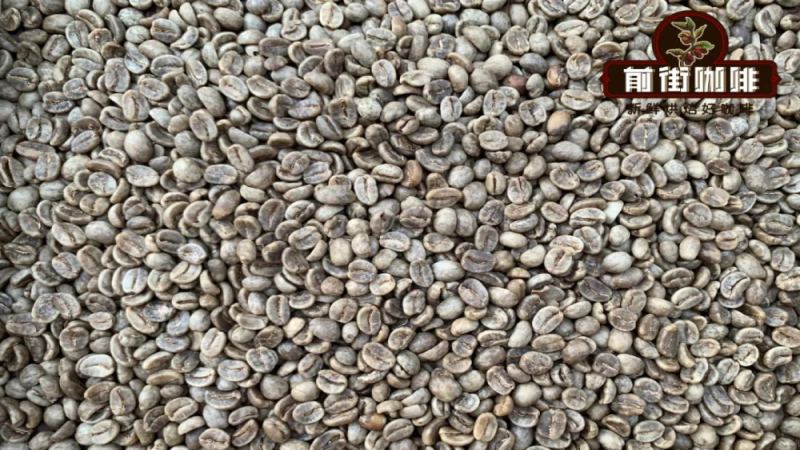
Front Street Coffee (FrontStreet Coffee) has also introduced a Colombian Huila decaf coffee bean using the Swiss Water Process to share with everyone

Front Street Colombia Huila Decaf Coffee Beans
Region: Colombia, Huila
Altitude: 1,750 meters
Varieties: Typica, Caturra, Castillo
Processing Method: Swiss Water Process
Grade: Supremo
Flavor: Dark chocolate, caramel, nuts, full-bodied.
The above content is compiled by CoffeeHunters, a coffee news website.