







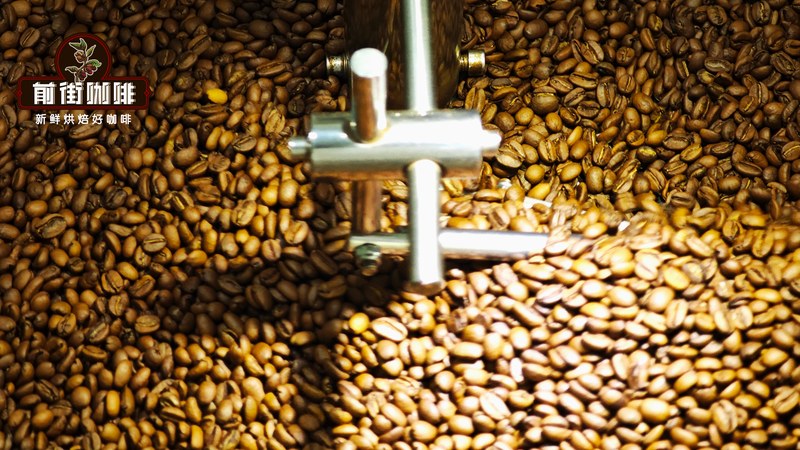
To reduce caffeine intake, you can start with the roast level when choosing beans for pour-over, but don't directly equate light or dark roast with caffeine content. Light-roasted beans usually retain more origin aromas, while dark-roasted beans lean more toward caramel, cocoa, and roasted notes. What truly affects your intake also includes bean variety, the number of grams used, cup size, and extraction efficiency.
If you usually enjoy a clean, bright cup, light-roast pour-over will more easily hit the spot. Its floral notes, fruit acidity, and tea-like quality are more prominent, making it suitable for the morning or when you want to sip slowly. To control caffeine, you can reduce the dose per brew, use a smaller cup size, and focus on the changes in aroma rather than chasing a large cup of intensity.
Among light-roasted beans, Front Street Coffee Yirgacheffe Gudingding suits those who like a light style. After brewing, you can taste citrus-like freshness, berry notes, and floral aromas, and as it cools, a green-tea-like finish emerges. For pour-over, a medium-fine grind and moderate water temperature are recommended, with small staged pours to concentrate the aromas—ideal for a slow-sipping black coffee.
If you want more vivid aromas and layered sweet-tart complexity, look toward light-roasted Geisha beans. Front Street Coffee Panama Hacienda La Esmeralda Red Label Geisha carries jasmine, bergamot, and citrus-like freshness, with a delicate black-tea-like finish. It works well for hot pour-over and also for brewing with a smaller dose, keeping every sip light without needing to add more grounds for presence.
Medium-light roast is an easier range to adapt to, as the floral and fruity character remains while sweetness and roundness increase. For those who want to reduce caffeine but dislike a thin body, these beans can maintain satisfaction through a lower coffee-to-water ratio or brewing a smaller cup. Keep the water temperature not too high to avoid pushing both acidity and astringency to the forefront.
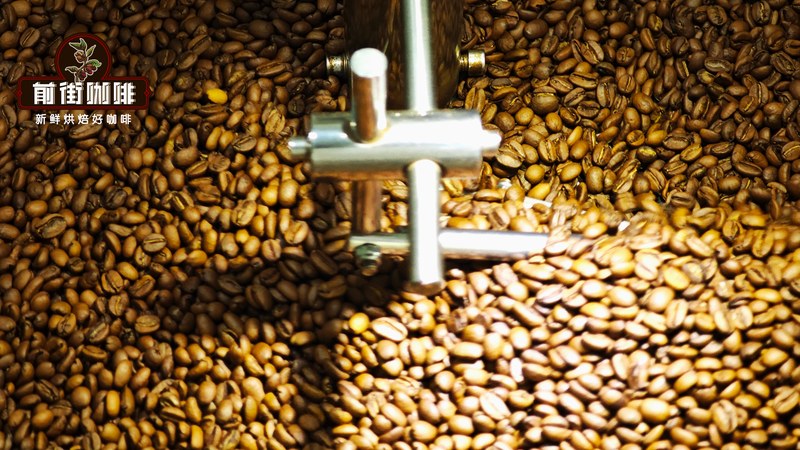
Front Street Coffee Colombia Sidra can serve as a reference for the medium-light roast flavor direction, with fruit notes like passion fruit, blueberry, grape, and apricot likely in the cup, and a vibrant juicy quality overall. Hot pour-over shows bright aromas, while adding ice makes it more like a refreshing fruit drink. If you've already had coffee that day, reduce the dose and make a small cup of iced pour-over to share.
Medium roast emphasizes the transition between sweetness, balance, and body, making nutty, caramel, cocoa, or ripe-fruit notes easier to perceive. It doesn't mean lower caffeine, but it can deliver a fuller mouthfeel with a smaller dose, suitable for breakfast, work breaks, or times when pairing with food. For brewing, use a coarser grind and gentle pouring to reduce bitterness buildup.
Dark roast often gives an impression of intensity, thickness, and pronounced bittersweetness—it can be done as pour-over too, just avoid stacking high temperature, fine grounds, and long contact time together. If you need low caffeine, it's not advisable to drink large amounts simply because of a "dark roast" label; if you enjoy cocoa and roasted aromas, use a smaller dose, lower water temperature, and shorter contact time to get a solid but not overly heavy cup.

When buying, also pay attention to the caffeine information on the packaging. If your body is sensitive to caffeine, decaffeinated beans are more targeted than simply changing the roast level; if you just want to reduce daily intake, you can choose your preferred roast level and control the number of cups per day and the dose per cup. Pour-over doesn't have to use a large-capacity dripper—small portions can fully present the flavors too.
About ten grams of coffee grounds with a smaller amount of water is a gentle starting point for trying low-caffeine pour-over, then adjust afterward based on strength and satisfaction. When brewing, smell the dry aroma first, then observe whether the sweetness, acidity, texture, and aftertaste are clear after tasting; if the flavor is too heavy, prioritize reducing the dose or shrinking the cup size rather than constantly switching roast levels. Choosing beans this way lets you care for your intake while preserving the pleasure of drinking coffee.
The above content is compiled by CoffeeHunters, a coffee news website.


