







What Is Swiss Coffee Decaffeination and How Do Beans Compare?
Decaf coffee lets people who cannot handle much caffeine keep drinking coffee while retaining sweetness and body. The Swiss Water Process removes caffeine without chemical solvents, and it has limits as well as advantages. Natural low-caffeine varieties differ from artificially decaffeinated beans, and Brazilian and Colombian decaf lots do not taste the same.
Colombian Huila decaf beans are smooth and balanced, sweetly aromatic when roasted, without the citrus-lemon acidity of Ethiopian Yirgacheffe or the tomato-like brightness of Kenyan coffee; they sit closer to Brazilian coffee but with less of its peanut-butter intensity. Caffeine also appears in hot cocoa, soft drinks and tea, and heavy long-term intake may cause insomnia or palpitations, so pregnant women, adolescents and sensitive drinkers should moderate intake.
Decaf coffee offers people who cannot consume excessive caffeine the possibility of enjoying coffee, while also preserving its sweetness and richness. Starting from the Colombian Huila decaf coffee beans launched by Front Street Coffee, this article sorts out the differences between natural low-caffeine varieties and artificial decaffeination processes, introduces the principles, advantages, and limitations of the Swiss Water Process, and compares the flavor characteristics of Brazilian and Colombian decaf coffee. The article also shares interesting historical anecdotes about decaf coffee, the regional advantages of Colombian coffee, and Front Street Coffee's recommended brewing parameters and three-stage extraction method, making it suitable for enthusiasts who want to gain a deeper understanding of decaf coffee.
With global exchanges becoming increasingly frequent, coffee has gradually been accepted and loved by people around the world. Coffee contains a relatively large amount of caffeine, which can help refresh the mind and keep people alert, so it has gradually developed into a worldwide beverage. In fact, caffeine is not only found in coffee. Hot cocoa, various drinks, and even the tea we drink daily also contain a certain amount of caffeine.
Although caffeine has certain positive effects on the human body, Front Street Coffee still recommends that daily coffee consumption be kept moderate. Long-term excessive caffeine intake may cause discomfort such as insomnia and palpitations; pregnant women, adolescents, and people with caffeine sensitivity should especially control their caffeine intake. For groups who cannot consume too much caffeine for health reasons, the arrival of decaf coffee precisely meets their need for coffee, and thus decaf coffee has gradually entered the public eye.
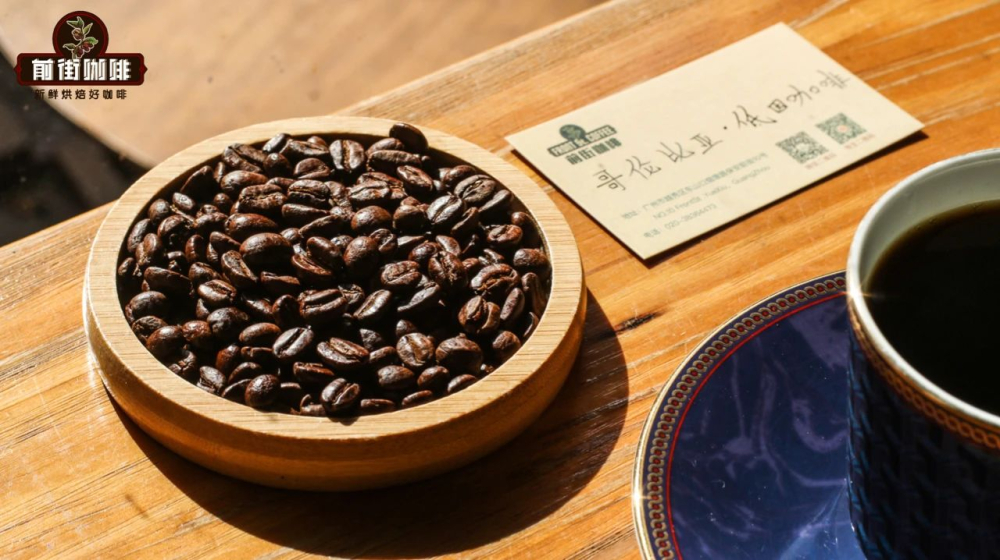
Front Street Coffee has also launched a Colombian Huila decaf coffee bean . As is well known, Colombian coffee has long enjoyed the reputation of "green gold," and its mouthfeel is very smooth, with an outstanding balance. When Front Street Coffee roasts Colombian coffee beans, they give off a sweet aroma with a faint fragrance. They do not have the citrus-lemon-like acidity of Ethiopian Yirgacheffe, nor the fresh acidity of Kenyan cherry tomatoes. Instead, they are somewhat similar to Brazilian coffee , but not as intense as Brazil's peanut-butter flavor. Colombian decaf coffee beans present more of a sweet nutty and chocolatey taste, leaving a long, pleasant aftertaste.
Colombia Huila Swiss Water Process Decaf Coffee
Region Huila
Altitude 1,750 meters
Varieties Typica, Caturra, Castillo
Harvest Season 2020
Flavor Dark chocolate, cream, nuts, citrus, smooth mouthfeel
Most decaf coffee available on the market today relies on artificial processing to reduce the caffeine content in coffee. However, natural low-caffeine coffee does exist in nature. Generally speaking, regardless of roast level, the caffeine content of Arabica coffee is about half that of Robusta coffee. Among natural low-caffeine varieties is Bourbon Pointu. Unlike artificially processed decaf coffee, Bourbon Pointu has lower caffeine content than ordinary Arabica due to genetic degeneration, and its flavor performance is also quite good.
In 2004, Brazilian scientists announced that they had discovered another three precious low-caffeine coffee trees in the primitive forests of Ethiopia in Africa. However, this type of low-caffeine coffee tree grows more slowly than normal coffee trees, so Brazilian scientists tried to crossbreed this natural low-caffeine coffee with other seedlings to accelerate the growth rate of low-caffeine coffee trees. Front Street Coffee believes that in the near future we will be able to drink natural decaf coffee.
The Colombian decaf coffee beans launched by Front Street Coffee also have excellent flavor, with a rich taste and full body, carrying a slight sweet finish of vanilla and dark chocolate. This unique taste is inseparable from the high-quality coffee beans of the country of Colombia. Colombian coffee enjoys a very high reputation in the coffee world. Colombia is the world's third-largest coffee producer and borders Panama, which is rich in Geisha coffee varieties. Colombia's high altitude, volcanic terrain, and towering mountain ranges provide very favorable growing conditions for Arabica coffee beans and greatly help the formation of coffee flavor.
Therefore, Colombian coffee also established its own brand. The Colombian coffee trademark is Uncle Juan, who is the representative image of Colombian growers and can also be regarded as the iconic figure of Colombian coffee. Because Colombian coffee is mainly grown in mountainous areas, coffee is usually transported by mules instead of vehicles, so Uncle Juan stands beside a mule, with the famous Andes Mountains behind him.
From this trademark, it can also be seen that Colombian coffee trees are generally planted at higher altitudes, so the coffee beans produced are of very high quality and are very suitable for making decaf coffee. In addition to growing the Caturra variety, Colombia also has three unique disease-resistant varieties, namely Castillo, Tabi, and the Colombia variety that shares the country's name. Colombia is the first country in the world to name a coffee brand after itself, which is enough to show that coffee holds a pivotal position in Colombia.
Front Street Coffee would also like to tell everyone an interesting story about decaf coffee. It is said that the emergence of decaf coffee is related to the famous German poet Goethe. He very much enjoyed drinking coffee at night to refresh his mind and facilitate poetry writing, but the large amount of caffeine also made it difficult for Goethe to fall asleep. So his good friend Runge came up with a way to separate caffeine from coffee beans.
Some people may ask Front Street Coffee, what exactly is decaf coffee? And how is decaf coffee processed from green coffee beans? Front Street Coffee will briefly introduce some information about decaf coffee here.
Usually, what Front Street Coffee refers to as decaf coffee means coffee that contains only a trace amount of caffeine. When you taste a coffee, its caffeine content does not exceed 0.3%. Simply put, the caffeine content in a cup of decaf coffee cannot exceed 5 milligrams. According to Front Street Coffee's understanding, decaffeination methods include direct or indirect solvent processes, supercritical carbon dioxide processing, the Swiss Water Process, and the mountain spring water process. At present, the most commonly used method is the Swiss Water Process, and the Colombian decaf coffee launched by Front Street Coffee also uses the Swiss Water Process. The general steps of the Swiss Water Process are:
1. Soak a batch of green coffee beans in hot water to dissolve out the caffeine.
2. Then pass the extract through an activated carbon filter to capture the larger caffeine molecules.
3. The treated flavor-rich water is reused to remove caffeine from fresh green coffee beans.
4. After repeating this many times, the water has become saturated with flavor compounds. When soaking the green coffee beans, only caffeine dissolves from the green beans into the water, so decaf coffee does not lose a large amount of flavor.
This method is simple to operate and does not produce pollution, which fits very well with the concept of environmental protection, so many merchants use this method to make decaf coffee. Of course, using this processing method also has certain drawbacks. For example, the green coffee beans used for the soaking liquid cannot be used again for production, which is very wasteful, and it also causes the processing cost of decaf coffee to be higher than that of ordinary coffee, so the selling price of decaf coffee is also relatively higher.
In fact, using the Swiss Water Process also has a certain impact on coffee flavor, and the flavor and acidity of decaf coffee will be somewhat weakened. The processing of green decaf coffee beans is more cumbersome than that of normal green coffee beans, and during processing they are very prone to oxidation and deterioration when exposed to air. Therefore, Front Street Coffee recommends not buying too much decaf coffee at one time and trying to finish drinking it within coffee's optimal flavor period.
Front Street Coffee Brewing Recommendations
Dripper: V60 dripper
Water temperature: 90°C
Dose: 15 g
Coffee-to-water ratio: 1:15
Grind size: medium-coarse grind (67% passing rate on Chinese standard No. 20 sieve)
Brewing method: three-stage extraction. Use 30 grams of water for a 30-second bloom, then pour in a small stream in circles until 125 grams, then pause for a stage; when the water level drops and is about to expose the coffee bed, continue pouring until 225 grams and stop pouring; when the water level drops and is about to expose the coffee bed, remove the dripper. The brewing time is 2 minutes.
For more specialty coffee beans, please add the private WeChat of Front Street Coffee (FrontStreet Coffee), WeChat ID: kaixinguoguo0925
The above content is compiled by CoffeeHunters, a coffee news website.


