







Search Results for: locally grown
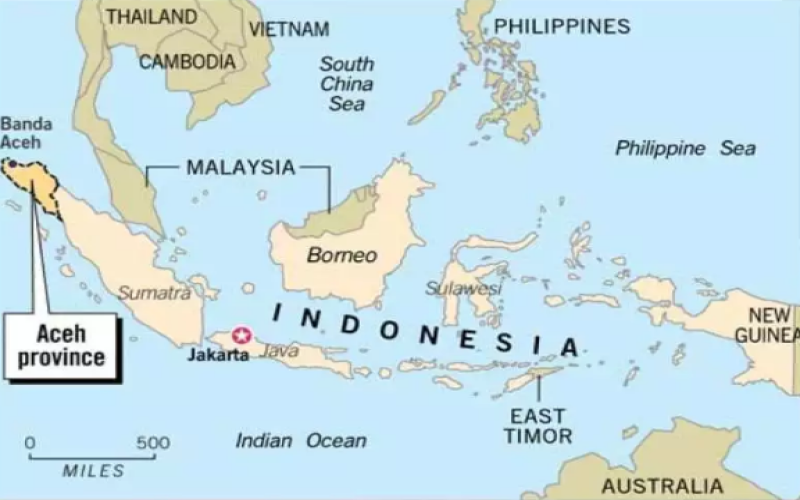
Sumatra Coffee Producing Region | Which coffee varieties are grown on the Indonesian island of Sumatra? Is Mandheling coffee an Arabica specialty coffee bean?
Sumatra is the second-largest island in Indonesia and the sixth-largest island in the world, a full thirteen times the size of Taiwan! The reason coffee is grown here is mainly because the Dutch East India Company, in the past, needed to supply the growing demand for coffee and increase colonial profits, and Sumatra itself lies in the Pacific Ring of Fire. [more…]
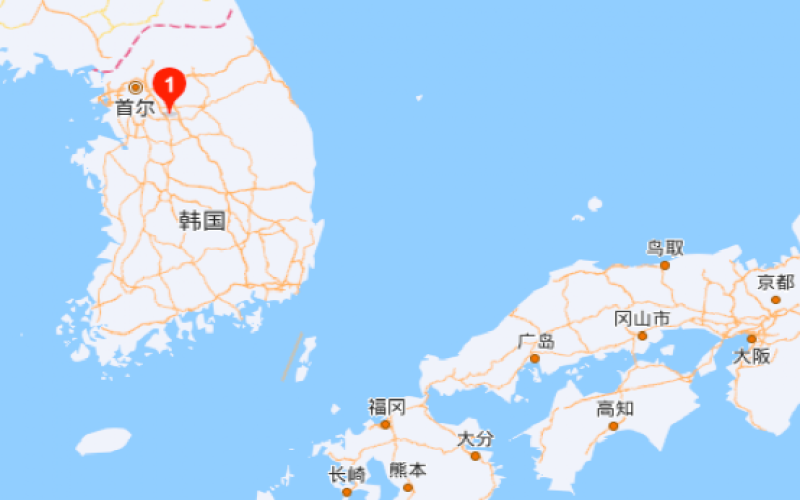
Korean Icheon coffee farm successfully cultivates Arabica Bourbon variety, marking the official start of the local coffee bean harvest season
Coffee cultivation has traditionally been concentrated in the golden belt between the Tropic of Cancer and the Tropic of Capricorn, but this pattern is now being continually challenged. A coffee experience farm in Icheon, South Korea, has successfully grown Arabica coffee beans and welcomed its harvest season, pushing the latitude of human coffee cultivation to a new high. The farm covers a total area of 2,000 pyeong, of which 800 pyeong are planted with about 2,000 coffee trees, including Yellow Bourbon and Red Bourbon varieties. To overcome the limitations of a climate with four distinct seasons, the farm uses facilities such as plastic greenhouses and shade cloth to keep the indoor temperature at around 15 degrees Celsius year-round. This coffee plantation is expected to harvest 5 to 7 tons of coffee cherries, ultimately producing 500 to 700 kilograms of green beans. As South Korea's coffee import value and number of coffee shops both hit new highs, whether locally grown coffee beans can become a new market favorite is worth continued attention. [more…]
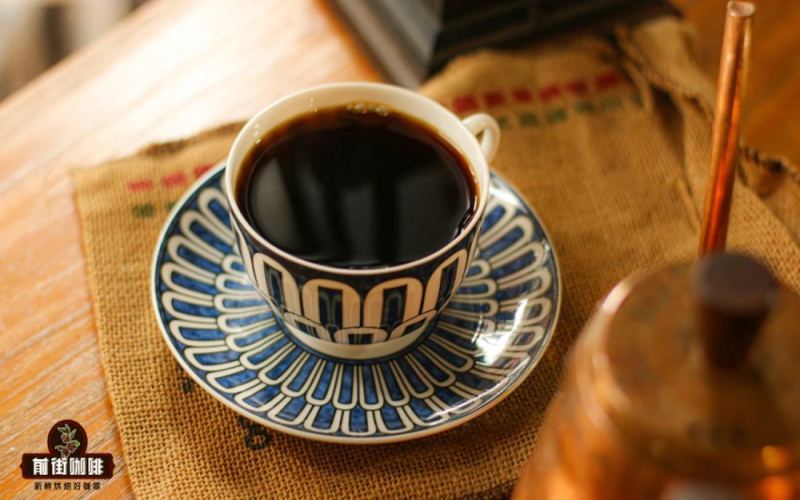
Yunnan Small Bean Coffee Roasting and Flavor Analysis: Acidity and Bitterness Differences Between Catimor and Typica and Regional Characteristics
Yunnan small-bean coffee is primarily cultivated with Catimor, and its deep historical ties with Typica have profoundly shaped the flavor trajectory of local coffee. Starting from the characteristics of the varieties, this article sorts through the differences between Typica and Catimor, the essential distinction between Arabica and Robusta, and introduces the terroir of Yunnan's major producing regions. The article also combines Front Street Coffee's practice at its own estate in Lincang to analyze the acidity and bitterness of Yunnan coffee and the appropriate roasting level, helping readers understand the development and potential of Yunnan beans on the path toward specialty coffee. [more…]
An Analysis of Specialty Coffee Origins in Honduras: Climate, Altitude, and the Flavor Characteristics of Front Street Coffee Beans
Honduras, located in northern Central America, is an ideal place for coffee cultivation thanks to its mild tropical climate and abundant rainfall. Local farmers ensure fruit quality through tree pruning and manual picking, and use washed and natural processing methods to create a soft, rich flavor. Honduras produces two quality grades, High Grown Coffee and Strictly High Grown Coffee, known for low acidity, high sweetness, and notes of black berries and caramel. Front Street Coffee's washed beans from the San Juan Citro region, after medium-dark roasting, present flavors of roasted nuts and milk chocolate, making them suitable for coffee lovers who enjoy a full-bodied taste. This article will guide you through the growing conditions, processing methods, and flavor profile of Honduran specialty coffee. [more…]
Top Ten Most Expensive Coffee Beans in the World: A Complete Guide to Origins and Flavors of Geisha, Kopi Luwak, Blue Mountain, and Other Famous Varieties
Coffee is grown in over seventy regions around the world. As cultivation and processing techniques continue to advance, a diverse array of coffees has emerged, with prices spanning an extremely wide range. If we judge by selling price, which coffees can claim a place among the most expensive? In this article, Front Street Coffee takes you through the world's top ten most expensive premium coffees one by one, covering Panama Geisha, Indonesian Kopi Luwak, St. Helena, Hawaiian Kona, Brazil's Fazenda Santa Ines, Jamaican Blue Mountain, El Salvador's Los Planes, Honduras's El Esperanza, Rwanda's Blue Bourbon, and Puerto Rico's Yaucono Select. From terroir and varietal characteristics to flavor expression and market conditions, we present a comprehensive picture of these rare coffees' unique allure and the reasons behind their high prices. [more…]
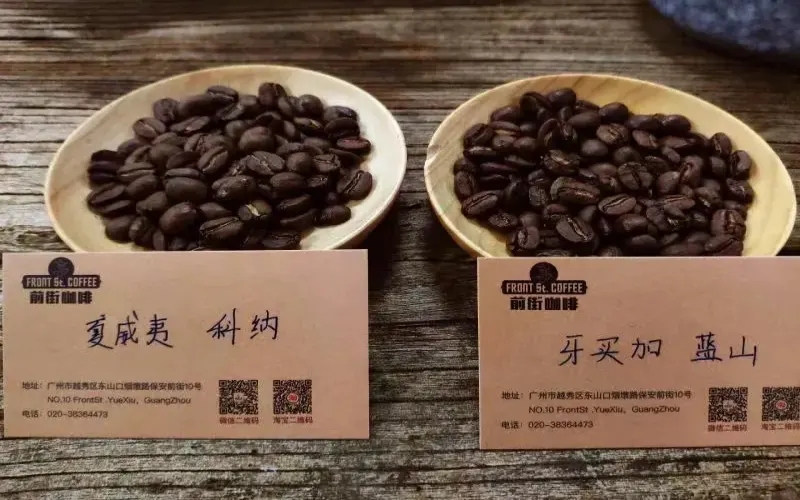
Hawaiian Kona, known as the Queen of Coffee, what coffee bean variety exactly is it?
Among developed Western countries, Hawaii in the United States is an extremely rare coffee-producing region. Blessed by an island climate, it can still cultivate high-quality coffee despite limited elevation. Coffee was once grown on several Hawaiian islands, but after a pest infestation, the Kona region became almost the sole pillar. Kona mainly cultivates Typica, introduced from Guatemala by sugar farmers in 1874. Under the island climate, it exhibits soft acidity and moderate body, and was named "Kona Typica" by locals. After World War II, the Japanese market favored it greatly, and Kona Typica earned the name "Queen of Coffee" for its plump fruit and translucent color. Front Street Coffee recommends paying attention to this legendary region. [more…]
A Complete Guide to Hawaiian Kona Coffee Beans: Terroir, History, and Grading and Processing Methods Explained
Kona coffee comes from the western coast of the Big Island of Hawaii in the United States. It is as famous as Jamaican Blue Mountain coffee, and together they have long been praised as "one king and one queen." The unique island climate and volcanic soil here allow coffee to grow full and flavorful even at the relatively low elevation of 200 to 800 meters. From coffee first being introduced in 1817, to missionaries promoting large-scale cultivation, to Guatemalan Typica replacing Brazilian varieties, Kona coffee endured pests and waves of industry change before finally achieving its current specialty status. Its green beans are known for their plump, jade-like appearance, and strict grading standards and hand sorting ensure quality. This article will systematically introduce the terroir conditions, historical development, green bean grading, and washed processing method of the Kona producing region, and share Front Street Coffee's roasting and brewing suggestions, giving you a comprehensive understanding of this world-class specialty coffee. [more…]
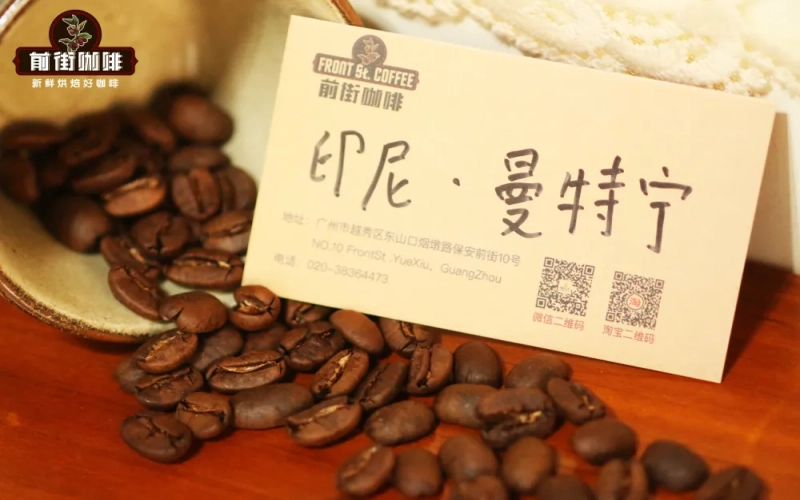
Sumatra Coffee and Mandheling: A Comprehensive Analysis of the Origin of the Producing Region, the Source of the Name, and the Grading System
Mandheling is the iconic representative of Indonesian Arabica coffee, often simply called "Sumatra coffee." Behind this name lies Sumatra's unique geographical layout, volcanic soil, earliest harvest season, and core producing regions such as Lintong, Lake Toba, Lake Tawar, and the Gayo highlands. The article also explains how the wet-hulling process gives Mandheling its full-bodied, low-acidity flavor, outlines Indonesia's G1–G6 green bean grading standards, and explains how PWN (Pwani Coffee Company) defines "Golden Mandheling," while also retaining product information for Front Street Lintong Mandheling and Front Street PWN Golden Mandheling. [more…]
A Complete Guide to the World's Twelve Great Specialty Coffee Regions: The Flavor Geography from Colombia to India
The flavor code of coffee is often hidden in the land where it grows. From the Andes in South America to the highlands of Africa, from the Caribbean islands to the archipelagos of Asia, each producing region shapes an unrepeatable landscape in the cup through its unique climate, altitude, and processing methods. This article will take you on a visit to twelve globally recognized high-quality coffee origins—Colombia's balanced smoothness, Ethiopia's wild wine-like aroma, Jamaica Blue Mountain's scarce legend, Yemen Mocha's complexity and variability, as well as the distinctive personalities of Kenya, Indonesia, Hawaii, and other places. Whether you are a beginner pour-over enthusiast or a seasoned player looking for your next bag of beans, this origin guide can help you build a clearer flavor coordinate system. Front Street Coffee will also accompany you in understanding the origins while finding the cup that suits you. [more…]
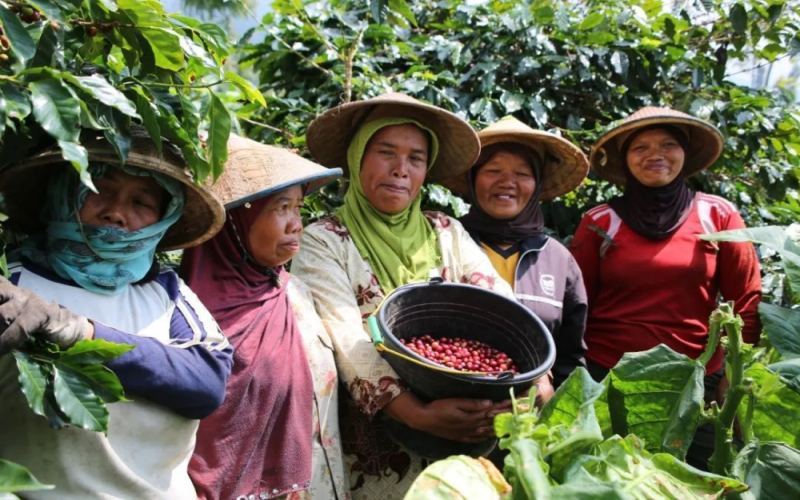
How to drink Aceh Medan coffee? A full analysis of Sumatra Mandheling flavor and the wet-hulling method
Indonesia's Sumatra Mandheling coffee is one of the representatives of Asian coffee, and the Aceh producing region along with Lake Toba and Lake Tawar around Medan are the core areas. This article begins with the origin of the name Mandheling, Indonesia's coffee-growing environment, and the differences between producing regions such as Mount Gayo in Aceh and Lintong, then takes a deep dive into how Sumatra's unique wet-hulling process shapes a coffee flavor that is full-bodied, low in acidity, and carries spicy, herbal notes. It also includes the flavor characteristics of Front Street Lintong Mandheling and Golden Mandheling, along with KONO dripper brewing parameters, to give you a complete understanding of Aceh coffee's taste and how to drink it. [more…]
Ethiopian Coffee: A Comprehensive Guide to Origin Grading, Flavor Characteristics, and Local Brands
As the birthplace of coffee, Ethiopia, with its exceptional natural conditions, nurtures a diverse range of high-quality Arabica coffees. From forest and semi-forest to garden cultivation, from washed to natural processing, each coffee carries a unique terroir imprint. This article systematically reviews Ethiopia's coffee cultivation models, processing methods, grading and quality control systems, provides detailed flavor profiles and annual production of six renowned regions, and includes contact information for trade-related institutions and associations. Meanwhile, the selection of Ethiopian beans recommended by Front Street Coffee will also offer purchasing references for enthusiasts. [more…]
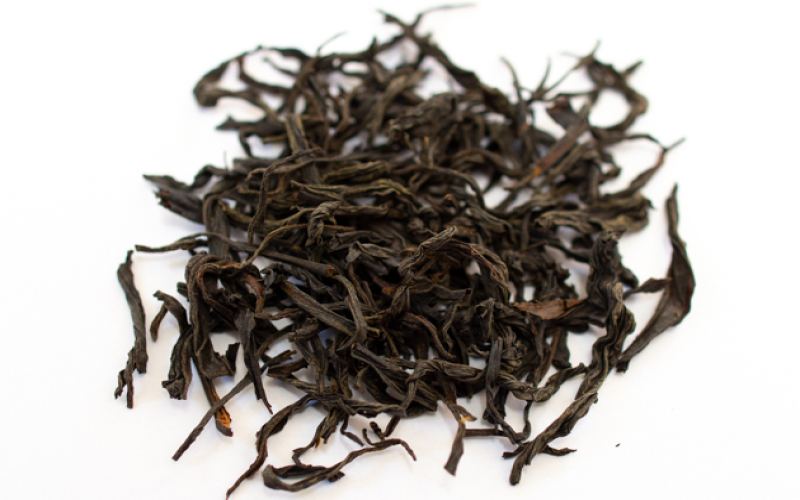
The Origins of Tongmuguan Lapsang Souchong Qizhong and Earl Grey Tea and a Detailed Explanation of the Blending Recipe
This article focuses on Tongmuguan Lapsang Souchong, introducing the terroir and natural farming cultivation characteristics of its top-grade Qi Zhong tea, and telling the historical story of how Lapsang Souchong sparked the British black tea craze and inspired the creation of Earl Grey tea. The article also includes an Earl Grey black tea blend recipe based on Lapsang Souchong, and retains Front Street Coffee's relevant product recommendations, making it suitable for caffeine enthusiasts interested in black tea culture and blending. [more…]

A Comprehensive Comparison of Arabica and Robusta Coffee Beans: Variety Characteristics, Flavor Differences, and Representative Producing Regions
What exactly are the essential differences between the two main varieties of coffee beans—Arabica and Robusta? Why is the former more highly regarded in the specialty coffee world? From the perspective of Front Street, this article systematically sorts out the differences between the two in caffeine content, appearance characteristics, flavor performance, growing conditions, and cost, and provides an in-depth introduction to representative Arabica varieties such as Typica, Geisha, and Ethiopian heirloom varieties, helping you fully understand the variety and terroir logic behind coffee flavor. [more…]
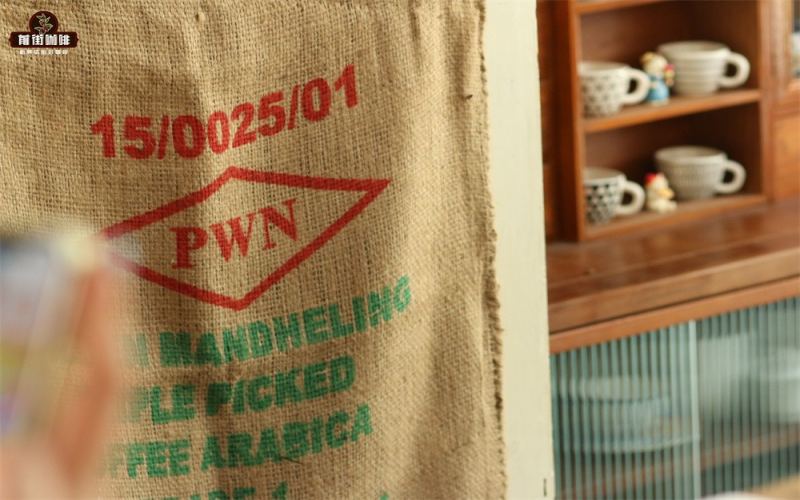
The Origin of the Name and Flavor Characteristics of Mandheling Coffee Beans, and How to Identify Indonesian Golden Mandheling?
Mandheling coffee beans hold a unique place in the specialty coffee world. It is not a coffee variety, but a collective term for Arabica beans produced on the Indonesian island of Sumatra. Behind this name lies a linguistic misunderstanding from World War II, and its signature herbal, woody agarwood, and spice notes are inseparable from the local low-altitude environment and the unique wet-hulling process. The so-called Golden Mandheling commonly seen on the market is actually a registered trademark of the Indonesian green bean company PWN, and only beans produced by that company may bear this name. This article will walk you through the origin of the name Mandheling, the reasons behind its flavor, and its processing method, and teach you how to distinguish genuine Indonesian Golden Mandheling. [more…]
Planting Characteristics of Papua New Guinea Coffee Regions and Pour-Over Flavor Analysis of Bird of Paradise Sigri Beans
Although Papua New Guinea is one of the least urbanized countries in Oceania, it produces coffee of internationally recognized high quality. Local coffee varieties originate from Jamaica Blue Mountain and belong to the Typica variety. They are mostly grown in highlands at altitudes of 1,300 to 1,800 meters. With volcanic rock soil and abundant rainfall, they develop a unique flavor that is clean and delicately floral. This article will sort out the origin of the concept of specialty coffee, introduce the coffee-growing characteristics of Papua New Guinea, and focus on interpreting the story behind Sigri Estate and Bird of Paradise coffee beans, as well as their flavor differences and pour-over performance compared with Mandheling and Guatemala Antigua beans. [more…]
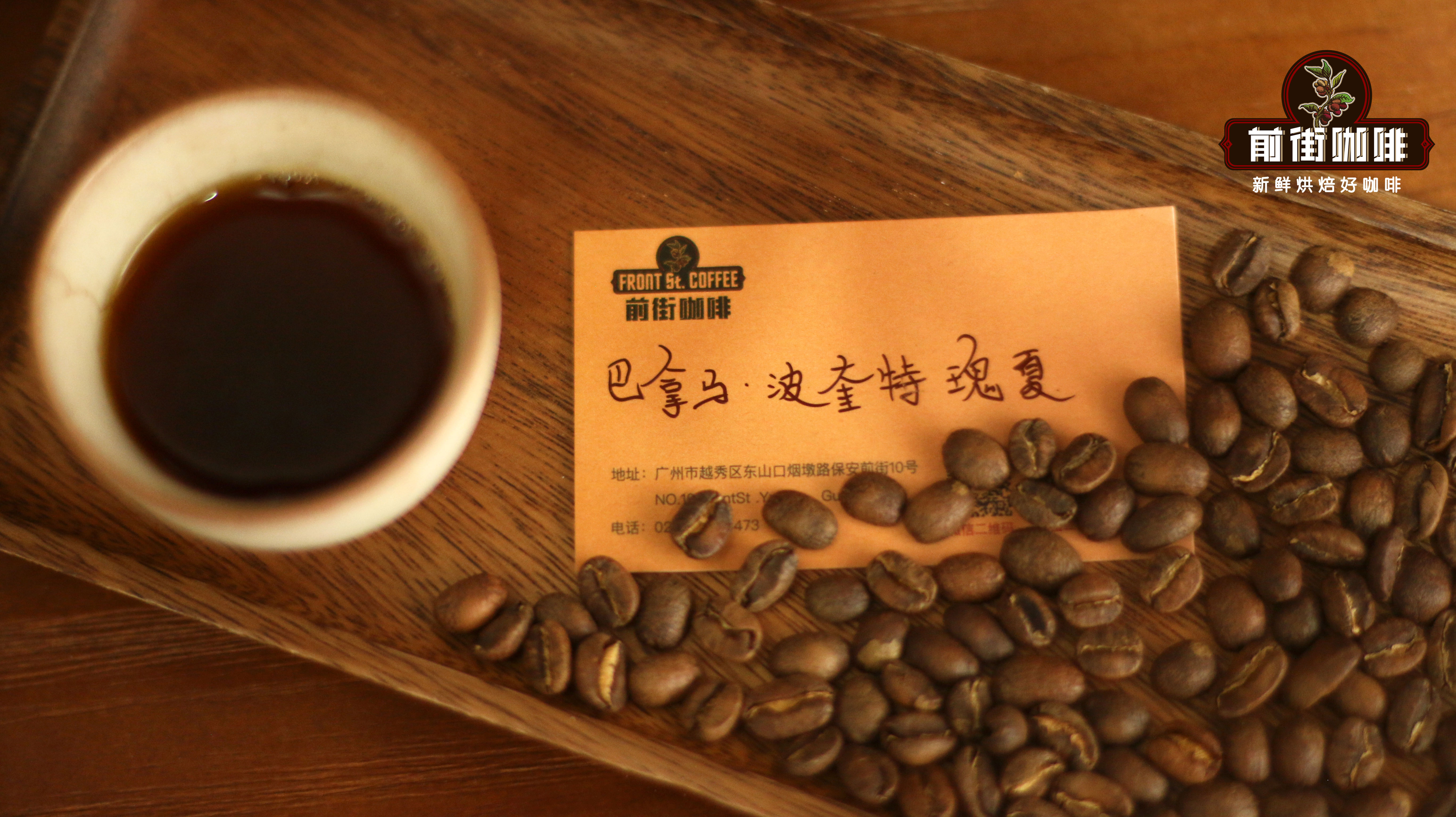
A Comprehensive Analysis of Yunnan Geisha Coffee Varieties: Cultivation Status and In-Depth Flavor Evaluation in the Baoshan and Pu'er Production Regions
In recent years, domestically grown Yunnan Geisha has gradually entered the specialty coffee market, with producing regions such as Baoshan, Pu'er, and Xishuangbanna successively introducing this legendary variety. Geisha originated in the Gesha forest of Ethiopia, then spread via Kenya and Tanzania to Costa Rica and Panama, rising to fame through its breakthrough performance at the 2004 BOP competition. Yunnan began trial-planting Geisha around 2011, mostly at altitudes between 1,300 and 1,800 meters, and due to soil and climatic conditions, its flavor profile shows a different tonality from that of Panama and Ethiopia. Starting from the origin and history of Geisha and the terroir characteristics of the two representative producing regions, Panama and Ethiopia, this article will systematically review the cultivation background, variety performance, and cupping flavors of Yunnan Geisha, and share Front Street Coffee's recommended tasting experience of Yunnan Baoshan Natural Geisha, helping coffee lovers gain a comprehensive understanding of the true quality level and flavor potential of domestic Geisha. [more…]
Hawaii·Kona: The Only American-Grown Coffee in the World
Hawaiian Kona is the only specialty coffee grown in the United States and one of the most expensive island coffees in the world. This article takes you through Kona's geography, its strict grading system, and its distinctive flavor. [more…]
A Comprehensive Analysis of Guatemalan Coffee: Varieties, Processing Methods, and Flavor Characteristics of the Eight Major Regions and the Huehuetenango Highlands
Guatemala is located in the heart of Central America, where its volcanic terrain and high-altitude environment provide exceptional conditions for coffee cultivation, earning its beans a place among the world's finest. The country is divided into eight major coffee-producing regions, each offering a distinct flavor profile shaped by differences in soil, climate, and processing methods. Among them, the Huehuetenango Highlands are known for their dry climate and extremely high altitude, producing coffee with vinous aftertaste and bright acidity. This article systematically examines the historical development of Guatemalan coffee, its varieties and processing methods, and the characteristics of its eight major regions, offering a comprehensive understanding of this noble coffee nation. [more…]
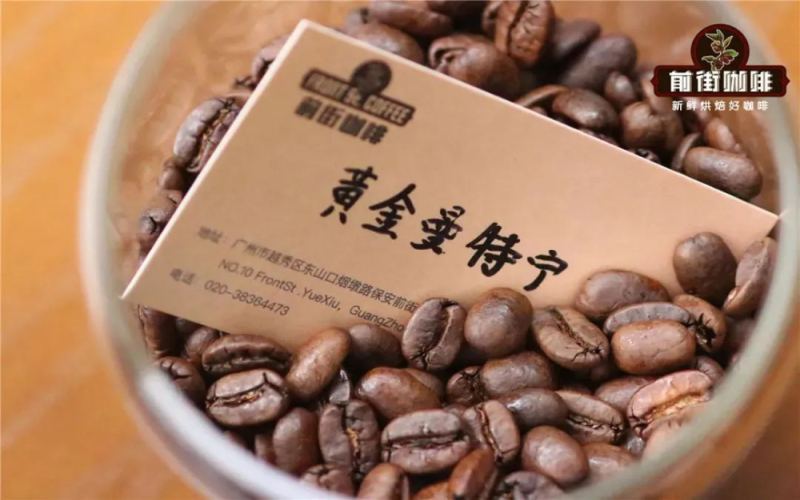
Analysis of Mandheling Coffee Origins: The Two Core Producing Regions of Sumatra and the True Identity of Indonesia's Ateng Variety
Mandheling coffee is one of Indonesia's most iconic coffees, renowned for its full-bodied, rich flavor. But do you know which areas of Sumatra it is mainly grown in? And what exactly is the often-mentioned Ateng variety? This article will take you into the Barisan Mountains of Sumatra to explore in detail the geographical characteristics and flavor differences of two core production regions—Mount Gayo in Aceh and Lintong in North Sumatra—while also revealing the true identity of the Ateng variety: it is actually the local Indonesian name for the Catimor variety. The article will also introduce Front Street Coffee's currently best-selling Lintong Mandheling and PWN Golden Mandheling, helping you gain a more comprehensive understanding of Indonesian coffee. [more…]
Analysis of Yunnan Arabica Coffee Variety Characteristics: Flavor Differences Between Typica and Catimor and Price Reference
Yunnan is China's most important coffee-producing region, and the Arabica varieties grown there have evolved from Typica to Catimor. This article provides a detailed review of the variety origins, appearance characteristics, and flavor performance of Yunnan small-bean coffee, compares the differences between Typica and Catimor, and introduces Front Street's Typica cultivation practices in the Lincang production area. It also covers the characteristics of washed and natural processing methods, suggested brewing parameters, and flavor descriptions and price information for several Front Street Yunnan coffees, helping coffee enthusiasts gain a comprehensive understanding of the current status and quality potential of Yunnan Arabica coffee. [more…]