







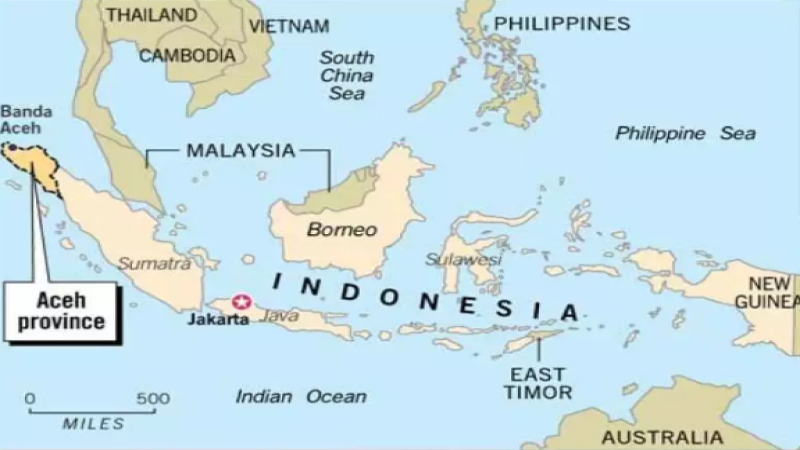
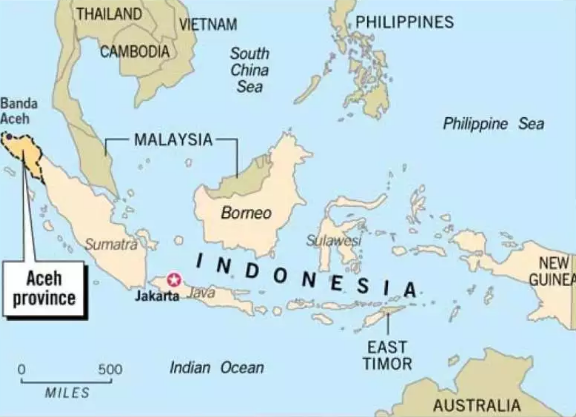
Sumatra is the second-largest island in Indonesia and the sixth-largest in the world, a full thirteen times the size of Taiwan! The reason coffee is grown here is mainly because the Dutch East India Company, in order to meet increasing coffee demand and boost colonial profits—combined with Sumatra's location in the Pacific Ring of Fire, where the soil is fertile volcanic earth ideal for cultivation—introduced coffee to Sumatra. Later, although India gained independence, coffee remained a vital cash crop for the country's livelihood.
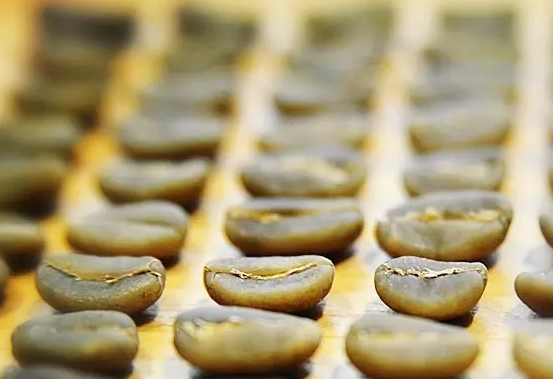
Coffee is a perennial crop, and large-scale cultivation can reduce soil erosion between the dry and rainy seasons from May to September each year. Mandheling coffee is mainly grown in the island's two northernmost provinces—Aceh and North Sumatra (Utara).
Aceh is currently Sumatra's primary organic coffee bean-producing region. Coffee trees are mainly planted in the Gayo Mountain area around Lake Tawar, and most coffee farmers are from the local Gayo ethnic group.
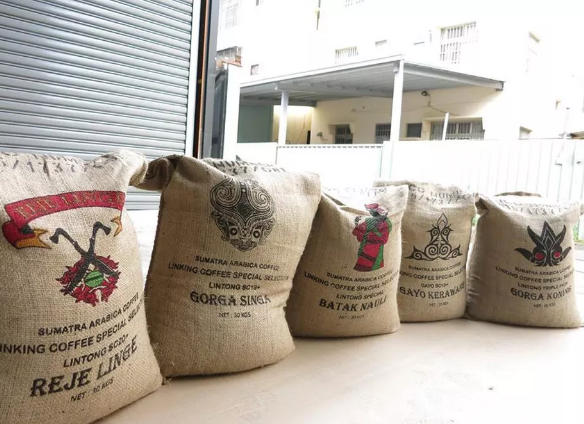
North Sumatra, on the other hand, has as its main producing areas the Sidikalang region on the west side of Lake Toba—the world's largest super-volcanic crater lake—and the Lintong region on the south side, where most local farmers are Batak People.

Because they are almost all smallholders with limited income, they don't have much capital to invest in improving their crops, and therefore don't spray much pesticide. In addition, most grow their coffee under shade, and on one to two acres of land they plant multiple crops, forming a special ecosystem. Pests here have more crop choices to feed on, which indirectly reduces the likelihood of pests attacking the coffee trees, so there is little need for pesticides.
But everyone must find it strange—how come the names of the producing regions have nothing to do with the word "Mandheling"?
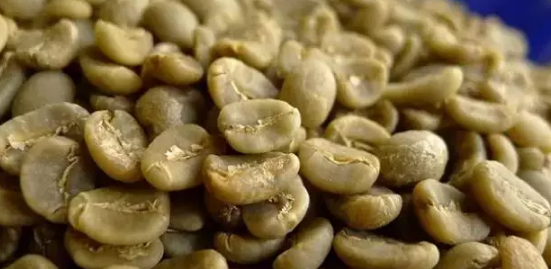
The name Mandheling is said to come from World War II, when Japan occupied Sumatra. A Japanese soldier drank an incredibly rich and aromatic coffee in a coffee shop and curiously asked what variety it was. The local resident mistakenly thought the Japanese soldier was asking "Where are you from?" and answered "Mandailing (ethnic group)," which then evolved into the coffee's name.Although the story may not be true, Mandheling was indeed originally the name of a very small place, and only later gradually evolved into the name of an ethnic group—Mandailing—and today it has also become one of the bywords for premium Sumatran coffee.
So actually, Mandheling is not the name of a variety or a producing region, but a conceptual umbrella term. However, locals do not directly call it "Mandheling"; instead, they refer to it by producing region or characteristics,The most common ones include Lintong Mandheling,Gayo Mandheling, Tiger Mandheling, Golden Mandheling, Aged Mandheling, and so on. Front Street Coffee routinely keeps one regular "Lintong Mandheling" and one top-grade "PWNGolden Mandheling" available for everyone to choose from.
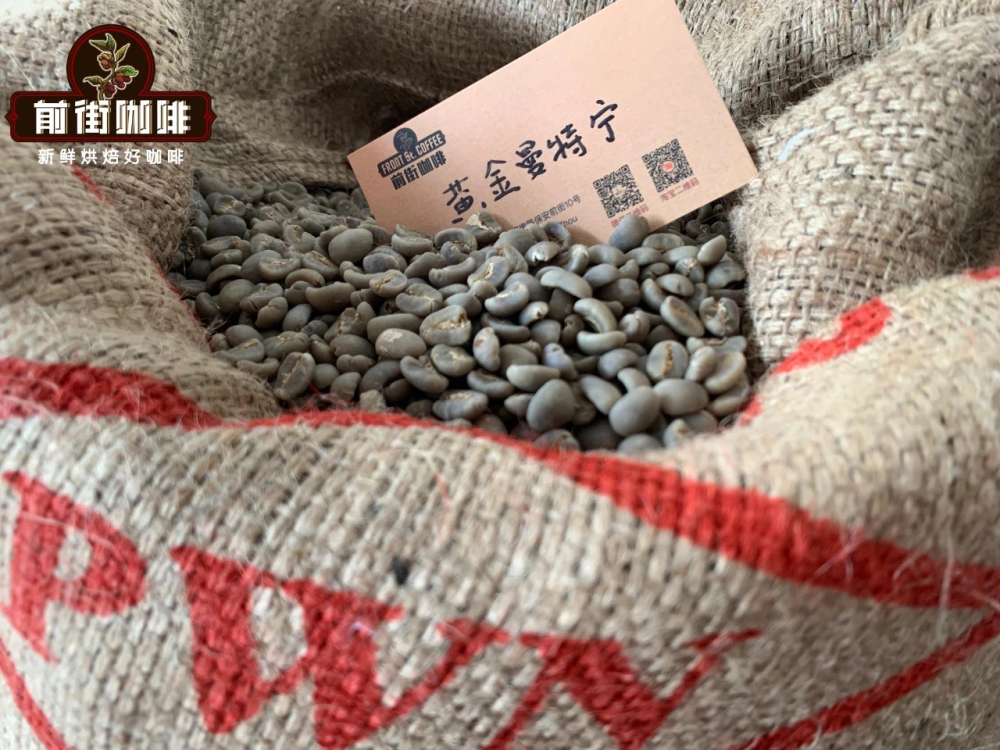
Mandheling rarely has pesticide issues, and its thick, robust flavor is a favorite of traditional connoisseurs—especially when milk is added, the taste becomes even richer and smoother. Mandheling's unique style was an advantage in the past, but amid the development trend of the specialty coffee wave, it has gradually shown weakness: personalized flavor variation is a trend, and being able to trace coffee back to its most fundamental source is a major focus of specialty coffee. Traditional Mandheling appears relatively weak in this respect. In recent years, in world competitions, emerging producing regions have continued to stand out, making Sumatra seem increasingly dim. Therefore, the future focus of Indonesia's coffee development lies in how to break free from the stereotype of "only Mandheling."
In the global market, Mandheling has only developed very well in regions that traditionally favor Mandheling, such as Japan and Taiwan, China. But nowadays, more and more specialty beans, with their unique floral aromas, clean profiles, or fruity flavors, are actually gradually beginning to replace these countries' affection for Mandheling. The local unique processing methods have brought Mandheling its special flavor, but they have also brought limitations to the development of Indonesian coffee.
The above content is compiled by CoffeeHunters, a coffee news website.

