







Yunnan is China's most important coffee-producing region, and the Arabica varieties grown there have evolved from Typica to Catimor. This article provides a detailed overview of the varietal origins, physical characteristics, and flavor profiles of Yunnan small-bean coffee, compares the differences between Typica and Catimor, and introduces Front Street Coffee's Typica cultivation practices in the Lincang production area. It also covers the characteristics of washed and natural processing methods, recommended brewing parameters, and flavor descriptions and price information for several Front Street Yunnan coffees, helping coffee enthusiasts gain a comprehensive understanding of the current state and quality potential of Yunnan Arabica coffee.
Variety is one of the decisive factors in whether a cup of coffee tastes good. Arabica has long been classified as specialty coffee, while Robusta, due to its pronounced bitterness, has relatively lower acceptance and is typically used as a raw material for commercial espresso blends or instant coffee.
Yunnan Small-Bean Coffee
The earliest variety planted in Yunnan was small-bean coffee, which is Arabica. The name "Yunnan small-bean" actually originated from Typica—Typica is the quintessential representative of the Arabica small-bean variety. The oldest cultivated variety in Yunnan's coffee history is Typica. Later, when Nestlé entered Yunnan, because Typica had poor disease resistance and there was a need to increase coffee bean yields, coffee farmers were guided to cut down the excellent-flavored Typica trees and replant with varieties that had slightly inferior flavor but stronger disease resistance and higher yields. The first introduced was S288, which is resistant to leaf rust, followed by the introduction of Catimor, which has even more outstanding yields. In other words, Yunnan's current main coffee tree is Catimor, and what the market calls Yunnan small-bean coffee mainly refers to the Catimor variety.
The term "small-bean" refers to the smaller-fruited category within Arabica, as opposed to the medium-bean Robusta grown in Hainan. The earliest coffee trees introduced to Yunnan were Typica and Bourbon, two pure Arabica varieties, among which the ancient Typica is widely recognized as a high-quality variety. Jamaican Blue Mountain coffee belongs to the Typica variety, with rich aromatics and delicate, varied flavors, but extremely low yields and susceptibility to rust disease, requiring more labor for management. Coffee is, after all, a cash crop that Yunnan farmers depend on for their livelihood; if yields are too low, income cannot be guaranteed and cultivation becomes unsustainable, so most local farmers have turned to the higher-yielding Catimor.
As a crop, coffee's flavor is always closely linked to variety, climate, altitude, soil, management, and other factors—it is the most authentic expression of variety and local terroir. Today, most Yunnan small-bean coffee on the market is the Catimor variety, and its flavor is naturally not as outstanding as Typica. However, Yunnan beans are also Asian beans, possessing the basic flavor characteristics of Asian beans, such as herbal notes, some nutty tones, and fruity acidity. Overall, it is neither bitter nor sour—a quite pleasant coffee.
Typica
Typica is Ethiopia's oldest native variety, discovered around the 15th to 16th centuries AD. It is characterized by a taller tree body, bronze-colored young leaves at the top, and relatively large, elongated coffee beans with pointed, upturned ends, somewhat egg-shaped. Typica coffee often carries citrus-like acidity and a sweet aftertaste, and is praised by many as an elegant and clean coffee bean. Unfortunately, its low yield and poor resistance to leaf rust have led farmers to gradually replace it with other more robust varieties.
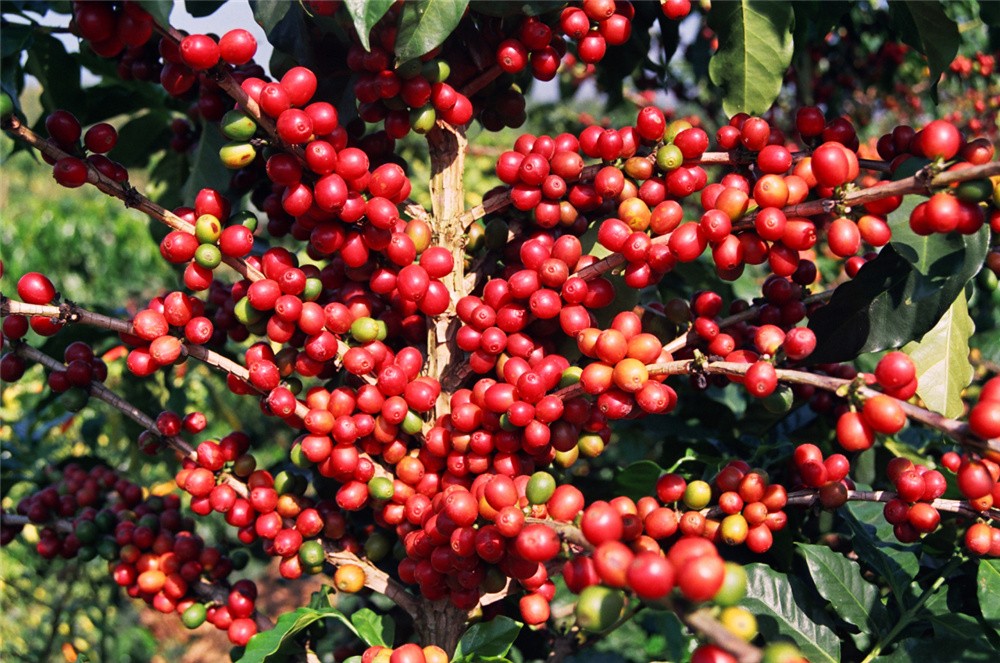
Typica was introduced to Jamaica in the 18th century by Sir Nicholas Lawes and soon after was brought to the Blue Mountain region for cultivation, where it has now grown for over two hundred years. Blue Mountain's Typica has also adapted to the local island tropical rainforest climate, evolving stronger disease resistance, particularly against coffee berry disease, which is considerably stronger than that of ordinary Typica. Front Street believes that the refined and clean flavor of Blue Mountain coffee is inseparable from Jamaica's insistence on carefully cultivating the Typica variety, allowing Typica to truly integrate into the local terroir, while the excellent terroir conditions and unique microclimate of the Blue Mountain range also play an indispensable role. Front Street uses a medium-dark roast to maximize the chocolate and nutty aromas of the coffee while preserving soft acidity and sweetness, resulting in a balanced overall mouthfeel.
Catimor
The coffee variety currently grown in Yunnan is predominantly Catimor. Typica coffee trees are susceptible to coffee leaf rust, and combined with low yields, local coffee farmers have had to reluctantly cut down the elegant-flavored Typica and switch to planting Catimor, which has higher yields and resistance to leaf rust.
In Han Huaizong's book "Specialty Coffee Studies," the introduction to Chinese coffee-producing regions mentions that in 1998, over 90% of Yunnan's coffee varieties were Catimor.
Catimor is a variety developed in 1959 by CIFC, the Portuguese Coffee Leaf Rust Research Center, through a cross between Timor and Caturra. It is characterized by high productivity, a short plant suitable for dense planting, and good disease resistance. However, because Catimor carries Robusta genes, its bitterness and grassy notes are more pronounced than pure Arabica, and it is somewhat inferior in cleanliness, fruity notes, and complexity. The Robusta species has good resistance to leaf rust and rich oils, with high yields and easy cultivation. After crossing with Arabica Typica, Catimor obtained 25% Robusta genes, which improved its resistance to leaf rust, retained rich oils, and inherited some of the rich flavors of the original Typica variety. Therefore, most Yunnan estates have now begun large-scale planting of Catimor, while the cultivation range of Typica continues to shrink.
Arabica Coffee
The Arabica species (scientific name Coffee Arabica), also known as small-bean coffee, originated in Ethiopia. Initially, Arabica coffee was mainly consumed as a medicine, but later people developed the habit of drinking it after roasting. In the 16th century, Arabs spread it through trade to various parts of the world, and it gradually developed into the popular beverage it is today. Many specialty coffee beans we know well belong to the Arabica variety, such as Jamaican Blue Mountain coffee, Panama Geisha coffee, and Ethiopian Yirgacheffe coffee.
The Arabica species is a relatively large shrub, suitable for cultivation in mountainous environments at altitudes of 600 to 2,200 meters (in Ethiopia, it can even grow at extremely high altitudes of 2,350 meters with excellent quality), with an optimal temperature of 15 to 24°C and annual rainfall of 1,200 to 2,200 mm. The leaves are elliptical and dark green, and the fruit is also elliptical, generally containing two slightly flattened beans. The bean body is rounded, with a long elliptical shape on the front, a narrow and curved S-shaped center crack, and a relatively flat arc on the back of the bean.
Arabica has a lower chlorogenic acid content, approximately 5.5% to 8%. Besides its antioxidant effects, chlorogenic acid is also an important component for resisting pests, so Arabica is more susceptible to pest damage and climate influences. It is generally grown at higher altitudes, bears fewer and slower fruit, and produces less coffee beans per hectare than Robusta, resulting in much higher cultivation costs for Arabica.
The Flavor of Arabica Coffee
The bitterness felt when drinking coffee mainly comes from chlorogenic acid in the coffee. Robusta has higher levels of caffeine, amino acids, and chlorogenic acid, so Robusta inherently lacks the ethereal aromatics unique to Arabica, replaced instead by a fuller, deeper bitterness. Arabica has lower caffeine content, approximately 0.9% to 1.2%, and 60% more fat content than Robusta. Compared to the intensely flavored Robusta bean, Arabica has lower caffeine but twice the sugar content of Robusta, so it tastes softer with higher sweetness and rich layers of acidity and aroma, naturally becoming everyone's first choice for drinking coffee.
(Arabica on the left, Robusta on the right)
As the most popular Yunnan single-origin on the Front Street bean list, Front Street Yunnan Typica is not only an ancient Arabica variety but also an exclusive specialty coffee from Front Street. Produced in Lincang City, it has rich chocolate, nutty, and brown sugar aromas, a balanced mouthfeel, and a pronounced sweet aftertaste. It is currently listed at 40 RMB/100g. Those who want to taste it can purchase directly from the Front Street Taobao store or Front Street Tmall flagship store.
Lincang
Lincang City is located in the southwestern part of Yunnan Province, with the Tropic of Cancer passing through its southern part. It borders Pu'er to the east, Dali to the north, Baoshan to the west, and Myanmar to the southwest. Named after the Lancang River, it is a shining pearl on China's southwestern border. Lincang's average annual temperature ranges from 16.8 to 17.2°C, with distinct dry and wet seasons and abundant sunshine. With its unique geographical location and climatic conditions, Lincang has become a focus of attention for many coffee enterprises, having established 200-mu and 100-mu high-quality coffee seedling bases in Mengding Town of Gengma Autonomous County and Lincang Happiness Farm respectively, and conducting coffee cultivation in Gengma, Zhenkang, Yunxian, Cangyuan, Yongde, and other areas.
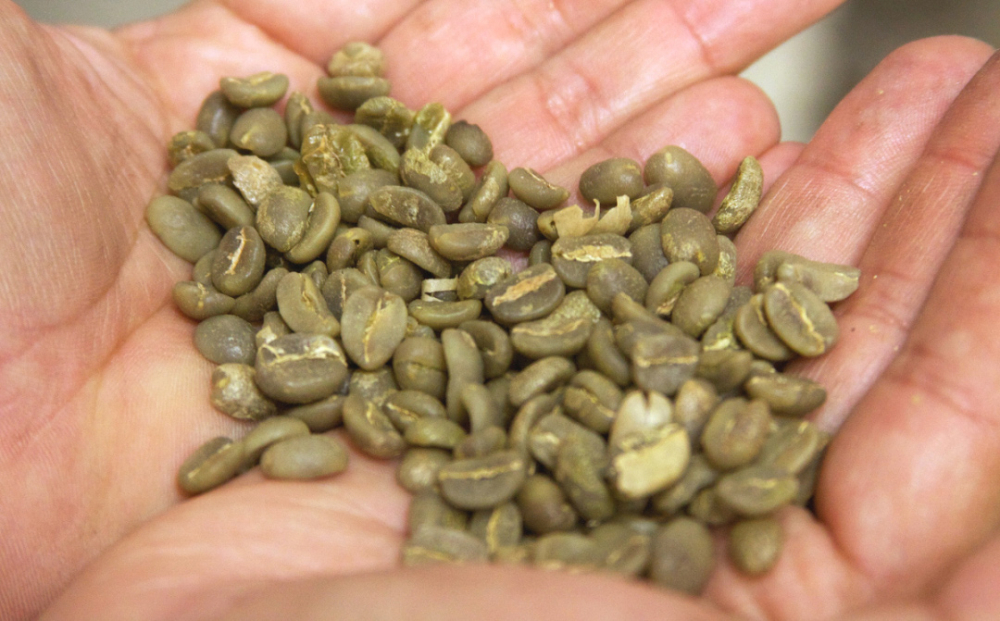
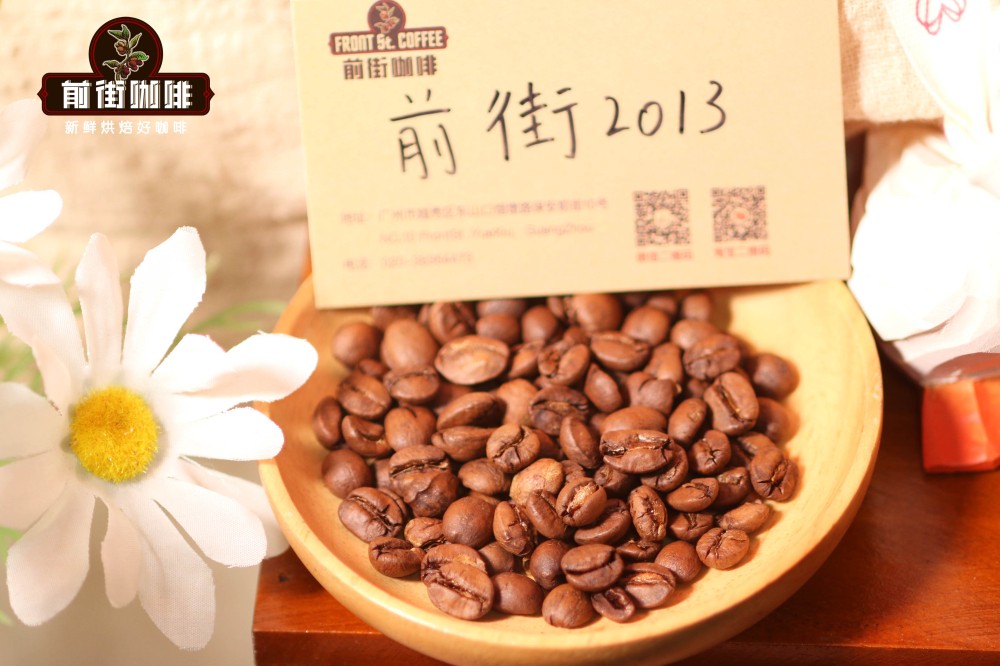
Front Street Typica comes from the Front Street estate established by Front Street in the Lincang production area of Yunnan. Front Street selected the Typica variety, which is pure Arabica and has superior flavor compared to the Catimor currently grown in Yunnan. From seedling to first fruiting, it takes at least 4 to 5 years, which is also why Yunnan coffee farmers, despite knowing Catimor's flavor is inferior, are unwilling to tear it up and replant. The first batch of self-produced Yunnan coffee beans from Front Street, produced in 2020-2021, was named "Front Street 2013" and received unanimous praise.
Processing Methods for Yunnan Coffee Beans
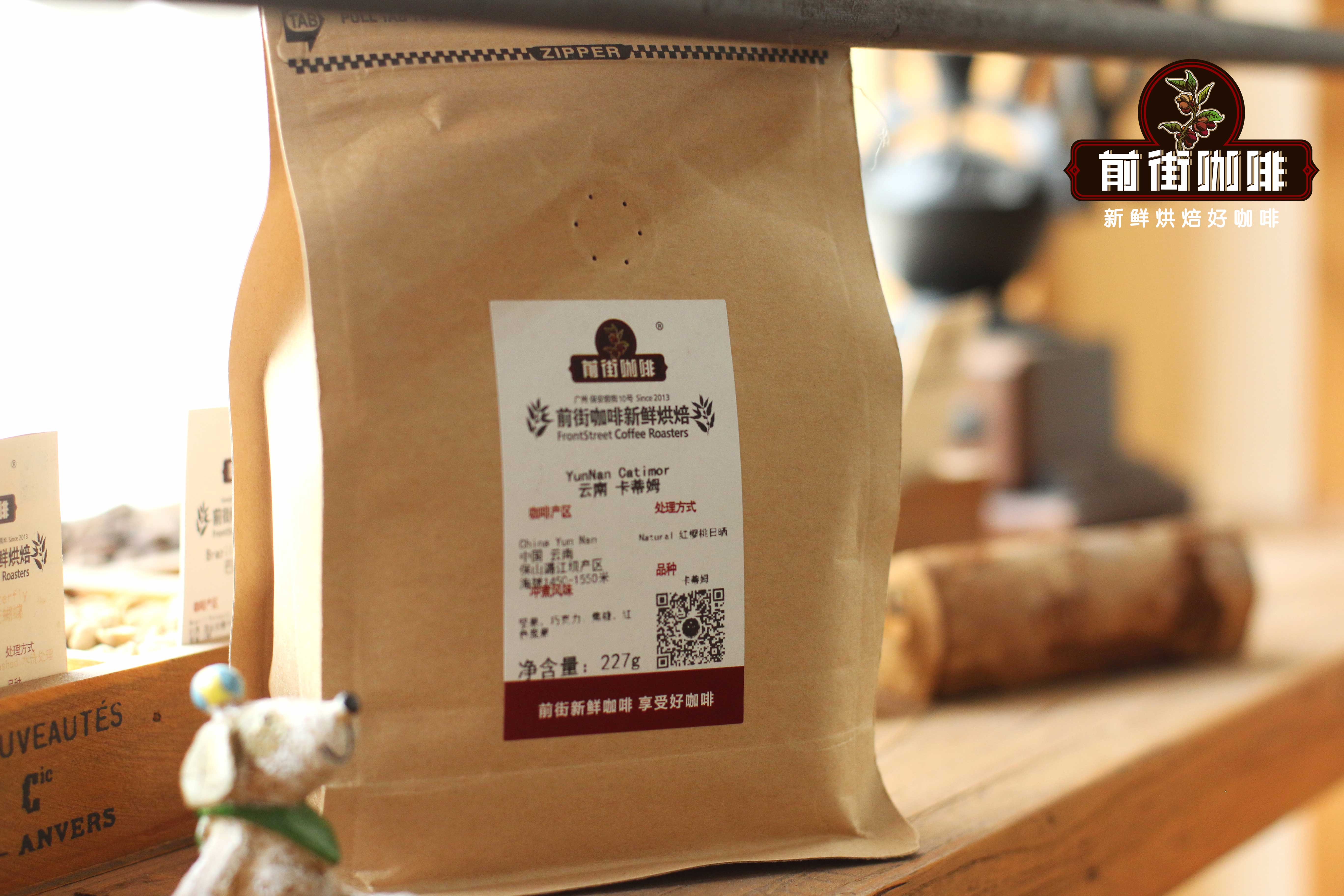
Yunnan's weather is rainy and foggy, making the washed process the most commonly used method for Yunnan coffee. Of course, there are also naturally processed ones, such as Front Street's Natural Catimor coffee and Front Street 2013 Natural Typica coffee.
Washed Process: The harvested cherries are run through a depulper to separate most of the pulp from the coffee beans, then the parchment beans are introduced into clean water tanks and soaked in water for fermentation to thoroughly remove the remaining mucilage layer. Through the washed process, unripe and defective beans are sorted out due to buoyancy, and the fermentation process is better controlled, so the flavor does not carry the off-notes of natural beans but instead presents pronounced fruity acidity, slightly stronger complexity, and a cleaner cup profile.
Front Street Brewing Parameters for Yunnan Coffee:
In order to preserve the sweet-and-sour sensation and tea-like characteristics of Yunnan coffee, Front Street Coffee applies a medium roast to it. For brewing, a V60 dripper can be used, with a coffee-to-water ratio of 1:15, medium grind (about the size of coarse granulated sugar / 75% passing through a Chinese No. 20 standard sieve), and a water temperature of 88°C.
Use a staged extraction approach. First, bloom with water at twice the amount of coffee grounds, i.e., 30 grams of water for a 30-second bloom. The purpose of blooming is to allow the coffee grounds to release internal carbon dioxide, making the subsequent extraction more stable. Pour in a slow circular motion until reaching 125 grams, then pause, continue pouring until 225 grams and stop. After the water has dripped through the dripper, remove the dripper. Start timing from the beginning of pouring; the extraction time is 2'00". Next, swirl the entire cup of coffee to mix evenly, then pour into a cup and enjoy.
[Front Street Washed Yunnan Small-Bean Coffee Flavor] Herbal, nutty aroma, chocolate, caramel, with a subtle fruity acidity in the aftertaste.
[Front Street Yunnan Natural Catimor Coffee Flavor] Profile: Nuts, chocolate, spices, caramel, plum.
[Front Street 2013 Natural Typica Coffee Flavor] Has nutty tones, a fuller mouthfeel than washed Yunnan coffee, slightly lower acidity than washed Typica Yunnan coffee, but slightly more sweetness, higher balance, berry-like acidity, with brown sugar and a slight tea-like sensation.
The above content is compiled by CoffeeHunters, a coffee news website.


