







Search Results for: light roast single-origin beans
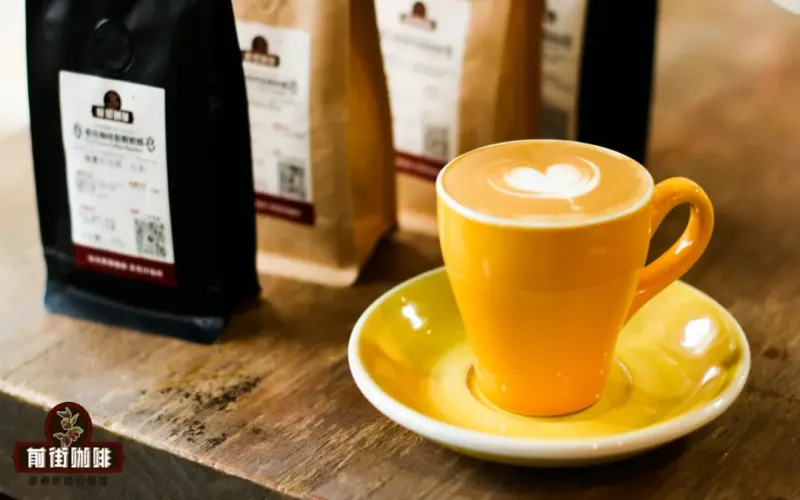
Is It Feasible to Make Espresso from Single-Origin Beans for Pour-Over? Differences Between Light Roast and Blend Beans and Extraction Adjustment Approaches
Many coffee enthusiasts stock up on single-origin pour-over beans during Front Street Coffee's monthly limited-time events, yet their purpose is to make espresso. However, single-origin beans are mostly medium-light or light roasts, which differ significantly in roast level from the dark roasts commonly used for espresso. Directly applying dark roast parameters often results in espresso that is sharply acidic and thin. This article focuses on this topic, first explaining the essential differences in density and brittleness between dark and light roast beans, then providing grinding adjustment ideas and reference formulas for light roast single-origin beans, and finally, from the two directions of dose and milk ratio, explaining how to keep light roast espresso from being diluted and masked in milk-based coffee, along with practical tips for making milk coffee. [more…]
A Practical Guide to Making Espresso with Single-Origin Filter Beans: A Full Analysis of SOE Extraction Parameters and Flavor Performance
Can pour-over single-origin beans be used to make espresso? The answer is yes—this is what is known as SOE. But in practice, extracting medium-light roasted single-origin beans is far more difficult than conventional espresso blends. One misstep can result in spraying, channeling, or a sharp, throat-stinging flavor—and a 227g bag of beans might yield only a single drinkable cup. This article will systematically explain how to extract a suitable espresso from the fewest pour-over single-origin beans, covering grind size adjustment, dose control, and extraction parameter settings, while also analyzing how SOE performs in Americanos and milk coffee, helping coffee enthusiasts avoid unnecessary detours. [more…]
How to choose single-origin beans for SOE espresso? Are medium-light roasts like Geisha, Huakui, and Sidra suitable for Americano and latte?
In recent years, making SOE espresso with single-origin coffee beans has become increasingly popular, but not all single-origin beans are suitable. Starting from the definition of SOE, this article explains that as long as it meets the "single-origin" condition, it can be called SOE, and further shares two requirements for coffee beans when making SOE: the roast should not be too dark, and the flavor needs to be sufficiently prominent. It then recommends suitable beans by style category, covering clean and fresh washed beans, fruit-rich natural and honey-processed beans, and anaerobic-processed beans with prominent flavors, with specific Front Street Coffee products as examples. The article also addresses the issue of low acidity and milk compatibility when making lattes with medium-light roasted beans, offering extraction adjustment suggestions to help coffee enthusiasts make delicious SOE Americanos and lattes at home. [more…]
Single-Origin, Pour-Over, or Blend: How to Choose—Understanding Coffee Flavor from Light to Dark Roast
Whether to buy single-origin or blended coffee beans, and whether they suit pour-over or espresso, can often first be judged by the roast level. Light roasts retain more distinct origin character, often with floral notes, fruity acidity, and a bright, clean mouthfeel; medium roasts strike a more balanced profile of sweetness, aroma, and body; dark roasts lean more toward cocoa, nut, and roasted flavors. There is no fixed answer—what matters [more…]
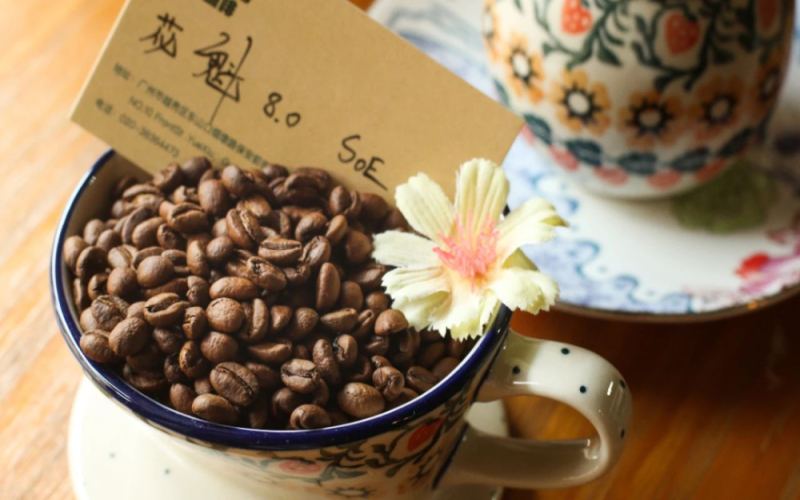
SOE Single-Origin Espresso | Which pour-over single-origin beans are suitable for making SOE coffee? What are the differences between single-origin pour-over and single-origin espresso?
SOE is one of the most popular products in today's specialty coffee shops and coffee chains. It is an espresso extracted from single-origin (single-origin) coffee beans. Its characteristic is that even at a very high concentration, the coffee liquid can still express the unique flavor profile of the coffee's origin. [more…]
Can SOE single-origin beans be used for pour-over? A full analysis of the differences between single-origin and blends and pour-over parameters
When ordering at a café, espresso and pour-over often correspond to two paths: blended beans and single-origin beans. In recent years, many high-quality single-origin beans have been made into SOE versions for espresso extraction. So can these SOE beans be used for pour-over? And what exactly is the difference between them and pour-over single-origin beans? This article will start from the concept and characteristics of SOE, compare the differences between blended beans and single-origin beans, explain the divergence in roasting curves between SOE and pour-over single-origin beans, and provide suggestions on water temperature and grind size when using SOE beans for pour-over, helping coffee enthusiasts find a suitable brewing plan under different roast levels. [more…]
Analysis of SOE Espresso Flavor Characteristics: Why Choose Light-Roast Single-Origin Beans and Key Preparation Points
When ordering at a coffee shop, you'll often see "switch to SOE for an extra 3 yuan" noted on the menu. What exactly is this SOE? Can switching to it really make your coffee taste better? This article will start with the definition of SOE, its origin story, and its relationship to specialty coffee, then analyze its flavor advantages and production challenges, explain why SOE espresso beans require a specially designed roasting curve rather than simply using light-roasted beans intended for pour-over, and compare the differences between SOE and espresso blend beans. Drawing on examples from Front Street Coffee's Yirgacheffe Gutingding, Sherry, and Warm Sun blend, it will show that SOE is not absolutely superior to blends—rather, each has its own suitable scenarios. [more…]
Roast Level Determines How to Choose Single-Origin, Pour-Over, and Blends
From light roast to dark roast, coffee beans change not only in color, but also in aroma, sweetness, acidity and mouthfeel weight. Single-origin emphasizes the personality of a certain origin or batch, while a blend combines the characteristics of different beans; pour-over is an extraction method, and is not the same as a fixed type of bean. Keep these concepts separate, and then, from [more…]
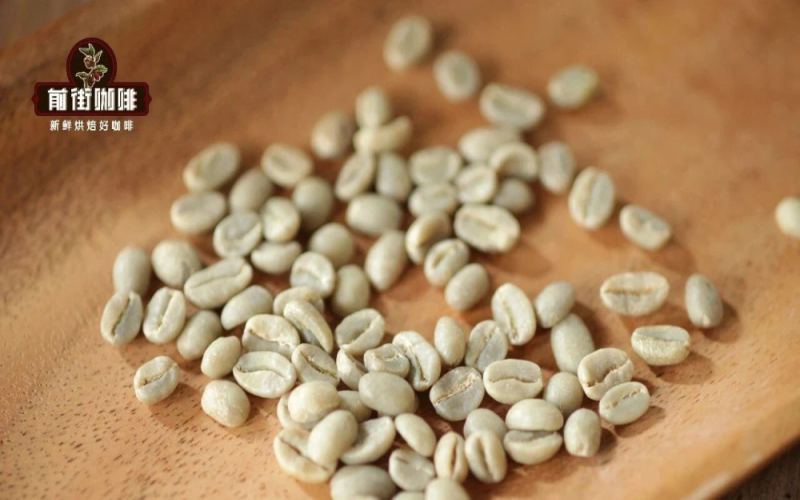
SOE Coffee: Light Roast or Dark Roast? The Roasting Logic Behind Espresso Made from Single-Origin Beans and Four Front Street Recommendations
The same single-origin bean can taste completely different as a pour-over versus an SOE. The roast level plays a key role here—a light roast preserves the floral and fruity acidity, but under pressurized extraction it can turn sharp and prickly on the tongue; a dark roast brings a rich, mellow caramel note, but it easily masks the character of the origin. So what roast level should SOE actually use? This article starts from roast chemistry, analyzing how the Maillard reaction and caramelization shape coffee flavor, sorting out the flavor directions corresponding to light, medium, and dark roast levels, and then answers the roasting-selection challenge for making SOE from single-origin beans, and offers four Front Street Coffee beans suitable for SOE, covering four styles: tropical fruit, hazelnut and sugarcane, fermented fruit, and chocolate creamy peanut. [more…]
A Beginner's Guide to SOE Coffee Beans: Light Roast Acidity, Price Characteristics, and Whether Americano or Latte Suits Your Taste Better
When ordering at a coffee shop, the "swap to SOE for 3 yuan more" on the menu often makes people curious: what exactly is SOE? Is it really better when swapped in? SOE stands for "Single Origin Espresso," and its core is to highlight the unique flavor of a particular region. This article will guide you through the origins of SOE, how it differs from espresso blends, and whether it is equivalent to specialty coffee. We will also take a deeper look at the advantages and limitations of SOE, from roasting curves to extraction dialing-in, and teach you how to judge acidity and pricing characteristics. More importantly, we will compare the taste differences between SOE americano and SOE latte, and share the actual test performance of Front Street Coffee SOE beans such as Yirgacheffe, Huakui, and Xizhua, to help you find the cup that suits you best. [more…]
Is SOE Coffee Better Suited for Pour-Over or Espresso? A Core Analysis of the Differences Between Single-Origin Coffee and SOE Espresso Beans
When ordering at a café, we often face a choice between espresso and pour-over. At Front Street Coffee locations, the pour-over selection lets you choose single-origin beans from different regions, while for espresso you need to decide among options like americano and latte, and some locations even allow you to switch to SOE. Nowadays, more and more well-known single-origin beans are releasing SOE versions, such as Front Street Coffee Granja Geisha, Front Street Coffee Yirgacheffe, and Front Street Coffee Huakui. So, can these SOE beans, which are typically used for espresso, also be used for pour-over? Just how big is the difference between SOE and pour-over single-origin beans? This article will analyze the definition of SOE, roasting differences, extraction parameters, and other aspects to help you more clearly understand the suitable scenarios and brewing key points for these two types of coffee beans. [more…]
What exactly is SOE coffee? From bean selection to extraction parameters, a thorough guide to the secrets of making single-origin espresso.
In recent years, specialty coffee culture has continued to take root in China, and more and more cafés are putting single-origin coffee beans from different regions on their menus, making SOE a hot topic of discussion among coffee lovers. SOE stands for Single Origin Espresso, referring to espresso extracted from coffee beans of a single origin. How does it differ in flavor expression from traditional blended espresso? What kind of beans should be chosen for making SOE, and how should grinding, dose, and yield be adjusted? Based on the actual production experience of Front Street Coffee, this article breaks down the logic of bean selection around three dimensions—origin, roast level, and processing method—and provides specific extraction fine-tuning plans for light-roasted Ethiopian beans, fruity fermented beans, and medium-dark roasted beans, helping you make a smooth and delicious cup of SOE. [more…]
Why Is SOE Espresso Priced Higher? Is the Flavor Really Superior? A Guide to Buying Single-Origin Espresso Beans
When ordering at a café, you're often asked, "Would you like SOE or a blend?" SOE refers to espresso made from beans from a single origin or estate, and it gradually gained popularity after making its debut at the 2007 World Barista Championship. Is it necessarily better tasting than a blend? The answer is not absolute. This article explains, from three aspects—fluctuations in bean quality, roast level, and extraction method—why SOE is sometimes disappointing, and offers purchasing guidance: prioritize medium-roast single-origin beans or those specifically designed for SOE. If you like bright, tangy acidity, choose beans from Ethiopian origins; if you prefer rich fruity notes, look to high-altitude beans from Central and South America; if you dislike acidity, start with medium-dark roasted beans from Asia and South America. The article also includes several Front Street Coffee SOE product recommendations. [more…]
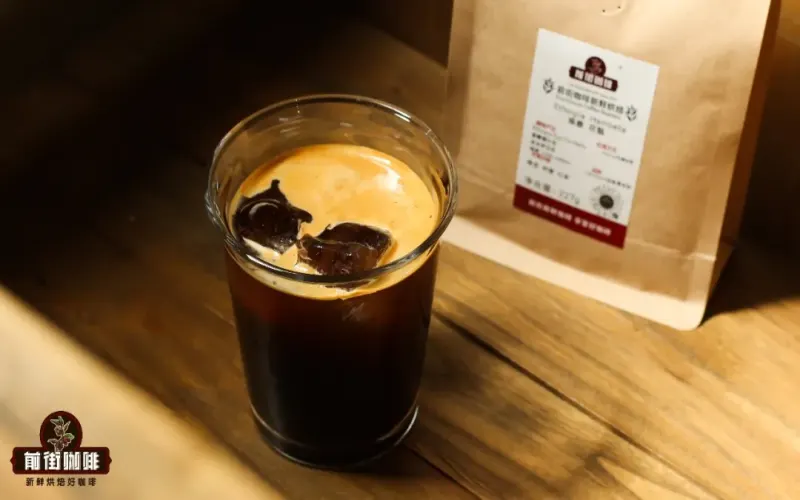
Craving an Americano bursting with floral and fruity aromas? These medium-light roasted Sidamo and single-origin beans are worth trying
Nowadays, many cafés' Americanos have long broken out of the single bitter-flavor framework, presenting rich layers of floral notes, citrus, berries, tea-like qualities, and more. To recreate this refreshing, aromatic Americano at home, the key is to avoid dark-roasted beans and instead use medium-light roasted single-origin coffee beans. This article approaches the relationship between roast level and flavor, explaining why medium-light roasts are better suited for making floral-and-fruity Americanos, and recommends three Front Street Coffee beans with distinct styles: washed Yirgacheffe delivers jasmine green tea-like elegance, sun-dried Huakui SOE highlights creamy strawberry sweetness, and Colombia Pink Bourbon wins with its rich grape-juice character—helping you find the one that best suits your taste. [more…]
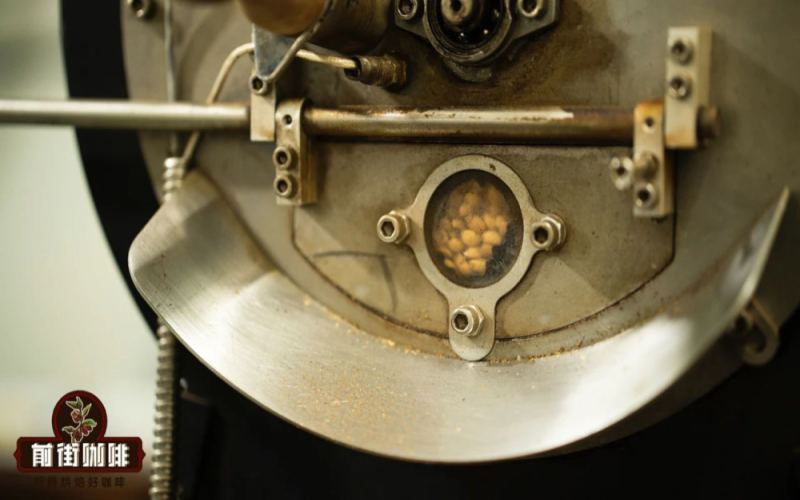
What is the difference between light roast and medium-light roast coffee beans? A guide to buying medium-light roast pour-over single-origin beans
The roast level of coffee beans directly affects the flavor in the cup. This article starts with the difference between light roast and medium-light roast, sorting out the evolution logic of acidity, sweetness, and bitterness during the roasting process, helping readers understand why beans roasted below medium level are more likely to present floral and fruity notes. At the same time, it compiles a shopping list of medium-light roast pour-over single-origin coffee beans, covering many popular beans under Front Street Coffee such as Huakui, Geisha, Blackberry, Yirgacheffe, Little Tomato, Butterfly, Strawberry Candy, Xizhua, etc., with recommendation ratings and flavor descriptions attached for daily purchasing reference. [more…]
The Difference Between Single-Origin Coffee and Espresso: A Comprehensive Guide to Coffee Naming Rules, from Origin Labels to Roast Levels
Walking into a specialty coffee shop or opening the website of a professional coffee bean merchant, do you ever feel overwhelmed by the dazzling array of coffee names? Why are coffee bean names so long? How exactly do you tell the difference between single-origin, dark roast, and espresso? What information is actually hidden behind these complex names? This article will walk you through the key elements of coffee bean naming one by one, including origin labeling, roast level, grading systems, and small-lot estate farms. From the solo performance of single-origin coffee to the concerto of coffee blends, from Northern Italian light roast to French dark roast, and on to grading codes like SHB and AA+, you'll never be confused again the next time you shop for coffee—you'll easily read the ID card of every bag of coffee beans. [more…]
SOE Coffee Brewing Guide: Key Points for Single-Origin Bean Selection and Analysis of Flavor Differences Between Americano and Latte
Want to make a standout SOE with single-origin coffee beans? Starting from the definition of SOE, this article systematically breaks down the three key dimensions of choosing SOE coffee beans—origin, roast level, and processing method—and, drawing on hands-on experience with several Front Street single-origin beans, offers bean-selection advice for different flavor preferences. It also explains in detail how to dial in SOE espresso extraction, along with fine-tuning tips for Ethiopian light roasts, fruity fermented beans, and medium-dark roasts when making Americanos and lattes, helping you easily master this highly distinctive single-origin espresso. [more…]
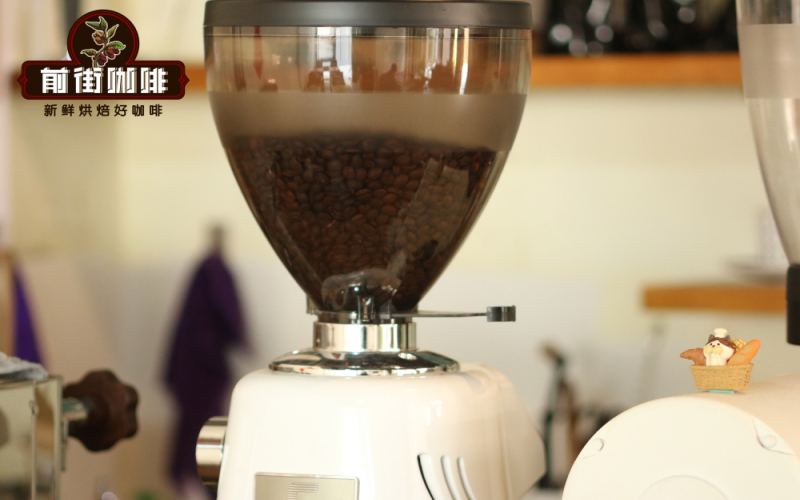
A Guide to Light Roast SOE: Key Differences Between Single-Origin Espresso Beans and Pour-Over Beans
In recent years, SOE coffee has frequently appeared in the promotional materials of major coffee brands, becoming a hot topic in the specialty coffee world. SOE stands for Single Origin Espresso, emphasizing the pure expression of a region's flavor, in sharp contrast to traditional espresso blends. This article will start with the definition of SOE, analyze its essential differences from pour-over single origin beans, explore the extraction challenges faced in making light-roast SOE, and share Front Street Coffee's SOE-making tips and specific product recommendations, helping coffee lovers make a cup of SOE with clear flavor at home. [more…]
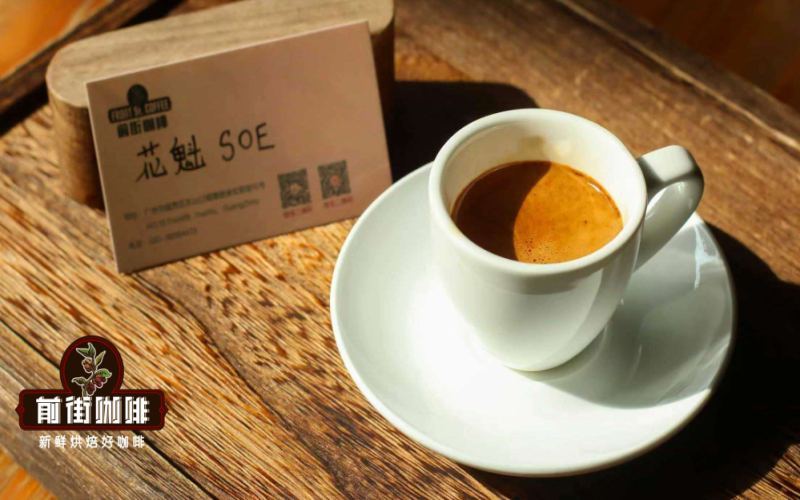
Can Single-Origin Coffee Beans Be Used for SOE? A Full Analysis of Flavor Performance, Pros and Cons, and Bean Selection & Roasting Tips
SOE is a popular category in today's specialty and chain coffee shops, referring to espresso extracted from single-origin coffee beans. It can showcase a region's character at high concentration, but stability and roasting compatibility are often overlooked. This article uses comparative experiments between pour-over and espresso to illustrate flavor differences, sorts out the advantages and shortcomings of SOE, and offers selection guidance: you can use single-origin beans roasted at medium or darker levels, or directly choose beans specifically designed for SOE. The article also combines examples such as Front Street Strawberry Candy, Brazil Queen's Estate, and Granada Geisha to explain the effects of different processing methods and roasting on espresso and milk coffee performance, and emphasizes the importance of freshness for flavor. [more…]
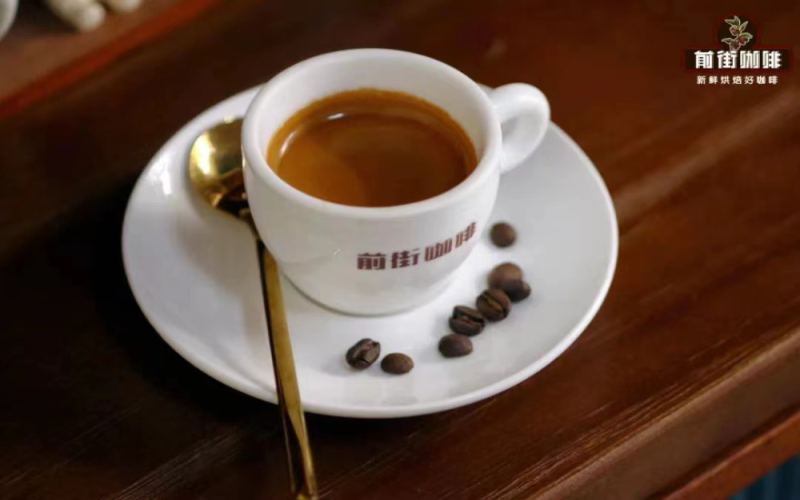
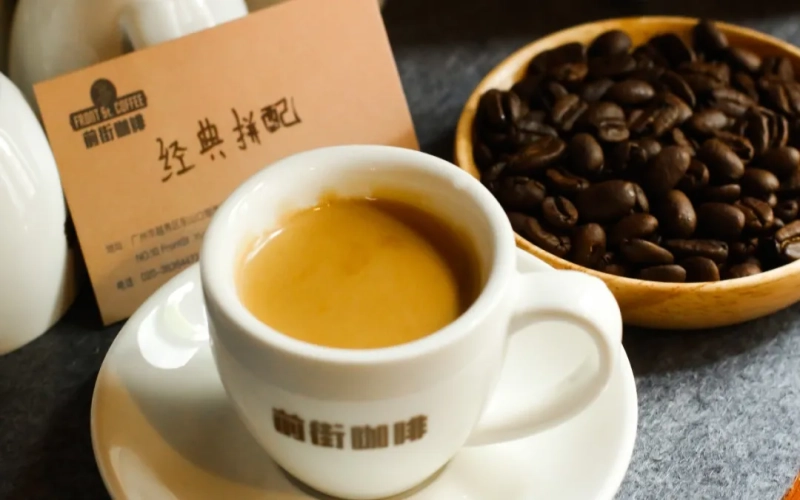
What Coffee Beans Should You Choose for Espresso? A Comprehensive Analysis of Blends vs. Single Origins and Light vs. Medium-Dark Roasts
Espresso is both an extraction method and the name of a coffee beverage. It is the type of coffee the public encounters most often and also the one most likely to raise questions. Many beginners are often confused: should espresso be made with a blend or single-origin beans? How should the roast level be chosen? Do espresso beans count as specialty coffee? Is sourness normal? This article addresses these frequently asked questions, starting with Front Street's fresh-roasting philosophy and storage recommendations, then analyzing the pros and cons of blends and single origins one by one, introducing the flavor characteristics of Front Street's four espresso blends, and explaining why espresso coffee mostly uses medium-dark roasts and why light roasts are unsuitable for pressurized extraction. Finally, it answers questions such as whether espresso blends belong to specialty coffee and where sourness comes from. [more…]