







How SOE coffee beans differ from pour-over beans
SOE coffee beans are single-origin beans pulled as espresso rather than brewed as drip. Cafes mark SOE on the menu to separate it from blended coffee beans, which are the traditional base for pressure extraction. Where blends usually get a darker roast for caramel, dark chocolate, and nut notes, SOE is most often light roasted to keep floral aroma and fruity acidity intact.
The trade-off is extraction. Light-roast SOE challenges the barista because a light, dense bean resists even extraction under pressure, so grind, dose, and time need closer attention than a dark blend requires. Menus that list SOE usually name the origin, processing method, and flavor description, which is what lets drinkers judge whether the shot matches the label.
In recent years, SOE coffee has frequently appeared in the promotional materials of major coffee brands, becoming a hot topic in the specialty coffee circle. SOE stands for Single Origin Espresso, emphasizing the pure expression of a region's flavor, in sharp contrast to traditional espresso blends. This article will start from the definition of SOE, analyze its essential differences from pour-over single-origin beans, explore the extraction challenges faced in making light-roast SOE, and share Front Street Coffee's SOE preparation suggestions and specific product recommendations, helping coffee enthusiasts make a cup of SOE with clear flavor at home.
Today, with coffee culture becoming increasingly popular, café menus are becoming more and more diverse. In recent years, a term called "SOE coffee" has begun to appear extensively in the promotional materials of major coffee brands, attracting the attention of many coffee enthusiasts.
SOE is actually the abbreviation of single origin espresso
Most coffee shops do not write out the full English term for SOE. Single origin espresso refers to espresso extracted from coffee beans of a single origin, with the core being to highlight the flavor personality of a specific origin. Shops that mark SOE on their menus often provide detailed information about the origin, processing method, and flavor description of the beans used, with light roasting being the most common, used to showcase the light and delicate texture brought by floral aromas and fruity acidity.
The reason coffee shops emphasize SOE is mainly to distinguish it from blended coffee beans. Traditionally, single-origin coffee beans are usually used in drip coffee, such as pour-over coffee.
For pressure-extracted espresso, the customary practice is to use blended beans as the raw material. Roasters combine beans from different origins and use a darker roast level to create a rich, full-bodied, bitterness-dominated taste experience, with flavors mostly locked within the range of caramel, dark chocolate, nuts, and cocoa, such as the rich and oily Front Street. Front Street Classic Blend, and the Front Street. Specialty Blend with mixed nut and cream notes.
SOE takes a different route, using single-origin beans. In pour-over extraction, the goal is to present the unique regional flavor of the origin and the aroma of the beans themselves. For example, Yirgacheffe should have a fresh citrus and lemon acidity, while Blue Mountain coffee should showcase sweet chocolate and caramel notes. Similarly, SOE also needs to express the flavor characteristics that the origin should have. If roasted too dark, the flavor and aroma are easily covered by the heavy substances produced by roasting; if roasted too light, it easily leads to under-extraction, resulting in sharp acidity and a thin mouthfeel. Therefore, whether a cup of SOE tastes good depends heavily on the roaster's and barista's understanding and control of it.
Front Street's Suggestions for Making SOE
If you plan to make SOE at home, Front Street recommends choosing medium or medium-dark roasted single-origin beans for extraction, which can avoid the strong stimulation caused by roasting factors. For example, Front Street Brazil Queen's Estate coffee beans, using a medium-dark roast, produce an SOE with chocolate, roasted hazelnut, cream, and a sugarcane-like sweet aftertaste.
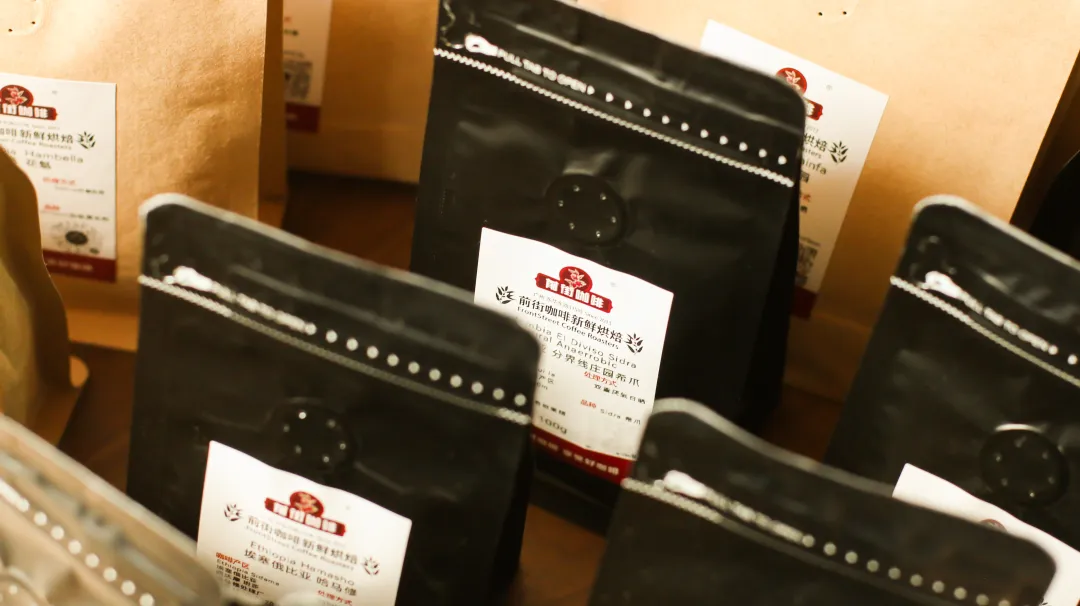
If you prefer floral and fruity notes, you can purchase Front Street Huakui SOE coffee beans. As a classic representative of African specialty coffee, Ethiopian coffee has always conquered a large following with its elegant and complex floral and fruity aromas, especially suitable for those who dislike bitterness. Unlike the light and subtle fragrance of pour-over, Huakui SOE presents clear orange blossom, berry, and citrus flavors, with a balanced sweet and sour taste on the palate, suitable for making small-cup Huakui SOE Americano, Huakui SOE Latte, and Huakui SOE Flat White.
No matter how you extract a coffee bean, freshness is crucial. If you use coffee beans roasted more than a month ago, some of the aroma may have already been lost, and an unpleasant woody taste may have developed. For this reason, Front Street Coffee ensures that only beans freshly roasted within 5 days are shipped, aiming to give everyone the most complete flavor window.
When we use lighter-roasted coffee beans to extract SOE, because the roasting time of the coffee beans is shorter, the internal texture is still relatively hard, making the flavor harder to extract. Therefore, it is necessary to adjust extraction parameters to increase the extraction rate, such as extending the extraction time, raising the water temperature, adjusting the grind finer, and increasing the dose.
The fineness of espresso grinding is far higher than that of pour-over drip grinding, and adjustments should not be too large, as this can easily lead to excessive variables and more unstable extraction. If you are not confident, try recording the parameters and taste each time, and summarize the relationship between extraction conditions and flavor performance, which will help us adjust quickly and save unnecessary waste.
The above content is compiled by CoffeeHunters, a coffee news website.


