







What Is SOE Espresso and Why Does It Cost More?
SOE espresso is espresso pulled from beans of a single origin, region, or estate rather than a blend. It gained attention after appearing at the 2007 World Barista Championship. The higher price does not guarantee better flavor: coffee is an agricultural product, so the same bean shifts with climate, soil, and roast, and a blend usually delivers more consistent results in milk drinks.
Flavor depends on three things: bean quality fluctuation, roast level, and extraction. For buying soe coffee beans, medium roasts or lots specifically designed for espresso tend to work well. Ethiopian origins suit a fresh, sweet-tart profile, high-altitude Central and South American beans bring rich fruity notes, and medium-dark Asian or South American beans help if acidity is unwanted.
When ordering at a café, you're often asked, "Would you like SOE or a blend?" SOE refers to espresso made from beans of a single origin or estate, which gradually gained popularity after appearing at the 2007 World Barista Championship. Is it necessarily better tasting than a blend? The answer isn't absolute. This article explains from three aspects—bean quality fluctuations, roast level, and extraction method—why SOE can sometimes be disappointing, and offers purchasing advice: prioritize medium roasts or single-origin beans specifically designed for SOE. If you enjoy a fresh, sweet-tart profile, consider Ethiopian origins; if you prefer rich fruity notes, look to high-altitude beans from Central and South America; if you dislike acidity, start with medium-dark roasted Asian or South American beans. The article also includes several SOE product recommendations from Front Street Coffee.
When ordering a latte or americano at a café, the staff often ask, "SOE or a blend?" You might wonder: what's the difference? But since it's pricier, it probably tastes better too—so you go with SOE to try it.
What exactly is SOE?
SOE (single origin espresso) refers to espresso extracted from coffee beans of only one origin, region, or estate. The practice of making espresso from single-origin beans first appeared at the 2007 World Barista Championship. Its debut also overturned a past belief—that espresso just needed a stable bitter taste (no disrespect intended), and as long as it remained rich and aromatic after adding milk or water, it was fine. That's why the industry commonly used blends to ensure flavor stability.
As the concept of specialty coffee spread, from single-origin pour-over to single-origin espresso, it reflected enthusiasts' ultimate exploration of flavor. This also led many to form a habitual association: SOE should taste better than a blend.
Is SOE necessarily tastier than espresso made from a blend?
Not necessarily. Some SOEs indeed achieve both flavor and body, performing brilliantly when water or milk is added. But in most cases, after drinking a beverage based on SOE, people think: "It wasn't that impressive—not as good as one made with a blend." Why is that?
First, coffee is an agricultural product. Even for the same bean, flavor varies due to climate, soil, and roasting approach. If you had a great SOE at a shop and return later to find it's the same bean but doesn't taste as good as before, it might be a new-crop bean, or the roasting approach was adjusted, causing the flavor to change.
In the past, people thought single-origin beans were of average quality and too jumpy in flavor for espresso, so they turned to blends for improvement. This solved the problem of large flavor inconsistencies in a shop's espresso due to harvest timing, slight roasting adjustments, or a poor crop of a certain bean.
Second, to present clear flavors, many SOEs use light-roasted single-origin beans. While light roasting highlights flavor, it often lacks body. Perhaps the bean is balanced and has body as a pour-over, but when made into espresso, due to the short extraction time, the body-giving substances in light-roasted beans haven't been released yet, resulting in a thin mouthfeel. Add milk or water, and the coffee flavor becomes diluted, tasting unremarkable.
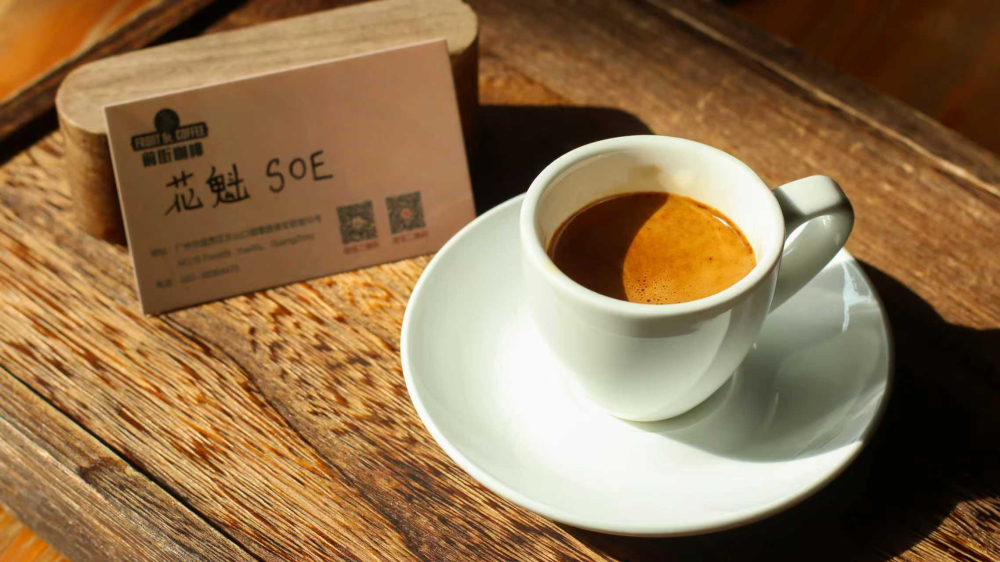
Third, pressurized extraction overly amplifies the bean's flavors, easily producing unpleasant notes. When Front Street Coffee usually extracts a light-roasted washed Yirgacheffe as pour-over, the flavors are distinctly citrus, floral, honey, and tea-like. If the same bean is made into espresso, the flavors tend to become sharp and astringent—one sip makes you wince.
Take pour-over as an example: most delicious beans are roasted quite light, but they don't necessarily perform well when extracted on a pressurized espresso machine. So when buying single-origin beans for SOE, you can choose medium-roasted beans, or directly select products designed specifically for SOE.
How do you judge whether a shop's SOE is successful?
You can look at it in two parts. One part is whether enthusiasts who understand the SOE concept and came specifically for it are satisfied with the cup and keep thinking about it; the other part is making those without an SOE concept feel that this cup tastes better than regular coffee.
Friends who enjoy a fresh, sweet-tart profile can prioritize Ethiopia's Sidamo, Yirgacheffe, and Guji—these are currently representative single-origin regions on the market, with brewed flavors typically high in sweetness and rich in fruit and floral notes. But these beans are mostly used for pour-over, cold brew, and Clever Cup, usually roasted light or medium-light. If used directly for espresso, they easily result in under-extraction, sputtering, and thin crema.
For this reason, for customers who like Ethiopian origins and need SOE, Front Street Coffee specially selected three natural-process single-origin beans and separately adjusted an espresso roasting profile, launching Front Street Coffee Huakui SOE Coffee Beans, Front Street Coffee Chaka SOE Coffee Beans, and Red Cherry SOE Coffee Beans.
If you prefer espresso with rich fruity notes and rounded sweetness, high-altitude beans from some Central and South American countries may suit you better, such as Colombia, Panama, Costa Rica, Guatemala, and Peru. To present the sweet aroma and caramel notes of the origin or variety, these coffees are mostly medium-roasted, making them compatible with various extraction methods.
Also, to maximize the fruity notes of SOE, consider single-origin beans processed with natural, honey, or anaerobic natural methods. For example, Front Street Colombia Sidra uses double anaerobic natural processing; the resulting SOE americano has distinct blueberry juice, passion fruit, and ripe grape flavors. Another one, Front Street Coffee Big Belly, also from Colombia but anaerobic natural, makes an SOE latte with orange, nut, and toffee aromas.
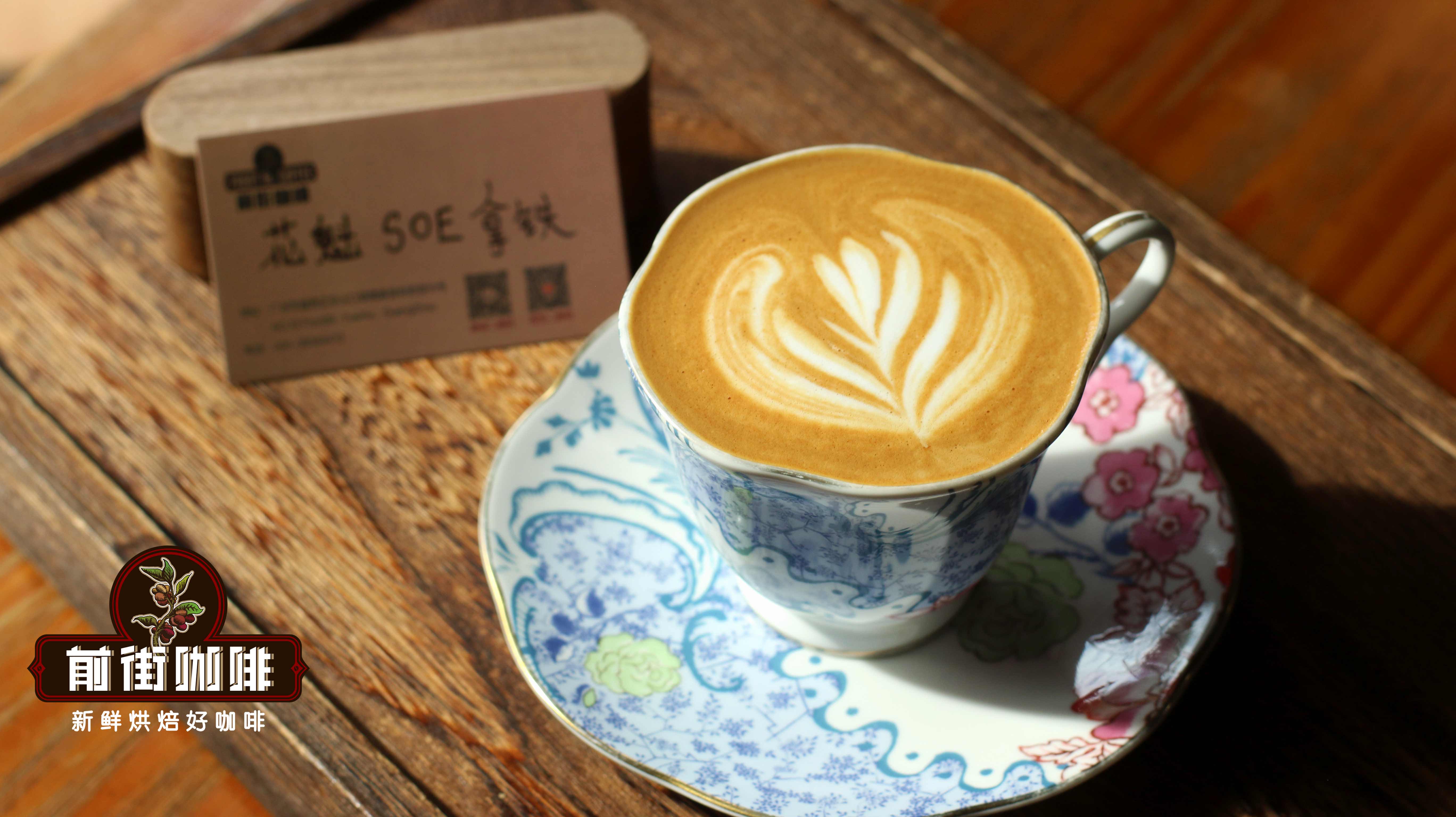
If none of the above single origins suit your taste, or you don't like acidic coffee, then look among single origins from Asia and South America, preferably medium to dark roasted. For example, espresso made from Front Street Brazil Cerrado and Front Street Colombia Queen's Estate beans shows a profile that is low in acidity, not bitter, and balanced.
For more specialty coffee knowledge, please follow: Front Street Coffee (Frontsteet Coffee)
The above content is compiled by CoffeeHunters, a coffee news website.


