







What Is SOE Espresso and Which Beans Work for It?
SOE espresso simply means Single Origin Espresso, so any shot pulled from a single-origin bean qualifies. In practice, two requirements decide whether a bean works well: the roast should not be too dark, and the flavor needs to stand out clearly in the cup. Beans that meet both conditions produce good straight shots and also hold up in americanos and milk drinks.
The trend follows the wider reach of specialty coffee. Washed lots such as Yirgacheffe taste clean, while natural, honey, and anaerobic fermented beans bring fruit-forward profiles. Medium-light roasts like Geisha, Huakui, and Sidra can suit a SOE americano or latte, though their acidity needs extraction adjustments to blend well with milk. Traditional darker blends remain easier for beginners to pull consistently at home.
In recent years, making SOE espresso with single-origin coffee beans has become increasingly popular, but not all single-origin beans are suitable. Starting from the definition of SOE, this article explains that as long as it meets the "single origin" condition, it can be called SOE, and further shares two requirements for coffee beans when making SOE: the roast should not be too dark, and the flavor needs to be sufficiently prominent. It then recommends suitable beans by style, covering clean and fresh washed beans, fruit-rich natural and honey-processed beans, and flavor-forward anaerobic fermented beans, with specific Front Street Coffee products as examples. The article also addresses the issue of low compatibility between acidity and milk when making lattes with medium-light roasted beans, offering extraction adjustment suggestions to help coffee lovers make delicious SOE americanos and lattes at home.
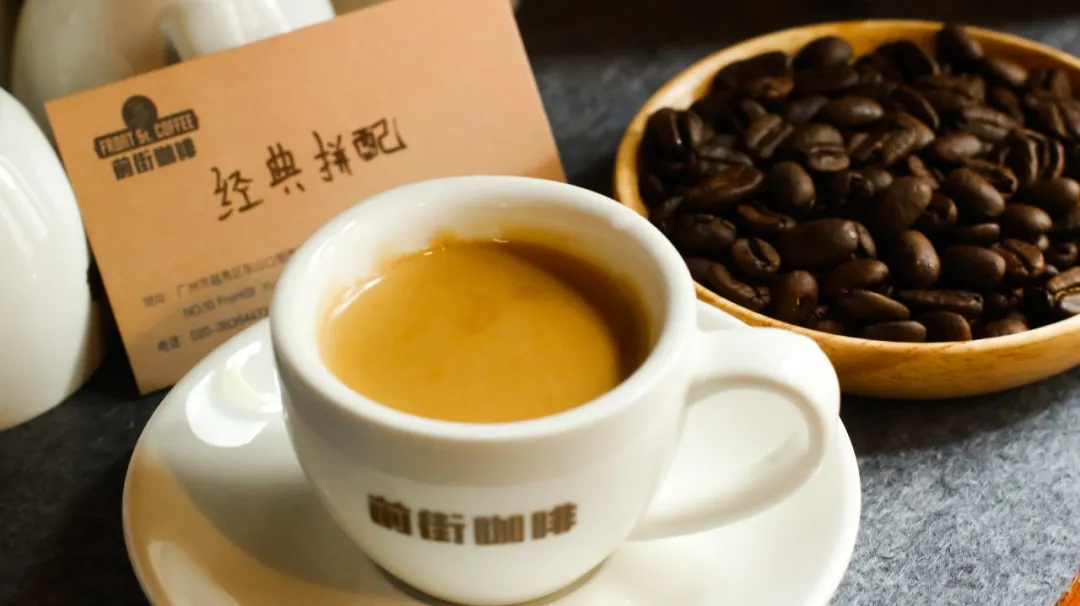
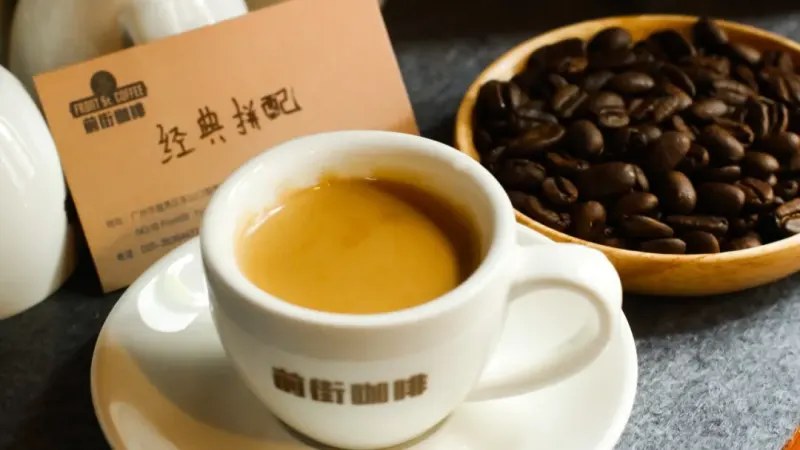
In the past, when you wanted to make an espresso, the beans available were basically limited to a few blends, and most were on the darker side of roasting. The extracted coffee tasted rich and full-bodied, with quite beautiful crema, but the flavor layers were often rather one-dimensional. So for customers who prefer traditional flavors, baristas usually recommend Front Street Classic Blend, Front Street Dark Cocoa Base Blend, Front Street Specialty Blend, and similar beans that inherently carry roasted aromas. They pair well with all kinds of espresso drinks and are also convenient for beginners to produce consistently at home.
Nowadays, as specialty coffee culture becomes more widespread, the beans available for making espresso have become more diverse. People no longer fixate only on blends and have begun trying single-origin beans to make SOE. Because of this, many people hope Front Street Coffee can recommend a few "beans suitable for making SOE" when purchasing coffee beans.
Strictly speaking, however, espresso made from any single-origin bean can be called SOE. SOE is the abbreviation of "Single Origin Espresso," meaning espresso extracted from single-origin coffee beans.
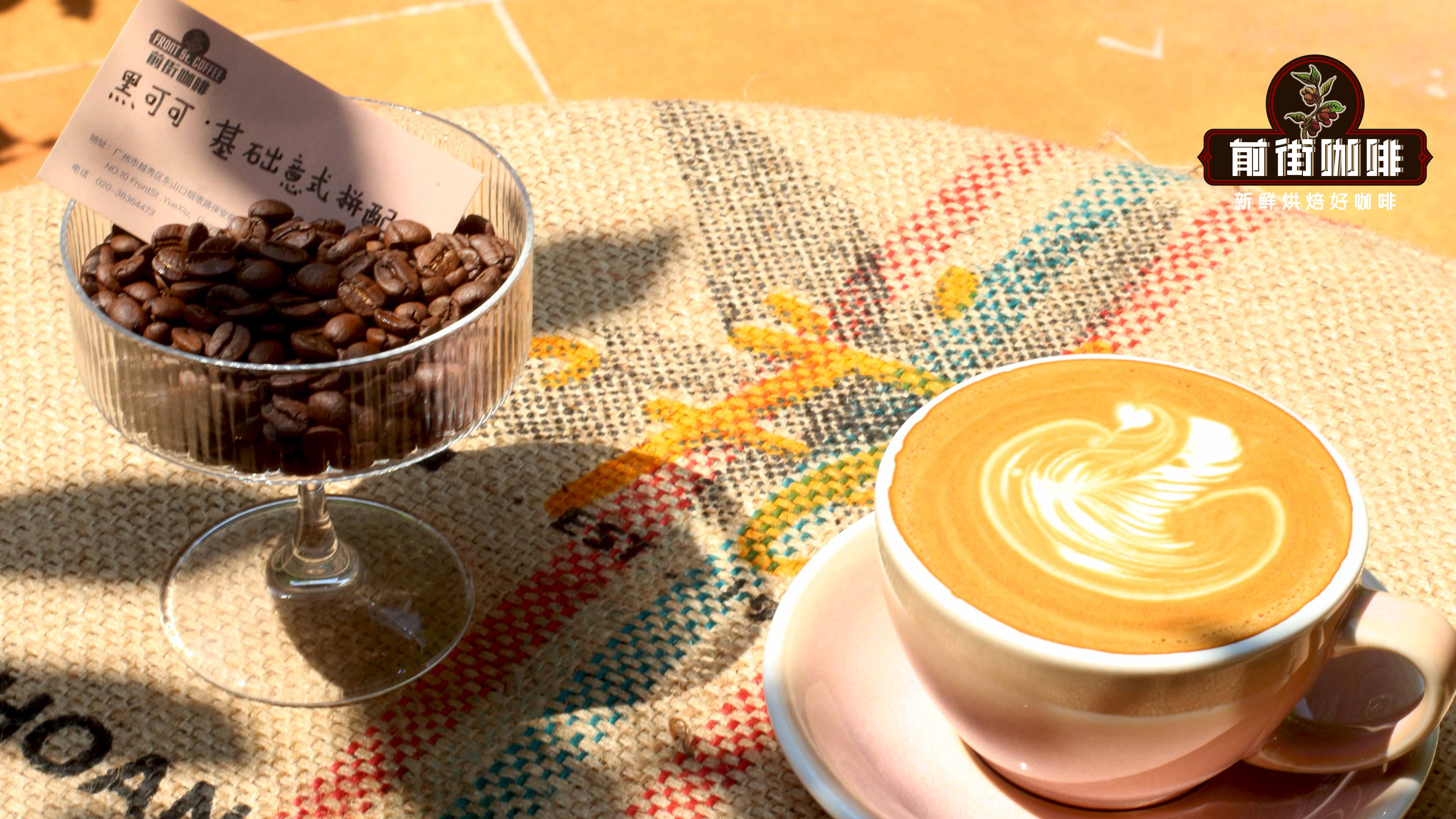
So-called single-origin coffee beans refer to beans from a certain country, region, processing plant, cooperative, estate, or farm, or from the same harvest batch. Since no coffee beans from other origins are mixed in, they belong to what we commonly call "single-origin coffee."
Simply put: as long as the coffee beans meet the hard requirement of "single origin," the espresso made from them can be called "SOE." For example, if you use Front Street's 25-yuan-a-bag Yirgacheffe everyday beans to extract an espresso, then it is a "Yirgacheffe SOE"; if you use Front Street's 88-yuan Panama Geisha to make an americano, then it is a Panama Geisha SOE americano... and so on.
That said, when actually selecting coffee beans for SOE, there are still some considerations. After all, the purpose of choosing single-origin beans for espresso is to differentiate from the common medium-dark roasted espresso flavor while also allowing the coffee to show a distinctive origin character. Therefore, single-origin beans used for SOE usually need to meet two conditions: "the roast level should not be too dark," and "the flavor should be sufficiently prominent."
There are actually quite a lot of coffee beans that meet these two points. For example, in Front Street's bean list, nearly 95% of the beans qualify. To avoid overwhelming choices, Front Street will now share which single-origin beans coffee shops commonly use for SOE, or rather which single-origin beans are more suitable for making espresso drinks.
1. Clean and fresh SOE
If you want an espresso with a clean mouthfeel and an overall fresher flavor profile, you can choose medium-light roasted washed beans from Africa or Central and South America. For example, Front Street Boquete Geisha and Front Street Gotiti from Front Street's bean list.
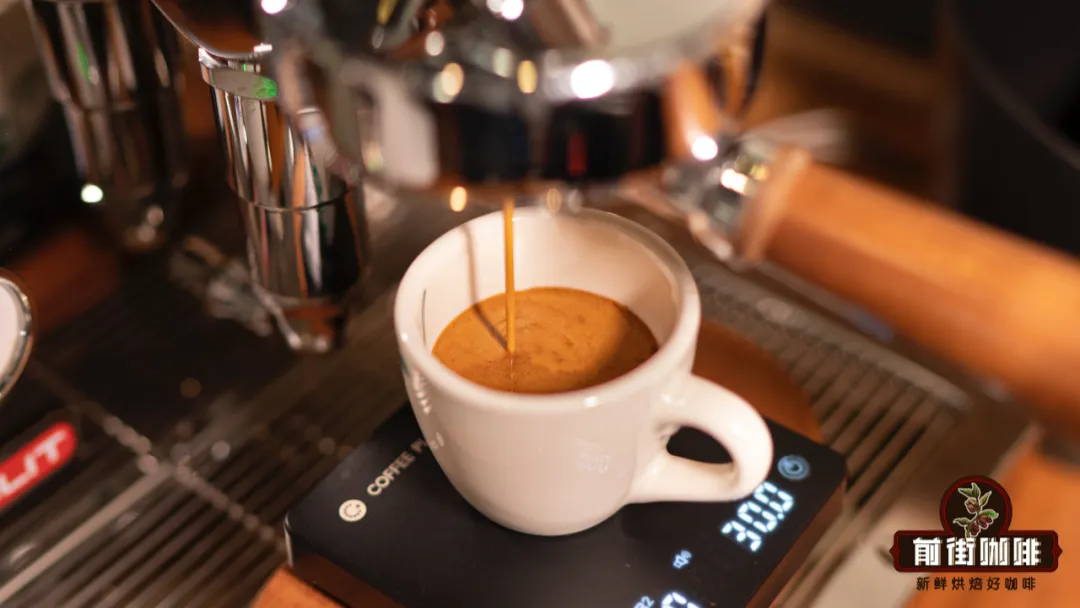
These beans usually have relatively soft fruit acidity, elegant floral notes, and a bit of fresh tea-like quality. The espresso, americano, and other espresso-based black coffees made with them have an overall clean and refreshing texture and a gentle taste, drinking much like a cup of floral fruit tea.
The downside is that the flavor is rather light and can easily be overpowered by milk. So when making lattes and other milk coffees, it is best to appropriately reduce the amount of milk so the coffee's own characteristics are not masked.
2. Fruit-rich SOE
If you want coffee that is sweet and tart with relatively rich fruit flavors, you can choose medium-light roasted natural or honey-processed beans. For example, Front Street Alo, Front Street Huakui, Front Street Sun-Dried Red Cherry, or black-honey-processed Front Street Blackberry from Front Street's bean list.
These beans have more substances participating in fermentation during processing, thus developing richer fruit flavors; at the same time, they undergo sufficient caramelization during roasting, so sweetness is also higher. The espresso, americano, and other espresso-based black coffees made with them are mainly sweet and tart, with a round and full mouthfeel, and you can clearly taste citrus, berry, and other fruity acidity.
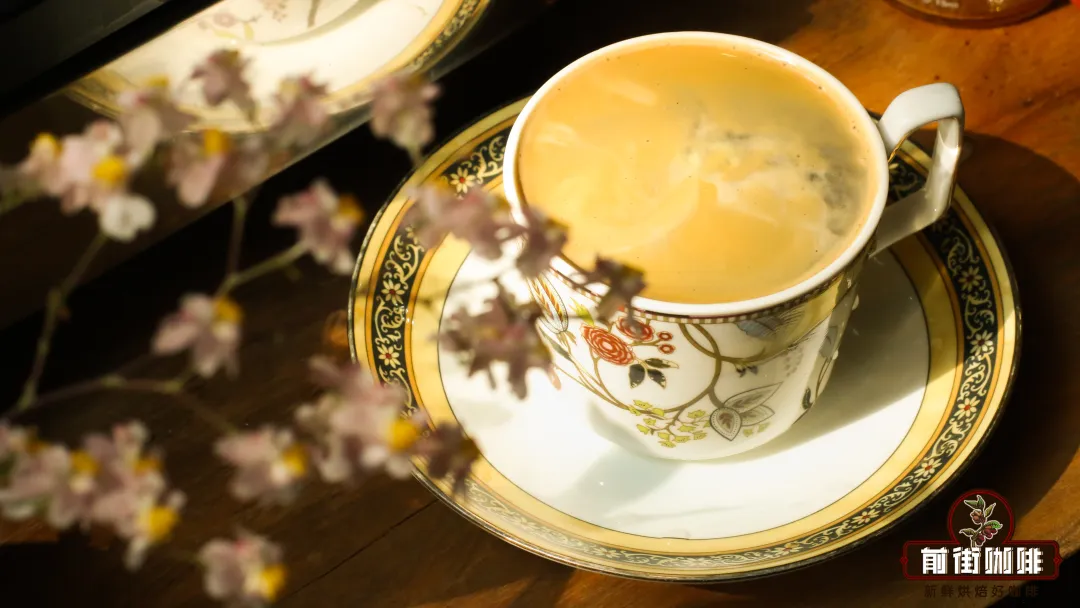
When made into lattes and other milk coffees, because the flavor is richer, the ratio does not need major adjustment. Lattes made with them show some fruity aroma and a relatively mellow mouthfeel (compared with light-roasted washed beans), performing quite well.
3. Flavor-forward SOE
If you want to taste very distinct, strongly directional flavors from espresso, you can choose medium-light roasted anaerobic fermented beans. For example, Front Street División Estate · Sidra, Big Belly Button, Front Street Costa Rica · Strawberry Candy, and Front Street Elida Estate · Anaerobic Catuai from Front Street's bean list.
Anaerobic fermented beans have a deeper degree of fermentation, thus developing very intense coffee flavors, which is also why they are the most commonly used single-origin beans for SOE in many specialty coffee shops. The espresso, americano, and other espresso-based black coffees made with them present multiple obvious and prominent aromas. Taking Front Street's División Sidra as an example, the americano made with it tastes richly of grape, passion fruit, and apricot, sweet and tart, with a full mouthfeel, and is very delicious.
The same goes for making lattes. Still taking Sidra as an example, a latte made with Sidra has obvious sweet aromas of grape and apricot, along with a little caramel and chocolate milk flavor, and performs very appealingly.
Of course, heavily fermented beans also have a downside, though this downside varies from person to person—they carry a relatively strong fermented taste. People who like it love it very much, while those who do not find it hard to accept. So if you can accept a fermented flavor similar to wine aroma, using anaerobic fermented beans to make SOE is a very good choice; if you cannot accept it, Front Street would suggest switching to natural processed beans.
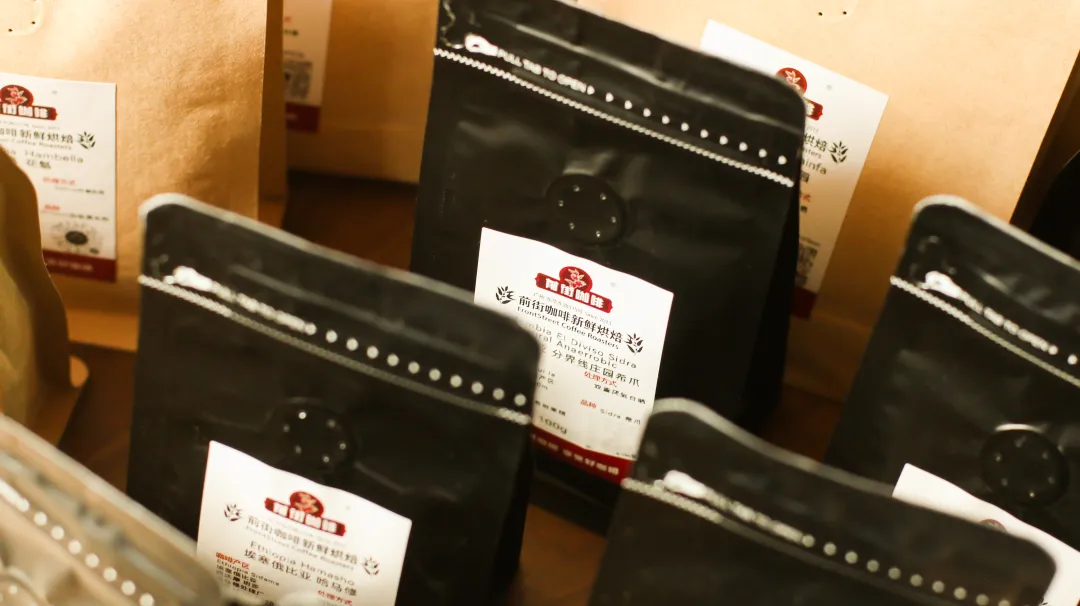
There is one more thing worth noting: these medium-light roasted beans all have acidity, and acidity has low compatibility with milk. If you do not want to make a cup of milk coffee with jarring flavors, when extracting espresso with these medium-light roasted beans, it is best to extract a bit more to bring out more bitterness, thereby balancing the acidity and preventing the milk coffee from feeling disjointed.
The specific method has been shared by Front Street in previous articles, so it will not be expanded here. That is all for Front Street's sharing this time. Friends who are interested may as well give it a try at home~
The above content is compiled by CoffeeHunters, a coffee news website.


