







What Makes SOE Coffee Different from a Blend?
SOE coffee stands for Single Origin Espresso, espresso pulled from beans of one origin rather than a blend. Traditional espresso blends are usually dark roasted, giving a heavy, fairly uniform cup, while soe coffee beans can be light roasted and show the distinct aroma and layered acidity of a single region, such as an Ethiopian Yirgacheffe.
Bean selection turns on three things: origin, roast level and processing method. Light-roasted Ethiopian lots, fruity fermented beans and medium-dark roasted beans each need different grind size, dose and liquid yield to pull cleanly. Adjusting those parameters to the bean, rather than forcing one recipe on every lot, is what produces a smooth SOE shot.
In recent years, specialty coffee culture has continued to take root in China, and more and more cafés are putting single-origin beans from different regions on their menus. As a result, SOE has become a hot topic among coffee lovers. SOE stands for Single Origin Espresso, referring to espresso extracted from coffee beans of a single origin. How does it differ in flavor expression from traditional espresso blends? What kind of beans should be chosen for making SOE, and how should grind size, dose, and liquid yield be adjusted? Based on Front Street Coffee's actual production experience, this article breaks down the logic of bean selection around three dimensions—origin, roast level, and processing method—and provides specific extraction fine-tuning plans for light-roasted Ethiopian beans, fruity fermented beans, and medium-dark roasted beans, helping you make a smooth and delicious cup of SOE.
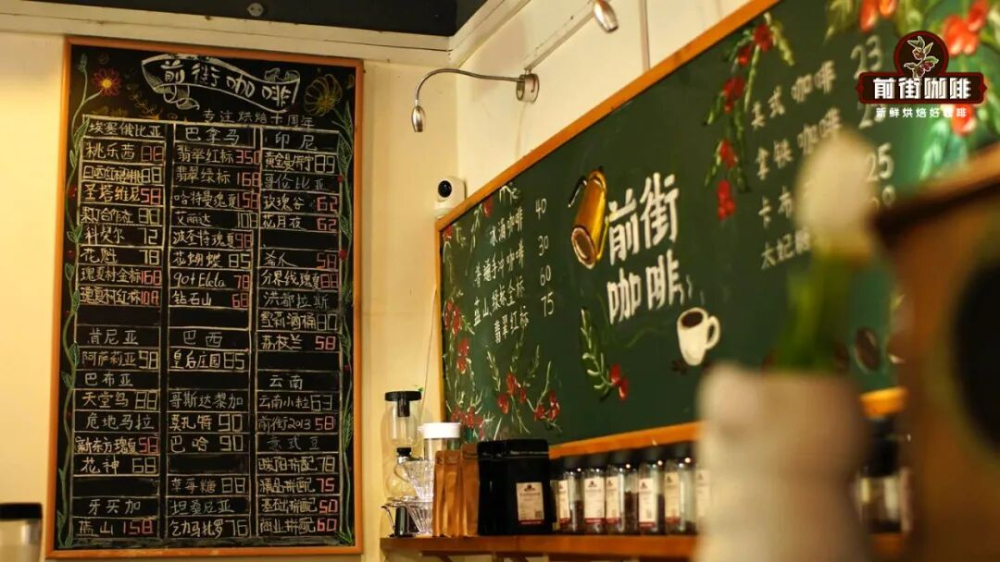
The wave of specialty coffee in China keeps coming, one after another, and outstanding single-origin coffee beans from around the world are constantly appearing on café menus. These beans not only come with detailed traceability information such as origin, processing method, and altitude, but many single-origin lots are also unforgettable at first sip thanks to their highly recognizable aromas. Take Front Street's store as an example: the bean list alone takes up an entire blackboard, with nearly 50 products lined up in a row. From fruity acidity to sweet and mellow richness, from light and refreshing to intense and full-bodied, there is always one to suit your taste.
In the past, the options for making espresso were actually quite limited—basically just a few blends, and most were dark roasted. The resulting espresso tasted heavy, and the flavor layers were relatively monotonous. Now the situation is completely different. There are more and more types of beans, and many friends have started thinking about using single-origin beans to make SOE, hoping to get a cup of espresso with a distinct personality.
What exactly does SOE mean?
To review once more, SOE is the abbreviation of Single Origin Espresso, which literally translates into Chinese as "espresso made from single-origin coffee beans." The core emphasis lies in the words "single origin."
An example makes it clear: if you use 25-yuan Front Street Yirgacheffe everyday drinking beans to extract a cup of espresso, this cup is called "Yirgacheffe SOE"; if you use the 158-yuan Front Street Blue Mountain No. 1 to make an Americano, that is a "Blue Mountain SOE Americano"; and if your budget is ample enough and you buy a bag of the most expensive Front Street Emerald Red Label Geisha to make a latte, this milk coffee is called a "Red Label Geisha SOE Latte."
What kind of coffee beans should be chosen for making SOE?
Whether blends or single-origin beans are used, the beans ultimately have to withstand the high temperature, high pressure, and fine-grind extraction of an espresso machine—hot water quickly passes through the coffee puck in just a few dozen seconds and becomes espresso. During this process, the flavors of the coffee beans themselves are magnified exponentially.
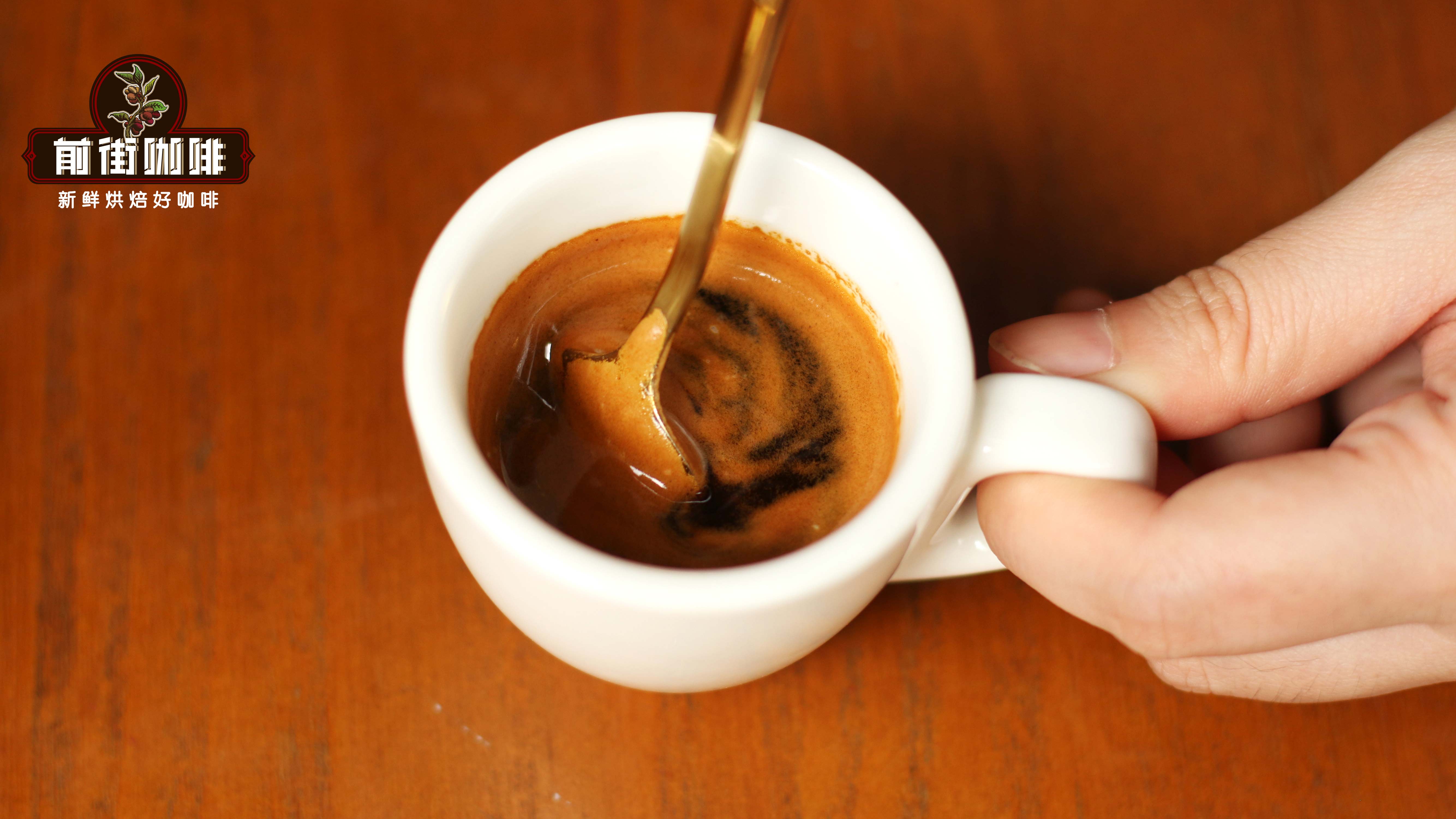
This is where common problems arise: if single-origin beans that are roasted too light are used, the acidity of the espresso will spike sharply while the aroma seems thin; conversely, if beans roasted too dark are used, the espresso is left with only bitterness and burnt notes, with no personality at all. So if you want to make delicious SOE, choosing the right beans is the first hurdle. Based on Front Street's practical experience, approaching it from the three angles of origin, roast level, and processing method can help you lock in the SOE type that suits you more quickly.
Friends who prefer a fresh, sweet-and-sour style can give priority to naturally processed single-origin coffees from African regions. For example, Ethiopia's Sidamo, Yirgacheffe, and Guji are all highly representative single-origin regions on the market today, and after brewing they often show relatively high sweetness with rich fruit and floral notes. However, these beans are usually used for pour-over, cold brew, or Clever Cup, and their roast level tends to be light or medium-light. If they are directly used to make espresso, problems such as under-extraction, spraying of coffee liquid, and a thin layer of crema easily occur.
For customers who like the Ethiopian region and also need to make SOE, Front Street specially selected three naturally processed single-origin coffees and designed a separate espresso roasting profile for them, launching Huakui SOE coffee beans, Chaka SOE coffee beans, and Red Cherry SOE coffee beans respectively.
If you prefer espresso with rich fruit aromas and rounded sweetness, beans from high-altitude regions in Central and South America may suit your taste better. Coffees from countries such as Colombia, Panama, Costa Rica, Guatemala, and Peru mostly use medium roasting in order to showcase the sweet aroma profile and caramel notes of the origin or variety, so they can accommodate multiple extraction methods.
In addition, if you want to bring out the fruitiness of SOE to the fullest, you might start with single-origin beans processed by natural, honey, or anaerobic natural methods. For example, Front Street Colombia Papayo uses double anaerobic natural processing, and the resulting SOE Americano has clear flavors of blueberry juice, passion fruit, and ripe grapes; another one, also from Colombia and using anaerobic natural processing, Big Belly, has aromas of orange, nuts, and milk candy when made into an SOE latte.
If none of the above single-origin coffees suits you, or if you yourself do not particularly like acidic coffee, then look among single-origin coffees from Asia and South America, and it is best to choose products with a roast level in the medium to dark range. For example, using Front Street Brazil Cerrado and Colombia Reina Estate to make espresso can show a style that is low in acidity, not bitter, and balanced in mouthfeel.
How can you make a delicious cup of SOE?
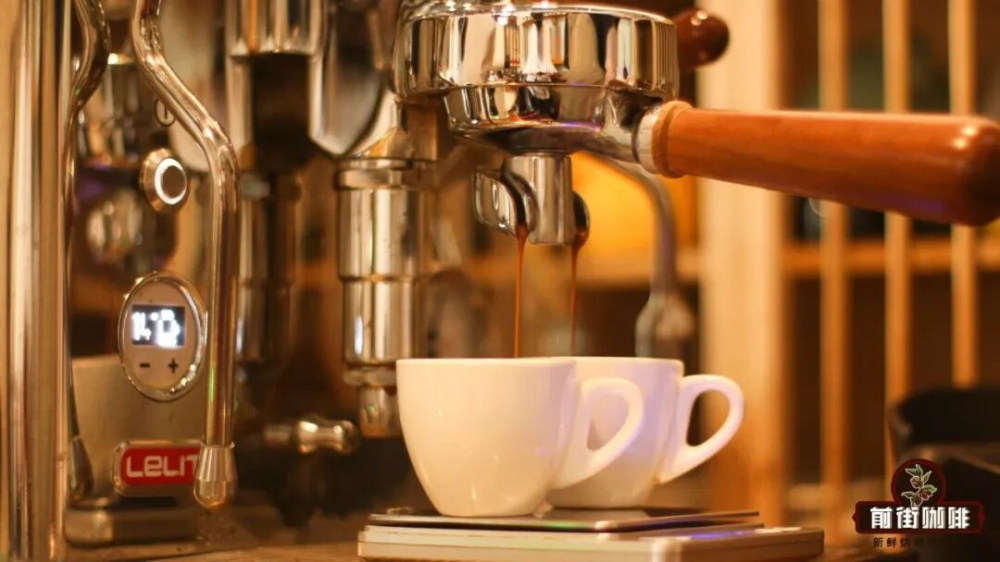
Actually, making good SOE is not complicated; the approach is the same as daily espresso dialing in. The first step is still to apply the basic formula of a 1:2 coffee-to-liquid ratio, with time controlled between 25 and 35 seconds, and grind size determined by whether the flow rate can fall within this time range.
For example, Front Street uses 20g of Huakui SOE coffee powder to extract 40g of coffee liquid (18g powder corresponds to 36g liquid). If the time is far less than 25 seconds, it means the grind is too coarse and needs to be made finer; if the coffee liquid finishes flowing in about 30 seconds, then the grind size is basically right, and the setting does not need to be changed.
Because SOE is mostly ultimately made into fancy coffees such as Americano, latte, and flat white, after the espresso is set, you also need to make a few targeted fine adjustments to the extraction plan based on SOE's own flavor direction.
If you are using medium or medium-light roasted Ethiopian beans, and the regional flavor leans toward fresh notes such as floral aromas, bright fruit acidity, and berries, the extracted espresso often has thin or even no crema. At this time, you can increase the dose by 0.3–0.5g to make up for the lack of aromatic substances. For example, Front Street will use 20.5g of Huakui SOE coffee powder and extract 40g of coffee liquid in 31 seconds as the base. The resulting Americano is refreshing with sweet acidity, and the coffee strength of the latte will also increase, allowing you to better perceive the aroma after the espresso and milk blend.
When using single-origin beans that are fruity and carry a certain fermented flavor to make SOE, the espresso itself already has a rich sweet-and-sour sensation. If you want the SOE Americano to also present abundant aromas, you can increase the espresso extraction yield by 3–5g; the coffee's sweetness will be higher and the finish more lasting. If you are making an SOE latte and want to highlight the aroma of the single-origin beans, you only need to reduce the amount of milk. Suppose you originally used 200g of fresh milk; in this case you can reduce it to 160–180g.
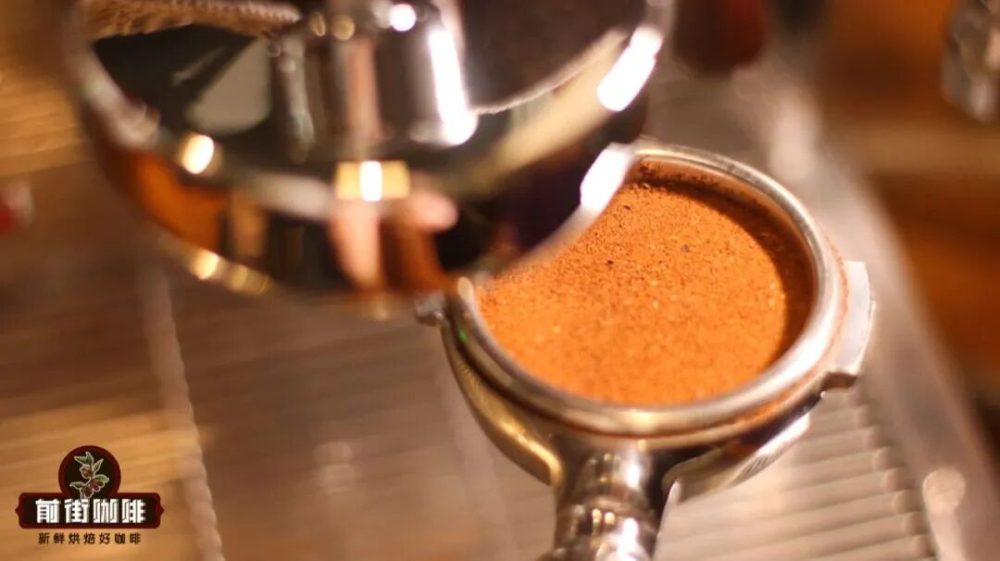
The last common scenario is when using medium-dark roasted single-origin beans, and the SOE develops pungent flavors such as tire, hay, smoke, and charcoal. This indicates that the espresso has most likely been over-extracted, and making it into an Americano or latte will naturally be hard to swallow. The remedy is simple: reduce the espresso extraction yield by 3–5g, and the defective finish can be effectively removed.
But if you find that the coffee aroma is weak, the aftertaste is short, and the acidity is prominent, that means the SOE may be under-extracted. You need to slightly make the grind finer and extend the extraction time by 2–3 seconds, thereby ensuring a moderate coffee strength.
The above content is compiled by CoffeeHunters, a coffee news website.


