







Search Results for: light
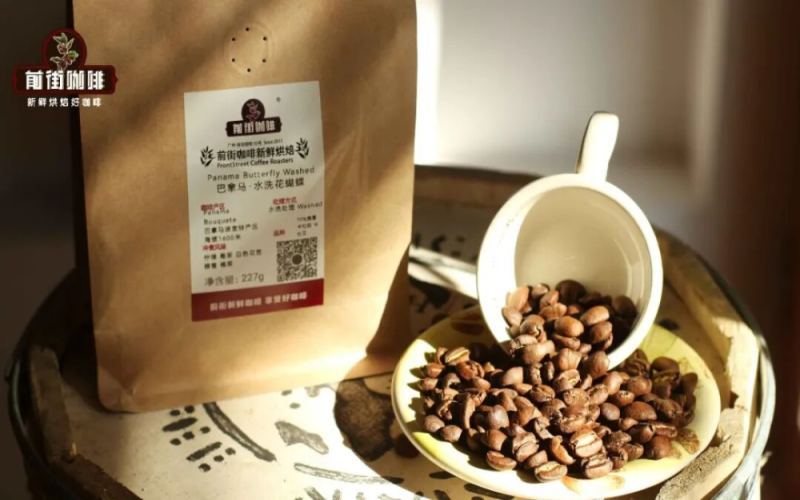
What Is Nordic Ultra-Light Roast Coffee? A Comprehensive Analysis of Front Street Medium-Light Roast and Japanese Dark Roast
Have you ever heard of "ultra-light roast coffee"? It originated in Northern Europe and uses high-temperature, fast roasting to pursue the bright acidity and floral and fruity aromas of coffee beans, and is often described as "like drinking tea or juice." Completely different from the rich, mellow aroma of Japanese-style dark roasting, Nordic light roasting emphasizes regional flavors and a light, clean mouthfeel. As a self-roasting brand, why doesn't Front Street Coffee launch ultra-light roast beans? This article will comprehensively analyze the definition, characteristics, and production challenges of ultra-light roast coffee from the perspectives of roasting rhythm, chemical reactions, extraction difficulties, and more, and compare the differences between Front Street's medium-light roast and Japanese-style dark roast, helping coffee lovers find the flavor direction that suits them. [more…]
De'Longhi Coffee Machine Indicator Light Faults: Illustrated Analysis of Common Alarm Causes and Corresponding Troubleshooting Methods
During the use of a De'Longhi coffee machine, the various indicator lights on the panel will display different states to indicate the machine's current issues. This article uses diagrams to explain one by one the meanings of the water shortage light flashing and staying on, the coffee grounds container indicator light flashing and staying on, the extractor abnormality represented by the triangular exclamation mark indicator light, and the excessive bean amount issue when the grounds container and exclamation mark flash simultaneously. It also introduces the meanings of the display icons on mid-to-high-end models, including water shortage, bean shortage, full grounds container, and descaling prompts. If the problem still cannot be resolved after troubleshooting step by step, it is recommended to contact a professional repair technician. We hope this is helpful to friends who are currently using De'Longhi coffee machines. [more…]
What is the difference between light roast and medium-light roast coffee beans? A guide to buying medium-light roast pour-over single-origin beans
The roast level of coffee beans directly affects the flavor in the cup. This article starts with the difference between light roast and medium-light roast, sorting out the evolution logic of acidity, sweetness, and bitterness during the roasting process, helping readers understand why beans roasted below medium level are more likely to present floral and fruity notes. At the same time, it compiles a shopping list of medium-light roast pour-over single-origin coffee beans, covering many popular beans under Front Street Coffee such as Huakui, Geisha, Blackberry, Yirgacheffe, Little Tomato, Butterfly, Strawberry Candy, Xizhua, etc., with recommendation ratings and flavor descriptions attached for daily purchasing reference. [more…]
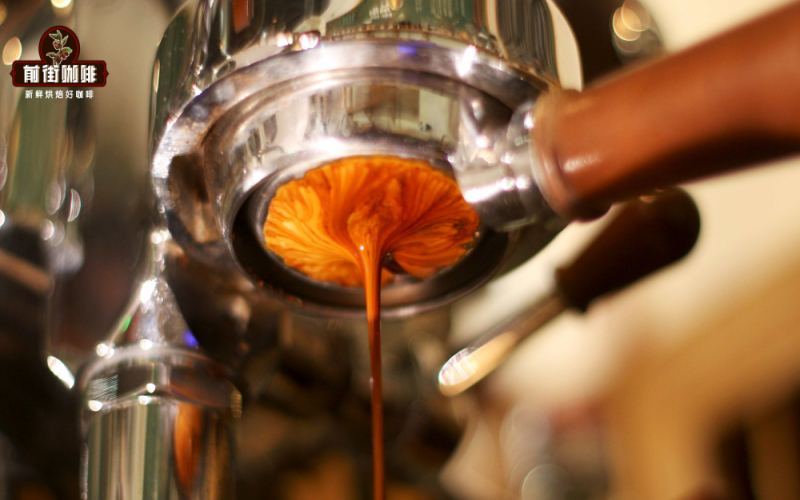
Are Light Roast Coffee Beans Suitable for Espresso? A Full Analysis of Grind, Dose, Pressure Adjustment, and Flavor Performance
Can light-roast coffee beans hold their own in espresso? This is a question many coffee lovers are curious about. Building on Front Street Coffee's previous tests, this article further sorts out the practical key points and flavor tendencies of making espresso with light-roast beans. Starting from common misconceptions, the article analyzes why light-roast espresso tends to be sharply acidic, and breaks down one by one how the three key variables—grind size, dose, and extraction pressure—should be adjusted. At the same time, for different taste preferences, it recommends suitable beans such as Front Street Coffee's Classic Blend, Commercial Blend, PWN Golden Mandheling SOE, and Strawberry Candy Espresso. Finally, it objectively describes the drinking experience of light-roast espresso to help readers decide whether it is worth a try. [more…]
A Guide to Extracting Light-Roast Espresso Beans: Flavor Characteristics, Common Issues, and Bean Selection Tips for Home Espresso Machines
Can light-roast coffee beans hold their own in espresso? Building on Front Street's earlier tests, this article takes a closer look at the flavor performance and key operating points of making espresso with light-roasted beans. From the causes of sharp acidity and channeling to adjustment strategies for grind size, dose, and pressure, it breaks down the pitfalls in extraction one by one. At the same time, for home and office scenarios, it recommends coffee beans with different positioning, such as Front Street Classic Blend, Commercial Blend, PWN Golden Mandheling SOE, and Strawberry Candy Espresso, helping coffee lovers find the espresso that suits them among acidity, crema, and sweetness. [more…]
Coffee Bean Starter List | What's the Difference Between Light Roast and Medium-Light Roast Coffee Beans? Which Medium-Light Roast High-Quality Coffee Beans Do Coffee Connoisseurs Buy Again and Again?
When it comes to coffee beans, everyone probably knows that coffee is made from green beans that have been roasted into roasted beans. There are several degrees of roasting. Generally speaking, the ones most commonly seen in coffee shops are mainly these levels: light roast, medium-light roast, medium roast, medium-dark roast, and dark roast, but there is no clear boundary between them. And as a consumer [more…]
A Complete Guide to De'Longhi Coffee Machine Fault Indicator Lights: Meanings of Various Lights and Flashes and Troubleshooting Methods
During the use of a De'Longhi fully automatic coffee machine, the indicator lights on the panel convey the machine's operating status and fault information through different states. Understanding the meaning of these light signals can help users quickly identify problems and take the correct measures. This article systematically organizes the common fault light behaviors of De'Longhi coffee machines, including warning lights turning on, lights flashing, and lights staying steadily on, and provides detailed troubleshooting steps and repair suggestions for specific issues such as a damaged brewing unit motor, coffee flowing too slowly, a clogged grinder, and a full grounds container. It also reminds users to pay attention to protecting the circuit board during inspection and repair to avoid secondary damage caused by improper operation. [more…]
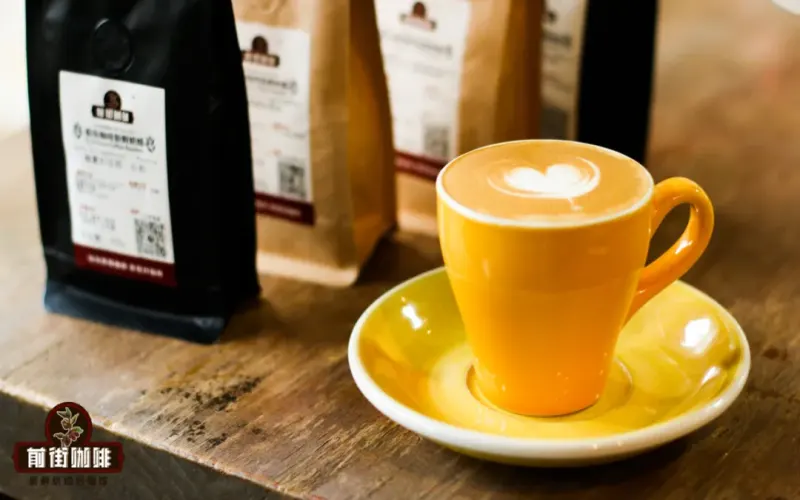
Is It Feasible to Make Espresso from Single-Origin Beans for Pour-Over? Differences Between Light Roast and Blend Beans and Extraction Adjustment Approaches
Many coffee enthusiasts stock up on single-origin pour-over beans during Front Street Coffee's monthly limited-time events, yet their purpose is to make espresso. However, single-origin beans are mostly medium-light or light roasts, which differ significantly in roast level from the dark roasts commonly used for espresso. Directly applying dark roast parameters often results in espresso that is sharply acidic and thin. This article focuses on this topic, first explaining the essential differences in density and brittleness between dark and light roast beans, then providing grinding adjustment ideas and reference formulas for light roast single-origin beans, and finally, from the two directions of dose and milk ratio, explaining how to keep light roast espresso from being diluted and masked in milk-based coffee, along with practical tips for making milk coffee. [more…]
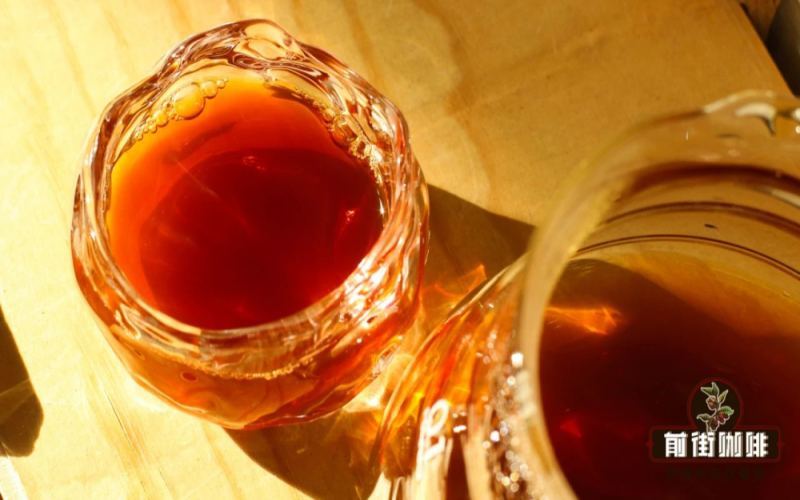
Why Does Light Roast Coffee Often Have Citrus Notes? Eight Front Street Light Roast Beans Worth Trying
Citrus, floral notes, and fruity acidity are almost the signature labels of light to medium-light roasted coffee. Browse the descriptions of a whole array of coffee beans with floral and fruity profiles on the market, and eight or nine times out of ten the word "citrus" will appear—sometimes placed at the very front, sometimes tacked on at the end. Even when the literal characters "gan" or "ju" don't appear, it's mostly swapped for lemon, sweet orange, grapefruit, tangerine, or similar fruits of the same family. These beans are usually light or medium-light roasted. So where exactly does the citrus sensation come from? And which light-roasted beans with prominent floral and fruity aromas and a solid reputation are worth trying? This article starts with the aroma composition of citrus fruits, combines the fruit attributes of coffee itself with the influence of roast level, explains the source of this flavor association, and compiles eight light-roasted coffee beans recommended by the Front Street brand for enthusiasts to reference when shopping. [more…]
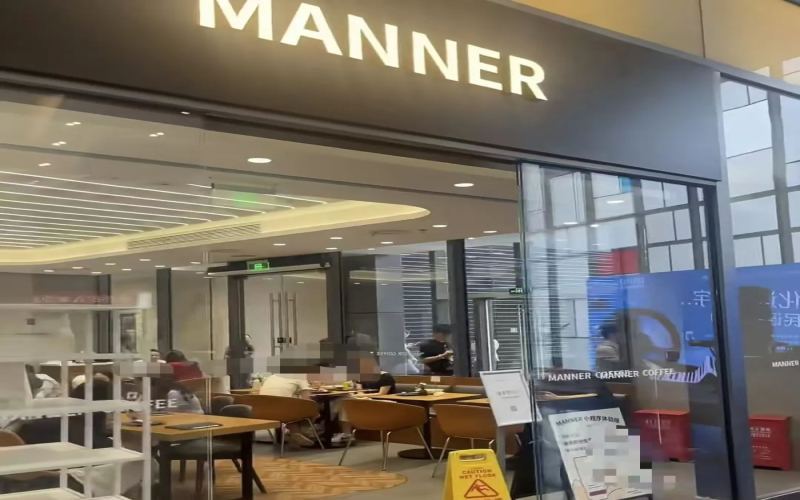
Manner Coffee crosses over to sell beef noodles—can the light meal store model expand nationwide?
Recently, netizens discovered that at a Manner store beneath an office building in Shanghai, customers had steaming hot beef noodles in front of them instead of coffee, sparking widespread discussion. In fact, back in early 2021, Manner opened its first light-meal store in Shanghai, offering beef noodles, fried rice, salads, and other dishes priced between 25 and 50 yuan, developed by chefs from Black Pearl restaurants. Manner has now opened several light-meal stores in Shanghai, Nanjing, Shenzhen, Nanning, and other cities, though one Nanning location has discontinued its light-meal service due to a change in premises. Compared with its bakery stores, Manner's light-meal stores have drawn relatively little attention on social media. Some consumers believe the light-meal audience is limited and that the stores are few in number and concentrated in first-tier cities. Still, many netizens hope Manner will expand its light meals so that more office workers can enjoy healthy, reassuring workday meals. [more…]
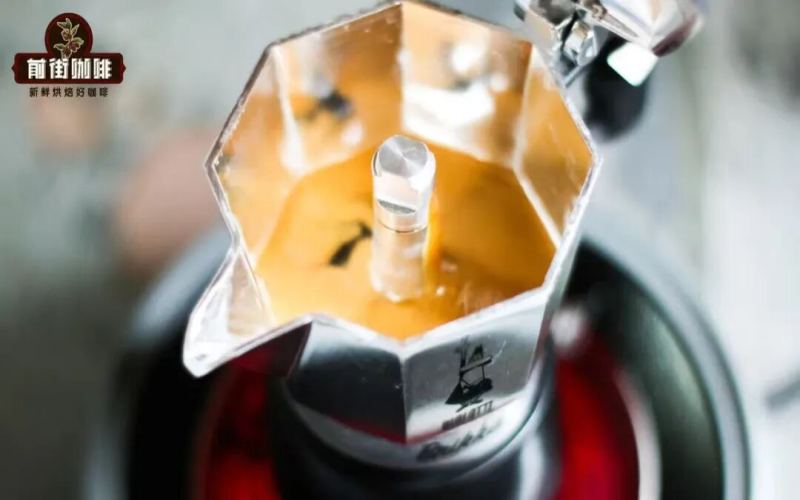
Moka Pot Coffee | Why Do Light Roast Coffee Beans Often Fail in a Moka Pot? What Should You Watch Out for When Making Moka Pot Coffee with Light Roast Beans?
After drinking too much coffee of a certain flavor, we always want to switch things up and try something new. For example, some friends who use moka pots, even though they usually buy deeply roasted coffee beans full of caramelized aroma to make moka pot coffee, occasionally want to switch to light roast beans and experience the floral and fruity notes of light roast coffee. However, due to the [more…]
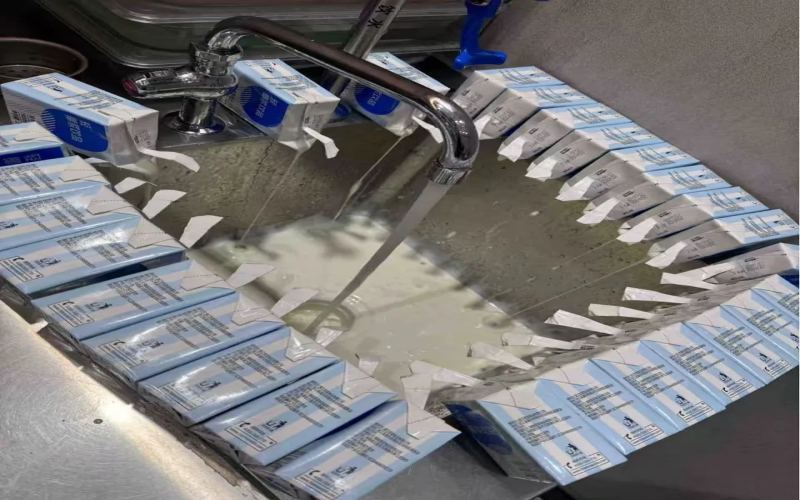
Luckin's Light Coconut Milk series was abruptly discontinued—why did both the Coconut Americano and Light Milk Tea fall flat?
Luckin Coffee is known for frequently launching new products, but not every new release wins market favor. The light coconut milk series has received a lukewarm response since its launch: the raw coconut light milk tea was criticized as inferior to Assam, and the raw coconut Americano was even mockingly called dishwater. To reduce waste, the brand switched to mini-sized ingredients, but with little effect. In the end, these two products were completely removed from the menu, with employees busy destroying inventory while consumers looked on with glee. Front Street Coffee takes you through the rise and fall of this product trial. [more…]
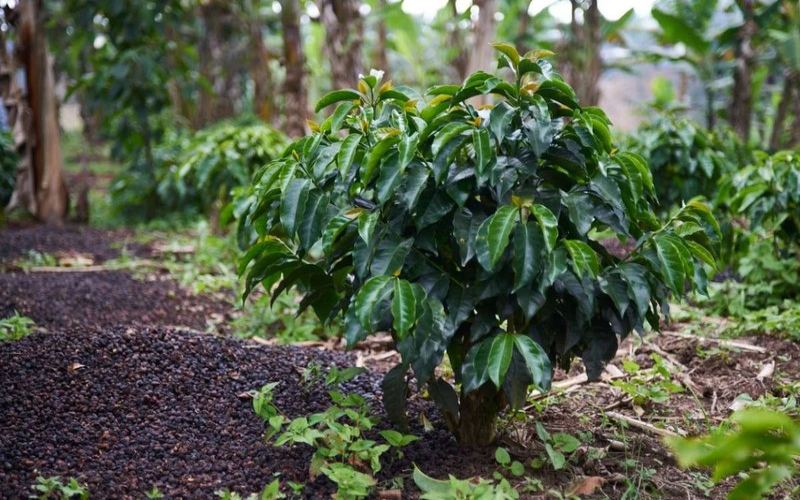
Light roast floral beans: roast level determines floral and fruity expression
The charm of light-roasted floral coffee beans often begins the moment you open the bag: aromas of petals, citrus, berries, or tropical fruit reach your nose first, while the sip brings bright acidity and sweetness. When choosing by roast level, don't just fixate on the words "light roast"—also note whether it sits at the early stage of light roasting, a standard light roast, or has already edged toward [more…]
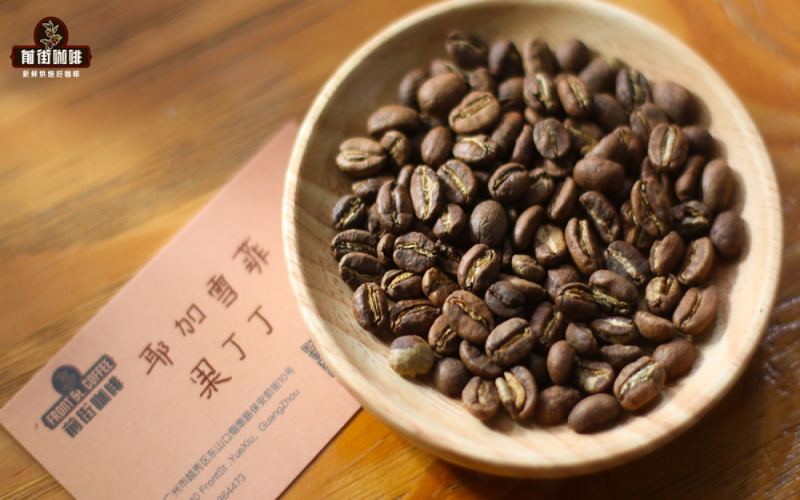
Light Roast Coffee Pour-Over Extraction Parameters | Are Light Roast Coffee Beans Only Sour? 5 Light Roast Specialty Pour-Over Coffee Beans with Rich Fruity Flavors
For pour-over brewers, the first thing to consider before developing a brewing plan is the roast level of the coffee beans, as the extraction performance of coffee differs across roast levels. Light roast beans, due to their lighter roast level, retain more floral and fruity aromas, and are therefore deeply loved by coffee enthusiasts. So which coffee beans are considered light roast? Today [more…]
A curated guide to light-roast coffee beans: flavor profile analysis and practical pour-over parameter recommendations
The flavor profile of pour-over coffee is often foreshadowed at the bean selection stage, and the roast level is the most critical part of it. Light-roasted coffee beans, due to shorter roasting time and lighter dehydration, retain more of their original floral and fruity aromas and organic acids, presenting a bright and richly layered cup performance. However, many friends who have just encountered light-roasted beans often have a misunderstanding, thinking that light roast equals sour and hard to swallow. In fact, a high-quality light roast coffee should be in a balanced state of sweetness within the acidity, weak bitterness, and elegant aroma. This article will start from the definition of light-roasted beans, introduce five Front Street light-roasted coffee beans suitable for beginners one by one, and include a complete three-stage pour-over operation process and parameter suggestions to help you more calmly extract the ideal flavor of light-roasted coffee. [more…]
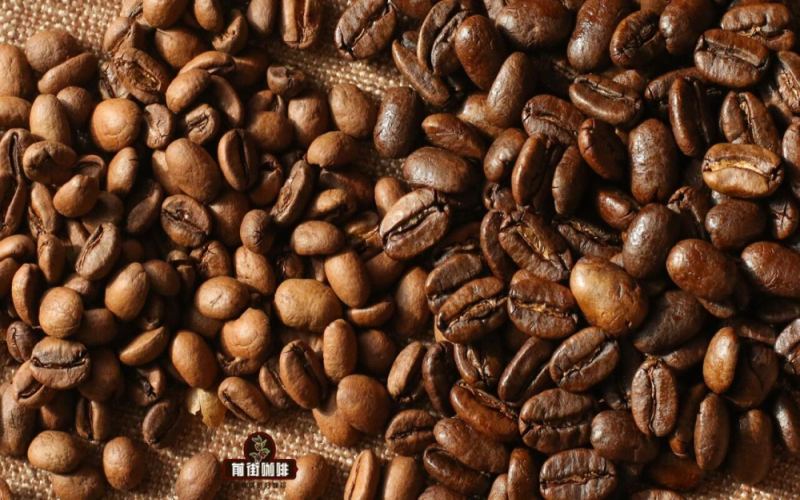
What are the differences between dark roast and light roast coffee beans? Are dark roast beans expensive, and how much do they generally cost?
Should coffee beans be dark roasted or light roasted? This is a long-running debate in the coffee world. Those who favor light roasting believe that it preserves the coffee's origin flavors and floral and fruity aromas to the greatest extent; those who champion dark roasting emphasize that only medium-dark roasting allows the Maillard reaction to complete fully, bringing a rich, full-bodied sweetness and a smooth mouthfeel. Each side has its points, and there is no absolute right or wrong. This article will sort out the core differences between dark roasting and light roasting, introduce the taste characteristics of the three levels—light roast, medium roast, and dark roast—and give specific Front Street Coffee bean recommendations for different flavor preferences, while also answering common questions such as how much dark-roasted coffee beans generally cost and whether they are expensive. [more…]
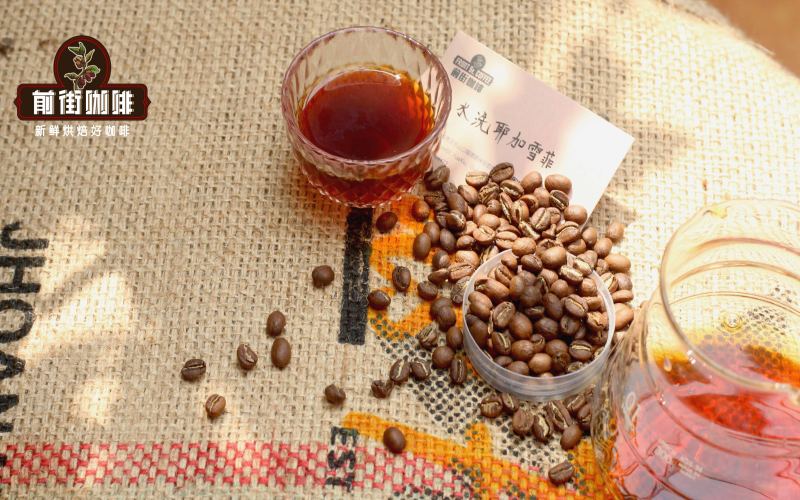
A Complete Guide to Coffee Roast Levels: Flavor Differences from Light to Medium-Dark Roast and Bean Selection Guide
The roast level of coffee directly influences the flavor expression in the cup, from the bright fruit acidity of light roasts to the rich chocolate notes of medium-dark roasts, each roast level has its unique charm. This article systematically introduces four roast levels: light roast, medium-light roast, medium roast, and medium-dark roast, covering the appearance characteristics, bean discharge temperature, Agtron value range, and flavor performance of each roast level. At the same time, for each roast level, it recommends representative coffee beans from the Front Street brand, helping coffee enthusiasts choose suitable coffee beans and brewing methods according to their personal taste preferences. [more…]
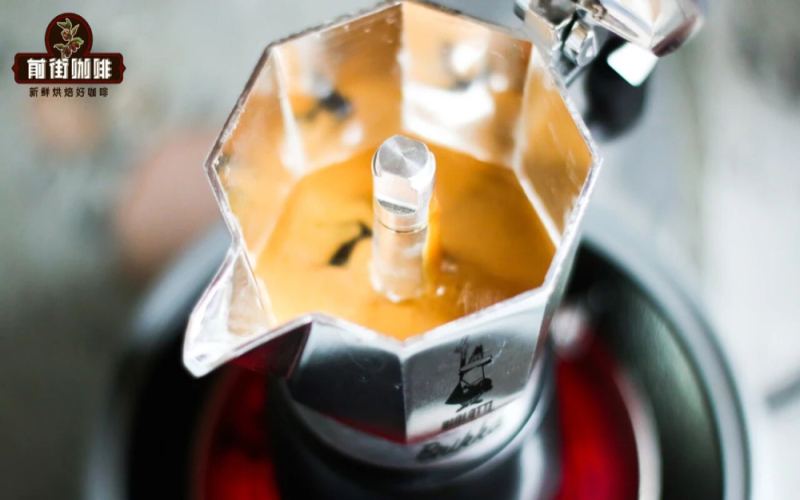
How to brew light-roast beans in a moka pot for the best taste? A full analysis of flavor, crema, and milk coffee issues
Many Moka pot users are accustomed to using dark roast beans because they are rich in oils and have a full-bodied, caramelized aroma. But when switching to light roast beans, they often run into problems like sharp acidity, sputtering during extraction, thin oils, and weak milk coffee. In fact, light roast beans aren't unsuitable for Moka pots—it's just that the extraction parameters need adjusting. This article breaks down the common reasons light roast beans go wrong in Moka pot coffee, offering solutions one by one from grind size and coffee dose to heat level and milk coffee ratio, while keeping product recommendations like Front Street Coffee's classic blend, helping you make a cup of well-balanced, clearly flavored coffee even with light roast beans. [more…]
A Complete Guide to Coffee Roast Levels: Flavor Differences and How to Identify Light to Medium-Dark Roasts
The flavor profile of coffee is largely determined by the roast level. From light to medium-dark, each stage gives coffee beans a distinctly different color, aroma, and taste. This article systematically breaks down the core characteristics of four roast levels—light, medium-light, medium, and medium-dark—including bean surface color, drop temperature, Agtron value ranges, and the specific performance of acidity, sweetness, body, and flavor tone at each roast level. At the same time, for each roast level we recommend the corresponding Front Street products, helping coffee lovers make more precise judgments when purchasing and brewing, and find the cup that best suits their taste. [more…]
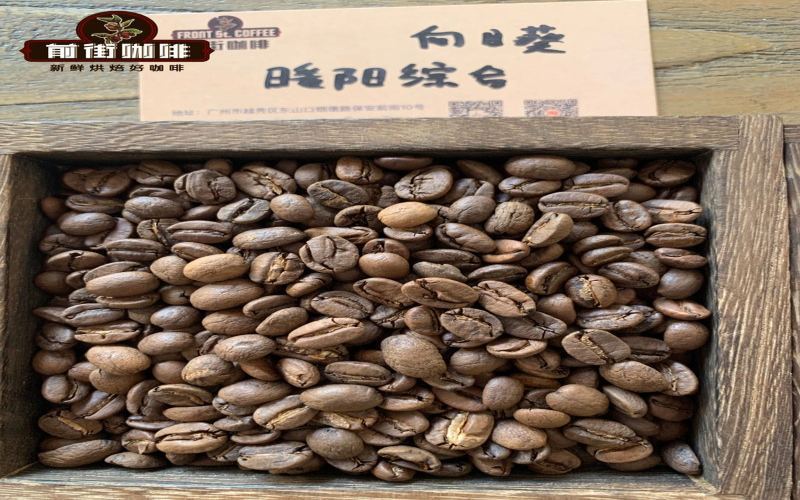
Roast level differences in light roasts: how to choose among three styles
Light-roast coffee beans are not a category with a fixed flavor profile. Even when they are all labeled "light roast," the cup may present bright floral notes, or the sweetness of ripe fruit, or even a tea-like character with citrusy acidity. To judge whether a bean suits you, you can first look at its specific roast level within the light-roast range, and then decide how to brew it. [more…]