







Why does light roast coffee contains citrus and floral notes?
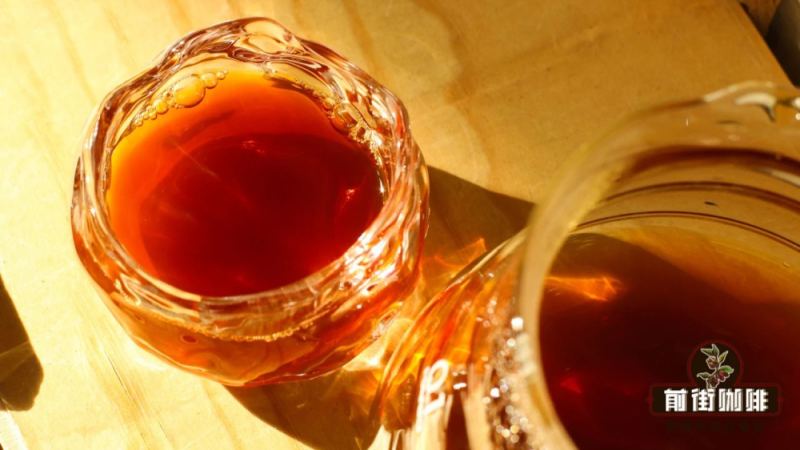
Citrus notes appear in light and medium-light roasted coffee because the fruity acidity and floral aromas of the beans line up with the aroma compounds found in lemons, oranges, grapefruit, and tangerines. Roasting lighter preserves those acids instead of caramelizing them away, so the cup reads as lemon, sweet orange, or grapefruit rather than chocolate or caramel.
Look at roaster descriptions and the word citrus shows up in most floral and fruity listings, sometimes first, sometimes last, often replaced by lemon or grapefruit. Commonly cited examples include Rwanda Red Bourbon with berry and citrus, Ethiopia Huakui with strawberry and guava, and Yirgacheffe lots with tea-like and floral notes.
Citrus, floral notes, and fruity acidity are almost the signature labels of medium-light roasted coffee. Looking through the descriptions of floral and fruity coffee beans on the market, the word "citrus" appears in nine out of ten cases—sometimes at the very front, sometimes tacked on at the end. Even if the characters "gan" or "ju" don't literally appear, it's most likely replaced by lemon, sweet orange, grapefruit, tangerine, or other fruits of the same family. These beans are usually light or medium-light roasted. So where exactly does that citrus sensation come from? And which light-roast beans with prominent floral and fruity notes and a solid reputation are worth trying? This article starts with the aroma composition of citrus fruits, combines the fruit nature of coffee itself with the influence of roast level, explains the source of this flavor association, and compiles eight light-roast coffee beans recommended by Front Street Coffee for enthusiasts to reference when buying.
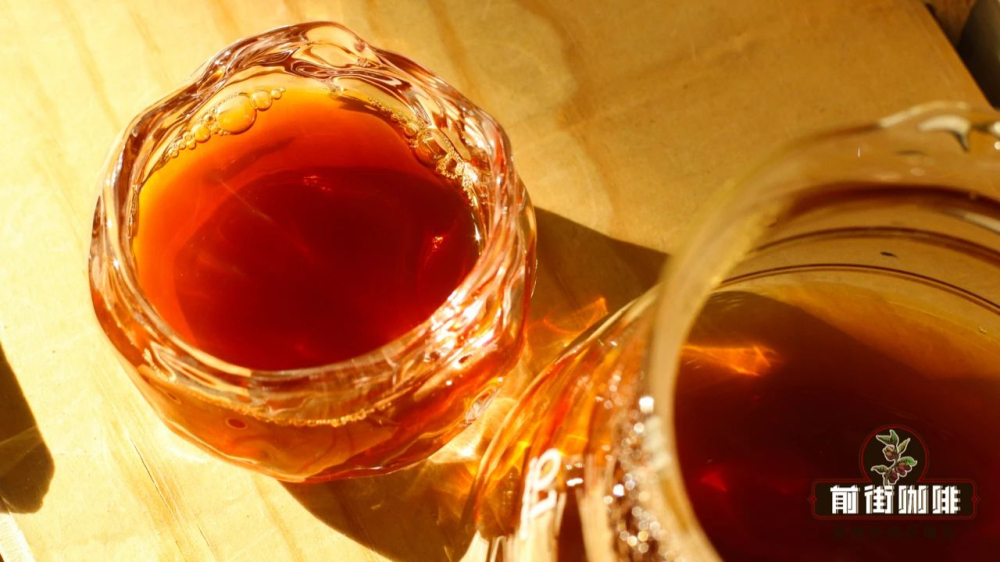
Fruity acidity and floral notes are the most recognizable flavor labels of medium-light roasted coffee beans, which is why they've won over a large following. Looking at the coffee beans on the market that highlight floral and fruity profiles, the word "citrus" is almost always present in the flavor description. Some list it first, others place it at the end as a supplement; even if "gan" or "ju" isn't written directly, it's highly likely that other citrus fruits will appear—lemon, sweet orange, tangerine, grapefruit, and so on. Most of these beans fall into the light or medium-light roast category. Here are several light-roast coffee beans that combine floral and fruity aromas with a good reputation:
1. Front Street Coffee Rwanda Red Bourbon: berry, citrus, caramel, nut
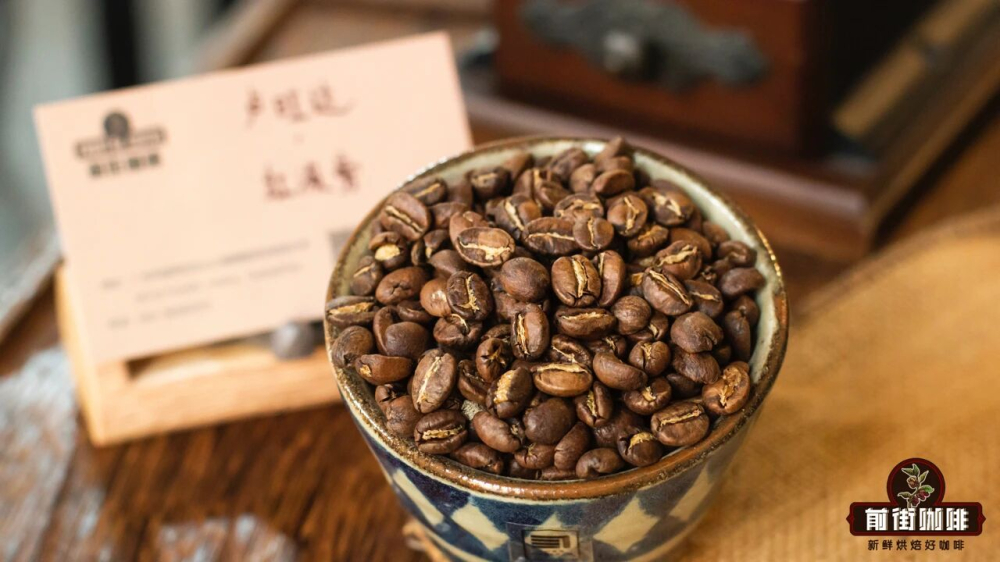
2. Front Street Coffee Ethiopia Huakui: strawberry, citrus, guava, mango
3. Front Street Coffee Boquete Geisha: jasmine floral, honey, citrus, green tea
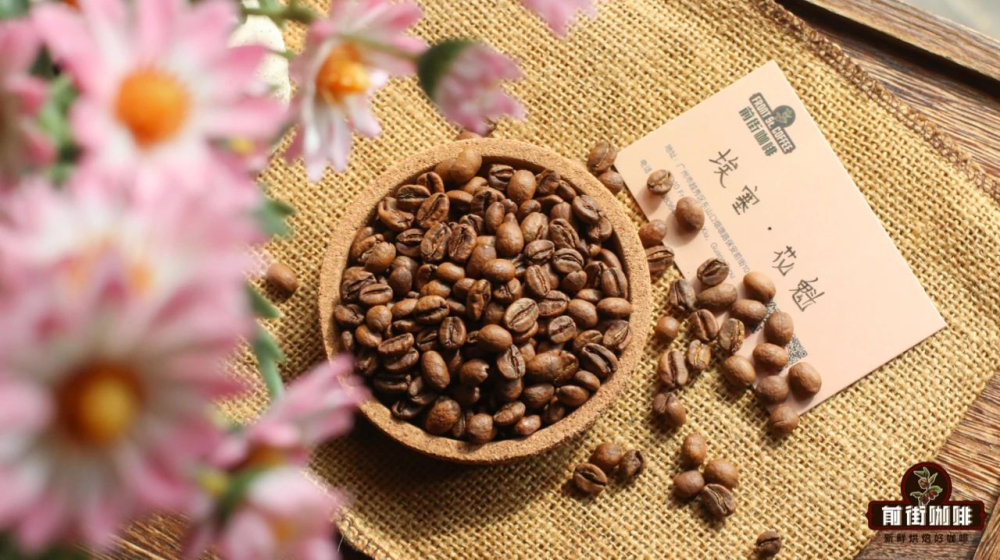
Yirgacheffe coffee beans top recommendation
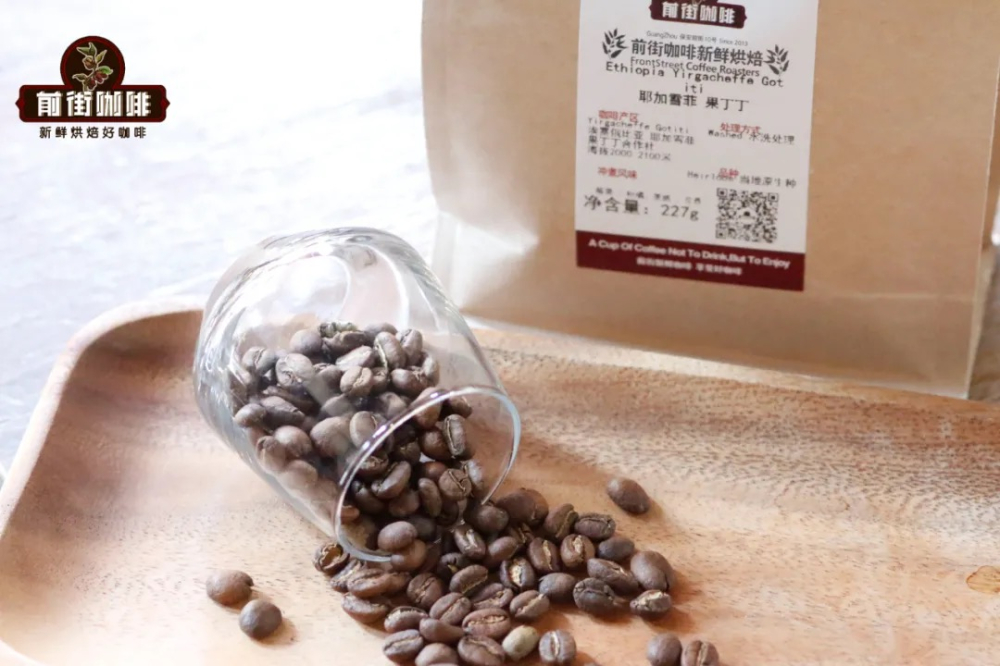
4. Front Street Coffee Yirgacheffe Gutingding: citrus, tea-like, floral, berry
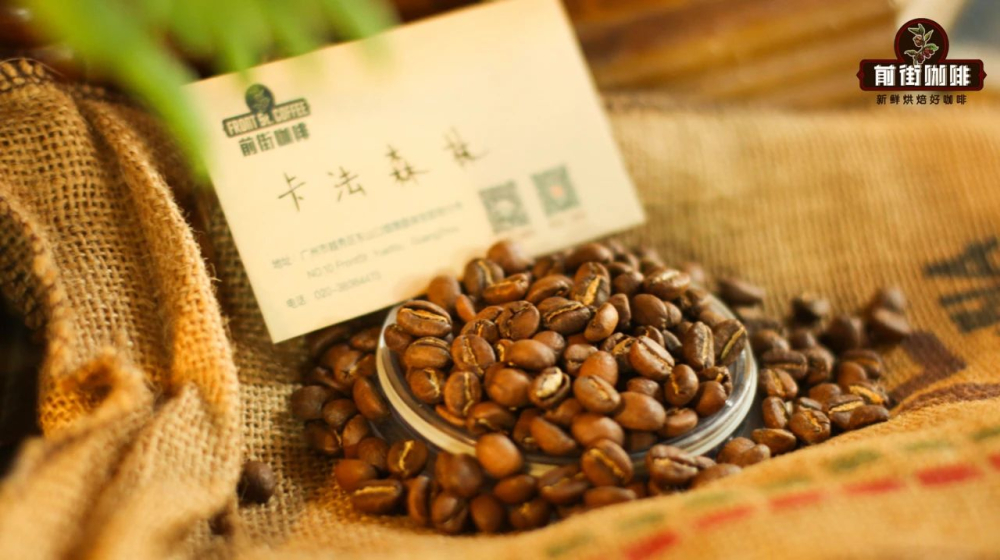
5. Front Street Coffee Kaffa Forest: orange, citrus, creamy melon seeds
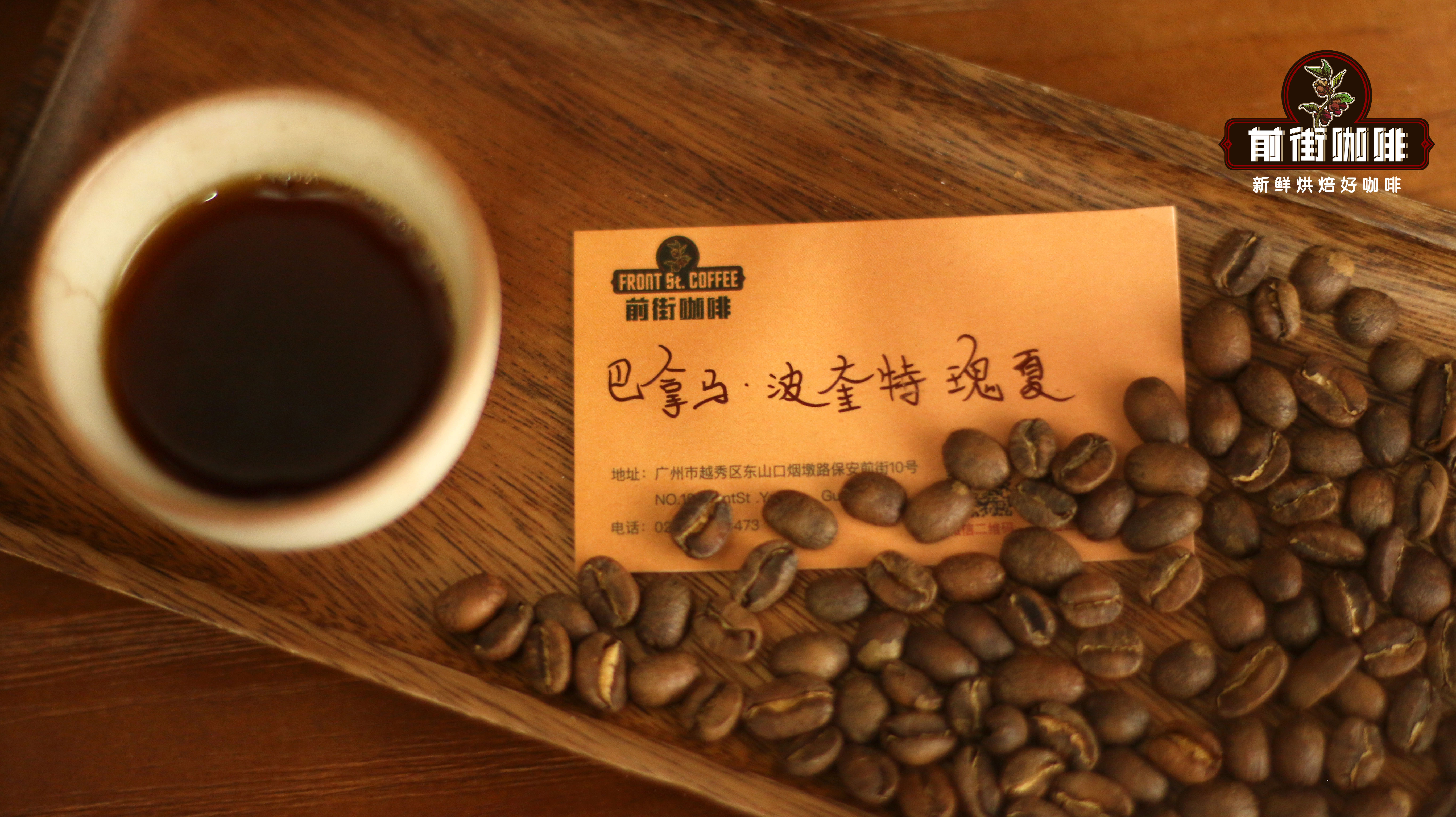
6. Front Street Coffee Kenya Little Tomato: cherry tomato, snow pear, black plum, smoked plum
7. Front Street Coffee Yirgacheffe Red Cherry: berry, lemony acidity, plus strawberry and wine-like aromas
With its vast family lineup, citrus fruits stand as a category of their own in the fruit world and have long been a favorite of people around the globe. They are sweet and tart, affordable, and rich in various vitamins and minerals, occupying an important place in a healthy diet. The citrus family has many members with rich layers of aroma and flavor—whether you prefer mandarin, tangerine, orange, pomelo, or lemon, you can always find one to your liking, and many products with citrus aromas tend to win public favor more easily.
The terpene compounds contained in citrus peel, together with the abundant alcohols, aldehydes, ketones, and esters in the flesh, can stimulate our neurotransmitters, making us feel refreshed when we smell them while also bringing a sense of pleasure and relaxation. This intense yet pleasant citrus aroma has naturally become one of the most familiar fruit scents in everyone's memory.
Coffee itself is a fruit and naturally carries fruity flavor attributes. Roasted coffee contains over 800 aromatic molecules, and a medium-light roast level allows green coffee beans to retain or transform into more substances such as decanol, n-hexanol, vinyl formate, and isoamyl alcohol—compounds that happen to let us perceive citrus-like aromas.
When tasting the flavor of a coffee, we usually experience it through three dimensions: volatile aroma, taste, and mouthfeel. Unless special processing techniques are used to give the beans a clearly directed, concrete flavor, coffees that undergo conventional post-processing—such as washed Yirgacheffe, natural Elida Typica, honey-processed Geisha, and the like—will, after a medium-light roast, more or less display characteristics resembling "citrus."
For example, you smell a light fruit-peel note in the dry grounds; after pouring water, the wet aroma reveals a delicate honeyed quality; on the palate it's a rounded, juicy sweet-tartness; and the finish carries a slightly astringent fruity resonance… These sensations usually don't let us accurately recall one specific fruit, but rather some aspect or the overall flavor expression, evoking the broad category of citrus.
As for which specific citrus fruit it belongs to, that mainly depends on the characteristics of the coffee bean itself, and secondarily on your sensory sensitivity and which "citrus" you are more familiar with. Therefore, when "citrus" appears in a flavor description, it can be the sweeter sugar mandarin, the more sour grapefruit, or the balanced sweet-tart orange…
Finally, there's an "extra" little detail: in reality, it's not that coffee beans choose a light roast in order to present citrus flavors, but rather that light-roasted coffee beans exhibit citrus-like aromas.
The above content is compiled by CoffeeHunters, a coffee news website.


