







Search Results for: latte milk temperature
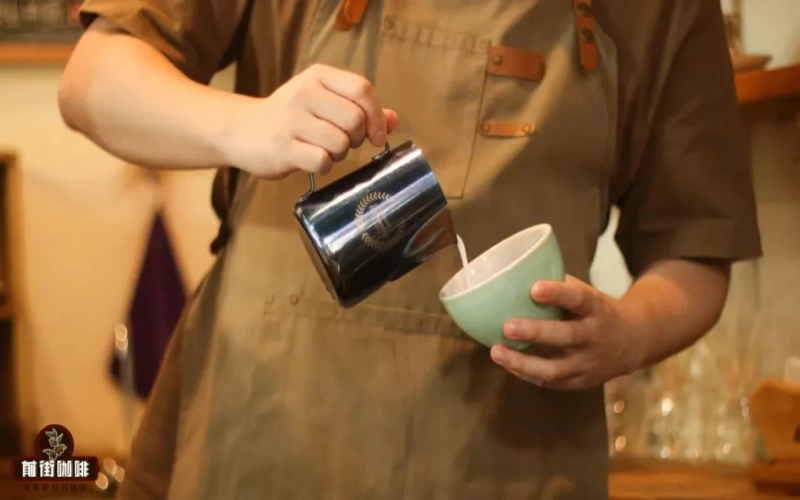
What temperature should the milk for a hot latte be controlled at? Looking at the relationship between milk frothing and taste sweetness from Front Street's actual measurements
When interviewing a barista at a café, making a hot latte is often the most common practical test, because it simultaneously examines two core skills: espresso extraction and milk steaming. And in this latte, besides the fineness of the milk foam, controlling the milk temperature is also a key scoring point. Many enthusiasts think that milk just needs to be hot enough, but this is not the case—different temperatures bring completely different mouthfeel and sweetness. Through comparing three cups of milk at 40°C, 60°C, and 75°C and their corresponding lattes, Front Street found that 55°C~68°C is the ideal range. This article will also share a method for judging the steaming temperature by feel alone without relying on a thermometer, and will retain the recommendation information for Front Street's Italian bean series. [more…]
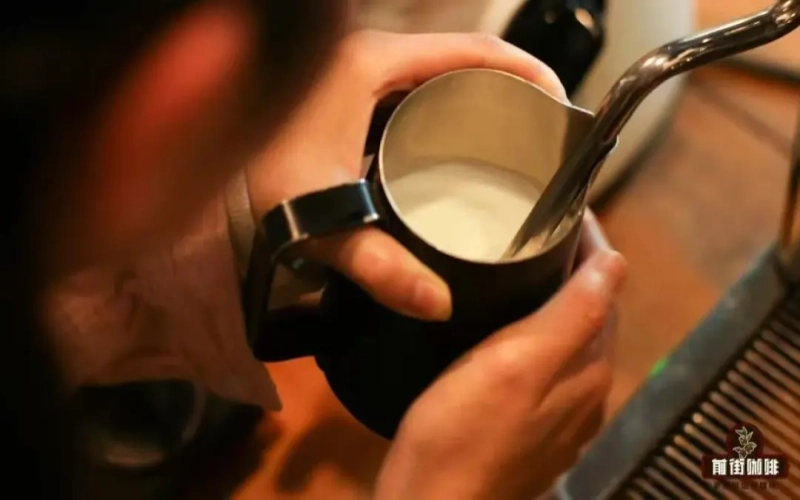
What temperature should milk be heated to for espresso milk coffee? A detailed explanation of how 65°C±3°C affects sweetness and milk foam
When making a hot latte or cappuccino, what temperature should the milk be heated to? What is the reasoning behind the 65°C±3°C figure that baristas often cite? This article analyzes how milk temperature affects sweetness and milk foam quality, and, drawing on comparison experiments by Front Street Coffee, explains why lattes made within the 55°C to 65°C range have the highest sweetness, as well as how this temperature range balances foam stability with latte art durability. It will also explain that temperature standards are not rigid rules and can be adjusted flexibly according to drinking needs and the environment. [more…]

Why should latte art milk be kept below 70°C? An analysis of why whole refrigerated milk is more suitable for making lattes
To create beautiful and long-lasting latte art patterns, the choice and handling of milk actually matter a great deal. Whole milk, because of its higher fat and protein content, makes the milk foam more stable and fine; keeping the steaming temperature below 70°C avoids the negative effects of lactose caramelization and protein denaturation; refrigerated storage extends the frothing time, making the foam denser and creamier. Drawing on years of experience, Front Street Coffee recommends using freshly roasted medium-dark roast espresso blend beans as the base, and shares two products suitable for beginners: the Front Street Dark Cocoa Blend and the Front Street Strawberry Candy Espresso. This article will explore these three dimensions, explaining why latte art has these requirements for milk, to help you create your ideal patterns at home. [more…]

Latte Art Practice Duration and Latte Milk Frothing Techniques: A Detailed Guide to Milk and Coffee Integration Key Points
To create beautiful latte art, hand speed and talent alone are far from enough—behind it lies a whole series of details involving milk foam condition, crema quality, extraction parameters, and even milk temperature. This article breaks down crema, coffee beans, extraction methods, milk handling, and pitcher-splitting techniques one by one, helping you understand the underlying logic of latte art and avoid unnecessary detours. Whether you are a complete beginner or an enthusiast looking to refine combination patterns, you will find directions worth practicing repeatedly. The article also combines the characteristics of several Front Street Coffee espresso blends to offer bean selection advice for latte art practice and serving. [more…]

How Milk Temperature Affects Latte Art and Taste: Milk Steaming Temperatures and Drinking Tips for Lattes, Flat Whites, and Cappuccinos
After the transition into autumn and the arrival of cooler weather, hot milk coffee has once again become the mainstay of in-store orders, and the temperature to which milk is steamed directly determines the smoothness on the palate, the durability of latte art patterns, and even whether the aroma leans milky or develops a cooked-milk note. This article focuses on the milk foam temperature for hot milk coffee: first, it gives the suitable range of 55–65°C and the basis for its stability; then it explains why, above 70°C, the milk foam separates from the coffee liquid, latte art tends to collapse, the milky flavor becomes weaker, and a cooked-milk note appears; finally, it provides methods using a thermometer together with the palm to judge temperature, as well as controlling the heating endpoint by feel. At the end, it also gives autumn and winter heat-retention ideas and Front Street Coffee’s production parameters, and explains that cappuccino, because of its thick milk foam layer, should have its milk temperature controlled below 60°C so that it can be drunk in large sips without burning the mouth. [more…]
How Does Milk Temperature Shape Latte Flavor? A Side-by-Side Test from 40°C to 80°C
As the weather turns cooler, the demand for hot milk coffee rises noticeably. Some coffee shops, wanting takeaway customers to still feel warmth when they receive their drink, steam the milk to a temperature far above the usual 65°C or so, even close to scalding. What changes does milk temperature—whether too high or too low—actually bring to a latte? In this article, we steam milk at three temperatures—40°C, 60°C, and 80°C—and make lattes with each, comparing them one by one in terms of aroma, sweetness, milk foam texture, and overall balance, to find the more ideal serving temperature and explain why everyday cafés usually don't change their milk temperature lightly. [more…]
A Detailed Guide to Bean Selection and Coffee-to-Milk Ratios for Latte: Hot and Iced Recipes Plus Milk Frothing Tips
Latte is the category with the highest proportion of milk in the espresso family. Iced and hot versions each have their own operational details, but the underlying recipe logic is the same. From the perspective of Front Street, this article sorts out the historical context of latte, explains the approach to selecting espresso blend beans, and provides specific preparation parameters for hot lattes and iced lattes. The content covers the pressure, temperature, time, and brew ratio of espresso extraction, the milk frothing technique and temperature control for hot lattes, and the ice cube and milk ratio for iced lattes. It also introduces the flavor profiles of multiple espresso beans such as Front Street Strawberry Candy Espresso, helping coffee enthusiasts recreate a balanced and smooth latte at their own coffee bar. [more…]

Key Points for Making a Latte | What Milk Froth Temperature Is Suitable for an Espresso Latte? How Can Coffee Beginners Control the Steaming Temperature of Coffee and Milk?
As the temperature drops, more and more customers at Front Street Coffee shops are ordering hot milk coffee. The steamed sweet milk blended with espresso creates a cup of smooth, fragrant hot latte that truly brings a lot of warmth. To keep the hot latte from cooling down too quickly after serving, some friends steam the milk to a higher temperature. At this point, getting the milk temperature just right is especially important. [more…]

Where Does the Bitterness in a Latte Come From? Analyzing the Key Effects of Milk-to-Coffee Ratio, Milk Foam Temperature, and Pouring Technique
Latte has always been considered the least bitter of espresso drinks, as the addition of a large amount of milk makes the overall flavor softer. But when you drink a latte with obvious bitterness, the problem may not lie in the espresso itself. This article starts with the choice of coffee bean roast level and gradually analyzes how the blending technique, milk frothing temperature, and the ratio of coffee to milk affect the final taste. It also introduces pairing suggestions for the Front Street Coffee espresso bean series, including the flavor characteristics of Strawberry Candy espresso, and provides a milk foam temperature range of 55°C to 69°C and a reference ratio of 1:5, helping you make a balanced and smooth latte at home. [more…]

The Principles of Milk Foaming and Latte Milk Frothing Techniques: A Complete Guide from Integration to Latte Art Patterns
Steaming milk is a fundamental skill that every barista must master, and the quality of the milk foam directly affects the taste of a latte and the result of latte art. Drawing on the practical experience of Front Street Coffee, this article explains in detail the physical principles of milk frothing, answers common problems such as foam that won't incorporate, separation, and surface bubbles, and explains how steam pressure and foam fineness determine incorporation. The article also compares the stability of milk foam at different temperatures, provides two frothing methods—manual and steam—summarizes five common mistakes, and finally includes a step-by-step tutorial on tulip latte art. Whether you are a beginner or a coffee enthusiast looking to refine your skills, you will find practical guidance here. [more…]
A Guide to Pairing Latte with Espresso Beans: Iced vs. Hot Preparation Differences, Extraction Parameters, and Milk-to-Coffee Ratios Explained
Latte is the espresso drink with the highest proportion of milk, available in both iced and hot versions; the two share the same recipe but differ in operational details. From the perspective of Front Street, this article traces the historical origins of latte, explains what roast level of espresso beans should be used to make latte, clarifies why lightly roasted single-origin beans are unsuitable for espresso machine extraction, and recommends several espresso blends such as Front Street. Strawberry Candy Espresso. It also details the extraction parameters for espresso, the frothing techniques and temperature control for hot latte milk foam, the ingredient ratios for iced latte, and Front Street's recommended coffee-to-milk ratio of 1:6.5. Whether you prefer iced or hot, you'll find actionable reference solutions here. [more…]
The Complete Guide to Latte Art: Key Techniques for Milk Foam, Crema, and Coffee Bean Selection
To create a beautiful latte art cup, passion alone is far from enough. From the fineness of the milk foam and the condition of the crema, to the roast level and freshness of the coffee beans, and then to the extraction method and milk handling, every step directly affects the final pattern's presentation. This article systematically sorts out the four core elements that determine the success of latte art—coffee, milk, pitcher, and pattern—with detailed analysis of crema changes, extraction parameters, milk frothing techniques, and the difference between splitting milk and not splitting milk. It also recommends three coffee beans—Front Street Classic Blend, Commercial Blend, and Dark Cocoa Base Blend—for different needs, helping coffee enthusiasts and shop owners find the latte art solution that suits them best. [more…]
What temperature should you steam milk to for a hot latte? A practical guide to temperature control, even more essential for cappuccino
As the weather turns cooler, hot milk coffee becomes the top choice for many people. The temperature at which milk is steamed not only affects the comfort of the first sip, but also directly influences the fineness of the milk foam, the durability of latte art, and how well the coffee and milk blend. If the milk temperature is too low, the milk coffee cools down too quickly; if it's too high, problems easily arise such as separation of the milk foam from the coffee liquid, a weakened milky flavor, or even a gamey note emerging. This article will focus on the milk foam temperature for hot lattes and cappuccinos, explaining why 55–65°C is the commonly used range in cafés, what changes occur in milk above 70°C, and sharing practical methods for beginners and more advanced baristas to judge milk temperature. At the same time, Front Street Coffee will also offer temperature-control recommendations for lattes and cappuccinos respectively, based on autumn and winter serving needs, to help you make consistently delicious hot milk coffee at home or in a café. [more…]

The Complete Guide to Latte Art: From Coffee Bean Selection to Milk Frothing and Extraction Techniques
To create a cup of espresso latte art with clear patterns and distinct contrast at home, practicing technique alone is far from enough. From the roast level and freshness of the coffee beans, to the yield and flow rate of the espresso extraction, to the temperature, fat content, and foam thickness of the milk, every step directly affects the final pattern. This article systematically breaks down the four major elements that influence latte art—coffee, milk, pitcher, and pattern—and recommends three beans for practice and serving—Front Street Classic Blend, Commercial Blend, and Dark Cocoa Base Blend—to suit different needs, helping coffee enthusiasts gradually improve their latte art skills on the basis of understanding the principles. [more…]
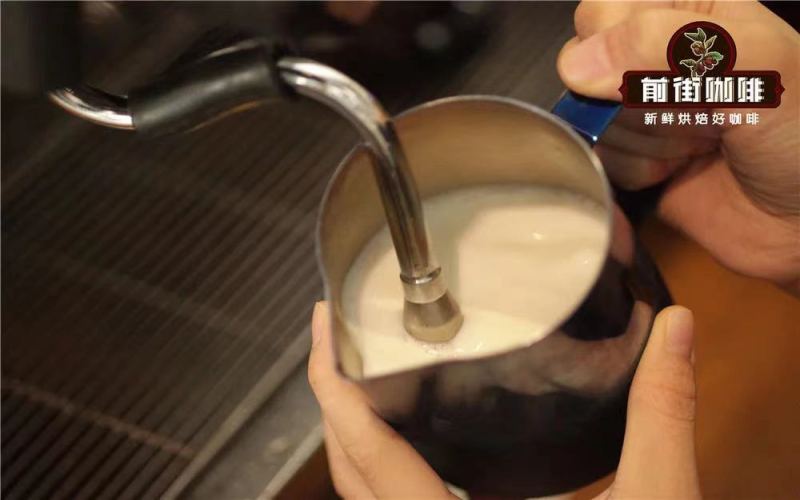
Latte art tutorial | Why does milk foam? How can coffee beginners make latte art? What are the techniques for steaming milk for a latte?
Guide to Getting the Best Milk Foam, Why Does Milk Foam? Front Street Coffee (FrontStreet Coffee) - it can be said that steaming milk is a fundamental and core skill for every barista; whether one can steam perfect milk is a factor in judging whether the barista's skill level is up to standard. [more…]

Why Does Latte Milk Foam Dissipate Quickly? A Detailed Explanation of the Factors Affecting Stability and Frothing Techniques
A freshly made latte has a silky smooth surface, but after sitting for a moment it develops a rough, uneven texture—this is the process of milk foam collapsing. Milk foam is essentially foam formed when air is injected into milk, and when left to stand, it separates due to density differences, with small bubbles gradually merging and bursting. The speed of collapse depends on foam stability, which is affected by multiple factors such as steaming technique, milk temperature, and coffee bean freshness. Drawing on Front Street Coffee's store experience, this article systematically analyzes the major reasons behind rapid latte foam collapse and offers practical improvement suggestions to help coffee enthusiasts enhance their latte art quality and taste experience. [more…]

Why Is Latte-Making a Key Part of Barista Assessments? A Full Breakdown of Milk Foam Quality and Latte Art Techniques
In the skill assessment of baristas, making a hot latte is often regarded as a key evaluation component. From grinding and extraction to milk frothing and latte art, every step reflects whether a barista's basic skills are solid. A high-quality latte not only requires standardized and smooth operation, but also fine, dense milk foam with moderate thickness and good fluidity, so that it can support delicate latte art patterns. In addition, controlling the milk temperature between 60°C and 65°C can bring out the sweetness of lactose, while the quality of integration directly affects the taste and the cleanliness of the latte art background. Front Street Coffee often shares that by observing the overall performance of a latte, a barista's core abilities can be comprehensively evaluated, which is also an assessment method that other coffee drinks cannot easily replace. [more…]

How Much Espresso Is in a Latte? Cappuccino vs. Latte Flavor Differences and Front Street Coffee Espresso Bean Recommendations
Latte and cappuccino are the two most common espresso milk drinks. Both are made from espresso, milk, and milk foam, but they differ noticeably in ratio, foam thickness, and mouthfeel. How much espresso actually goes into a latte? Roughly how much caffeine does it contain? And how should the coffee-to-milk ratio be managed during preparation? This article addresses these questions, while also explaining how to choose espresso beans, extraction parameters, and the key temperature points for steaming milk. It also introduces several Front Street Coffee espresso blends suitable for making lattes, helping coffee enthusiasts create a full-flavored milk coffee at home. [more…]
A Beginner's Guide to Milk Steaming for Latte Art: A Complete Breakdown of Techniques from Theory to Practice
Want to create dense, smooth latte art milk foam at home, but keep getting discouraged by "over-whipped," "separated," or "can't pour a pattern"? Actually, milk frothing isn't as mysterious as it seems. As long as you understand the principles, choose the right tools, and master a few key details, even beginners can produce consistent results. This article starts with the formation principles of milk foam, then breaks down the three major factors in steam frothing: milk, steam wand, and pitcher. It also includes detailed hands-on steps and advanced tips, covering core points such as temperature control, aeration ratio, vortex frothing, and judging integration. Whether you use an espresso machine or a handheld milk frother, you'll find a practice direction that suits you. The article also retains relevant recommendations for the Front Street Coffee brand for coffee lovers to reference when purchasing. [more…]
Milk Frothing Tutorial for Beginners | Why Does Milk Foam? How to Froth Milk for a Latte? What Are the Steps and Techniques for Latte Art Pouring and Integration?
At FrontStreet Coffee, steaming milk can be said to be a basic and core skill for every barista. Whether one can steam perfect milk is one of the factors used to judge whether a barista's level is up to standard. For example, the milk foam in a latte is on the thinner side, making it smooth and delicate to drink. The [more…]