







Search Results for: latte art types
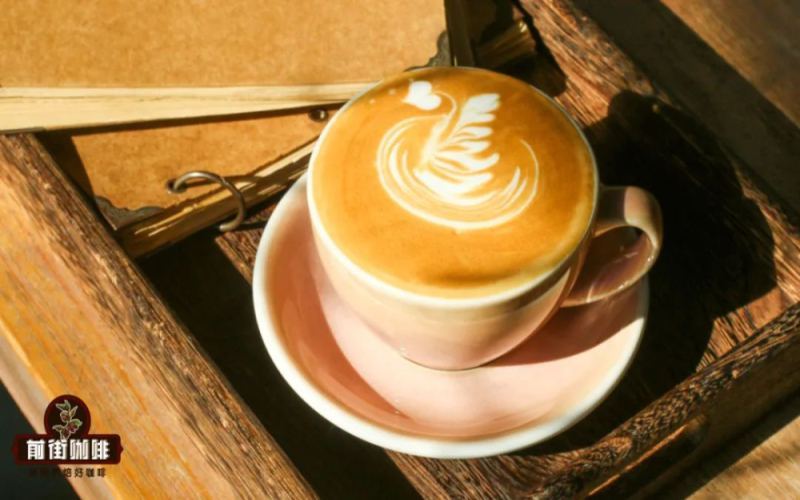
What Are the Different Types of Latte Art? An Analysis from Traditional Patterns to Etching Needles and 3D Latte Art Techniques
Latte art has long ceased to be as simple as heart-shaped patterns. Since David Hume accidentally created a heart on the surface of a milk coffee in the 1980s, latte art techniques have continuously evolved, and today have developed into multiple types such as traditional latte art, coffee etching, and 3D latte art. Traditional latte art uses a milk pitcher as its main tool, and can be further divided into basic patterns and advanced combined patterns; coffee etching relies on etching needles recognized by international competitions to draw finer or bolder lines; 3D latte art is more figuratively a kind of "sculpting" technique, requiring the stacking of thick milk foam and the use of spoons and etching needles for shaping, and also uses chocolate sauce, caramel sauce, and the like for outlining. This article, brought to you by Front Street Coffee, helps you understand the features and key production points of these latte art types. [more…]
A Beginner's Guide to Coffee Latte Art: A Complete Guide to Choosing Equipment and Tools from Espresso Machines to Latte Art Pitchers
Wanting to learn latte art, passion alone is not enough—choosing the right equipment and tools is the first step. This article is aimed at beginner baristas and systematically sorts out the various basic equipment needed to get started with latte art: from the differences and selection points of the four boiler systems in professional Italian espresso machines (single boiler, heat exchanger, dual boiler, multi-boiler), to the classification of steam wands and steam tip types, then to grinder burr types, tamper shape matching, latte art pitcher spout shapes and groove designs, as well as the logic for choosing materials such as espresso beans and milk. It also analyzes the influence of cup shape on latte art results and gives the key parameters for adjusting machine settings, helping beginners avoid detours and laying a solid hardware foundation for subsequent latte art practice. [more…]
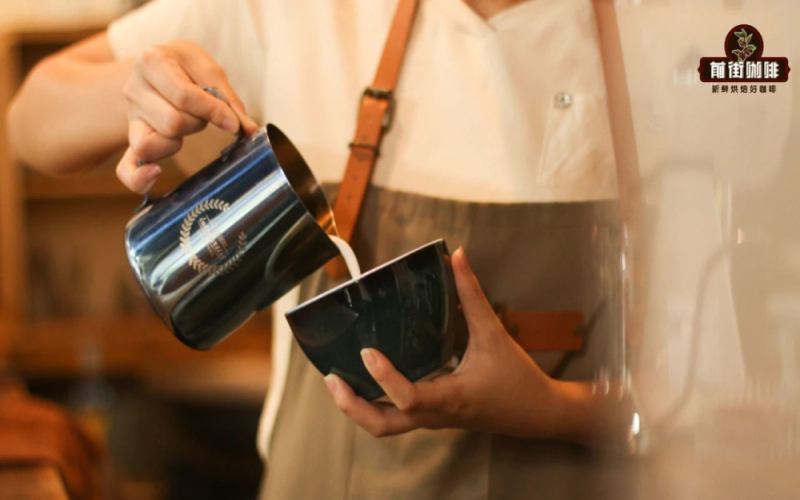
Common Latte Art Pattern Types and Difficulty Analysis, Plus a Detailed Guide to Making Latte Art
Latte art has always been one of the topics that coffee enthusiasts are most interested in. Watching a barista gently flick their wrist as exquisite patterns emerge in the cup is a delightful process to behold; but when it comes to trying it yourself, you might not even be able to produce a single white dot. Is latte art really only for experienced baristas? Actually, that's not the case. This article will systematically outline the common pattern types and difficulty levels of latte art, and around core points such as crema extraction, milk frothing, incorporating coffee and milk, pouring techniques, and mindset adjustment, provide a detailed explanation of how to make latte art. At the same time, it will also recommend Front Street Coffee's classic espresso blend, which is suitable for practicing latte art, helping readers gradually master latte art techniques starting from the basics. [more…]
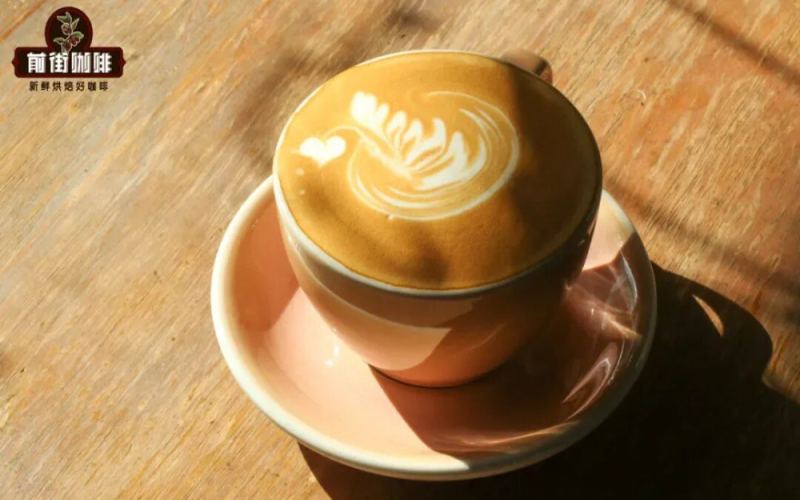
What tools should beginners prepare to learn coffee latte art? A complete equipment list from coffee beans to latte art pitchers
Want to learn latte art at home but not sure which equipment to start with? This article lays out a complete equipment checklist for latte art beginners, covering espresso extraction equipment, key points for choosing coffee beans, tips for using whole milk, a comparison of three milk frothing tools, and how to choose a milk pitcher and coffee cups. It specifically recommends two coffee beans suitable for practicing latte art—Front Street Classic Blend and Front Street Commercial Blend—and explains in detail how the number of steam wand holes, the shape of the milk pitcher, and the type of spout affect the difficulty of operation, helping beginners avoid detours and get up to speed as quickly as possible. [more…]

From Accidental Hearts to 3D Patterns: The Evolution of Coffee Latte Art and Its Tools
Latte art, commonly known as "milk art," is the craft of creating exquisite patterns on the surface of a cup after espresso and steamed milk intermingle. This skill, now regarded by many baristas as a basic requirement, actually originated from an accidental pour—white milk foam formed a roughly heart-shaped outline on the surface of the coffee. Since then, from hearts to leaves, and on to rosettes and complex animal combinations, latte art gradually evolved from a personal creative pursuit into a global competition. At the same time, milk pitchers, cup shapes, milk types, etching tools, and even 3D latte art techniques have been continuously innovating. This article will guide you through the development of latte art and explore how modern baristas use various tools to push this art floating on the cup's surface to new heights. [more…]
A Complete Guide to Espresso: From Boiler Systems to Milk Frothing and Latte Art — Professional Fundamentals
Want to systematically master the underlying logic of espresso? This article provides a complete overview of the core knowledge system of espresso, from equipment principles to practical details. It first deeply analyzes the differences between four types of boiler heating systems and their impact on extraction stability, then explains one by one the selection of steam wands, the structure of grinder burrs, the matching principles of tampers, and key points for choosing latte art pitchers. In the materials section, it focuses on comparing the roasting differences between Northern and Southern Italian-style coffee beans and the logic for selecting suitable milk. Finally, it focuses on the five major variables of extraction and the six factors of milk frothing, and explains in detail the techniques for integrating coffee and milk foam. The full text balances theoretical depth with operational guidance, making it suitable for coffee enthusiasts who want to solidify their foundations to read carefully. [more…]
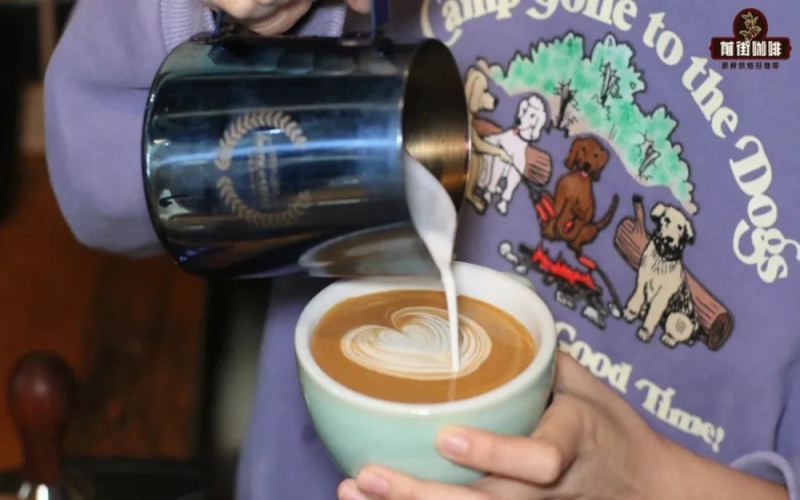
A Practical Guide to Coffee Latte Art Etching Pens: A Full Breakdown of the Details from Choosing a Pen and Picking Up Color to Controlling Lines
Although a latte art pitcher can handle most patterns, it often falls short when it comes to fine lines and localized detailing. That's when you need a capable assistant—the etching needle. Coffee enthusiasts have jokingly called it a latte art "cheat code," and its capabilities are indeed powerful, but actually getting the hang of it is far from as simple as it seems: lines too thick or too thin, patterns blurring and atomizing, designs that just won't draw on—problems pile up one after another. This article draws on Front Street's practical experience to systematically explain the types and structures of etching needles, how to use them, and key points to keep in mind, including how to prepare extra "paint," gauge the right amount to dip, control line thickness, and improve drawing speed—helping you truly master this little tool and make your latte art more refined. [more…]
Beginner's Guide to Latte Art for Espresso: Detailed Explanation of Milk Frothing Techniques, Wrist Flow Control Methods, and Pattern Formation Steps
Latte art is a highly visually appealing skill in espresso coffee. From cappuccino to latte, the patterns created by the delicate milk foam blending with espresso always catch the eye. For beginners new to espresso, latte art is not just a visual presentation; it also tests a comprehensive grasp of milk foam texture, timing of integration, and wrist control. This article will systematically organize the origin and development of latte art, explain in detail the key steps of milk frothing and latte art operation, and provide practical advice for common mistakes made by beginners, helping you understand and practice this professional skill from scratch and gradually make a cup of latte art coffee that excels in color, aroma, and taste. [more…]
A Beginner's Guide to Latte Art: Key Points for Making Milk Foam and a Detailed Step-by-Step Guide to Heart and Leaf Patterns
For friends who are just getting into latte art, mastering milk frothing and pouring techniques are the two most critical fundamental skills. Starting from the recommendations of Front Street Coffee, this article breaks down in detail the complete process required to make a heart-shaped cappuccino—from espresso extraction, milk selection and frothing temperature control, to the changes in pitcher height, angle and flow rate during staged pouring, all are explained one by one. At the same time, the article also provides a comparative analysis of common variables such as steam wand types and steam volume, helping beginners identify problems more quickly in practice. Whether you want to pour a neat heart or a leaf pattern, this tutorial can provide a clear reference path. [more…]

From Surfactants to Foam Stability: A Beginner's Guide to Latte Art and the Principles of Fluid Dynamics
Latte art is a romantic expression of a barista's skill, with white milk foam blooming into heart or leaf patterns on the surface of dark brown espresso. Latte art is divided into two types: free-pour latte art and etched latte art created after pouring. The wonder of the former lies in the pattern forming simultaneously with the pour, while the latter offers a wider range of designs because the stable foam allows for leisurely drawing. From a physics perspective, the core of latte art lies in surfactants—molecules that possess both hydrophilic and hydrophobic groups, capable of stabilizing the interface between air and liquid to form lasting foam. Milk proteins and coffee lipids act together as surfactants, enabling the two micron-scale foams to remain clearly separated for a long time after mixing, thereby allowing the pattern to persist. This article will guide you from the basic principles of surfactants to understand espresso's crema, the formation of hot milk foam, and why foam mixing rather than liquid mixing is the key to successful latte art, while also revealing the widespread applications of surfactants in daily life and industry. [more…]
Fresh Milk Selection and Milk Foaming Explained: A Practical Guide to Making a Beautiful Heart Latte Art at Home
A latte with an exquisite latte art pattern not only enhances a coffee shop's professional image but also leaves customers with a lasting impression of the brand. In fact, creating beautiful latte art at home isn't difficult—the key lies in choosing the right milk, steaming fine and stable microfoam, and pulling a shot of espresso with just the right amount of crema. Drawing on the hands-on experience of Front Street Coffee, this article explains in detail which types of milk are suitable for latte art, the techniques for steaming milk, and the key points of espresso extraction, and then walks you through step by step the most basic yet classic heart-shaped latte art pattern, making it easy for beginners to get started. [more…]
How hard is coffee latte art really? The real journey from clumsy to expert
Latte art is a skill that many coffee lovers both love and hate. From steaming your first pitcher of milk foam, to pouring清晰 patterns, to casually sketching shapes, behind it all are countless failures and hours of practice. Some people find the feel after just two or three tries, while others practice for a long time and still can't pour a complete heart. This article takes you through those hilarious failed attempts, and also discusses what latte art really means: it's not just a pattern, but the reward that comes from persistence. Is there a quick way to master it? Of course there is, but the prerequisite is being willing to put in the effort. Front Street Coffee walks with you, moving steadily forward on the path of passion. [more…]
The Complete Guide to Latte Art: From Coffee Bean Selection to Milk Frothing and Extraction Techniques
To create a cup of espresso latte art with clear patterns and distinct contrast at home, practicing technique alone is far from enough. From the roast level and freshness of the coffee beans, to the yield and flow rate of the espresso extraction, to the temperature, fat content, and foam thickness of the milk, every step directly affects the final pattern. This article systematically breaks down the four major elements that influence latte art—coffee, milk, pitcher, and pattern—and recommends three beans for practice and serving—Front Street Classic Blend, Commercial Blend, and Dark Cocoa Base Blend—to suit different needs, helping coffee enthusiasts gradually improve their latte art skills on the basis of understanding the principles. [more…]
An Easy-to-Learn Coffee Christmas Tree Latte Art Tutorial, Perfect for Beginners
Christmas is almost here—want to add a little festive cheer to your coffee? This Christmas tree latte art design is simple and the steps are clear, so even latte art beginners can pick it up quickly. Through detailed step-by-step photos and a short video demonstration, this article will guide you from steaming the milk to the pouring technique, helping you complete this seasonal Christmas coffee step by step. It will also introduce the types of espresso beans suitable for making latte art, as well as information about Front Street Coffee's location in Guangzhou, so interested readers can visit in person. [more…]
The Correct Way to Froth Milk | Which Type of Milk Keeps Coffee Foam Lasting Longer? What Techniques Must Beginners Master to Make Latte Art?
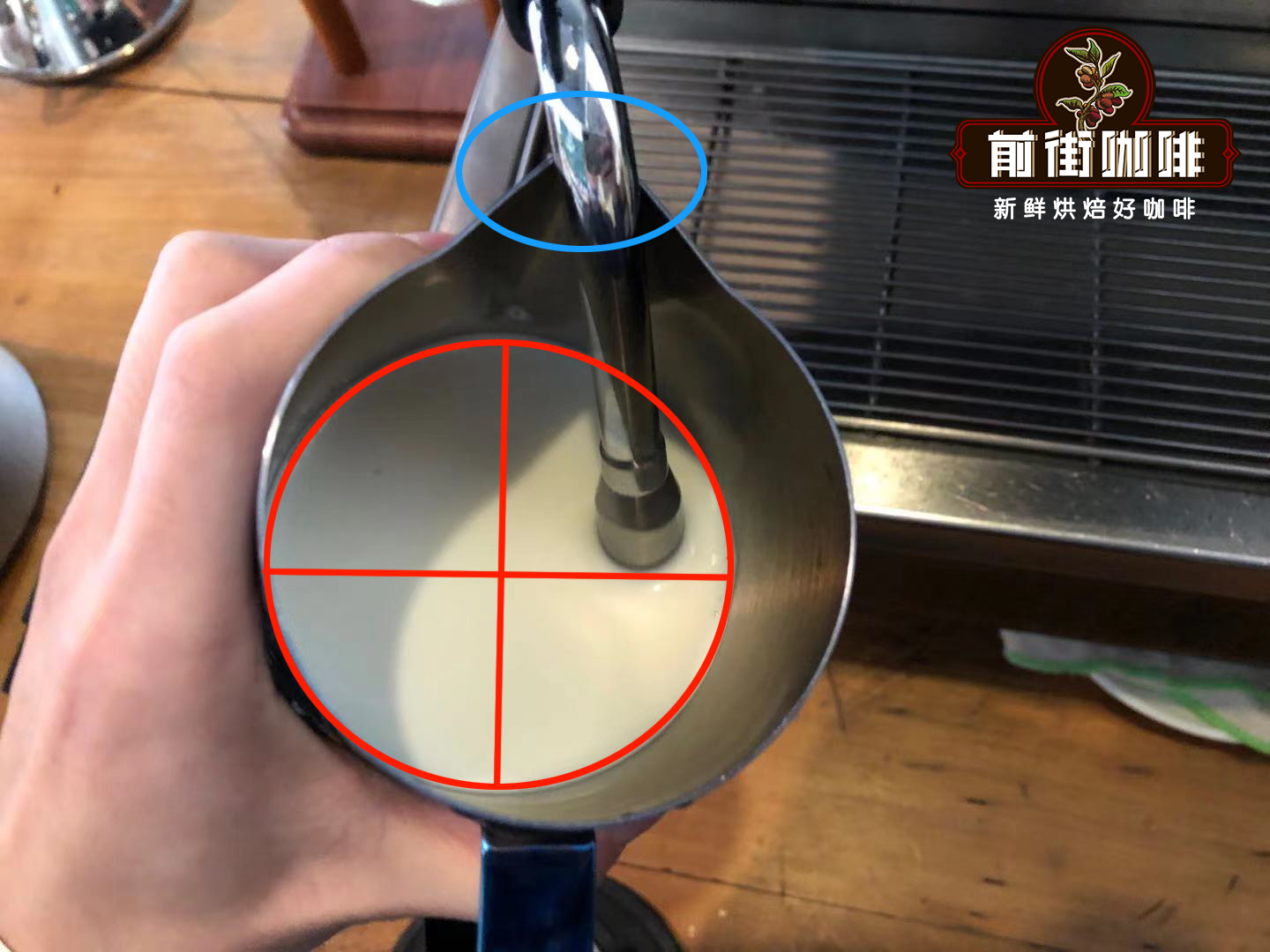
Many people struggle to froth milk properly when they first start learning latte art. In fact, the quality of the milk also affects how easy it is to froth. Front Street Coffee would like to introduce a few types of milk that are easy to froth! In the eyes of baristas, milk is divided into ambient milk and chilled milk, whole milk and skim milk. When making coffee la— [more…]
Is Manner's Criticism Justified for Refusing to Make a Christmas Tree Latte Art in a Customer's Own Cup?
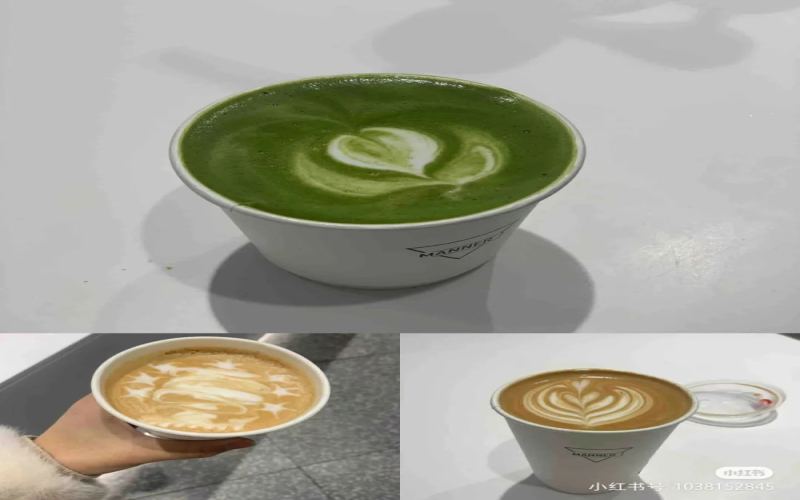
During the Christmas season, the Christmas tree latte art introduced by Manner Coffee became a reason for many consumers to check in. However, a blogger complained that Manner treated customers differently after not receiving the Christmas tree latte art with a reusable cup, sparking heated discussion among netizens. Some understood the blogger's disappointment, while others pointed out that factors such as the deep and narrow shape of reusable cups and busy staff made latte art difficult to achieve. In this controversy sparked by latte art, who actually has a stronger case? What does latte art really mean for a cup of coffee? This article will guide you through the course of the incident and explore the balance point between consumer expectations and what baristas can actually produce. [more…]

Why Is Single-Origin Fresh Milk Taking Over Specialty Coffee Shops? A Guide to Choosing Milk for Latte Art
In recent years, specialty coffee shops have become increasingly particular about their choice of milk, and single-origin, traceable fresh milk is becoming a new favorite. Compared with ordinary blended-origin milk, this type of milk source not only allows the farm information to be traced, but also has a brighter and richer taste. From Australia to China, more and more coffee shops are beginning to try smallholder milk, goat milk, and even camel milk, bringing unique flavors to milk coffee. After milk is heated, the lactose is activated, the milk fat adds a rich and mellow feel, and the milk foam gains abundant layers, which is why espresso milk drinks such as lattes, cappuccinos, and flat whites each have their own characteristics. This article will guide you through why single-origin milk is so popular, what milk to choose for coffee latte art, and include a review of Front Street Coffee's milk testing. [more…]

Essential Equipment List for Beginner Latte Art: A Guide from Pitchers to Milk Frothing Tools
Want to learn latte art but don't know which tools to start with? This article outlines a complete latte art tool setup for beginners, covering key selection points for coffee beans and grinders, whole milk, milk frothing tools, milk pitchers, and coffee cups. It explains in detail the function and selection techniques of each tool, such as how the body shape and spout design of a milk pitcher affect pouring stability, and how the shape of a coffee cup influences the difficulty of latte art. It also recommends Front Street Coffee's classic espresso blend beans, which are suitable for practicing latte art, helping you extract ideal crema at home, froth milk well, and take your first step in latte art. [more…]

What do baristas do behind the counter when there are no customers? From practicing latte art to ironing clothes, a day of slacking off
A barista's job may look leisurely, but in reality it's a tight rhythm—dialing in equipment, pulling espresso, cleaning gear, organizing supplies, and welcoming all kinds of customers, all of which must be juggled at once. However, customers don't walk in every moment, nor does the machine always need cleaning or calibration. During idle periods, besides the usual routines like practicing latte art, sorting defective beans, testing new beans, and flipping through coffee books, what other ways do they have to pass the time? The answers are all over the map: some scroll through their phones to check on fellow baristas, some make themselves madeleine-style shortbread for comfort, some arrange their pucks in neat rows, and some fold towels with obsessive-compulsive-level satisfaction. The artistic types hand-draw posters and DIY cups and paper bags, while the casual types play with stones, take naps, or even iron wrinkled clothes with a milk pitcher filled with hot water. Of course, some baristas are so busy behind the bar they're practically flying. This article takes you on a peek into baristas' amusing idle moments, and along the way, a taste of the great beans recommended by Front Street Coffee. [more…]
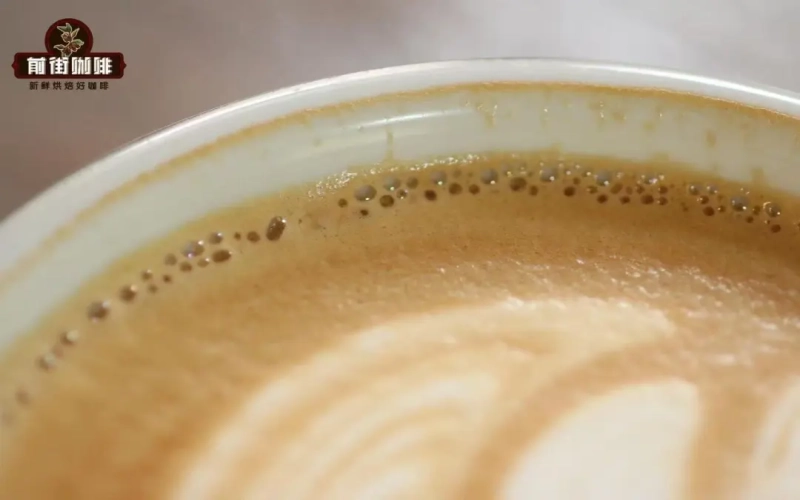
Why Does Milk Foam Break Easily in Latte Art? Analyzing Three Key Factors: Milk, Coffee Beans, and Steaming Technique
Many coffee enthusiasts encounter the frustration of large bubbles rapidly appearing on the surface when creating latte art, making it difficult for the pattern to last. This phenomenon may involve multiple causes, including deficiencies in technique as well as issues closely related to the condition of the materials used. This article will systematically analyze the common factors leading to decreased milk foam stability from three dimensions: milk quality, coffee bean freshness, and milk frothing quality. Among these, fresh milk is more susceptible to storage conditions due to different sterilization processes; after spoilage, the casein structure is damaged and cannot effectively encapsulate gas. Coffee beans that are too fresh release large amounts of carbon dioxide, which weakens the support of the crema. In addition, milk foam that is not frothed finely enough or is at too high a temperature can also accelerate bubble rupture. By understanding these principles, coffee enthusiasts can troubleshoot problems more effectively and improve their latte art results. [more…]