








Why do specialty coffee shops choose single-origin milk?
Single-origin milk comes from one traceable farm rather than a blend collected from many dairies, and specialty coffee shops are adopting it for the same reason they use single-origin beans: clear flavor and a known source. When heated, lactose sweetens, milk fat adds body, and the foam gives structure to latte, cappuccino and flat white.
Shops in Australia and China have tested smallholder milk, goat milk and even camel milk to bring distinct character to milk drinks, and consumers increasingly favor products tied to organic farming and sustainability. The same logic behind what is organic coffee applies here: traceability and farming method shape what ends up in the cup and how it pairs with espresso.
In recent years, specialty coffee shops have become increasingly particular about their choice of milk, and single-origin, traceable fresh milk is becoming a new favorite. Compared with ordinary blended-origin milk, this type of milk source not only allows the farm information to be traced, but also has a brighter and richer taste. From Australia to China, more and more coffee shops are beginning to try smallholder milk, goat milk, and even camel milk, bringing unique flavors to milk coffee. When milk is heated, the lactose is activated, the milk fat adds a mellow richness, and the milk foam adds abundant layers, which is why espresso milk drinks such as latte, cappuccino, and flat white each have their own characteristics. This article will take you through why single-origin milk is popular, what milk to choose for coffee latte art, and includes a review of Front Street Coffee's milk tasting.
"No way? Are there really milks that are single-origin?"
I believe many friends had roughly the same first reaction when they saw this topic—before putting pen to paper, when I chatted with people around me, their surprise was almost identical.
Most of the milk available in supermarkets right now belongs to a certain brand that has its own farms in different regions. Every day, milk is collected from various farms, then transported together to a factory for sterilization, packaging, and then sale.
The single-origin milk mentioned in the title refers to milk that can be clearly traced to which farm it comes from (meeting specific livestock standards, designated independently operated dairy farms). After collection, it is sent separately to a processing plant for processing and sale. This type of product is also called traceable milk.
As more and more people take action for their own health and well-being, consumers' pursuit of organic cultivation and farming of food is also heating up, and products that emphasize sustainability and traceability are naturally more favored.
The reason single-origin coffee beans are popular is that, on the one hand, they can more fully showcase the unique flavor qualities of coffee beans from a certain origin, and on the other hand, they can tell more farmers' stories, creating a connection between people who drink coffee and people who grow coffee, giving consumers a sense of participation.

The rise of single-origin milk sources is for the same reason. In terms of taste, it may not differ much from blended-origin milk, but the mouthfeel is often brighter and richer. Most importantly, consumers can clearly understand product-related information and "trace it to its roots," so they can buy with confidence and drink with peace of mind.
In Australia, where people are especially "obsessed" with espresso milk drinks, many specialty coffee shops have already begun using single-origin milk to make various coffee products.
Some coffee shop owners mention that the biggest change among coffee consumers over the past decade is this: from simply wanting a cup of rich milk coffee to paying more attention to information about the origin of coffee beans, hoping that the beans they buy are sourced in an ethical and transparent way.
Although many people feel that good single-origin coffee beans should not be paired with milk, believing that it is not authentic that way, it is undeniable that milk is being used more and more commonly in coffee drinks, and its status is rising. When people pursue both naturalness and flavor, the addition of different types of milk in different proportions gives coffee a different mouthfeel.
After milk is heated and frothed, the lactose in it is "activated," bringing a sweet aroma to the coffee. Milk fat makes the coffee taste richer, and the milk foam also adds more layers to the coffee. With different ratios of milk types and coffee, espresso milk drinks can be divided into latte, cappuccino, flat white, macchiato, and so on, meeting different consumers' customized needs for coffee intensity.
With the growing popularity of specialty coffee culture, espresso coffee has begun to commonly use single-origin coffee beans, hoping to taste unique origin flavors even under high-concentration extraction. As a result, some milk coffee lovers also hope to taste more special coffee flavors after adding milk, so they have requirements not only for the coffee beans, but also for the uniqueness of the milk.
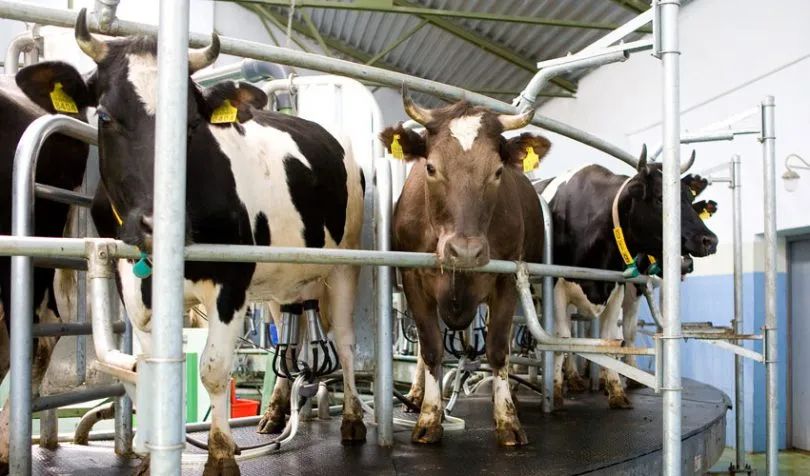
Some coffee shop owners also say: although products made with single-origin milk are priced higher, many customers are willing to accept full-fat milk with good traceability. Some customers feel that this type of milk has a more prominent sweetness, higher body, and a further upgraded mouthfeel.
In addition to Australia, some coffee shops in other regions are also seeing the popularity of unique milk sources, such as camel milk, sheep milk, and goat milk, usually produced and sold by qualified farms. These types of milk are gradually being adopted by coffee shops for three reasons: first, their flavors are unique, allowing coffee products to each have distinctive characteristics; second, the demand for these milk sources is usually different, making their origins clearer; third, by combining local specialty foods with coffee, familiar tastes and memories can bring coffee and consumers closer together.
In some coffee shops in China, smallholder milk options are also beginning to be offered. These are mostly raised, produced, and sold locally by small local farms. Smallholder milk is usually richer and sweeter than mass-produced milk, and it is also easier to know clearly where the milk comes from.
It should be noted that when buying smallholder milk, you must choose a qualified, professional, and compliant dairy factory, and at the same time choose products that have already adopted ultra-high-temperature instantaneous sterilization and maintain freshness and safety throughout the production process.
Image source: Internet
Hyperlinks to previous milk reviews⬇️
Round two: We bought back the 12 kinds of milk everyone mentioned! And drank them all!
Milk review | Why is Jersey milk so expensive! Is it good? !
The above content is compiled by CoffeeHunters, a coffee news website.


