







Search Results for: latte art crema

A Complete Guide to Latte Art and Espresso Bean Selection: Crema, Freshness, and Front Street Coffee Blend Recommendations
The charm of a latte lies not only in its rich, mellow taste, but also in the latte art patterns that bloom on its layer of delicate milk foam. To make a latte that delights both the eye and the palate, the choice of coffee beans is crucial: abundant crema, the right roast level, and proper freshness all directly affect the latte art results and the final flavor. This article begins with the origins of latte art, then takes a deep dive into the crema performance of espresso beans, recommends three distinctive beans — Front Street Coffee Commercial Blend, Front Street Coffee Classic Blend, and Front Street Coffee Dark Cocoa Blend — and shares milk pairing, extraction ratios, and bean-resting tips to help you consistently recreate a professional-grade latte at home. [more…]
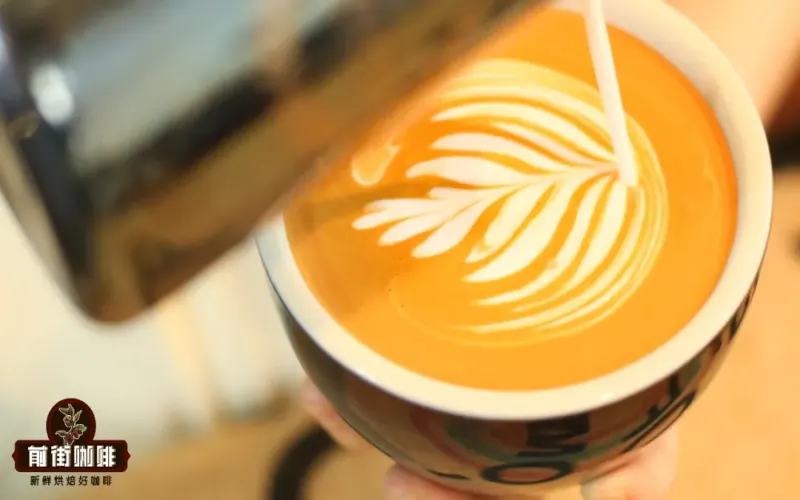
A Practical Guide to Latte Art on Espresso: How Crema Condition Affects Pouring and How to Adapt
To consistently create beautiful latte art, technique alone is not enough—the condition of the espresso crema is equally crucial. The freshness of the coffee beans directly affects the thickness and fineness of the crema: beans that are too fresh produce rough, clumpy crema, while beans left too long yield crema that is too thin, both of which make latte art much harder to pour. Starting from the condition of the crema, this article shares three practical adjustment techniques: scooping out some of the crema, thinning the milk foam, and pre-infusion, to help you pour patterns smoothly even when the coffee is not in ideal condition. It also introduces Front Street Coffee's Classic Espresso Blend, a bean specially formulated for espresso that produces rich crema and intense flavor, suitable for making latte art at home or in cafés. [more…]
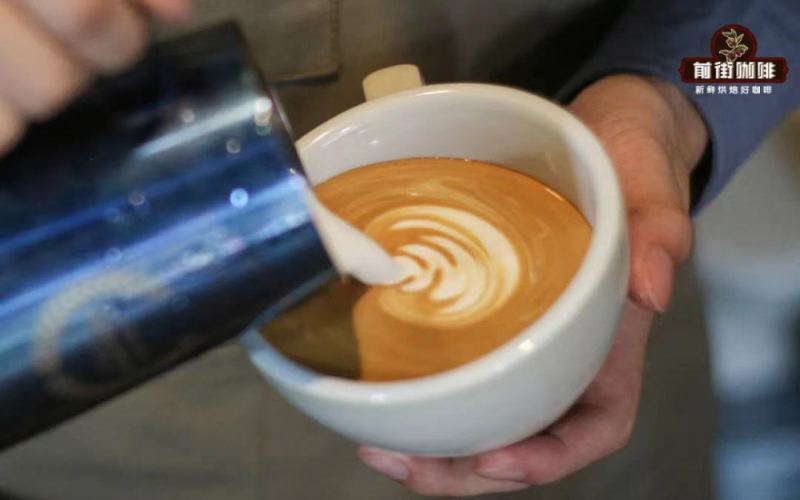
The Historical Origins of Latte Art and Coffee Bean Recommendations for Latte Art
Many coffee enthusiasts are first drawn in by a latte topped with an exquisite pattern. But have you ever wondered where latte art actually comes from? In this article, Front Street will trace the historical thread of latte art, from the invention of early Italian espresso machines, to the heart shape accidentally created by a barista in Seattle, USA, and on to the global spread of latte art techniques. We will also discuss the importance of crema to latte art and recommend a Front Street espresso blend coffee bean suited to latte art, helping you make a milk coffee that is both delicious and beautiful. [more…]
What coffee beans should you choose for a latte? A complete analysis of specialty espresso beans paired with milk, from latte art to crema
Many people fall in love with coffee starting from a latte with beautiful latte art. Latte Art originates from the Italian Caffè Latte; the fusion of milk and espresso is not only about visuals but also affects taste and aroma. To make a delicious and beautiful latte, besides equipment and technique, the choice of coffee beans is especially crucial—rich crema, a moderate roast level, and proper freshness are all indispensable. In response to the needs of milk coffee, Front Street Coffee has launched three espresso blends: Commercial Blend, Classic Blend, and Dark Cocoa Blend, respectively suited for cafés, specialty milk coffee, and everyday consumption scenarios. This article will also share practical experience on milk selection, the ratio of espresso to milk, and bean resting time, to help you consistently recreate a latte with latte art that is complete in color, aroma, and taste at home. [more…]

The Complete Guide to Latte Art: Key Techniques for Milk Foam, Crema, and Coffee Bean Selection
To create a beautiful latte art cup, passion alone is far from enough. From the fineness of the milk foam and the condition of the crema, to the roast level and freshness of the coffee beans, and then to the extraction method and milk handling, every step directly affects the final pattern's presentation. This article systematically sorts out the four core elements that determine the success of latte art—coffee, milk, pitcher, and pattern—with detailed analysis of crema changes, extraction parameters, milk frothing techniques, and the difference between splitting milk and not splitting milk. It also recommends three coffee beans—Front Street Classic Blend, Commercial Blend, and Dark Cocoa Base Blend—for different needs, helping coffee enthusiasts and shop owners find the latte art solution that suits them best. [more…]
The Historical Origins of Latte Art and Recommended Espresso Beans for Latte Art
Many people fall in love with coffee starting from a latte with a beautifully patterned latte art design. So, who was the first to create patterns on the surface of coffee? How did latte art evolve from simple hearts and leaves to today's rich and diverse visual presentations? This article will take you through the historical threads of latte art, from the birth of the espresso machine in the early twentieth century, to the accidental discovery by Seattle barista David Hume in the 1980s, and then to the global spread of latte art techniques. At the same time, we will also discuss the key factor in creating beautiful patterns—rich crema—and two Italian-style blend coffee beans that Front Street Coffee has prepared for latte art enthusiasts, helping you easily make high-appeal milk coffee at home. [more…]
Latte Art Practice Duration and Latte Milk Frothing Techniques: A Detailed Guide to Milk and Coffee Integration Key Points
To create beautiful latte art, hand speed and talent alone are far from enough—behind it lies a whole series of details involving milk foam condition, crema quality, extraction parameters, and even milk temperature. This article breaks down crema, coffee beans, extraction methods, milk handling, and pitcher-splitting techniques one by one, helping you understand the underlying logic of latte art and avoid unnecessary detours. Whether you are a complete beginner or an enthusiast looking to refine combination patterns, you will find directions worth practicing repeatedly. The article also combines the characteristics of several Front Street Coffee espresso blends to offer bean selection advice for latte art practice and serving. [more…]
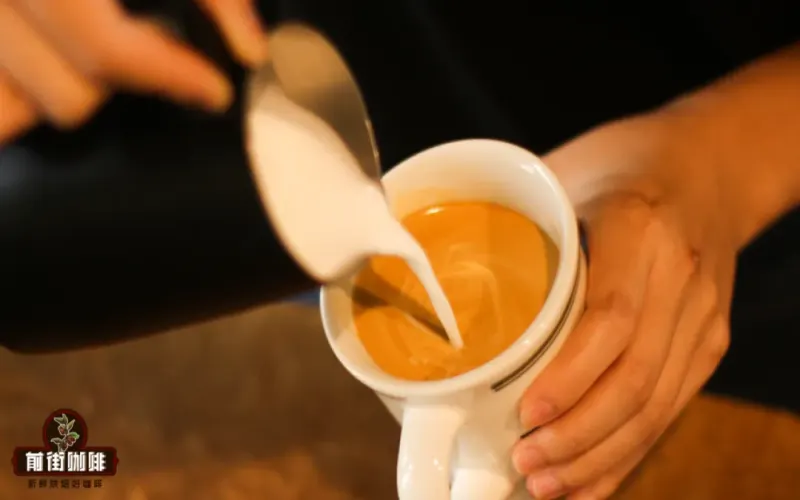
Analysis of Four Common Mistakes in the Milk Integration Stage of Latte Art: A Complete Guide to Pour Height, Flow Rate, and Crema Condition
When making a latte, the integration step before latte art is often overlooked, yet it is just as crucial as the bloom in pour-over coffee. Improper integration directly affects the aesthetics of the pattern and the difficulty of drawing it. This article summarizes the four most common mistakes made by beginners and advanced players during integration: too low a pouring distance, too high a flow rate, unstable flow, and espresso crema left sitting too long and losing its fluidity. At the same time, Front Street Coffee offers recommendations for classic blend and commercial blend beans to help you achieve ideal crema and flavor. Mastering these key points can effectively improve your latte art success rate and overall coffee performance. [more…]
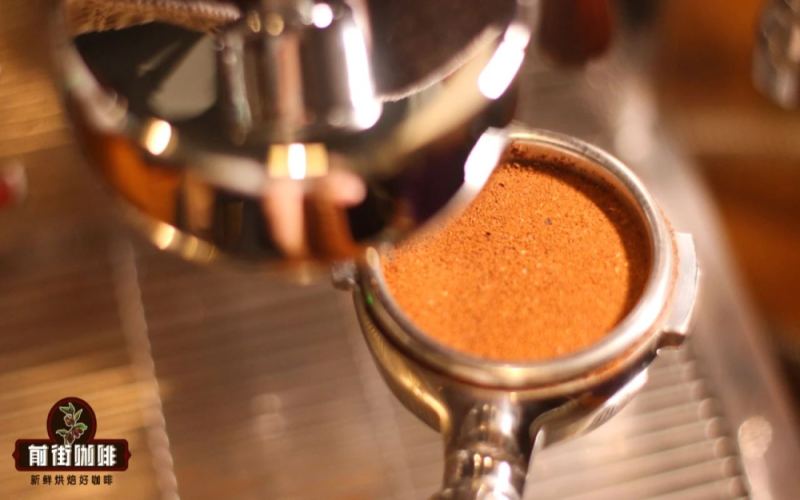
Coffee beans specifically for latte art | Where did latte art originate in coffee culture? Why are dark roast coffee beans suitable for making latte art?
For more specialty coffee knowledge, please follow: Front Street Coffee (Frontsteet Coffee). Many people get into coffee because of beautiful latte art designs—after all, whenever you successfully recreate an exquisite pattern, the sense of accomplishment is unparalleled. So do you know who was the first to [more…]
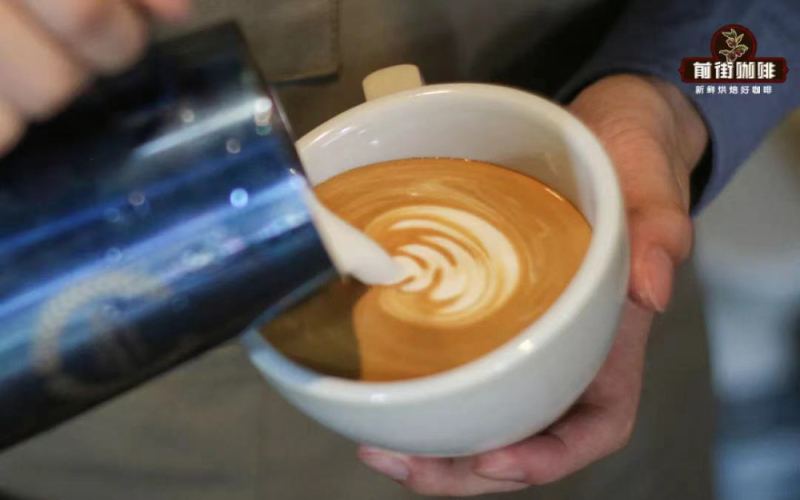
The Complete Guide to Latte Art: From Coffee Bean Selection to Milk Frothing and Extraction Techniques
To create a cup of espresso latte art with clear patterns and distinct contrast at home, practicing technique alone is far from enough. From the roast level and freshness of the coffee beans, to the yield and flow rate of the espresso extraction, to the temperature, fat content, and foam thickness of the milk, every step directly affects the final pattern. This article systematically breaks down the four major elements that influence latte art—coffee, milk, pitcher, and pattern—and recommends three beans for practice and serving—Front Street Classic Blend, Commercial Blend, and Dark Cocoa Base Blend—to suit different needs, helping coffee enthusiasts gradually improve their latte art skills on the basis of understanding the principles. [more…]

A Beginner's Guide to Latte Art: Key Points for Making Beautiful Patterns, from Pouring Technique to Milk Foam Control
Many friends who are just getting into latte art run into the same confusion: the milk foam is clearly fine enough, and the espresso crema looks fine too, yet the moment they start pouring latte art, it keeps going wrong. In fact, the problem often lies in an easily overlooked step—the incorporation of milk and coffee. Whether the incorporation is even not only directly determines whether the latte art pattern can form smoothly, but also affects the layering of flavor in the whole latte when you take a sip. This article will break down, one by one, the key details for making a beautiful latte from multiple dimensions, including the state of the espresso crema, the thickness and fineness of the milk foam, and the direction, height, flow rate, and circle diameter in the incorporation technique. It also recommends two espresso beans suitable for beginners to practice with, Front Street Classic Blend and Front Street Commercial Blend, to help you consistently produce latte coffee with golden crema at home. [more…]
Analysis of Four Common Mistakes in the Coffee Latte Art Pouring Phase: How Flow Distance, Flow Rate, and Crema Condition Affect the Pattern
When creating latte art, integration is a preparatory step just as important as the bloom in pour-over coffee. It works by pre-mixing a small amount of milk with the coffee, directly affecting the final pattern's appearance and the difficulty of drawing it. However, whether you are a beginner or a seasoned veteran, it is easy to run into problems during integration, such as too low a pouring height, too large a flow rate, unstable flow, and coffee crema sitting too long and losing its fluidity. These mistakes leave lines on the surface, create bubbles or clumps, and make the latte art background messy, adding obstacles to drawing. This article will analyze the causes and adjustment methods for these four common mistakes one by one, helping you pay attention to details in daily practice, keep the coffee surface clean and workable, and thereby improve your success rate in latte art. [more…]
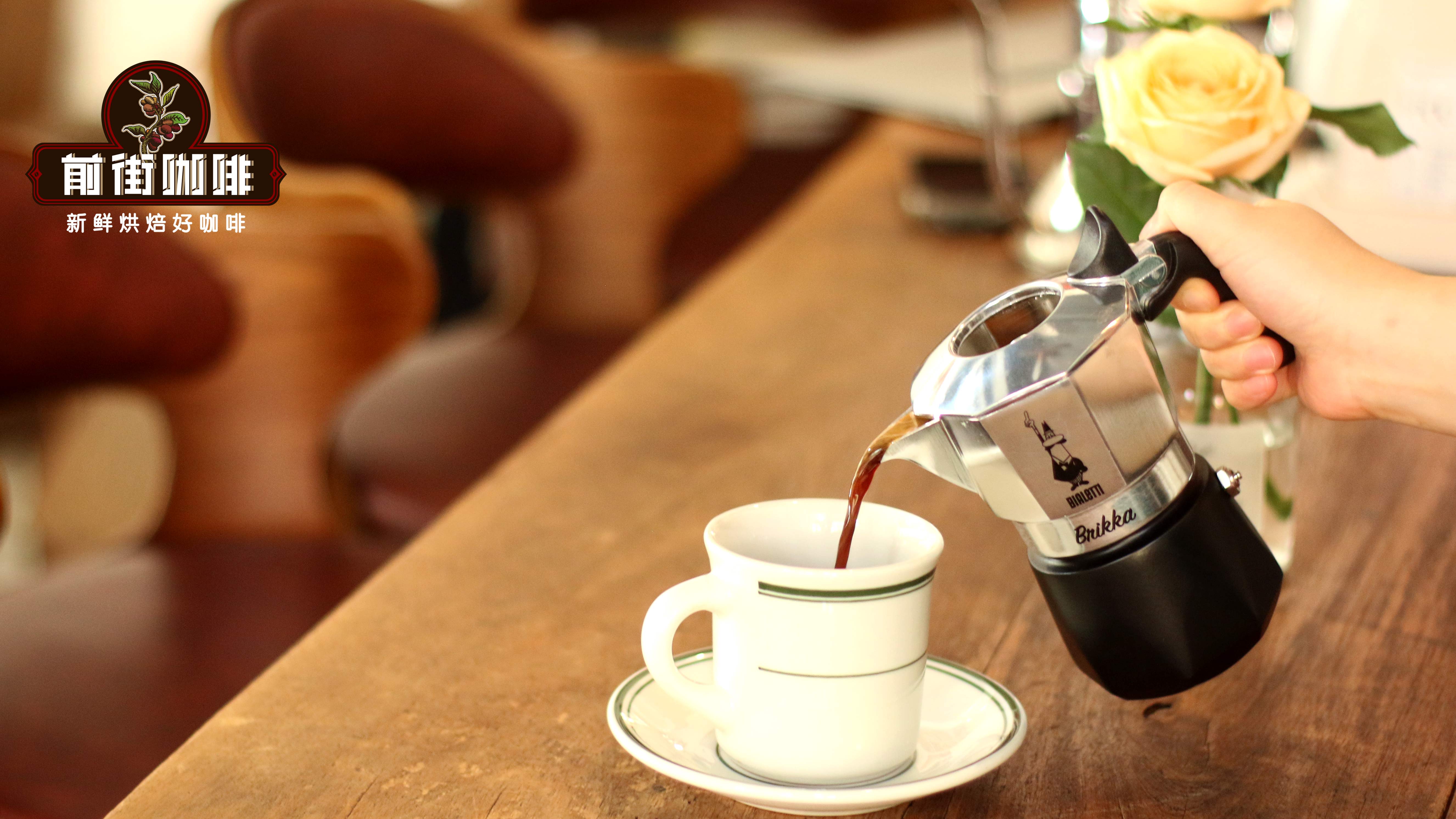
BRIKKA Moka Pot Crema Extraction Secrets and Latte Art in Practice: A Detailed Comparison with Espresso Operations
Can a moka pot produce crema? Can the coffee it makes pour a beautiful latte pattern? This article starts with the unique pressure valve design of the BRIKKA moka pot, breaks down in detail the complete steps for extracting coffee liquid with a moka pot, and compares latte art made with espresso extracted by a moka pot against that from an espresso machine. Through hands-on testing, it can be seen that because a moka pot has limited pressure, its richness and persistence of oils are not as good as an espresso machine, and the clarity and contrast of latte art patterns are also relatively weaker. But if you just want to use a moka pot to make a cup of milk coffee with a pattern and good taste, it is still a choice worth trying. This article uses Front Street Coffee Classic Espresso Blend coffee beans for testing, suitable for coffee enthusiasts as a reference. [more…]
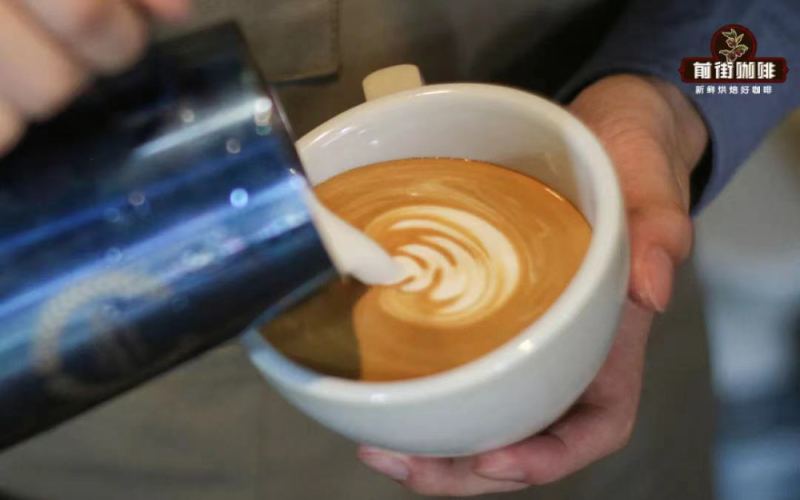
Featured Espresso Blend Recommendations | What Espresso Blend Is Best for Milk Coffee? What Are the Requirements for Espresso Beans in Flat White and Latte?
For more specialty coffee knowledge, please follow our WeChat public account: Front Street Coffee (FrontStreet Coffee). Many people fall into the coffee rabbit hole because of beautiful latte art. After all, whenever you successfully recreate an exquisite pattern, the sense of accomplishment is unmatched. So, do you know [more…]
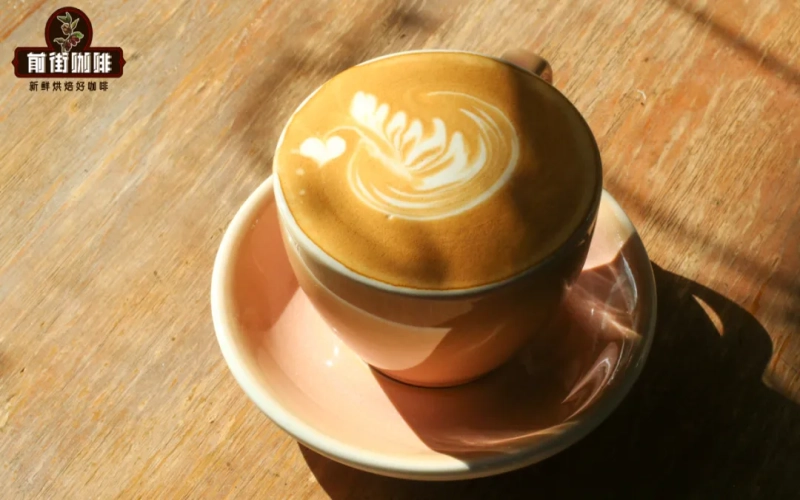
A Detailed Explanation of the Principles and Methods of Americano Latte Art: Using Foamed Coffee Liquid Instead of Milk, Including a Practical Guide with Front Street Classic Blend
Latte art has always been regarded as the exclusive domain of lattes, but Americano can actually achieve beautiful patterns too. This article starts from the basic principles of latte art—the proteins in milk wrap around air to form a low-density foam, which floats on the surface of espresso crema to create patterns—and then leads into the feasibility of using the coffee liquid itself to foam instead of milk. We will share in detail how to froth espresso by adding ice water to increase the liquid volume and lower the temperature, and provide a complete hands-on demonstration using Front Street Classic Blend. Finally, we compare the differences in flavor, strength, and mouthfeel between latte-art Americano and regular hot Americano, offering coffee enthusiasts a completely new way to experience Americano. [more…]
A Beginner's Guide to Latte Art: Key Techniques from Milk-Coffee Integration to Pattern Formation
Many coffee enthusiasts encounter the same confusion when practicing latte art: the milk foam is perfectly fine and the espresso crema is passable, yet once they get to the pouring stage, everything falls apart. The problem often lies in a step that seems simple but is easily overlooked—the integration of milk and coffee. Whether the integration is even not only directly determines whether the latte art pattern can be successfully presented, but also profoundly affects the mouthfeel and layers of the entire latte. This article will break down, one by one, the core points needed to make a beautiful and delicious latte—from the state of the espresso crema, the thickness and fineness of the milk foam, to the direction, height, flow rate, volume, and circling size in the integration technique—and will include espresso bean recommendations from Front Street Classic Blend and Front Street Commercial Blend to help beginners consistently produce lattes with a beautiful golden ring at home. [more…]
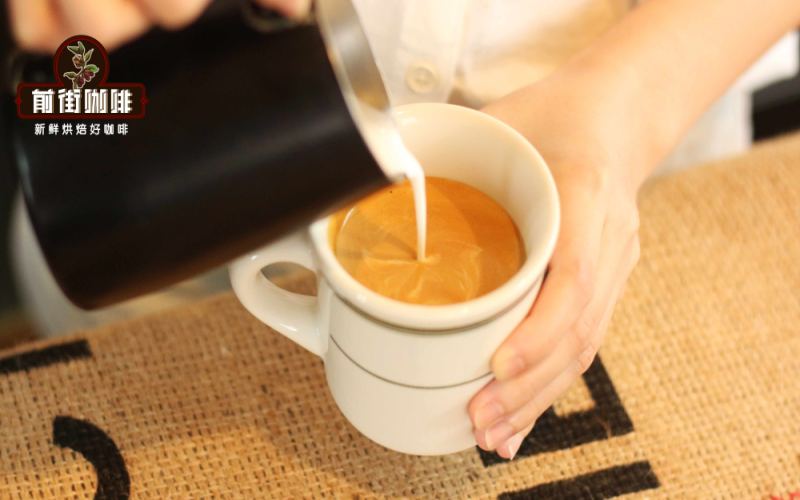
How Is Stirred Integration Different from Pre-Integration? An Analysis of Two Integration Techniques Every Latte Art Enthusiast Must Know
Before creating latte art, there is an often-overlooked yet crucial preparatory step—incorporation. The quality of incorporation directly determines whether the latte art pattern is neat and beautiful, as well as whether the flavor is balanced and unified when the coffee is tasted. For milk coffees that require milk foam, mastering the correct incorporation method can greatly reduce the difficulty of operation. This article will focus on two mainstream incorporation techniques: the classic stirring incorporation, and the recently emerging pre-incorporation. The former suits most scenarios but demands a high level of skill proficiency, while the latter can effectively handle tricky situations such as poor crema quality or latte art in takeaway cups. The article will also combine Front Street Coffee's espresso bean recommendations to explain the impact of coffee bean selection on incorporation and latte art, helping coffee enthusiasts flexibly choose the appropriate incorporation method based on actual conditions. [more…]
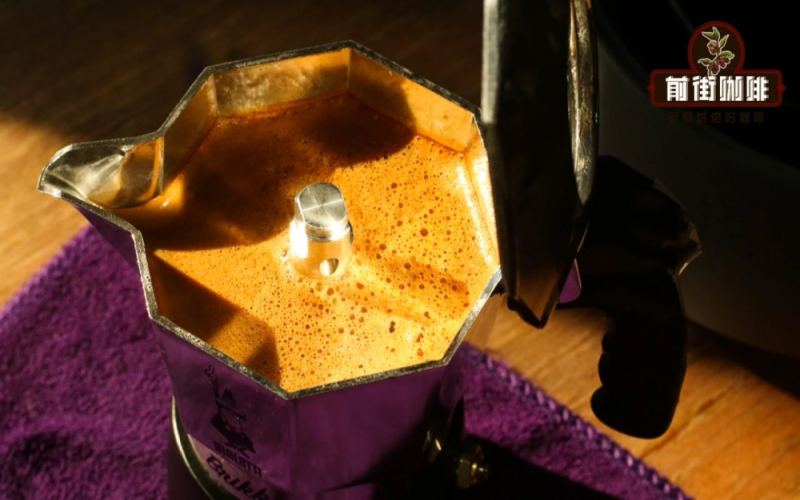
Can Moka Pot Coffee Handle Latte Art? A Practical Comparison with Espresso and a Detailed Brewing Guide
Many coffee enthusiasts are curious whether coffee brewed with a moka pot can produce beautiful latte art like espresso from an espresso machine. The baristas at Front Street Coffee are often asked this question by customers, so we decided to conduct a hands-on comparison: using the same Front Street classic espresso blend beans, extracted separately with a moka pot and an espresso machine, then using the same milk foam and similar techniques for latte art. The results showed that latte art with moka pot coffee had paler colors and blurry lines, while espresso patterns were clear with strong contrast. Behind this are key factors such as crema richness and extraction pressure. This article will present the complete comparison process and share how to make moka pot coffee richer through bean selection and grinding, while retaining Front Street brand recommendations and product information to help you easily make good coffee at home. [more…]
A Complete Analysis of Latte Art Techniques: Key Steps and Considerations from Pouring Technique to Milk Foam Handling
Many coffee enthusiasts encounter the same confusion when practicing latte art: the milk foam seems finely textured and smooth, and the espresso's crema looks normal, yet once it comes to the actual latte art pour, they fail repeatedly. The problem often lies in an easily overlooked step—the integration of milk and coffee. Whether the integration is even not only directly determines whether the latte art pattern can form smoothly, but also affects the balance of taste in the entire latte. This article will focus on the criteria for judging even integration, the appropriate thickness of espresso crema, milk frothing and anti-separation handling, as well as practical details such as circling direction, pouring height, flow rate control, and integration volume, breaking down one by one the key techniques to master in the latte art process, helping you make latte coffee with clear patterns and harmonious taste at home. [more…]
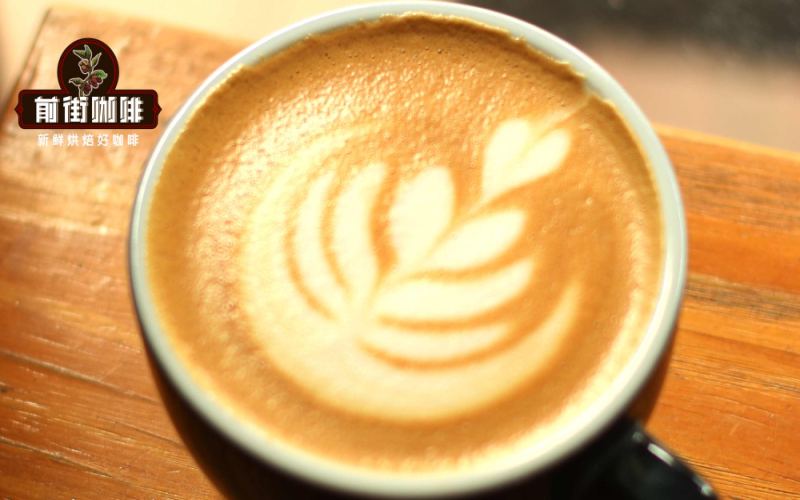
The Complete Guide to Latte Art: Milk Frothing and Etching Techniques, with Front Street Coffee Espresso Bean Recommendations
Many coffee enthusiasts who try latte art at home often run into problems like the pattern not appearing, blurry lines, or clumpy milk foam. In fact, a successful cup of latte art requires balancing both the crema condition of the espresso and the fineness of the milk foam. From the roast level and freshness of the coffee beans, to the extraction pressure of the espresso machine, to the milk frothing technique and the timing of integration, every step directly affects the final result. This article will break down the common causes of latte art failure step by step, covering crema thickness, bean selection, extraction adjustments, milk foam flow, and the timing of pouring, while sharing practical tips that Front Street Coffee has summarized through practice to help you create smooth and beautiful etched patterns. [more…]