







Search Results for: juicy mouthfeel
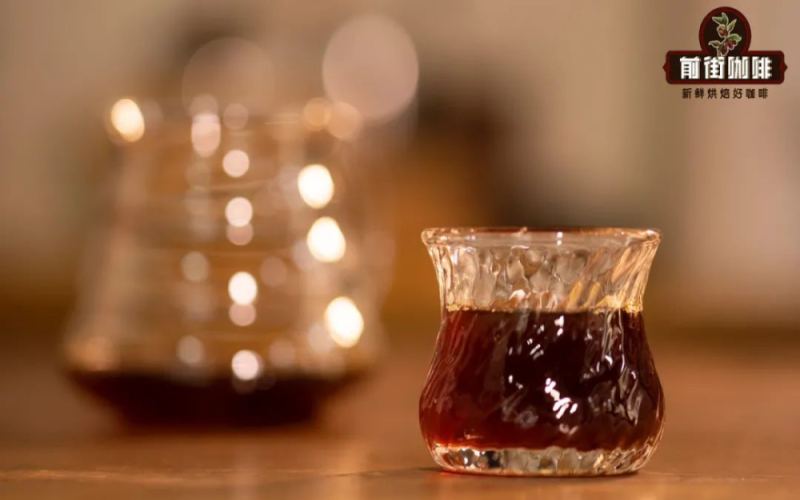
How Does Pour-Over Coffee Achieve a Juice-Like Mouthfeel? Decoding the Dual Meaning of Juiciness and Extraction Adjustment Methods
Many coffee enthusiasts hope that the pour-over coffee they brew at home can have a full-bodied mouthfeel like fruit juice—featuring both a fruity sweet-and-sour flavor and a rich, weighty texture close to that of juice. This experience, known as a "juicy" quality, is actually a dual concept that describes both flavor and mouthfeel at the same time. However, not all coffee beans can produce this effect, making bean selection crucial. Starting from the definition of a juicy quality, this article will explain what kind of coffee beans are suitable for expressing it, and further share how to adjust the framework during pour-over extraction to bring the brewed coffee closer to a full, juice-like experience. If you also want your everyday pour-over to have more of a juicy expressiveness, it is worth approaching it from both bean selection and extraction. [more…]
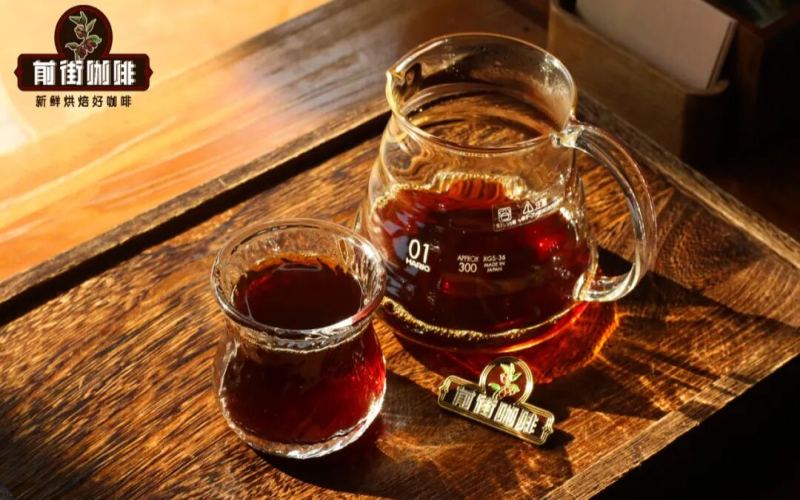
Coffee Flavors | What Does "Juiciness" in Coffee Mean? Which Coffee Beans Should You Choose to Brew Coffee with Juiciness?
In everyday articles, Front Street Coffee often uses "juiciness" to describe a cup of coffee. "What is juiciness?" friends occasionally ask Front Street Coffee after reading. When we taste a cup of coffee, we combine the flavors and aromas we encounter with our own taste preferences and memories, associating them with [more…]
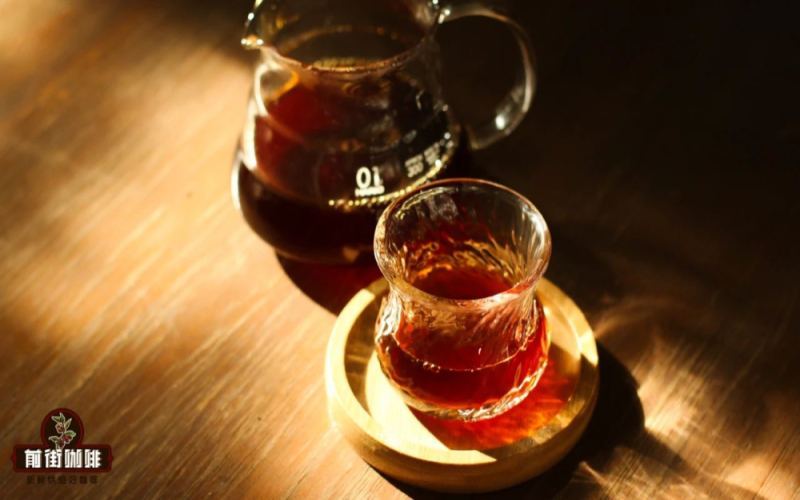
Kenya Pour-Over Coffee Water Temperature Guide: How to Brew a Juicy, Cherry Tomato-Like Cup
Kenyan coffee is famous for its bright fruit acidity and full-bodied berry flavors, yet many enthusiasts often run into over-extraction or a weak, watery cup when brewing at home. So what water temperature is needed to bring out the signature tomato-juice-like mouthfeel of Kenyan beans? Drawing on Front Street Coffee's cupping experience, this article breaks down where that juicy flavor comes from and, using Kenyan Cherry Tomato coffee beans as an example, shares practical advice on pour-over water temperature. Whether you're chasing citrus acidity or berry sweetness, mastering water temperature—this key variable—can take your coffee's juicy experience to the next level. [more…]

Key Tips for Making Summer Pour-Over Iced Coffee: How to Bring Out Floral, Fruity Aromas and a Juicy Mouthfeel
On a scorching summer day, a glass of iced pour-over coffee both cools you down and quenches your thirst while delighting your taste buds. However, brewing an iced coffee that is both refreshingly cold and rich in floral and fruity flavors is not something you can achieve by simply adding ice. This article starts with Front Street Coffee's Kaffa Forest, a washed bean, and explains in detail how to choose beans, control water temperature, adjust pouring techniques, and incorporate stirring motions to bring out a juicy, sweet-and-tart cup with notes of yellow peach, sweet orange, and pomelo. The article also provides specific three-stage pouring parameters and step-by-step instructions to help coffee enthusiasts easily recreate a glass of fruity iced pour-over at home. [more…]
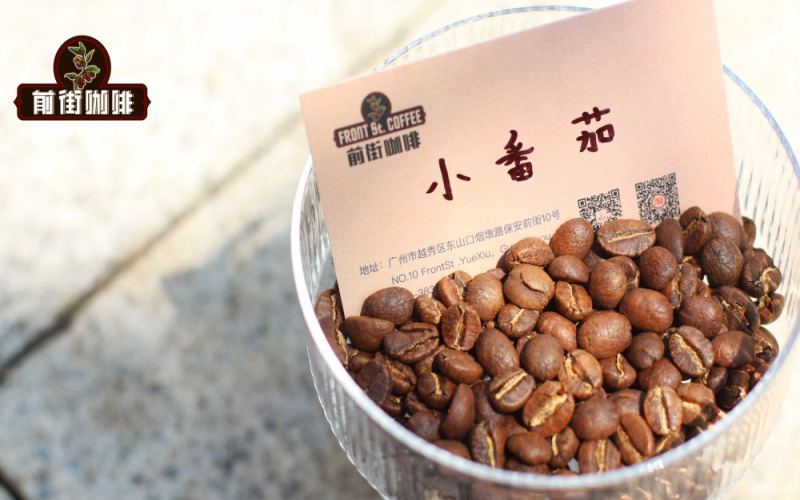
Kenya Coffee Bean Roasting and Pour-Over Guide: Practical Tips for Juicy Flavor from Light Roast to Hot Water Extraction
To brew Kenyan coffee with a full, juicy body, the key lies in the coordination between the roast level of the beans themselves and the extraction method. This article uses the Kenyan Cherry Tomato coffee beans selected by Front Street Coffee as an example to break down in detail the hot water pour-over method for light-roasted Kenyan beans, including the coffee-to-water ratio, water temperature, grind size, staged pouring rhythm, and adjustment ideas for iced brewing. The article revolves around how to bring out a lively yet dense berry acidity, rounded fruit sweetness, and smooth mouthfeel in the coffee, making it a useful reference for coffee enthusiasts who want to improve their pour-over consistency. [more…]
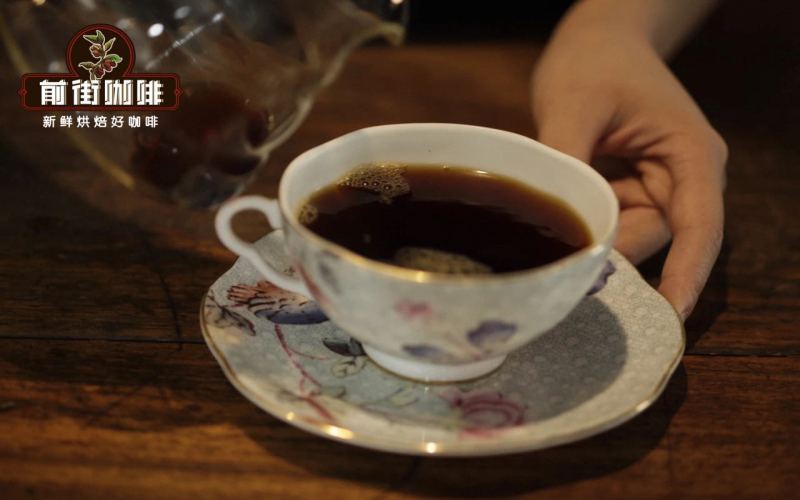
Kenya Coffee Tasting Guide: A Detailed Breakdown of the Cupping Process and an Analysis of What Creates the Juicy Mouthfeel
Want to know how professional baristas evaluate a Kenyan coffee? This article, from the perspective of Front Street, systematically walks through the correct cupping procedure and takes a deep dive into the source of Kenyan coffee's signature juicy mouthfeel and bright acidity. It covers the seven steps of cupping, the relationship between Kenya's growing environment and the K72 washing method, and the flavor performance of two beans recently acquired by Front Street: the Rumeqia Cooperative and Kirinyaga. Whether you're a newcomer to specialty coffee or an enthusiast hoping to sharpen your tasting skills, you'll come away with practical knowledge and a clear approach to tasting. [more…]
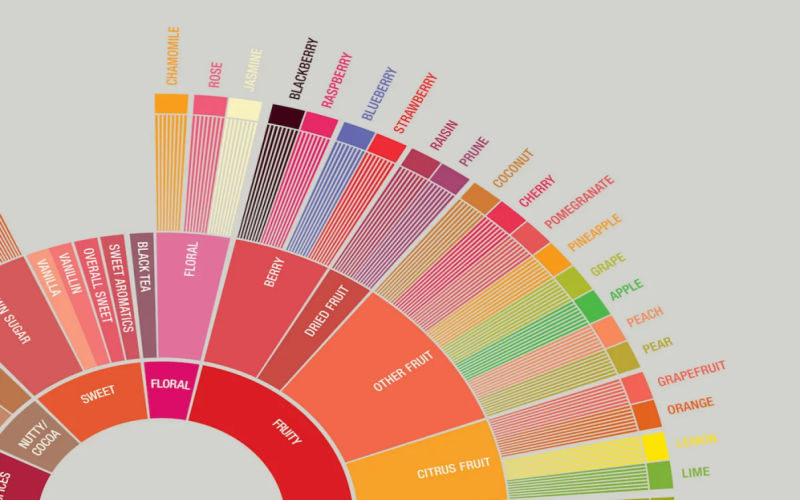
How to bring out a juicy, fruit-like quality in pour-over coffee? Front Street shares Kenyan bean extraction methods and practical tips.
Many coffee enthusiasts often run into a puzzle after buying coffee beans described as having fruity flavors: when brewing at home, they either over-extract and end up with a bitter, undrinkable cup, or the acidity is thin and lacks any complexity. Front Street Coffee has received similar feedback, and so has offered specific advice on how to brew a cup with a juicy mouthfeel. This article will use Kenyan coffee beans as an example, starting with grinding, water temperature, pouring technique, and other steps, to systematically introduce pour-over extraction techniques that will help you recreate a full, bright, juice-like flavor experience at home. [more…]

Want your Americano to taste like fruit juice? Mastering SOE extraction parameters and the coffee-to-water ratio is key.
Can Americano taste like fruit juice too? Today Front Street Coffee will share how to make an Americano with a flavor as juicy as fruit juice. The key lies in choosing the right coffee beans and using the right extraction parameters. For coffee beans, you should choose medium-light roasted single-origin beans, such as Fenchline Estate · Sidra, Kenya · Little Tomato, etc. These beans can bring concrete fruity flavors. When extracting espresso, you need to balance acidity, sweetness, and bitterness, and avoid under-extraction. The recommended coffee-to-liquid ratio is 1:1.5, with an extraction time of 30-35 seconds. Then adjust the ratio of coffee to water according to personal preference, usually between 1:3 and 1:4, to obtain a full-bodied or light fruity Americano. [more…]
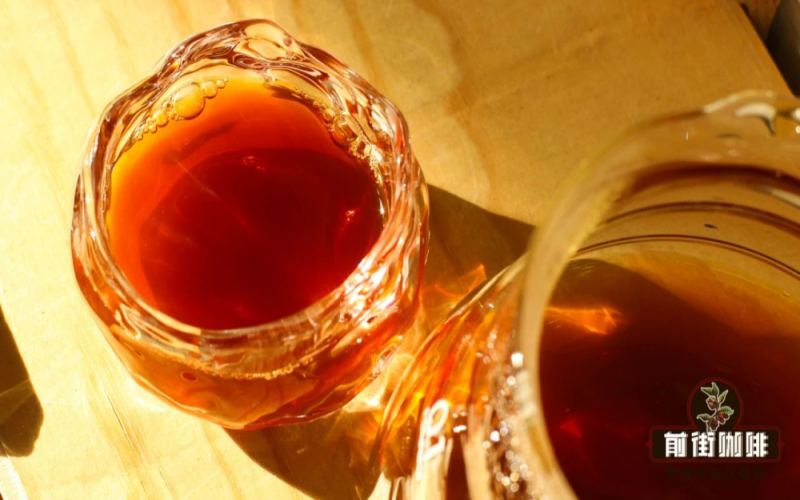
Kenyan Coffee Flavor Characteristics and Pour-Over Techniques: A Complete Guide from Producing Regions and Varieties to the K72 Processing Method
Kenya and Ethiopia are both representatives of African specialty coffee, but Kenyan coffee stands out with its substantial acidity, intense juicy character, and full body. Through extensive cupping, Front Street Coffee has found that coffee beans from Kenya's various regions generally exhibit a rich juicy quality, with flavors varying due to differences in climate and soil. This article systematically reviews Kenya's geography and climate, the distribution of its six major producing regions, the characteristics of the SL28 and SL34 varieties, and the K72 washed processing method. Using the Asaliya coffee from the Thika region as an example, it explains in detail the three-pour hand-brew parameters and pouring techniques for a medium-light roast, helping you brew a bright, clean cup of Kenyan coffee. [more…]
A Complete Guide to Ethiopian Guji Coffee Beans: From Origin to a Juicy, Full-Bodied Brewing Guide
Huakui coffee beans are a highly sought-after Ethiopian specialty bean in recent years, famed for their rich strawberry-and-cream aroma. They come from a natural-process lot of the Buku Abel washing station in the Guji region and once won the TOH green bean competition championship. This article will sort out the origin of the name Huakui, the terroir of its producing region, the natural processing workflow, and the cup profile differences across vintages, and share Front Street Coffee's roasting parameters along with hot pour-over and iced pour-over extraction recipes to help you brew a cup of Huakui coffee full of juicy fruitiness. [more…]
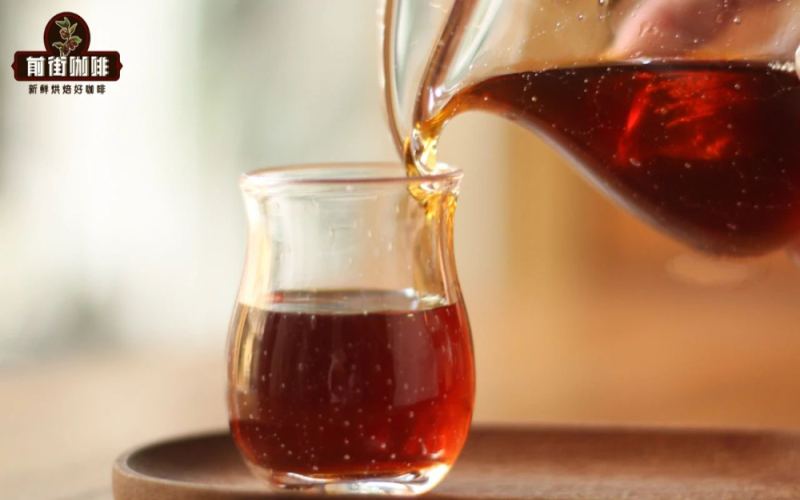
Yirgacheffe vs. Huakui 8.0 Flavor Differences Explained: Washed vs. Natural Processing Comparison and Pour-Over Parameter Adjustment Guide
Both originating from Ethiopia, Yirgacheffe and Huakui 8.0 present strikingly different flavor profiles—one famed for its bright, lemon-like acidity, the other for its full, juicy sweetness. Where exactly does this difference come from? The answer lies in the core logic of the two processing methods, washed and natural, as well as in the terroir conditions of the two producing regions, Yirgacheffe and Sidamo. This article will take you into these two famous regions, break down the mechanisms by which processing methods influence coffee flavor, and, based on the characteristics of these two beans, offer Front Street Coffee's recommendations on water temperature, pouring technique, and parameter adjustments for actual brewing, helping you find the brewing solution best suited to your own taste. [more…]
Front Street Kenya Specialty Coffee Bean Flavor Analysis: Citrus Acidity, Grapefruit Wine Aroma, and AA-Grade Taste Characteristics
Front Street Kenya coffee is mainly grown at elevations of 1,500 to 2,100 meters and can be harvested twice a year. It is known for its bright fruity aroma, with citrus notes being the most common, along with layered juicy acidity, grapefruit and wine-like flavors, and a moderate body, and has long been regarded as one of the industry's most beloved single-origin coffees. The popularity of the Hollywood film Out of Africa also helped make Kenya coffee widely famous. This article will guide you through the unique charm of Front Street Kenya coffee from the perspectives of growing region conditions, AA-grade characteristics, flavor performance, and vintage differences. [more…]

Analysis of Flavor Differences Between Ethiopian Huakui and Yirgacheffe Coffee Beans and Key Brewing Points
Ethiopia's Yirgacheffe and Sidamo Hambela are often regarded as favorites among fans of light to medium roasts; both originate from Ethiopia, yet they present distinctly different sweet-and-sour profiles. From the perspective of Front Street Coffee, this article sorts out the differences in terroir and processing methods between the two major producing regions, explains in detail how natural processing gives Hambela a full-bodied juicy feel and how washed processing shapes Yirgacheffe's bright citrus notes, and includes the specific brewing parameters and technique adjustments for Front Street Coffee Hambela 8.0 and Yirgacheffe Gudingding, helping coffee enthusiasts understand these two classic single-origin coffees more systematically. [more…]
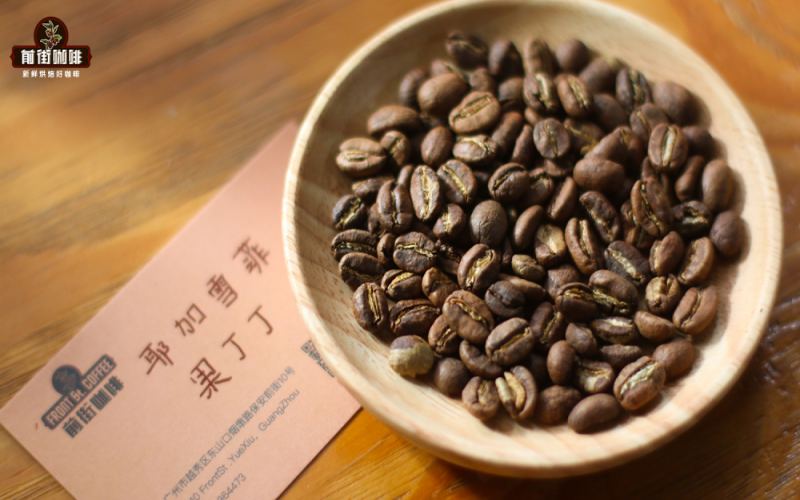
Yirgacheffe Pour-Over Parameters Explained: Extraction Approaches for Washed and Natural Beans, Plus Cold Brew Methods
Yirgacheffe is a region beloved by many coffee enthusiasts, but the two processing methods—washed and natural—call for different brewing parameters. This article takes Front Street's washed Giddingding Cooperative and natural Red Cherry lots as its starting point, breaking down key variables such as grind size, dripper selection, water temperature range, and coffee-to-water ratio in detail, along with step-by-step instructions for making cold brew at home. Whether you want to highlight the bright acidity and floral notes of washed beans, or amplify the full-bodied sweetness and juicy character of natural beans, you'll find a corresponding brewing approach here. [more…]
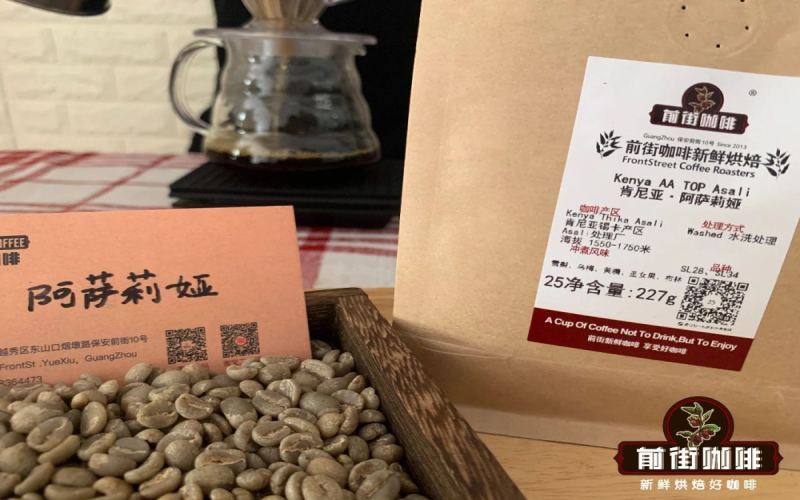
Kenya Coffee Bean Grading Standards, AA TOP Flavor Analysis, and Front Street Iced Pour-Over Brewing Guide
Kenyan coffee occupies an important place in the global specialty coffee landscape thanks to its bright, lively acidity and delicate berry notes. Its distinctive flavor expression is inseparable from the government-led strict grading system. This article systematically sorts out the eight grade classifications of Kenyan coffee beans from E to MH/ML, focuses on analyzing the flavor characteristics of the top grade AA TOP, and, combined with Front Street Kenya Asaliya coffee beans, shares the specific parameters and operating steps for hot pour-over and iced pour-over, helping coffee lovers more fully experience the juicy feel and layered variations of Kenyan coffee. [more…]
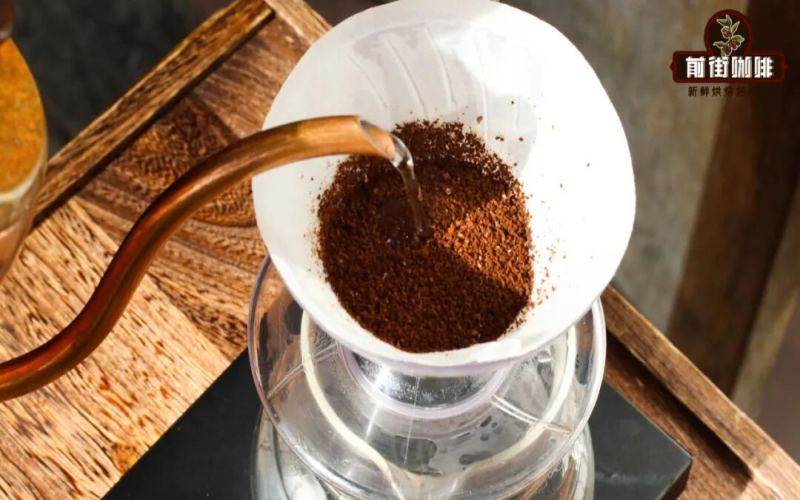
Anaerobic Coffee Pour-Over Tutorial | What Are the Characteristics of Anaerobic Coffee Beans? What Adjustments Are Needed When Using Anaerobic Beans for Pour-Over? How to Brew Anaerobic Coffee with a Juicy Mouthfeel?
Compared to other conventional processing methods, anaerobically processed coffee beans usually have a more intense and more distinctive flavor (for the most part), because their fermentation tends to go a bit deeper. For example, the Front Street 90+ Eleta on the Front Street Coffee menu has obvious notes of longan, spice, and citrus. [more…]
Cold brew coffee bean brand recommendations | How long should cold brew coffee grounds be steeped to taste good? Which coffee beans make cold brew coffee with a juicy feel?
On a scorching summer day, walking the streets of Guangzhou, sweat drips from the top of your head all the way down into your clothes, and before long, your shirt is soaked through. This is a familiar sight at Front Street Coffee (FrontStreet Coffee) shops these days. An ice-cold coffee can instantly rescue you from the blazing furnace and bring you back to paradise. [more…]

For making cold brew in summer, these 6 floral and fruity coffee beans are the right choice.
As soon as summer arrives, cold brew becomes a regular on many people's coffee lists. Coffee slowly brewed at low temperature has less bitterness, a more pronounced fruity aroma, and a smooth mouthfeel, like a cup of juice infused with coffee fragrance. But whether cold brew tastes good depends on the beans. Choose the right ones, and a cold-water steep alone brings out the flavor; choose the wrong ones, and no matter how long you steep it, it is still just a cup of" [more…]
Analyzing Kenya K72 Double Washed Processing: Flavor Characteristics of Coffee Beans and the Source of Their Unique Acidity
Kenyan coffee is renowned for its bright and rich notes of dark plum, cherry tomato-like acidity, and juicy sweetness. This is inseparable from the country's favorable geography and climate, high-quality varieties such as SL28 and SL34, and, more crucially, its unique K72 washing process. How exactly did the K72 process evolve? How does it differ from ordinary washed processing? From the perspective of Front Street Coffee, this article will sort out the flavor origins of Kenyan coffee, the historical background and craft details of the K72 process, and introduce the K72 washed coffee beans currently on sale at Front Street Coffee from the Asali Processing Plant in the Thika region. [more…]
Peruvian Specialty Coffee Pour-Over Flavor Analysis: From Origin Characteristics to Front Street Coffee Geisha Cupping and Brewing Practice
Peruvian coffee has always kept a low profile in the international specialty scene, but that doesn't mean its quality is mediocre. This article will walk you through the background of Peru's coffee-growing regions, with a focus on why smallholder coffee from the Cajamarca region has become the "rising star" of specialty coffee. At the same time, Front Street Coffee will share the cupping notes of a Peruvian Geisha — white florals, prune, citrus, a juicy mouthfeel, and a black tea finish — along with V60 pour-over parameters and a three-pour water schedule. If you're curious whether Peruvian pour-over coffee is actually any good and what makes its flavor unique, this article has the complete answer. [more…]