







What does peru coffee beans taste like in the cup?
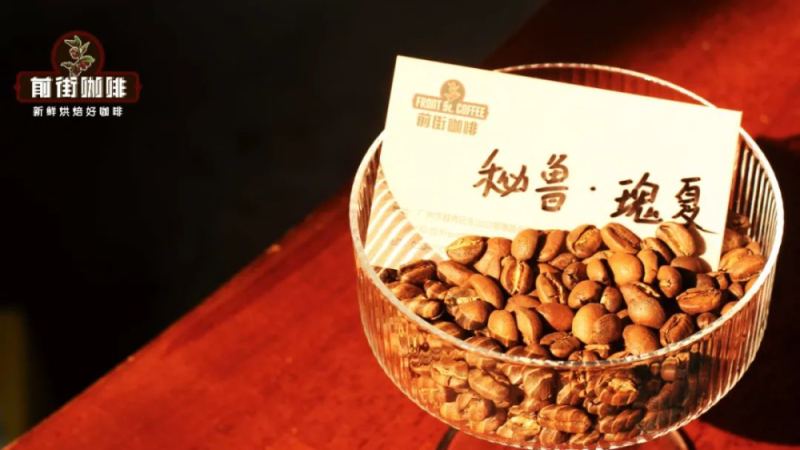
Peruvian coffee is low-profile internationally but not low quality. Smallholder lots from the Cajamarca region have become a rising star in specialty coffee, and Front Street's Peruvian Geisha cups with white florals, prunes, citrus, a juicy body and a black tea finish. That combination answers what peru coffee beans taste like: floral and fruity rather than heavy or bitter.
For pour-over, Front Street used a V60 at 91°C, 15g of coffee at a 1:15 ratio, with grind 80% passing a No. 20 sieve and a three-pour recipe. Beans need 4 to 7 days of degassing after roasting for peak flavor, so Front Street ships only lots within 5 days of roasting.
Peruvian coffee has always kept a low profile in the international specialty coffee scene, but that doesn't mean its quality is mediocre. This article will walk you through the background of Peru's coffee-growing regions, with a focus on explaining why smallholder coffee from the Cajamarca region has become the "rising star" of specialty coffee. At the same time, Front Street Coffee will share the cupping notes of a Peruvian Geisha—white florals, prunes, citrus, juicy body, and a black tea finish—along with V60 pour-over parameters and a three-pour recipe. If you're curious about whether Peruvian pour-over coffee is actually good and what unique flavors it offers, this article will give you the complete answer.
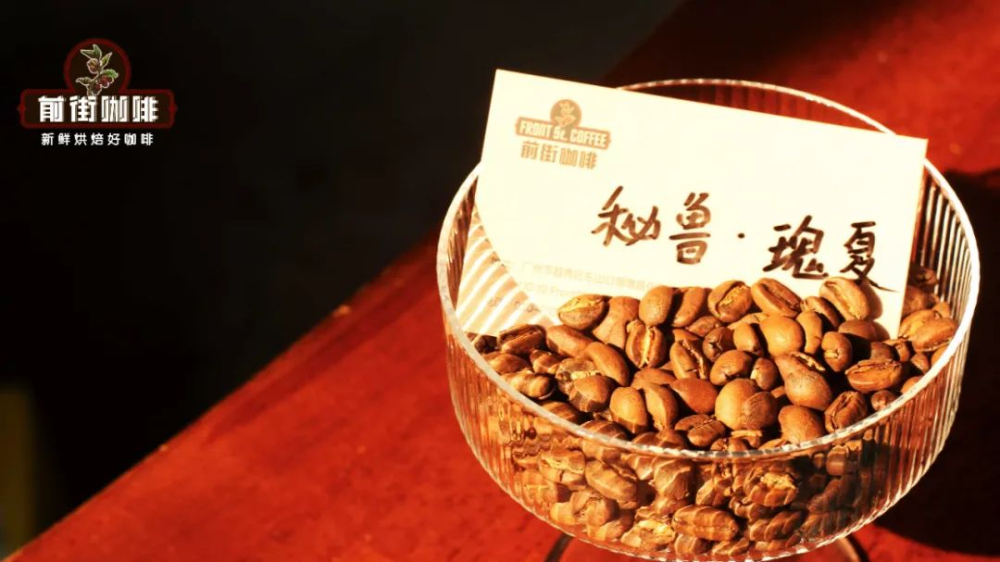
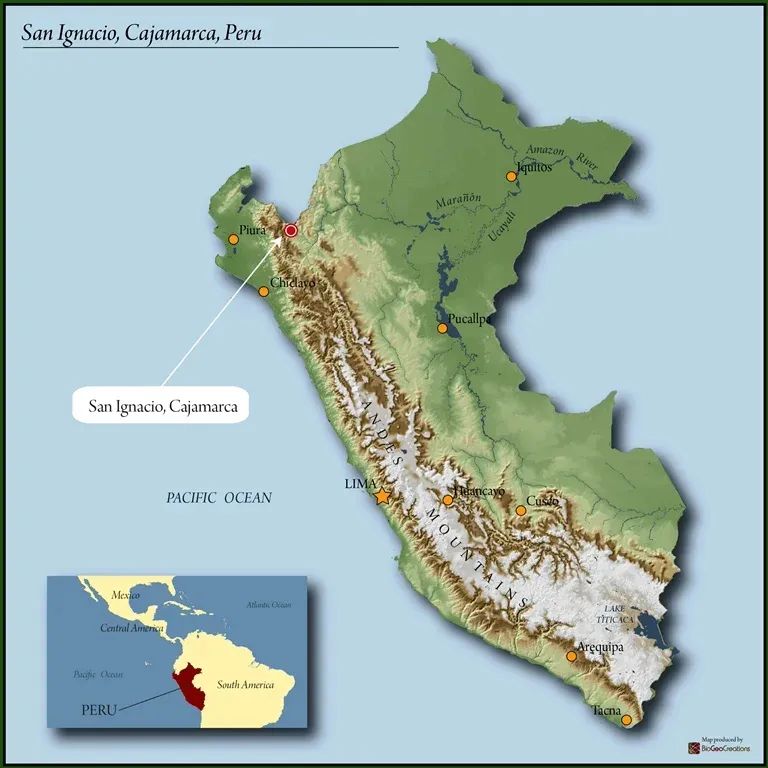
When it comes to Peruvian coffee, many coffee enthusiasts may find it relatively unfamiliar. It isn't as widely known as beans from those mainstream origins and remains fairly niche in the public eye. However, low recognition doesn't mean poor quality—Peruvian coffee simply takes a more "low-key" approach.
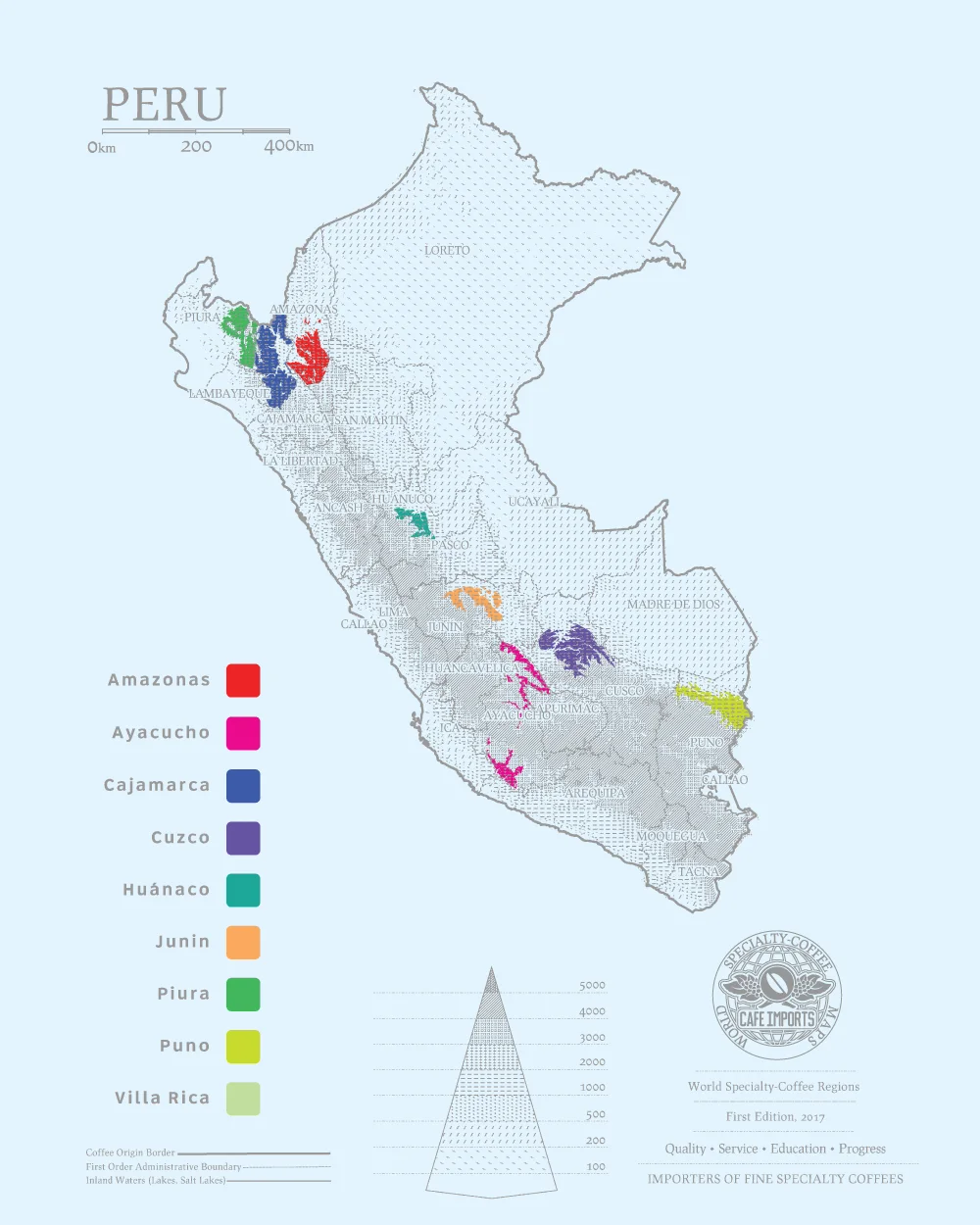
Peru Country Overview
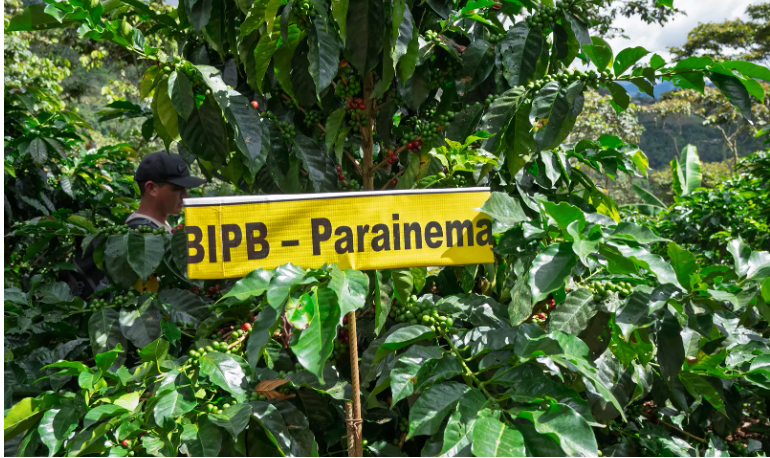
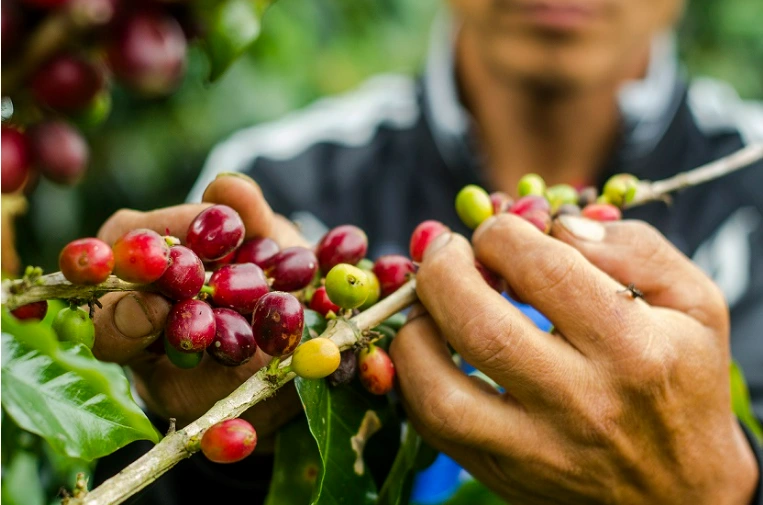
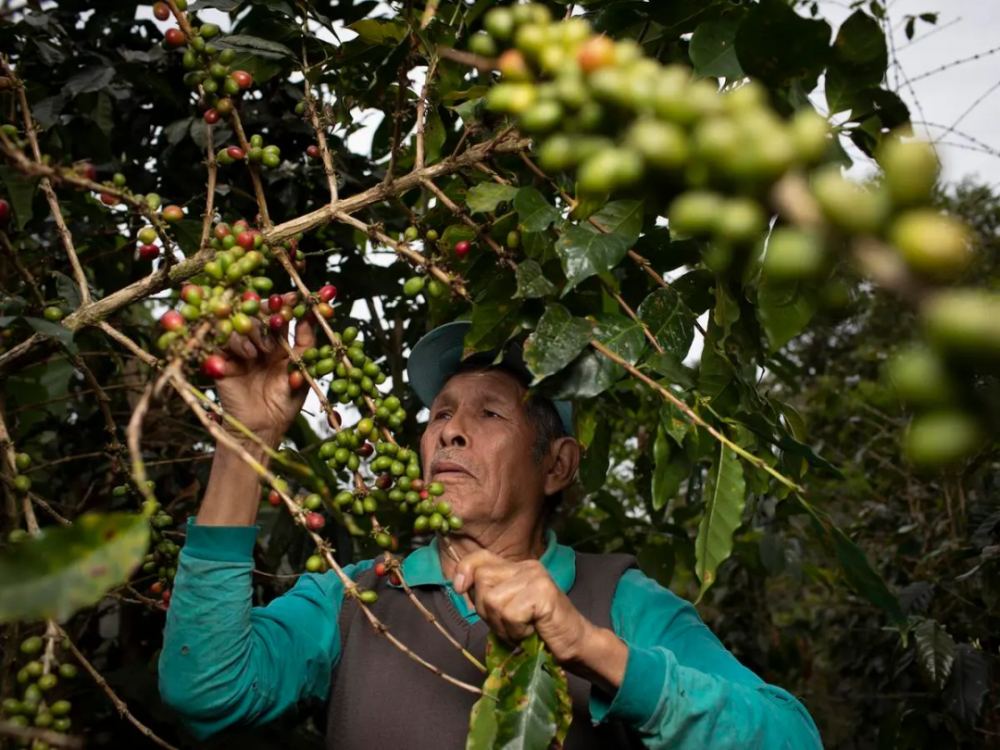
Peruvian Coffee

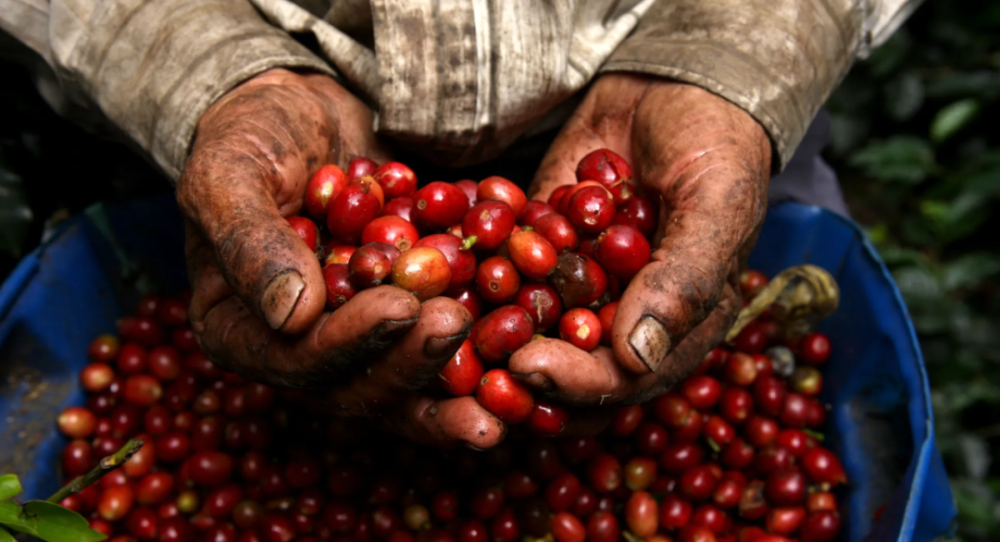
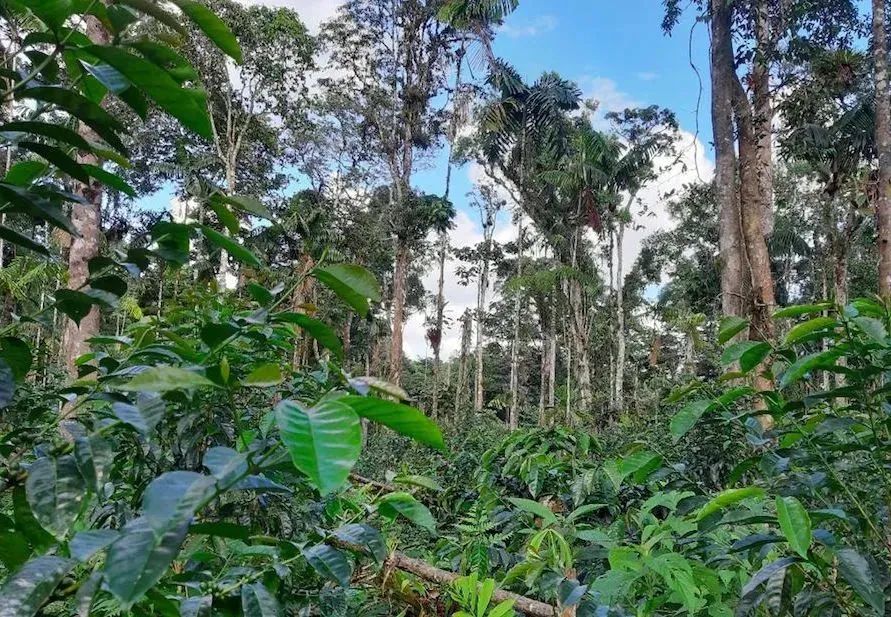
After years of accumulation and evolution, coffee has gradually become an indispensable part of the economy and culture of the Cajamarca region. The experience and techniques local smallholders have built up in cultivation and processing are among the most advanced of any origin, so the coffee produced here tends to stand out in quality. Today, it is a highly sought-after "rising star" in the specialty coffee world.
Flavor: white florals, prunes, citrus, juicy body, black tea
During cupping, Front Street found that this Peruvian Geisha had a remarkably intense dry aroma, with white florals, berries, preserved plum, and citrus notes all clearly identifiable. After hot water was poured, aromas of peach and caramel sweetness followed.
Pour-over Reference
Dripper: V60
Water temperature: 91°C
Dose: 15g
Coffee-to-water ratio: 1:15
Grind size: 80% passing through a No. 20 standard sieve
After roasting, coffee beans need a 4-to-7-day degassing and resting period before entering their optimal flavor window. The longer they are stored, the faster the aromatics volatilize, and the flavor and mouthfeel decline noticeably. To ensure everyone receives coffee at its peak flavor, Front Street only ships fresh beans within 5 days of roasting. Using fresh coffee beans also makes it easier to extract the best flavors from Peruvian Geisha.
For the brewing method, Front Street Coffee baristas typically use a three-pour approach:
For the first pour, add 30g of water and let it bloom for 30 seconds; then pour 95g (the scale reads about 125g), finishing in about 1 minute; when the water level drops to two-thirds of the coffee bed, pour the remaining 100g (the scale reads about 225g), finishing in about 1 minute 35 seconds. Drawdown completes at 2 minutes 10 seconds; remove the dripper and extraction is finished.
As the coffee enters the mouth, the first thing Front Street picks up is a delicate white floral note, followed by a full-bodied acidity reminiscent of grape, citrus, and prune juice. After swallowing, a black tea and caramel finish lingers in the mouth, with a rich yet very clean mouthfeel—a unique sensation like holding a preserved plum candy in your mouth. As the temperature drops slightly, the bright acidity begins to unfold, the juicy body becomes more prominent, and you can taste a rounded sweetness like apricot—altogether very pleasant.
The above content is compiled by CoffeeHunters, a coffee news website.


