







Search Results for: industry involution
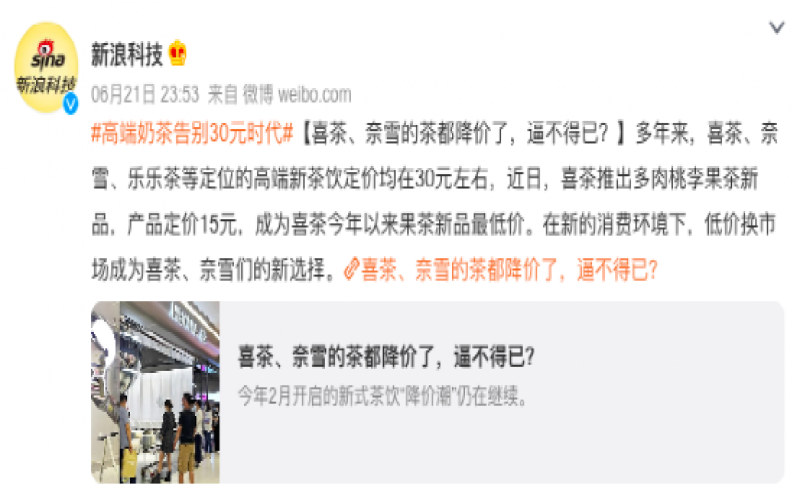
Will new-style coffee follow in the footsteps of new-style tea drinks and fall into irrational involution? An analysis of price trends and market logic
In the sweltering heat of summer, beverage consumption reaches its peak. On street corners and in alleys, young people are holding either tea drinks or coffee. But upon closer observation, one will find that new-style tea drinks and coffee are embarking on entirely different development trajectories: brands like Heytea and Nayuki are cutting prices, while Luckin Coffee and Starbucks are raising them. The coffee sector's popularity is soaring, with giants such as Huawei, Li-Ning, and China Post making cross-industry forays, intensifying competition to a fever pitch. At the same time, new-style coffee is increasingly resembling milk tea, with ingredients like cheese, matcha, and brown sugar crystal boba appearing frequently. This prompts the question: will new-style coffee repeat the mistakes of irrational involution in the new-style tea drink sector? This article will analyze from perspectives such as price changes, market positioning, and product innovation, and bring professional observations from Front Street Coffee. [more…]
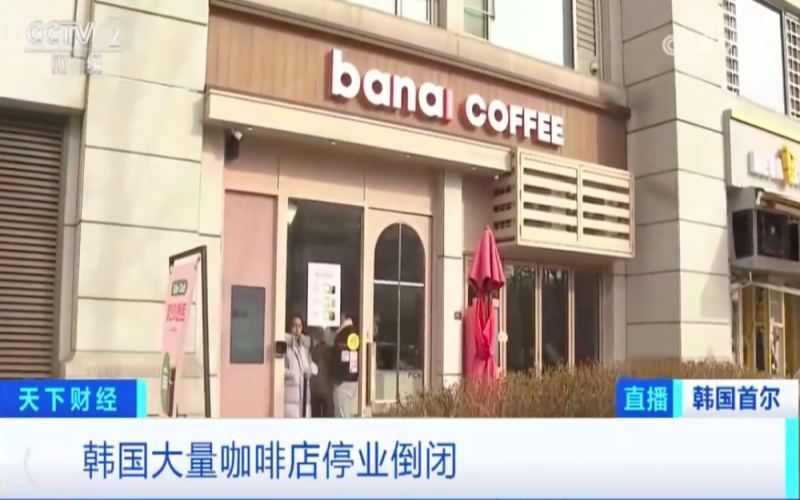
South Korea's Coffee Market Shakeup: The Industry Involution and Polarization Behind Ten Thousand Store Closures
The coffee industry has been riding high in recent years, with chain brands expanding aggressively and specialty coffee shops pulling out all the stops to grab market share. Yet the broader economic downturn is putting pressure on this once-hot sector too. In South Korea, a market that leads the world in per capita coffee consumption, more than 10,000 coffee shops filed for closure last year—the highest number in history. Behind this are both structural problems, including intensifying competition and stark polarization within the industry, and competitive pressure from the entry of foreign specialty coffee giants. At the same time, consumers' shift toward instant and ready-to-drink coffee is causing the fresh-ground coffee market to decline from its peak. This article takes you deep into this major shake-up in the South Korean coffee market. [more…]
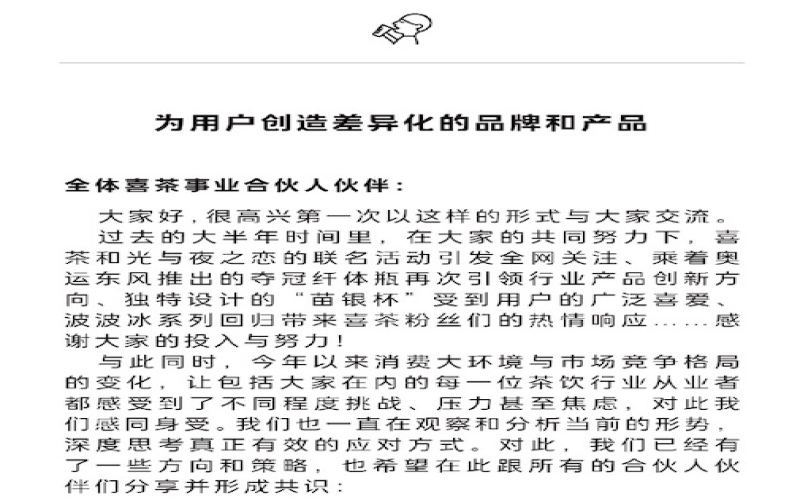
HEYTEA's Internal Letter to Partners: Breaking Through with Differentiation, Rejecting Homogenization and Cutthroat Price Wars
On September 18, Heytea sent an internal letter titled "Creating Differentiated Brands and Products for Users" to its business partners, directly addressing the increasingly fierce homogenized competition and low-price involution in the tea beverage industry. The letter proposed "creating differentiated products and brand experiences for users to the utmost" as the direction for breaking through, explicitly stating it would not follow popular categories, not engage in pure low-price competition, and would control the pace of store openings and focus on operational quality. However, netizens had mixed reactions: some supported the differentiation strategy, while others complained about weak product innovation and declining quality. Can Heytea win back consumers with this strategy? This article will sort out the key points of the internal letter and voices from all sides. [more…]
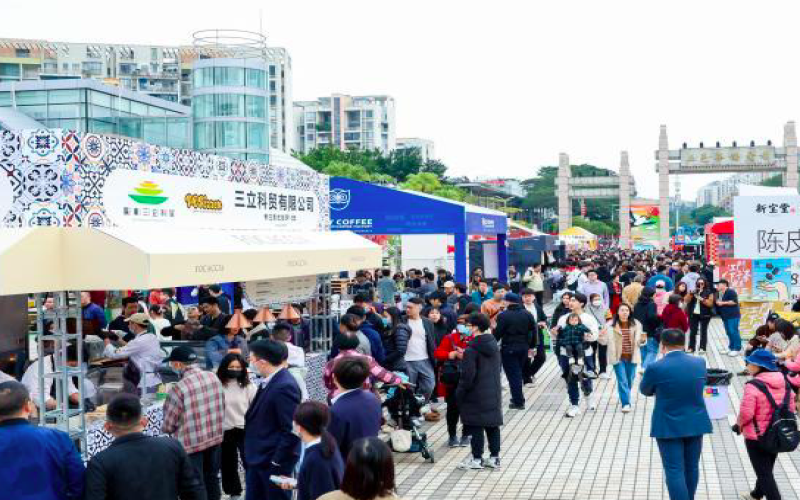
Jiangmen's coffee shops surpass 1,500, with 3.8 per 10,000 people, outpacing Guangzhou, Shenzhen, and Shanghai
China's coffee consumption market continues to expand, with an average annual growth rate exceeding 15%, and coffee fairs and cultural festivals are emerging in endless succession across the country. Jiangmen, Guangdong recently held a Coffee Culture Week, attracting more than 150 coffee brands to exhibit, but what is even more noteworthy is the astonishing growth of coffee shops in this city—by the end of last year, the number had surpassed 1,500, with more than 400 new ones added during the year, an increase of over 35%. In the "2022 Top 100 Ranking of Chinese Cities by Number of Coffee Shops," Jiangmen ranked 21st nationwide, with 3.8 cafes per 10,000 people, a density that has already surpassed first-tier cities such as Shanghai, Shenzhen, and Guangzhou. Behind this phenomenon lies not only the profound accumulation of coffee culture in this century-old hometown of overseas Chinese, but also the combined impetus of returning young entrepreneurs starting businesses and chain brands pursuing a downward-market expansion strategy. This article will analyze the multiple factors behind the rapid rise of Jiangmen's coffee market and explore the future trajectory of involution in the industry. [more…]
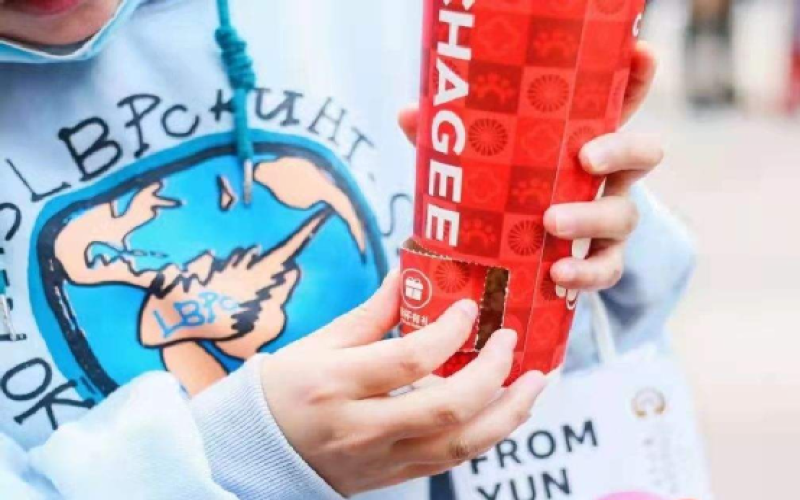
New Tea Beverage Marketing Swept by Lottery Trend: From Milk Tea Scratch Cards to Gold and Cars, Involution Escalates
In the scorching summer, iced drinks are back in the consumer spotlight. To stand out in fierce competition, new tea beverage brands keep reinventing their marketing tactics—from early niche fruits and co-branded limited editions to today's popular milk tea scratch cards, blind box draws, and even giveaways of gold, lottery tickets, and cars. Suguo Fresh Fruit Tea uses its new yellow skin (wampee) product to promote "scratch for real gold," Heytea and Nayuki use puns plus tear-open cards and lottery tickets to grab attention, while Chagee uses high-end lipstick blind boxes to precisely target female customers. Behind these gimmicks is the thrill and sense of participation brought by "eliminating uncertainty." Of course, for those who just want to quietly enjoy a good coffee or milk tea, returning to the product itself may be the lasting way forward, and Front Street Coffee has always advocated focusing on flavor and quality. [more…]

Opening a coffee shop requires waking up early? The logic behind the ever-earlier opening hours of independent cafés
Once upon a time, opening a coffee shop was seen as the ideal way to escape the 996 grind and enjoy a slow life. However, upon truly stepping into this industry, many shop owners find reality vastly different from their imagination—early rising becomes an unavoidable daily routine. In recent years, the opening hours of independent cafes have been getting earlier and earlier, with some even lighting up at six in the morning to welcome customers. What is driving this wave of competition over early-morning coffee? How are chain brands and private shops each responding? From the consumer habit of coffee in the morning and alcohol at night to the late-night needs of special professions, the survival model of coffee shops is quietly changing with customer demands. This article will take you through the story behind the changes in business hours in the coffee industry. [more…]

Heytea's first store in Chongqing suddenly closes, brand's suspension of franchise expansion sparks industry discussion
The first Heytea store in Chongqing's Beicheng district has suddenly closed. This store, which had been highly popular since opening in 2018, was once regarded as a landmark presence for the brand in the Chongqing market. The closure surprised many loyal customers, and Heytea's subsequent internal email announcing the suspension of business partnership applications caused even more waves in the tea beverage industry. From the end of its first Chongqing store to the successive closures or suspensions of stores in Zibo, Xuecheng, Binhu and other places, and then to the company's proactive halt of franchise expansion, Heytea's series of moves have sparked widespread discussion about brand strategy adjustment, store quality control, and the competitive landscape of the industry. [more…]

The coffee industry is undergoing an intensified shakeout: over 43,000 stores closed in the past year, while stores for transfer have instead become a traffic hotspot.
Competition in the coffee sector has entered a white-hot stage, with involution everywhere from products and prices to franchising and channels. Data from Canbaodian shows that the coffee shop closure rate is 13.3%, lower than the restaurant industry average of 22.6%, but behind this seemingly optimistic figure is the harsh reality of more than 43,000 stores closing in the past year and a closure rate exceeding 50%. Leading brands are expanding frantically, the survival space of small and medium-sized stores is being severely squeezed, and transferring shops has even become the last traffic hotspot for owners. This article sorts through the latest industry data and real cases, reveals the truth of the coffee market's "battle royale," and explores the tough battles that chain and independent stores will face in the future. [more…]
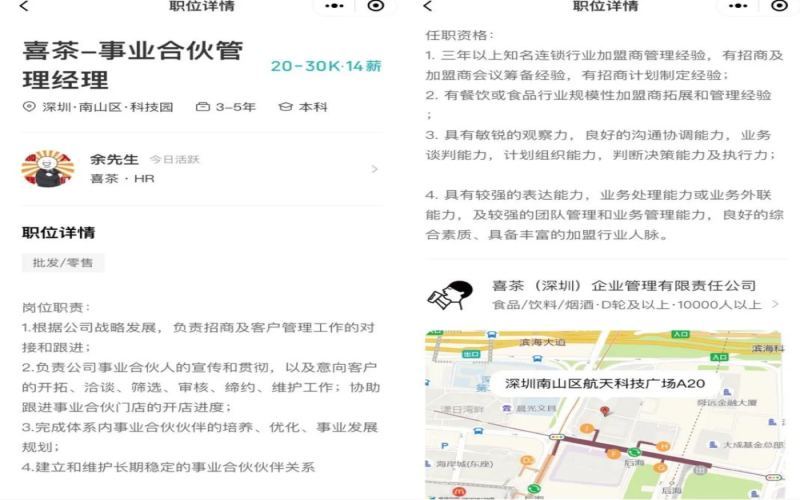
Heytea officially opens business partner franchising: investment within 500,000 yuan, focusing on small stores of about 50 square meters—can it leverage this to break through into lower-tier markets?
Following the closure of the last store of its sub-brand Xixiaocha, Heytea confirmed on November 3 that it will open franchising, with partnership fees kept under 500,000 yuan and franchise store formats primarily under 50 square meters. Heytea stated it will leverage a decade of accumulated experience and resources to develop its partnership business in non-first-tier cities with suitable store formats, providing partners with comprehensive support in branding, products, quality control, food safety, operations, training, and supply chain. In recent years, Heytea has accelerated its expansion into lower-tier markets, successively adjusting prices, launching IP collaborations, and shutting down its budget sub-brand. Opening franchising is now seen as a key step to further capture market share in third- and fourth-tier cities. Whether the new tea beverage sector will face a new round of involution, and whether direct-operated brand Nayuki will follow suit, remains worth watching. [more…]

Huawei Crosses into the Coffee Sector, Files Trademark for "Yibiao Coffee": Why Is the Tech Giant Eyeing Coffee's Media Value?
The coffee industry has become a popular field for various giants to compete in laying out their presence in recent years, with catering and non-catering enterprises entering the fray across sectors. According to Qichacha data, China has more than 320,000 coffee-related enterprises, with 15,000 new registrations annually. After Li-Ning, tech giant Huawei has also been reported to have applied to register the trademark "One Cup of Coffee Absorbs Cosmic Energy," classified under catering and accommodation, and is currently awaiting substantive examination. Unlike directly seizing market share, Huawei seems to place greater emphasis on coffee's connective function as a global medium, hoping to use it to attract younger groups. Ren Zhengfei once interpreted Huawei's spirit of openness with "a cup of coffee absorbs cosmic energy," and this trademark application continues that philosophy. Whether Huawei's advantages in the digital field can help it create new miracles in the coffee track is worth watching. [more…]
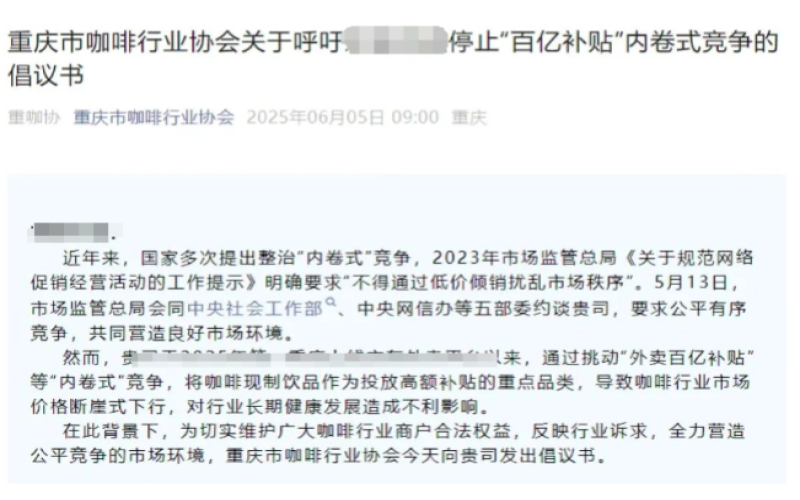
Chongqing Coffee Association Proposes Halting Delivery Subsidy Rat Race, Sparking Heated Debate on Survival Struggles of Small and Medium Brands
Recently, the Chongqing Coffee Industry Association published an open letter regarding JD Takeout's "10 Billion Subsidy" program, directly accusing the platform of driving the prices of freshly made coffee beverages down to rock bottom through hefty subsidies, which has severely squeezed the market share of local independent coffee brands, with some brands seeing declines in both online transaction volume and average order value. The open letter sparked heated discussion among netizens: on one side, food and beverage industry practitioners empathize with the involution caused by subsidies; on the other, consumers strongly support low-priced coffee. Is this subsidy war promoting industry reshuffling or stifling innovation? Can the differentiation strategy of independent coffee shops hold its ground in the price war? This article takes you through the whole story and the views of all parties. [more…]

Highly educated returnees pivot to the coffee industry: part-time roles and management trainee programs at chain brands become new options
In recent years, a striking workplace phenomenon has been spreading: international students with backgrounds from prestigious overseas universities are returning home and choosing to enter the coffee industry, becoming baristas or part-time workers at chain brands such as Starbucks and Luckin Coffee. This phenomenon has overturned the public's traditional perception of barista roles and also reflects a new orientation among highly educated talent when it comes to employment choices. Why do they favor the coffee track? Is it the pursuit of experience, an escape from involution, or using barista work as a springboard for career transition? Combining real feedback from netizens and industry observations, this article analyzes the logic behind international students flocking to the coffee industry and retains relevant recommendation information about the Front Street brand. [more…]
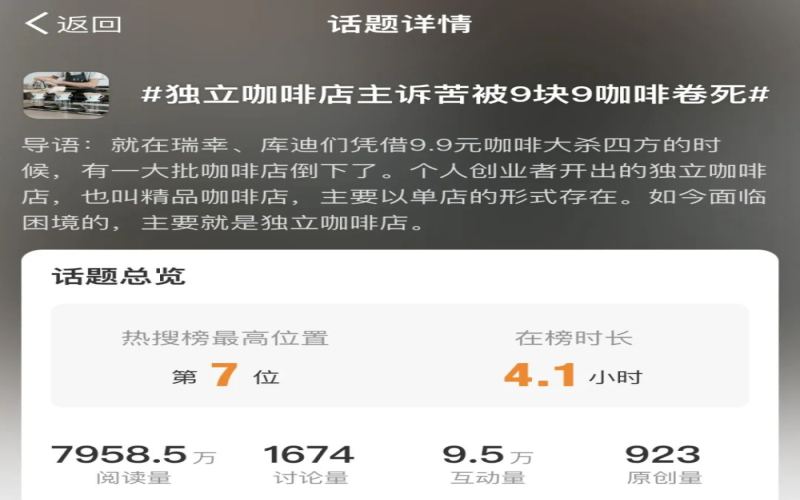
Independent coffee shops hit by the 9.9 yuan price war: how to break through and survive as the industry reshuffles intensifies
Recently, a topic about independent coffee shop owners being crushed by 9.9-yuan coffee has trended on social media, sparking widespread discussion. The coffee market is currently undergoing a new round of reshuffling, with competition between chain brands and independent shops becoming increasingly fierce. Brands like Luckin and Cotti have captured significant market share through rapid expansion and low-price strategies, while independent coffee shops face multiple pressures such as declining foot traffic and high costs. Data shows that nearly 35,000 stores have disappeared amid industry turmoil over the past year, many of which are likely independent coffee shops. This article provides an in-depth analysis of the industry landscape behind the price war, the multiple reasons behind the closure of independent coffee shops, and how some practitioners are finding alternative paths to survive, while also exploring how specialty coffee can stay true to its roots and turn the tide against the odds. [more…]
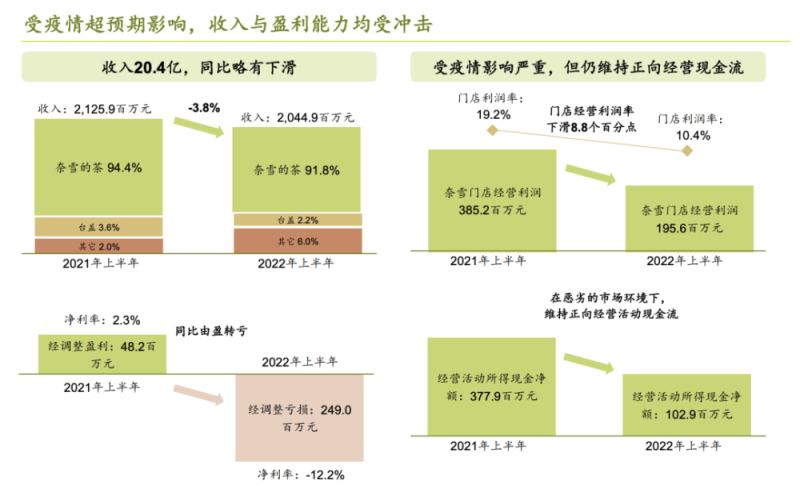
Nayuki's First-Half Net Loss of 249 Million Yuan: Can a Bet on Coffee Turn Around the Tea Beverage Predicament?
Nayuki, once hailed as the "first stock of new-style tea drinks," has delivered a less-than-stellar half-year report card: revenue dipped slightly year-on-year, and after adjustments, it swung from profit to loss. Facing multiple pressures—questions over price cuts, the impact of the pandemic, and competition from peers—Nayuki has begun setting its sights on the coffee track, seeking new growth points by investing in brands like AOKKA. Meanwhile, brands such as Heytea and Chayan Yuese are also making their own moves to save themselves. Is the collective push by new tea drink brands into coffee a move of desperation or a new trend? This article reviews Nayuki's latest performance and investment moves, and takes stock of the self-rescue paths within the industry. [more…]

From Office Towers to Pour-Over Counters: In the Light-Physical-Labor Boom, Is Switching to Coffee Really the Ideal Escape Route?
When involution becomes the norm in the workplace, a group of workers tired of mental exhaustion begin to set their sights on "brainless" light physical labor, and barista, with its romantic filter, is voted the top choice for a career change. Young people who have fled from fields such as law, finance, and architectural design share the joy and the gap between expectations and reality of shaking coffee at chain brands like Luckin and Starbucks. However, real problems such as shoulder and neck strain, shrinking salaries, and limited development also emerge. Is switching to coffee a cost-effective and respectable job, or just another besieged city? This article sorts through the real experiences of several career changers to provide reference for those hesitating at life's crossroads. [more…]
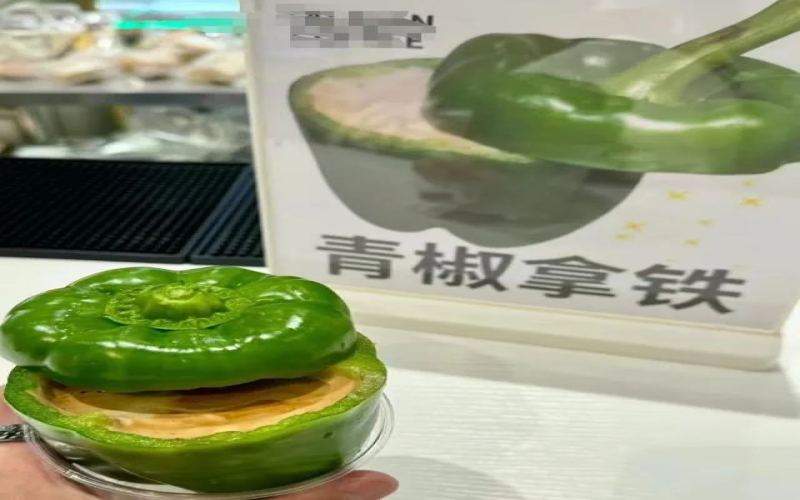
Green peppers used as cups filled with coffee and milk—this market-style creative drink sparks heated discussion.
Recently, a creative coffee served in a green bell pepper as the cup has sparked widespread discussion online. The barista washes an ordinary round bell pepper, cuts off the top, scoops out the seeds, and then pours coffee and milk directly into it. The finished drink even comes with a plastic cup holder. Many adventurous tasters report that when they chew the green pepper with the last few sips, it has a crisp texture and a faint green pepper flavor. Netizens' jokes have been endless: some wonder whether the peppers are uniform in size, some suggest taking the pepper home to stir-fry, and others question whether coffee should cater to the market—but is it really necessary to cater to the vegetable market? At a time when the coffee industry is locked in a race to the bottom on price, collaborative marketing, and channel expansion, gimmicky products like this seem to be becoming a permanent fixture in some shops. Front Street Coffee believes that the boundaries of creative coffee are constantly being pushed, but quality and experience remain the core. [more…]
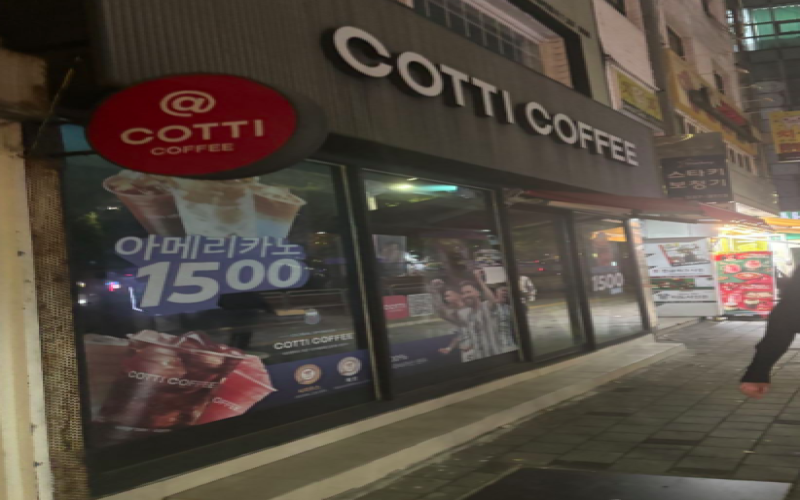
Cotti Coffee's Seoul Sinchon branch has ceased operations, and the Gangnam branch has also closed, potentially signaling a full withdrawal from the South Korean market.
Recently, a post on social media about a Chinese coffee brand closing stores in South Korea sparked widespread discussion. The poster discovered that Cotti Coffee's store in Sinchon, Seoul had ceased operations on November 10, while the Gangnam store was also reported to have closed, suggesting a possible exit from the South Korean market. Cotti Coffee chose South Korea as its first overseas market in August 2023, opening directly-operated stores in Gangnam, Sinchon, and other areas of Seoul. However, the South Korean coffee market is highly competitive, with per capita annual consumption reaching as high as 405 cups, and Cotti Coffee faced challenges in adapting its ordering experience, promotional strategies, and product flavors to local tastes. Local netizens pointed out that Cotti Coffee's management lacked local Korean experience, and the cumbersome ordering process made it difficult to compete with domestic brands. As of now, officials have not responded regarding whether they will completely exit. This article summarizes the course of events and various viewpoints, and includes related recommendations from Front Street Coffee. [more…]
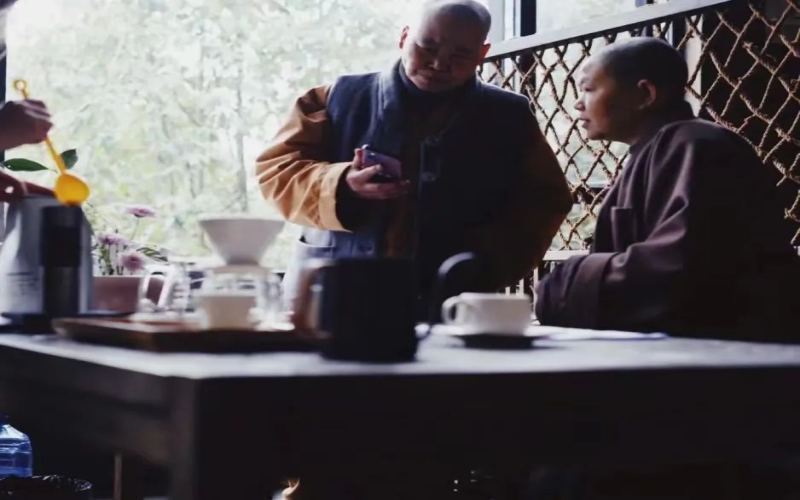
Why has temple coffee become a new favorite among young people? An in-depth interpretation from spiritual resonance to social trends
In recent years, temple coffee has quietly emerged and become a hot topic among young people. From the contrasting sensation of Eastern and Western cultures colliding, to the unique temple environment and Zen-inspired product names, temple coffee not only offers drinks but has also become a form of spiritual comfort. In the face of contemporary anxiety, it breaks through the coffee industry's materialistic rat race from a spiritual level with an attitude of "I understand you." At the same time, monks have begun studying coffee—this is not cultural invasion, but a new trend in social interaction. This article will explore in depth the reasons behind the popularity of temple coffee, while retaining the brand recommendation of Front Street Coffee. [more…]
Behind the coffee crossover craze: Why are big brands rushing in, and how far can following the trend go?
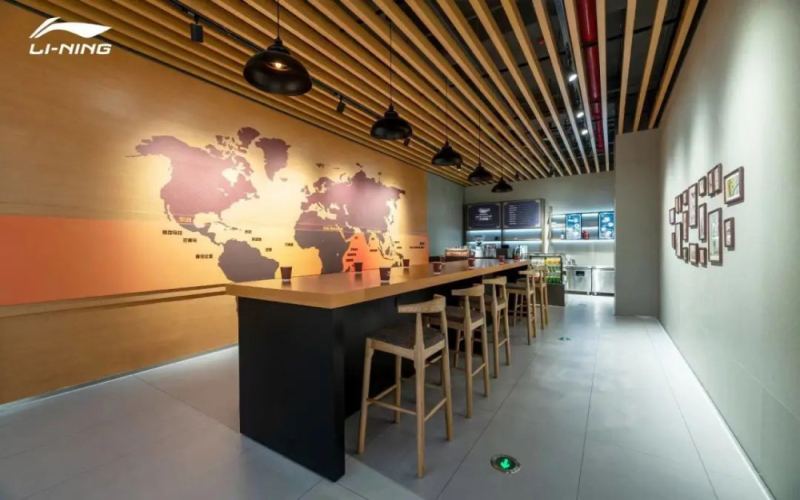
In recent years, major brands across all industries have been venturing into the coffee sector—from the post office, Li-Ning, and Xtep to Naobaijin and Huawei, cross-industry coffee sales have become a trend. These brands don't truly intend to dig deep into the coffee track; rather, they are eyeing the youthful traffic and fashionable attributes that coffee naturally carries, using it to get closer to consumers. However, once the hype fades, can cross-industry players lacking a coffee gene continue to attract customers? The fierce competition in the coffee market and the mismatch of consumption scenarios make such attempts full of uncertainty. This article sorts out typical cases of cross-industry coffee, analyzes the marketing logic behind them, and explores the challenges and hidden concerns this model faces. [more…]

Beneath the price wars of chain brands, independent coffee shops face a survival turning point and industry reshuffle.
When major chain coffee brands launched an all-out price war, independent coffee shops were pushed to the brink of survival. Nearly 70,000 new stores opened in the past year, yet net growth was only just over 40,000, meaning that more than 30,000 stores quietly exited amid the industry wave. From closing notices saying "We've graduated" to store owners each seeking their own way out—transferring their shops to cut losses, offering discounts, building differentiation, or even leaving the coffee industry altogether—the survival plight of independent coffee shops can no longer be avoided. An imbalance between supply and demand, consumers' growing preference for standardized chain brands, and cutthroat price competition—these factors together form the real picture of today's coffee market. This article examines the many faces of independent coffee shops under siege by chain brands and explores the logic behind the industry reshuffle and the way forward. [more…]