







Search Results for: incorrect brewing
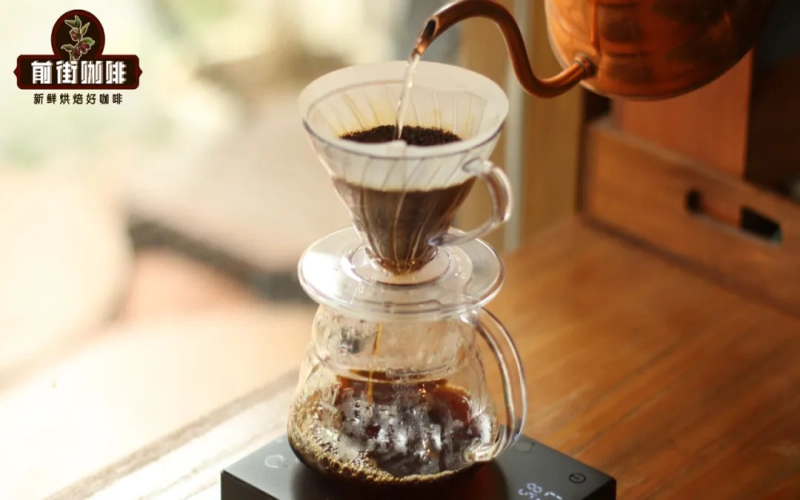
Pour-Over Coffee Water Pouring Techniques Explained: How to Avoid Common Mistakes and Reduce Bypass Water Effects
In the process of pour-over coffee, the pouring method is often overlooked, yet its impact on the final flavor is no less significant than parameter settings. When many coffee enthusiasts encounter unsatisfactory extraction, the first thing they suspect is the coffee-to-water ratio or water temperature, while neglecting the force and path of the water stream itself. In reality, the height, amplitude, and landing point of the pour all directly change the stirring efficiency and extraction uniformity of the coffee grounds. This article, from the perspective of Front Street, will sort out three common pouring mistakes—high-low fluctuation, pouring from too high, and pouring to the edge of the filter paper—and explain why they lead to extraction deviations, while offering practical tips to reduce bypass water and improve extraction quality, helping you brew a good cup of coffee more consistently. [more…]
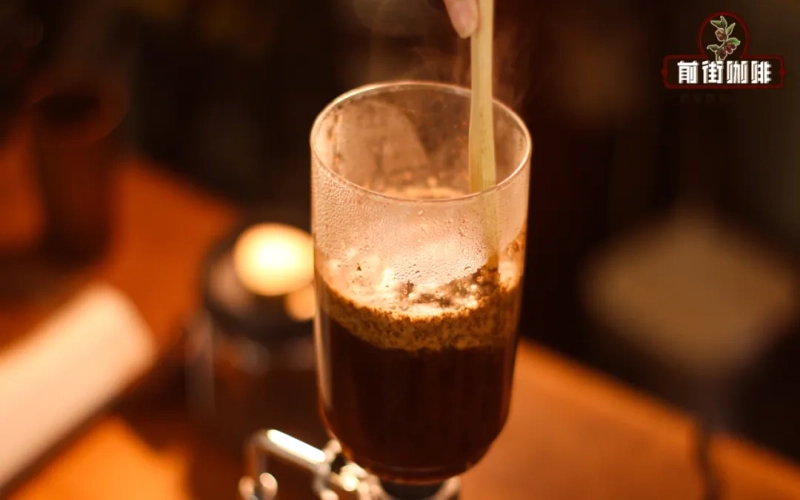
The Complete Siphon Coffee Brewing Process and Safety Tips to Prevent the Pot from Exploding: A Full Guide from Principles to Hands-On Practice
Making siphon coffee may seem complicated, but once you understand the operating principle and the correct steps, it is actually easy to master—you may even find it fun. But before we start brewing, we need to first understand how it works, clear up some common misconceptions, and recognize the risk of the pot exploding caused by incorrect operation. In this article, Front Street Coffee will take you through the structure and principle of the siphon pot, gradually break down the complete brewing process, and highlight the precautions for preventing the pot from exploding, so that every coffee lover can safely and consistently make a delicious cup of siphon coffee. [more…]
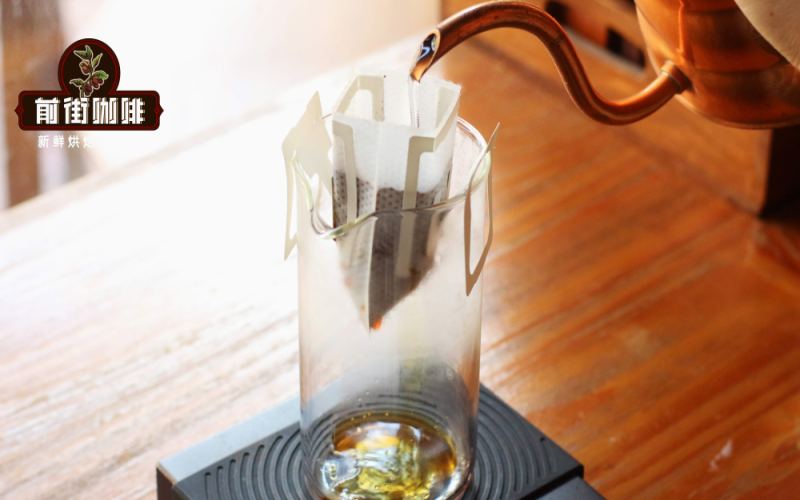
The Flavor Window of Drip Bag Coffee | Why Can't Drip Bags Be Soaked? How Do You Brew Flavor Out of Drip Bag Filter Coffee? How Many Times Can a Drip Coffee Bag Be Brewed?
For more specialty coffee knowledge, please follow our WeChat official account: Front Street Coffee (FrontStreet Coffee). "Why does my drip bag coffee taste like nothing?" "Why is my drip bag coffee too sour/too bitter/too weak?" These are the questions many people who are just starting to explore drip bag coffee have. [more…]
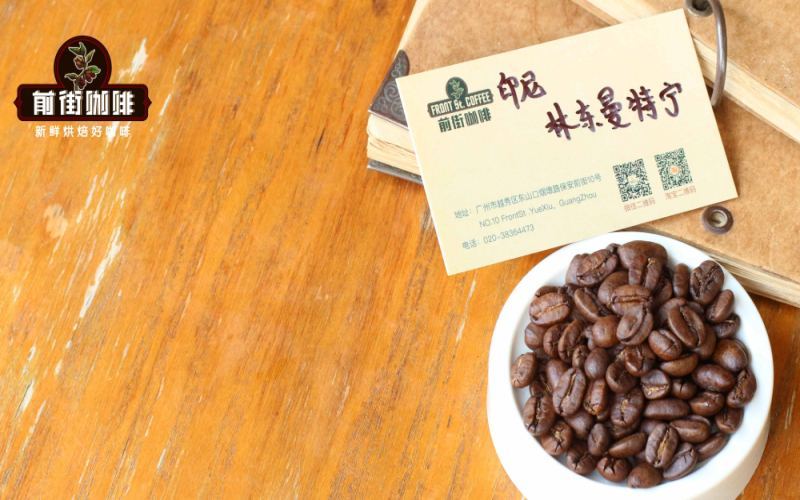
Can Drip Coffee Bags Be Directly Soaked? Is There Still Coffee Flavor After Repeated Brewing? Professional Analysis and Correct Brewing Guide
Drip bag coffee, with its portability and convenience, has become the choice of many coffee lovers who want to enjoy freshly ground flavor at the office or while traveling. But many people have questions about how to brew drip bag coffee: Can it be steeped directly in a cup like a tea bag? After repeated brewing, does it still have coffee flavor? This article will provide a detailed explanation of the essence of drip bag coffee, the correct brewing steps, the number of times it can be brewed, key points for purchasing, its advantages, and common misunderstandings, while also introducing Front Street Coffee's drip bag products, to help you fully understand drip bag coffee, avoid incorrect practices, and fully enjoy a good cup of coffee. [more…]
Espresso Extraction Standards | How Can Coffee Beginners Determine Espresso Grind Size, Extraction Time, and Coffee-to-Water Ratio? Which Coffee Beans Can Be Used for Espresso Blends?
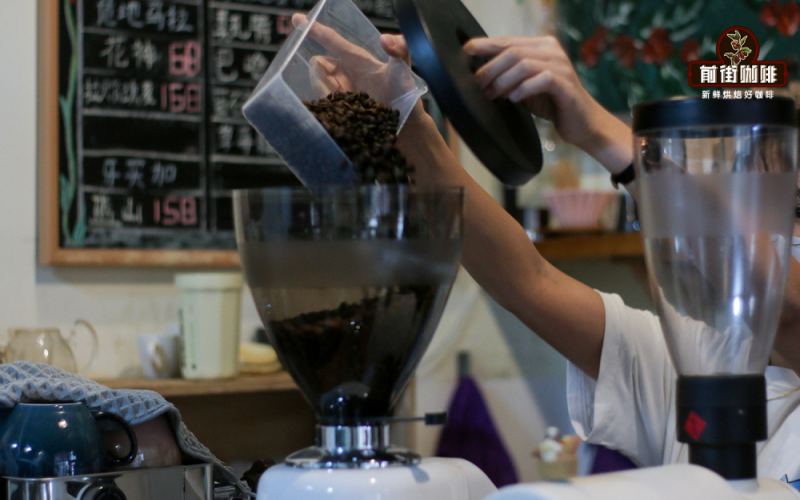
Front Street has noticed that many coffee novices or baristas believe the key skills in making espresso-based coffee are milk frothing and latte art, but Front Street believes the most important thing in espresso-based coffee is the extraction of the espresso shot. If the espresso doesn't taste good, no matter how smooth and velvety the milk foam is or how beautiful the latte art looks, the milk coffee won't taste good either. [more…]

The Complete Guide to Espresso Extraction: Time, Dose-to-Yield Ratio, and Daily Parameter Adjustment Techniques
Many coffee enthusiasts focus their attention on milk foam and latte art, but what truly determines whether a milk coffee tastes good is actually the extraction quality of the espresso. Drawing on the hands-on experience of Front Street Coffee, this article explains in detail why an espresso blend is chosen, why extraction parameters must be adjusted every day, and the complete steps from locking in the portafilter, flushing, drying, grinding, distributing, tamping, to extraction. The article also provides the specific parameters of the Lelit espresso machine used in Front Street's own stores, and shares how to judge whether extraction is up to standard by observing flow rate and tasting, making it suitable reading for baristas and seasoned enthusiasts who want to improve their espresso skills. [more…]
How to brew drip bag coffee for the best taste? Master three key details and the complete process
Drip bag coffee, with its portability and ease of use, has become the ideal choice to replace pour-over in business trips, travel, and office scenarios. However, seemingly simple drip bags can suffer a major loss of flavor if brewed incorrectly, such as steeping them directly like a tea bag. This article begins with the origins of drip bag coffee, sorts out its similarities and differences with pour-over, breaks down in detail the complete steps from tearing the bag and hanging it on the cup to segmented pouring, and highlights the three key points that determine taste: water temperature range, flow rate, and coffee-to-water ratio. The article also compiles the origins and flavor information of several Front Street Coffee drip bag products for reference by friends with different taste preferences. [more…]

Pros and Cons of Drip Bag Coffee | How to Brew Jamaican Blue Mountain No. 1 Drip Coffee Bags? What Are the Wrong Ways to Brew Filter Coffee Bags?
For more specialty coffee knowledge, please follow the WeChat official account: Front Street Coffee (FrontStreet Coffee). Drip bag coffee is loved by coffee enthusiasts for its convenience, so many novice coffee lovers who have just started using drip bag coffee ask Front Street Coffee (FrontSt [more…]
Siphon Coffee Home Brewing Guide: A Full Breakdown of Temperature, Coffee-to-Water Ratio, and Operating Details
Although the siphon pot involves many steps and takes a bit longer, it has always had a devoted following. Its ceremonial extraction process and uniquely distinctive cup profile make many people willing to spend time tinkering with it slowly. However, the siphon pot really works differently from common pour-over or espresso methods, so before using one, it's best to first understand how it works and avoid some common pitfalls—otherwise you might run into risks like the pot cracking. Today Front Street Coffee will systematically walk you through how to make a good cup of coffee at home with a siphon pot, covering everything from principles and parameters to specific steps, all in one go. [more…]
Siphon Guide: From Principles to Step-by-Step Operation, Avoiding Common Mistakes and the Risk of a Shattered Pot
Although the siphon is a bit fiddly to use and clean, it remains an indispensable piece of equipment in the minds of many coffee enthusiasts. It offers a one-of-a-kind visual experience, and the coffee it brews has a style all its own. In this article, Front Street Coffee will walk you through how a siphon works, clear up common misconceptions, and lay out the correct operating steps, so you can make a cup of siphon coffee safely and smoothly. As long as you get to know its quirks in advance, the process really isn't difficult—it can even be quite fun. [more…]
Drip Bag Filter Coffee | Are Drip Coffee Bags Instant Coffee? Can You Just Toss a Drip Coffee Bag Into a Cup and Brew It? How Many Times Can You Reuse a Drip Coffee Bag?
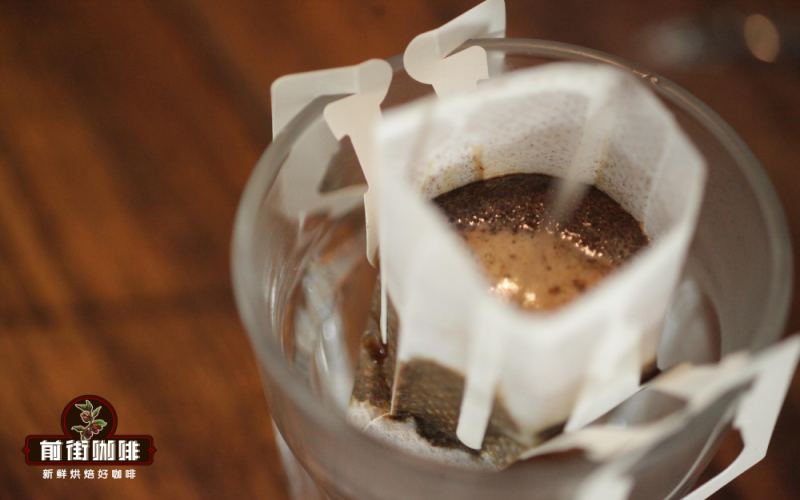
To make drip bag coffee, Front Street Coffee grinds freshly roasted coffee beans into suitable particles and seals them in a non-woven filter bag. It is a portable pour-over coffee product, essentially a simplified version of hand-brewed coffee. As long as you have hot water and a cup, you can enjoy the taste of hand-brewed single-origin coffee anytime. [more…]
What Exactly Does Coffee Cleanliness Mean? A Comprehensive Analysis from Processing Methods to Brewing of the Relationship Between Layers and Cleanliness
When drinking coffee, people often exclaim, "This bean is so clean," but many can't clearly explain what cleanliness actually means. It really refers to the coffee's main flavors being clear and transparent, with no off-flavors or defects. Cleanliness is influenced by multiple factors including cultivation, processing, roasting, and brewing. Is washed coffee necessarily cleaner than natural coffee? Does bright acidity equal cleanliness? As ordinary consumers, what brewing details can we use to improve a cup of coffee's cleanliness? From Front Street's perspective, this article systematically sorts out the definition of cleanliness, common misunderstandings, and two practical tips—bean resting and gentle pouring—to help you taste and brew coffee more professionally. [more…]
How to Adjust Imbalanced Acidity and Bitterness in Pour-Over Coffee? Find the Cause in Grind, Extraction, and Roast Level
A good cup of black coffee should have a balanced ratio of acidity, sweetness, and bitterness—if any one of these is too prominent, it will break the balance. In cupping, we emphasize harmony of flavors, but in everyday brewing, slight missteps with variables such as grind size, coffee-to-water ratio, and water temperature can make the coffee taste sharply sour or burnt-bitter. In this article, Front Street Coffee will focus on the common causes of acid-bitterness imbalance in pour-over coffee, with emphasis on the relationship between grind size and extraction time, while also explaining how roast level affects the perception of bitterness, and offering simple, practical adjustment directions to help coffee lovers quickly identify the problem and brew a smoother cup. [more…]
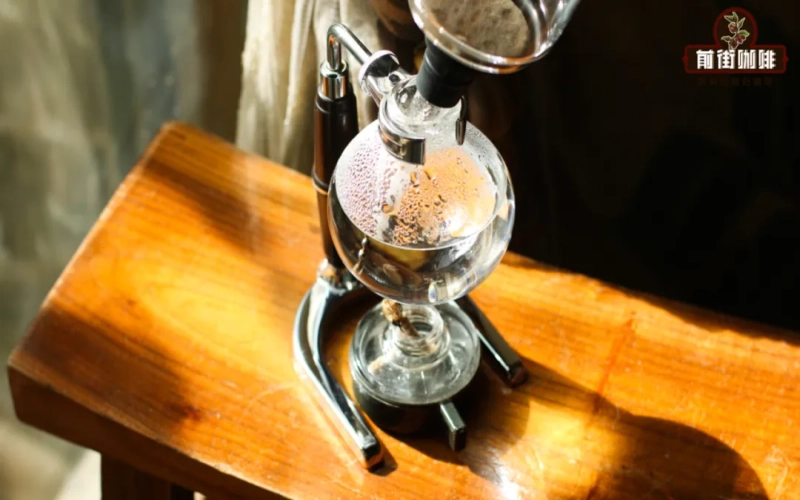
How Is a Siphon Different from Pour-Over Coffee? Can You Replace the Cloth Filter of a Syphon with Paper? A Full Explanation of the Siphon Principle
The siphon pot, with its unique brewing method and highly visual appeal, was once all the rage in coffee circles. Front Street has noticed that with the return of the retro trend, more and more cafés are putting siphon coffee back on their menus, allowing a new generation of enthusiasts to experience this classic flavor. As another way of presenting single-origin coffee, the siphon pot is naturally often compared with today's mainstream pour-over coffee. Where exactly do the two differ? Why are the taste and aroma so noticeably different? This article, from Front Street's perspective, will take a deep dive into the fundamental differences between siphon and pour-over in their extraction methods, and answer common questions such as whether a siphon pot can use paper filters instead of flannel. [more…]
Luckin Summer Watermelon Cold Brew Review: Flavor Is Weak Like Watermelon Water, Coffee Presence Sparks Heated Debate
Luckin Coffee recently launched a summer watermelon cold brew. Originally a refreshing new product that was highly anticipated, it quickly encountered a collective wave of complaints from consumers after hitting the market. Many early triers reported that not only does this drink look noticeably different from the official poster, but it also tastes like it has no coffee flavor at all, and it has been jokingly called "watermelon bathwater." This article compiles real feedback from netizens and reveals its recipe and production process, to see where exactly this controversial cold brew went wrong. [more…]
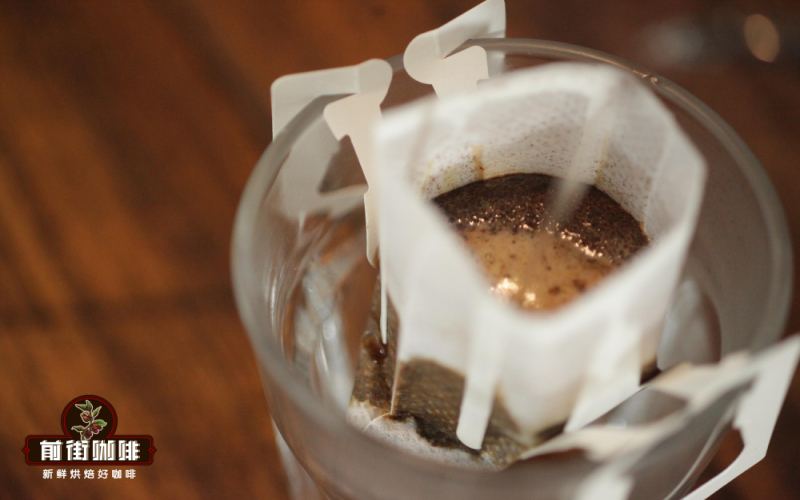
What's the difference between drip bag coffee and instant coffee? A detailed guide to Front Street Coffee's proper pour-over black coffee brewing method
Drip bag coffee and instant coffee are often lumped together, but the two are fundamentally different from raw materials to brewing methods. Drip bag coffee uses freshly roasted whole beans that are ground and sealed in non-woven filter bags, so all you need is hot water and a cup to enjoy a simple pour-over flavor; instant coffee, by contrast, undergoes extraction and drying, and its natural aroma is almost entirely lost. This article will break down the differences between the two in detail, and include the correct brewing steps, ratio recommendations, and flavor buying guide for Front Street Coffee drip bags, helping coffee lovers easily brew a full, balanced cup at home. [more…]
How to brew drip bag coffee for the best taste? An analysis of the features, correct steps, and number of brews for filter-style drip bags
As a portable drip coffee, drip bag coffee has become a daily choice for many coffee lovers thanks to its freshly ground, additive-free nature. However, many people confuse it with instant coffee, or make mistakes during brewing such as directly soaking it or repeatedly brewing it. This article will start from the essence of drip bag coffee, compare it with instant coffee, explain the correct brewing steps and coffee-to-water ratio in detail, and explain why drip bag coffee is only suitable for brewing once. The article will also recommend several distinctive drip bag products from Front Street Coffee based on different flavor preferences. [more…]
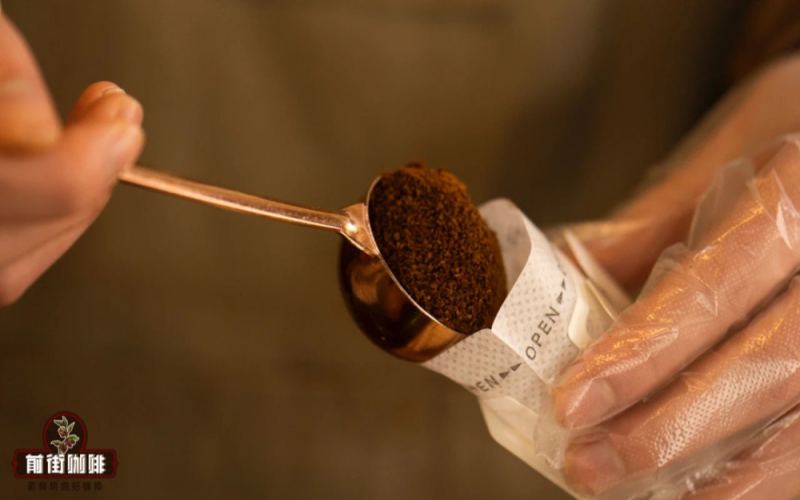
Can you just drop a drip coffee bag straight into a cup and brew it? A guide to the correct way to enjoy specialty freshly ground drip coffee bags
Drip bag coffee, with its portability and flavor close to pour-over, has become a daily choice for many coffee lovers. But many people wonder: can it be brewed by simply pouring it into a cup like instant coffee? The answer is no. The coffee particles inside a drip bag are ground coffee beans, which cannot dissolve in water and require the filter bag for drip extraction. This article will break down the correct brewing steps for drip bag coffee in detail, from cup type selection, water temperature control to the pouring ratio, and based on different taste preferences, recommend three seasonal drip bags from Front Street: Yirgacheffe, Brazil Cerrado, and Indonesia Mandheling, helping you easily make a cup of full-flavored pour-over-grade coffee. [more…]
Which brand is best for cold-brewed Darjeeling black tea? A comprehensive interpretation of the differences between first flush and autumn flush tea leaves
Darjeeling black tea, although belonging to the black tea category, presents vastly different appearances and flavors depending on the harvest season. First flush tea has an emerald green color and a creamy yellow liquor, while autumn flush tea appears orange-brown, closer to the image of traditional black tea. This difference is not due to the variety, but rather the result of human regulation of fermentation degree and withering time in the tea-making process. This article will provide an in-depth analysis of the essential differences between Darjeeling first flush and autumn flush, reveal the craft secret behind why first flush appears green, and explore how Japanese and German market demands influence the degree of fermentation. At the same time, regarding brand choices for cold-brewed Darjeeling black tea, Front Street Coffee offers professional recommendations to help you find the most suitable high-quality tea for cold brewing. [more…]
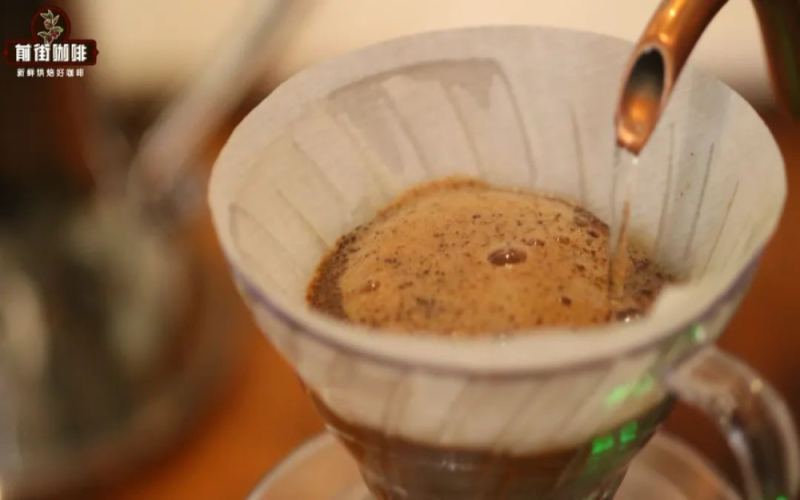
Pour-Over Coffee Fast Circular Water-Slinging Pouring Method: A Full Analysis of Its Advantages, Hidden Risks, and Suitable Bean Types
In the pouring techniques of hand-brewed coffee, the fast circular swirl pour is a controversial yet frequently seen aggressive method in competitions. It uses centrifugal force to fling the water outward, accelerating the tumbling of the coffee bed, thereby improving extraction efficiency and even helping to form a coffee wall that locks in flavor. However, this technique demands extremely high control from the operator; a slight mistake can lead to uneven extraction of the coffee bed and imbalanced flavor. Front Street Coffee will objectively analyze the pros and cons of the swirl pour in this article, and, in conjunction with coffee bean quality, roast level, and the differences between competition beans and everyday beans, explain why beginners are not advised to blindly imitate it. The article will also point out that the pouring technique is only one part of the brewing parameters and must be coordinated with grind size, water temperature, and other factors to be effective. [more…]