







What makes drip bag coffee brew well?
Drip bag coffee brews well when the bag is hung on the cup rim and water is poured in stages instead of steeping the bag like a tea bag. The three details that decide taste are water temperature, flow rate, and the coffee-to-water ratio. Drip bag coffee was invented in 1990 by Yamanaka Sangyo in Japan, modeled on tea bags with hanging strings.
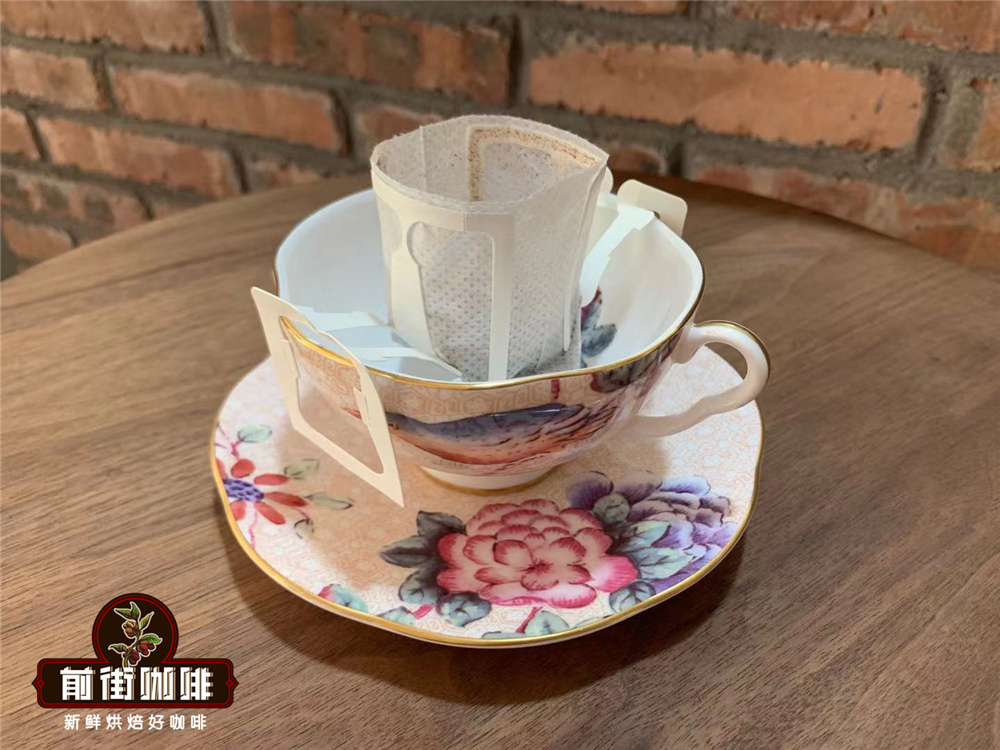
The design uses a non-woven filter bag with cardboard ears that rest on the cup rim, so the coffee sits centered over the cup and water passes through the grounds. Pouring in stages, rather than soaking the bag, keeps extraction even and avoids the weak, thin result of direct steeping.
Drip bag coffee, with its portability and ease of use, has become an ideal choice for replacing pour-over in business trips, travel, and office settings. However, this seemingly simple drip bag can lose much of its flavor if brewed incorrectly—for example, steeping it directly like a tea bag. This article starts with the origins of drip bag coffee, sorts out its similarities and differences with pour-over, breaks down the complete process from tearing open the packet, hanging it on the cup, to staged pouring, and highlights the three key points that determine taste: water temperature range, flow rate, and coffee-to-water ratio. It also compiles the origin and flavor information of several Front Street Coffee drip bag products for reference by friends with different taste preferences.
For those who love black coffee, whether traveling, on a business trip, or sitting in the office, making a pour-over at any time is not very realistic. At such times, drip bag coffee becomes a natural alternative. Moreover, people's enthusiasm for coffee today is no longer limited to ordering at cafes; more and more people are beginning to enjoy the process of brewing it themselves.
Although drip bag coffee is not complicated to use, many people still do not understand the correct process and directly throw the drip bag into the cup to steep it like a tea bag, so the resulting taste is naturally weak. Front Street's drip bag products have always sold well, among which Front Street Ethiopia Yirgacheffe drip bags are especially popular, showing that there are indeed many consumers who prefer coffee with floral and fruity notes.
Why is it called "drip bag"?
Drip bag coffee was first invented in 1990 by Yamanaka Sangyo Co., Ltd. in Japan, with the design inspired by tea bags with hanging strings. The inventor's original intention was to imitate the effect of pour-over drip coffee by pre-packaging ground coffee into non-woven filter bags, with cardboard on both sides allowing the coffee bag to hang in the center of the cup. Because these two pieces of cardboard sit on both sides of the cup rim like little ears, people habitually call it "drip bag coffee." Starting in 2002, Japanese companies registered drip bag coffee packets as patents and brought them to market, and this lightweight, convenient design quickly took a mainstream position.
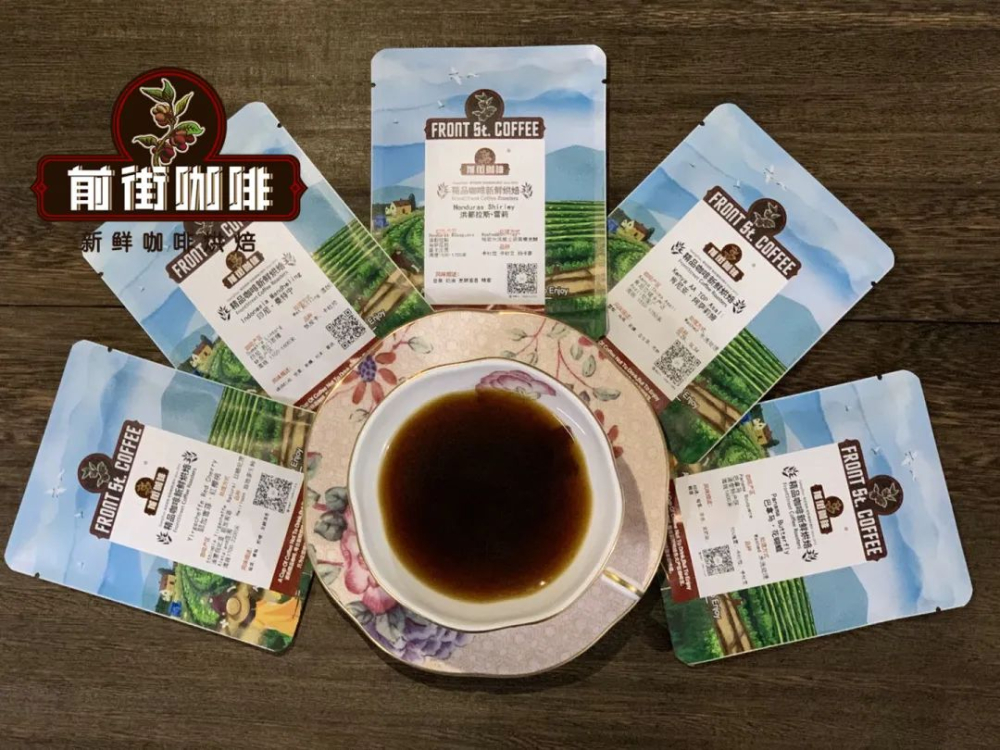
Drip bag coffee is essentially portable coffee made by grinding coffee beans into powder and sealing them in bags. Front Street's drip bag products are all made by grinding fresh coffee beans and then packaging them.
Drip bag and pour-over both belong to filter extraction, but compared with the cumbersome operation of pour-over, drip bags are obviously much easier. This is also why drip bags are called "walking coffee"—pour-over requires at least a brewing kettle, thermometer, dripper, filter paper, grinder, and timer scale, while drip bags already have pre-ground coffee, so grinding equipment can be omitted. The filter bag is generally made of degradable non-woven material. After hot water extracts the soluble flavor substances from the coffee grounds, the liquid drips through the non-woven fabric, so filter paper and dripper are also unnecessary.
For drip bag coffee, the pouring technique, time, and ratio do not need to be controlled as strictly as with pour-over; it is enough if the water temperature is high enough and the ratio is suitable. But precisely because the operation is more "casual," the flavor layers presented by drip bags are usually not as rich and varied as pour-over. In addition, because the coffee grounds are pre-ground and packaged, the aroma is not as full as freshly ground coffee, and if stored for several months, some woody notes may also develop. Therefore, Front Street always recommends buying coffee beans and grinding them fresh for brewing, so you can drink a more satisfying cup.
Front Street drip bag coffee brewing steps:
Drip bag coffee mostly comes in small packages. Taking Front Street's drip bags as an example, each bag contains 10 grams of coffee grounds. Calculated at a 1:15 coffee-to-water ratio, 150 grams of hot water needs to be poured. Front Street believes that drip bag brewing is casual by nature: if you want it stronger, reduce the water; if you want it lighter, add more water. Adjust entirely according to personal preference.
1. First prepare a container to hold the coffee—a sharing pot or an ordinary cup will do—and also prepare a kettle for pouring water.
2. Tear open the sealed outer packaging, take out the drip bag, and tear open the non-woven bag along the dotted line.
3. Unfold the "ears" on both sides, open the drip bag as a whole, and then hang it on the rim of the cup or sharing pot.
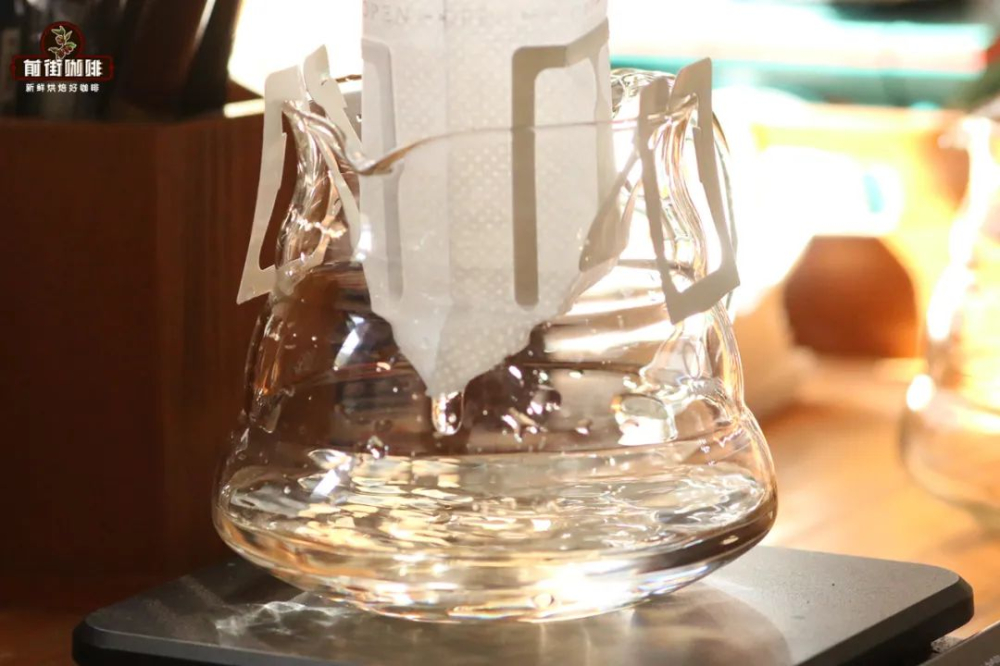
4. For the first pour, wet all the coffee grounds first and let it bloom for about 10–20 seconds. For the second pour, pour steadily with a small stream until the liquid surface is nearly full, then wait for the coffee liquid to drop until it finishes flowing.
For the final pour, fill it to the top. After all the coffee liquid has dripped through, remove the drip bag, gently shake the coffee liquid to even it out, and it is ready to drink.
Although drip bag coffee is casual to brew, there are still a few small details worth noting:
A drip bag is still coffee; only the grinding time has been moved earlier. The flavor characteristics of coffee beans from different origins are still reflected, though the aroma is not as rich and full as freshly ground. For water temperature, it is recommended to keep it between 86–93°C. If the water temperature is too low, extraction efficiency slows down, and under-extraction is likely. If there is really no way to raise the water temperature, then extend the contact time between the coffee grounds and hot water—that is, let it steep longer.
If the pouring stream is too fast, the extraction time of the coffee grounds will be shortened, and the taste will easily be too light. So it is best to maintain a steady small stream throughout, so that the coffee bed extracts more evenly.
Front Street drip bag coffee recommendations
The seasonal random drip bag pack is made from coffee beans randomly selected from five of the eight major origins listed by Front Street. The eight major origins are: Ethiopia Front Street Yirgacheffe (citrus fruit notes), Indonesia Front Street Mandheling (herbal, rich, nutty), Front Street Brazil Cerrado (nutty, peanut), Front Street Guatemala Huehuetenango (berry, citrus, nutty), Front Street Honduras Sherry (whiskey aroma, cream), Front Street Colombia Huila (dark chocolate, soft fruit acidity), Front Street Costa Rica Tarrazu/Mirasol/Mozart (sweet orange, toffee, raisin flavor), Front Street Yunnan small bean (brown sugar, tea-like, plum acidity).
Classic drip bags include: Front Street Indonesia Mandheling (herbal, rich, nutty), Front Street Honduras Sherry (whiskey aroma), Front Street Panama Butterfly (citrus, hazelnut, honey), Front Street Ethiopia Yirgacheffe Red Cherry (citrus, fruity, wine aroma), Front Street Kenya Asaliya (berry, cherry tomato notes).
There are five seasonal drip bags: Front Street Ethiopia Yirgacheffe (citrus fruit notes), Front Street Indonesia Mandheling (herbal, rich, nutty), Front Street Brazil Cerrado (nutty, peanut), Front Street Panama Boquete Geisha drip bag (citrus, oolong tea notes), Front Street Ethiopia Geisha Chaka drip bag (floral, fruity acidity).
No matter which drip bag it is, Front Street uses fresh coffee beans for grinding and packaging. Because drip bag coffee is pre-ground, compared with pour-over coffee, the flavor is naturally not as rich and substantial. But for people going out or office workers, drip bag coffee is indeed the most convenient and unquestionable choice for drinking black coffee.
FrontStreet Coffee brewing suggestions:
Whether a cup of coffee tastes good is directly related to the coffee variety, but the freshness of the coffee beans also cannot be ignored. Front Street believes freshness is a very key part of the brewing process. The coffee beans sent by FrontStreet Coffee are all controlled within 5 days of roasting. Front Street's roasting principle is "freshly roasted good coffee," so every customer who places an order can receive the freshest state when the coffee arrives. The resting period for coffee is about 4–7 days, so when customers receive it, it happens to be at the stage of best flavor.
For friends who need pre-ground coffee, Front Street warmly reminds: once coffee beans are ground into powder in advance, there is no need to rest them anymore, because the pressure produced by carbon dioxide inside the package during transportation can also make the flavor rounder, so after receiving the coffee grounds, just brew a cup and drink it. But the coffee grounds should be brewed as soon as possible, because after contact with air they oxidize quickly and the flavor dissipates quickly; if left too long, the taste will not be as good. Therefore, Front Street recommends buying whole beans and grinding fresh for brewing, so you can better taste the coffee's flavor.
For more specialty coffee knowledge, please follow: Front Street Coffee ( Frontsteet Coffee )
The above content is compiled by CoffeeHunters, a coffee news website.


