







What is a reliable way to brew mandheling coffee in a drip bag?
Drip bag coffee is portable pour-over: freshly roasted beans ground and sealed in a non-woven filter bag, with no added sugar or creamer. Set the bag over a mug, pour hot water in stages and let it drip through. It is meant to be brewed once, since a second pass yields little flavor and soaking it like a tea bag does not work.
The coffee-to-water ratio and pouring pace decide the cup. Using ground coffee keeps the aromatic compounds intact, unlike instant coffee, which is extracted and dried and often loses its natural aroma. Drip bags contain fiber that will not dissolve, so the powder is never drunk directly. For anyone weighing concerns about instant coffee acrylamide, drip bags avoid that manufacturing route entirely.
Drip bag coffee, as a portable pour-over coffee, has become a daily choice for many coffee lovers thanks to its freshly ground, additive-free nature. But many people confuse it with instant coffee, or make mistakes during brewing such as soaking it directly or repeatedly brewing it. This article starts from the essence of drip bag coffee, compares it with instant coffee, explains the correct brewing steps and coffee-to-water ratio in detail, and explains why drip bag coffee is only suitable for brewing once. The article will also recommend several distinctive drip bag products from Front Street Coffee based on different flavor preferences.
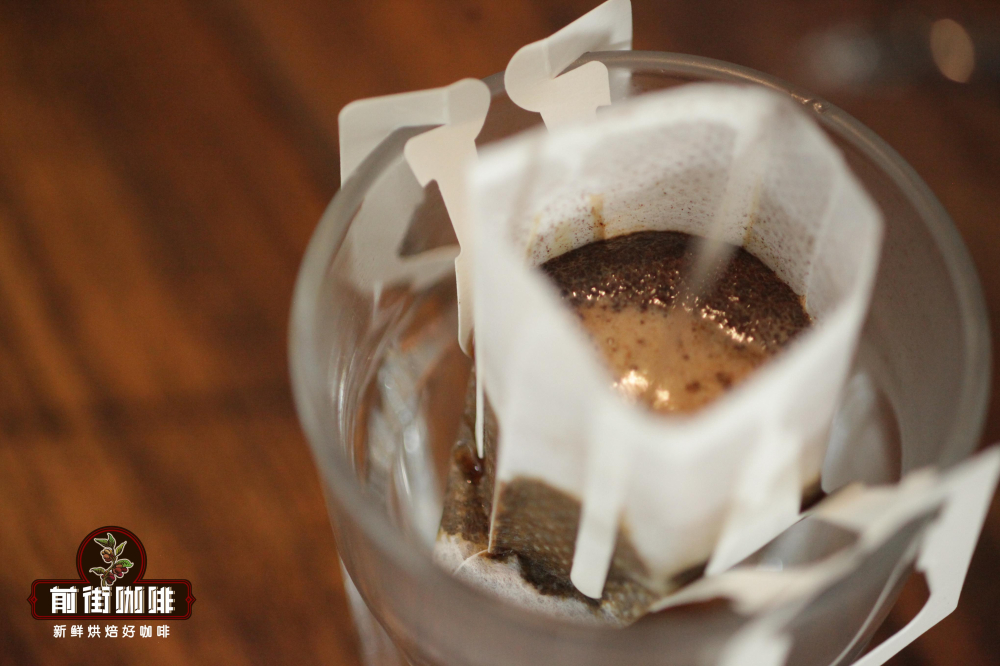
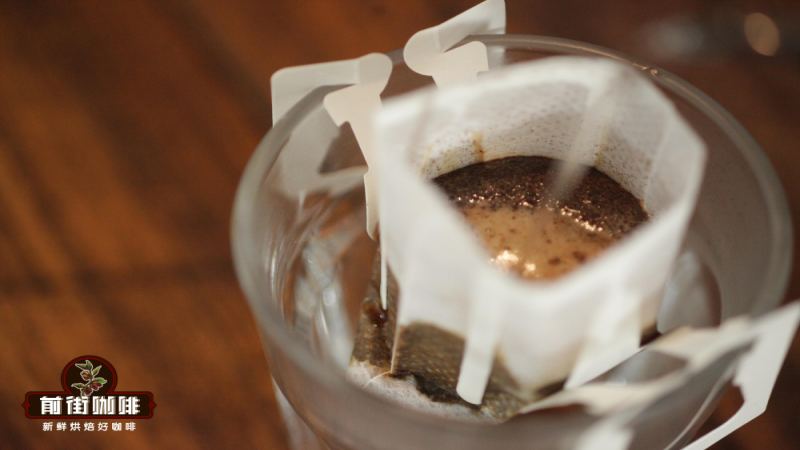
The method of making drip bag coffee, taking Front Street Coffee as an example, is to grind freshly roasted coffee beans to the appropriate coarseness, then seal them in a non-woven filter bag for storage. It is a type of portable pour-over coffee, and can also be understood as a simplified version of hand-brewed coffee.
With just a cup of hot water and a mug, you can enjoy the flavor of hand-brewed single-origin coffee anytime, anywhere. Because it uses freshly roasted whole beans that are ground and contains no added sugar or non-dairy creamer, drip bag coffee can more fully release the aromatic components in the coffee, allowing the layers of acidity, sweetness, bitterness, body, and aroma to all be displayed.
Instant coffee is completely different. Its process involves grinding roasted beans at a specific temperature and pressure, extracting the effective components into water, and then drying them. To facilitate drying, many instant coffees are produced using vacuum concentration, a process that causes the coffee's original natural aroma and essence to be almost entirely lost. Therefore, the taste of instant coffee that many people drink is actually blended from artificial flavorings.
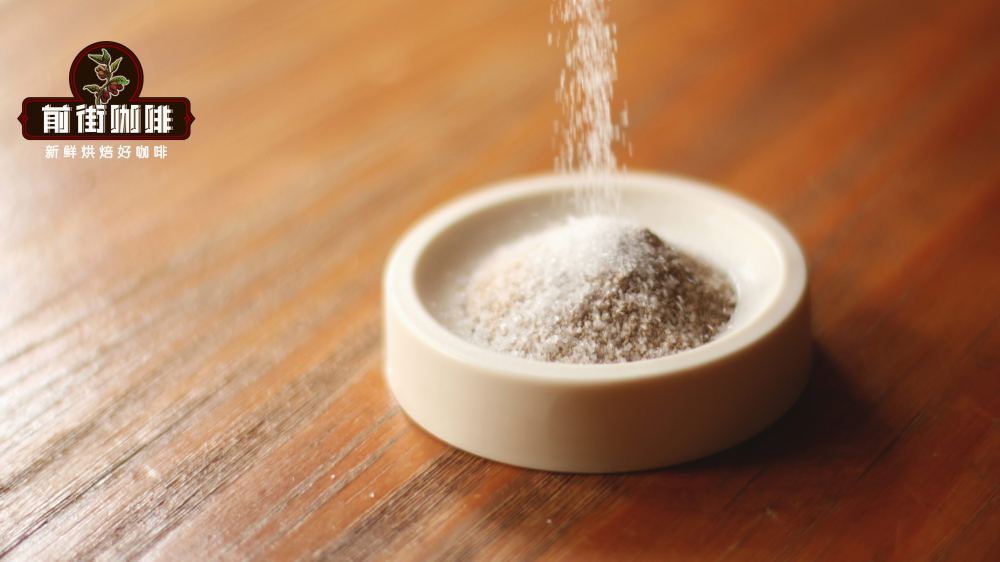
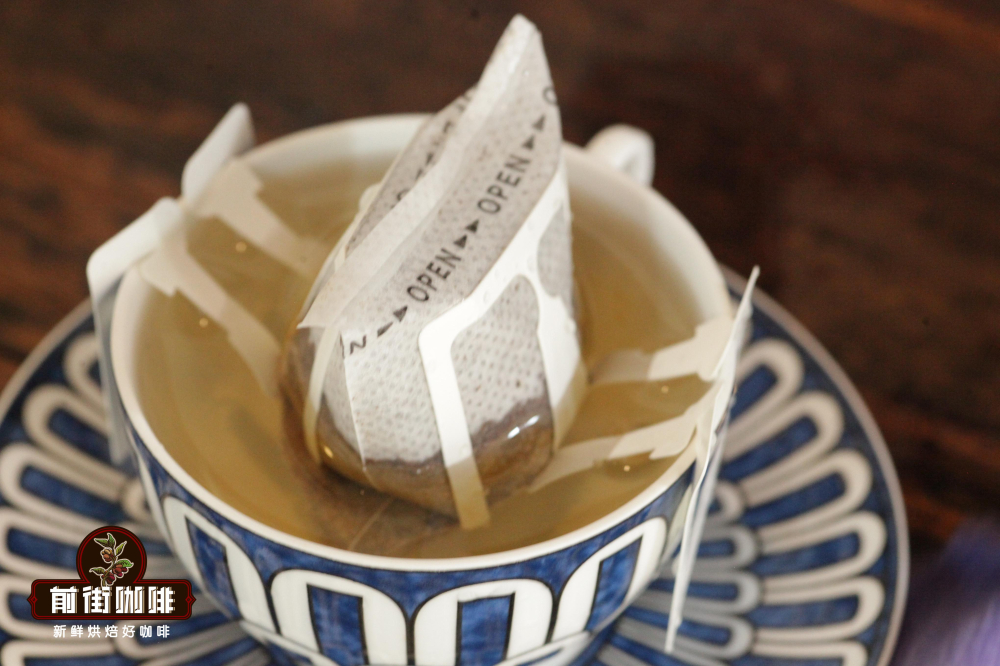
So drip bag coffee and instant coffee are fundamentally two different things. What is inside a drip bag is ground coffee bean particles, about seventy percent of which is woody fiber that cannot dissolve directly in water, so you cannot pour the powder into a cup and drink it. Likewise, it is best not to brew it repeatedly, because the second brew has little flavor left to speak of. Even less should you brew it by dumping it directly into hot water like a tea bag (the image below shows an incorrect example).
Before brewing drip bag coffee, first prepare a straight-sided cup and a pot of hot water at about 90 degrees.
After tearing open the outer packaging, inside is a filter bag with two cardboard tabs, containing coffee particles.
There is a dotted line at the top of the filter bag; tear along this line to open the filter bag.
Then gently pull the paper tabs apart to both sides and hook them securely on both sides of the cup rim.
Next, pour hot water into the coffee grounds in the filter bag in small amounts several times (the water must be poured onto the coffee grounds), and each time do not pour more water than ninety percent of the filter bag's capacity.
The drip bag coffee sold by FrontStreet Coffee has a net weight of 10 grams per pack. To brew a cup of coffee with full and balanced flavor, FrontStreet recommends a coffee-to-water ratio between 1:13 and 1:15, that is, pouring in 130 to 150 grams of hot water, which can be adjusted according to personal taste. Pouring too much hot water at once tends to make the taste weaker.
Drip bag coffee is a single-use product. After brewing once, the flavor substances in the coffee have basically been released for the most part, so just throw it away after brewing. Brewing it a second time not only leaves very little flavor but also easily produces a woody taste or an unpleasant bitterness.
The flavor of drip bag coffee depends on the characteristics of the coffee beans used. If you prefer acidity, you can try the "Front Street Yirgacheffe Seasonal Drip Bag" sold by FrontStreet Coffee, a medium-light roast with fruity acidity; if you do not like it too sour or too bitter, you can choose the "Front Street Brazil Cerrado Drip Bag," a medium-dark roast with nutty notes; if you prefer mellow and rich coffee, it is recommended to buy the "Front Street Indonesia Mandheling Drip Bag."
The above content is compiled by CoffeeHunters, a coffee news website.


